
Custom Acrylic Mahjong Racks
Share your drawing or floor plan and explain where the console will sit, what it will hold, and how it will be delivered. We turn that brief into an approved acrylic console table specification covering dimensions, base structure, wall clearances, material interfaces, sample review, packing, and controlled production.
- You receive a buildable console-table specification aligned with the wall, passage, baseboard, outlets, move-in route, intended objects, and approved product version.
- We review the top, span, supports, joints, floor contact, mixed-material interfaces, assembly, and long-part packing as one SKU.
- If formal performance evidence is required, a professional third-party laboratory tests the released console configuration against the agreed project brief.








Quick specifications
| Item | Details |
|---|---|
| Product Scope | JFM manufactures complete acrylic mahjong racks as individual racks or matched four-player sets for mahjong brands, clubs, retailers, and private-label programs. Each order covers the released rack size, tile channel, pusher or scoring accessories where specified, branding, included components, packaging, and project documents. |
| MOQ | Order quantities typically start at 50–200 pieces, subject to the confirmed design and packing plan. |
| Sample Timing | Sample production is typically scheduled for 3–7 days after the specification is confirmed. |
| Production Lead Time | Bulk production is typically scheduled for 10–35 days. Final timing depends on order quantity, construction, finish, mixed materials, packing, and approval status. |
| Size, Thickness and Load | JFM processes acrylic from 5 to 100 mm for furniture components. The released model defines each thickness, support layout, use map, and acceptance method. |
| Material and Finish | A supported clear cast acrylic material reference may state up to 92% light transmission. That figure does not apply to smoked, tea, milky, gradient, frosted, pink, printed, or custom-tinted finishes, which require separate specifications. |
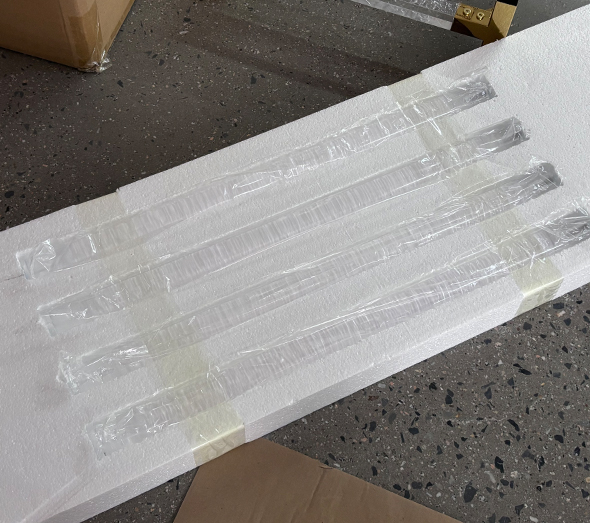
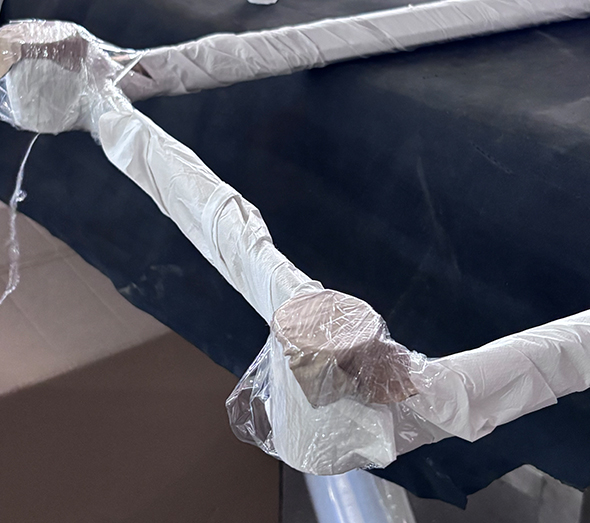
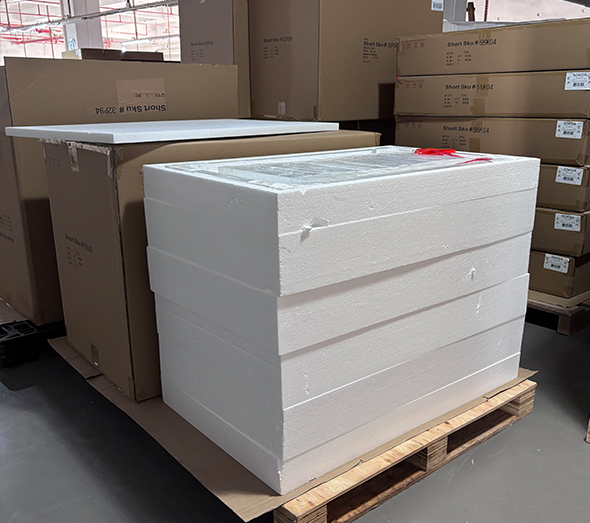
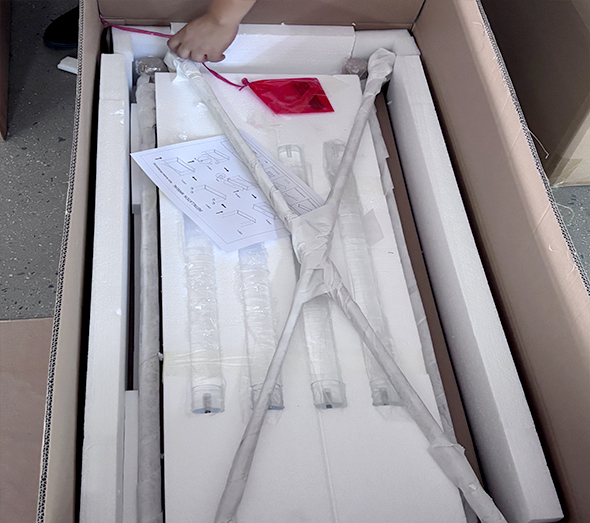
| Assembly and Packing | Furniture packs may use a PE bag, foam separation, foam board, a wooden case, and a pallet. We record the assembly state and carton plan for each SKU. |
| Shipping Terms | We can arrange EXW, FOB, DDU, or DDP delivery. The contract records the agreed schedule, supported by the confirmed production and packing plan. |
Build a Mahjong Rack Range That Fits Your Tiles and Sales Channel
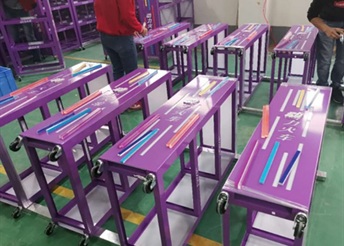
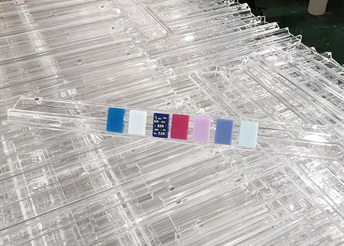
We manufacture acrylic mahjong racks and pushers for game brands, wholesalers, private-label sellers, retail programs, clubs, and events. You can start with a drawing, reference product, or intended use. We evaluate the rack length, tile channel, support angle, pusher structure, edge profile, surface finish, branding, set contents, and packing. The supply scope can be rack only, pusher only, a matched rack-and-pusher set, or a controlled four-player retail pack. The approved sample and specification give your team one reference for product fit, customer instructions, bulk inspection, replacements, and future color or packaging extensions.
Our Products
Acrylic Mahjong Racks with Pushers
Matched racks and pushers let you define one sellable set, one packing list, and clear replacement parts for your channel.
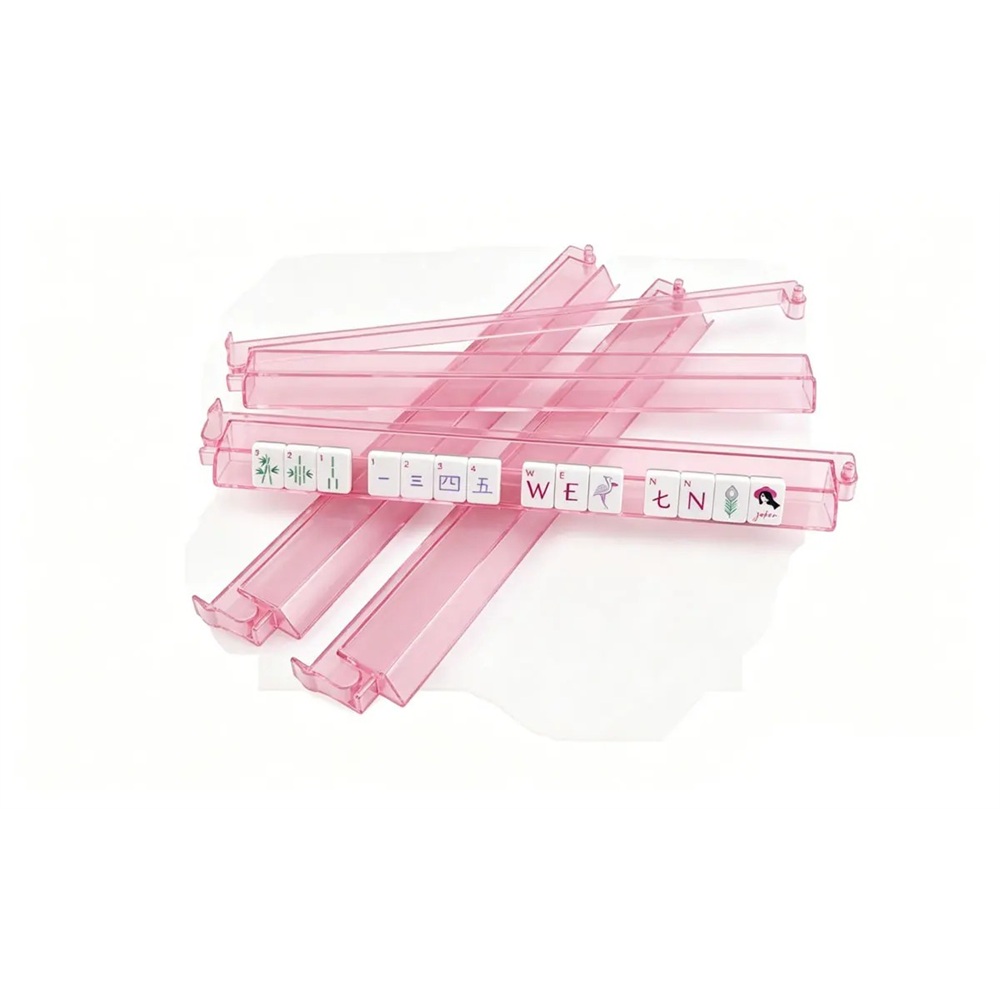
Clear Acrylic Mahjong Racks
Clear racks make the tile channel, polished edges, joints, branding, and surface condition easy for your team to inspect.
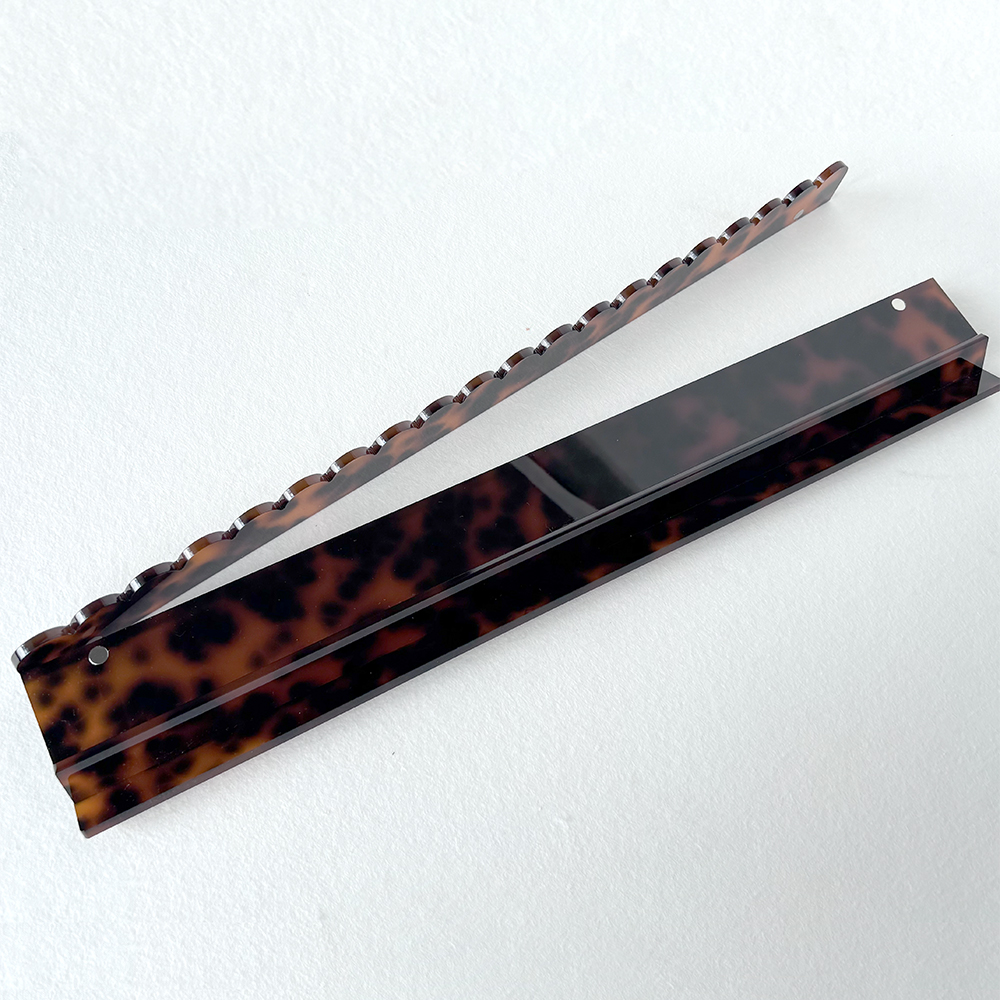
Magnetic Acrylic Mahjong Racks
Magnetic versions connect the rack and pusher. You approve alignment, holding feel, magnet position, encapsulation, and service parts on the sample.
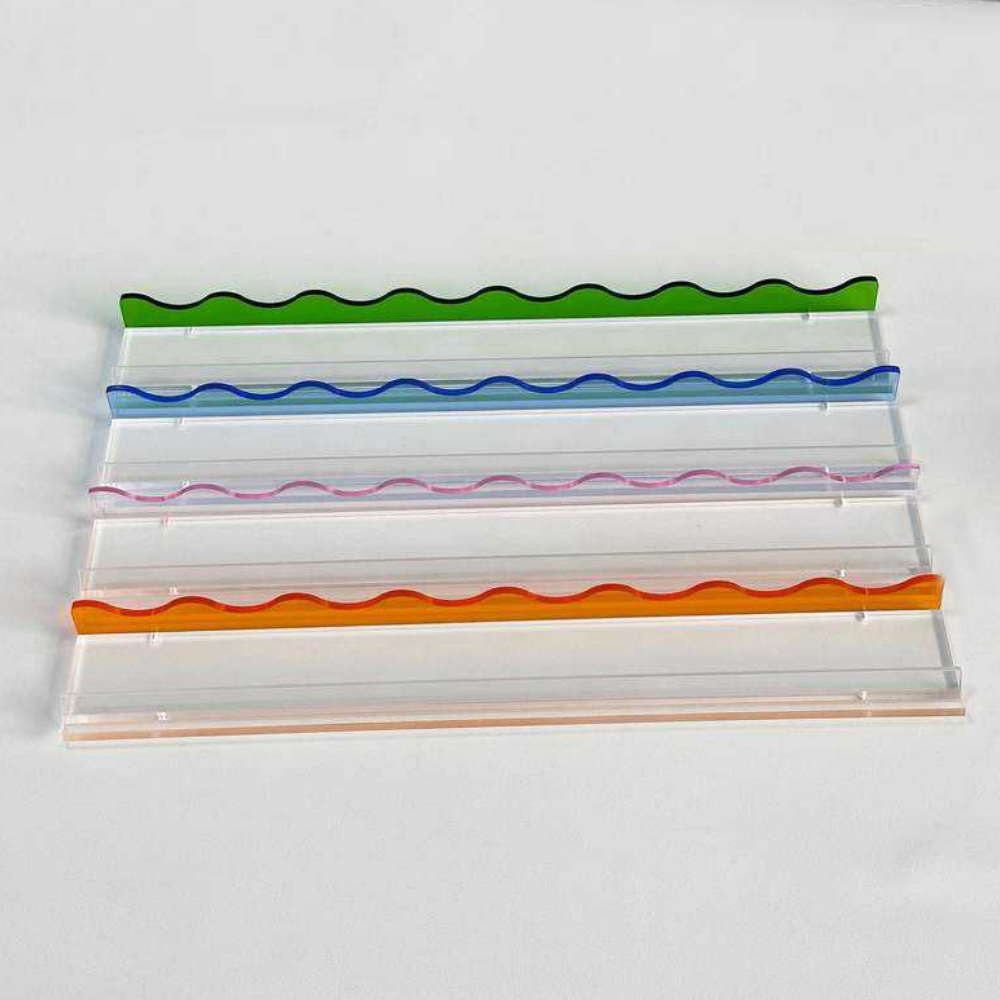
Scalloped Acrylic Mahjong Racks
Scalloped profiles create a distinct collection shape while giving you clear approval points for curves, hand contact, polishing, and paired pushers.
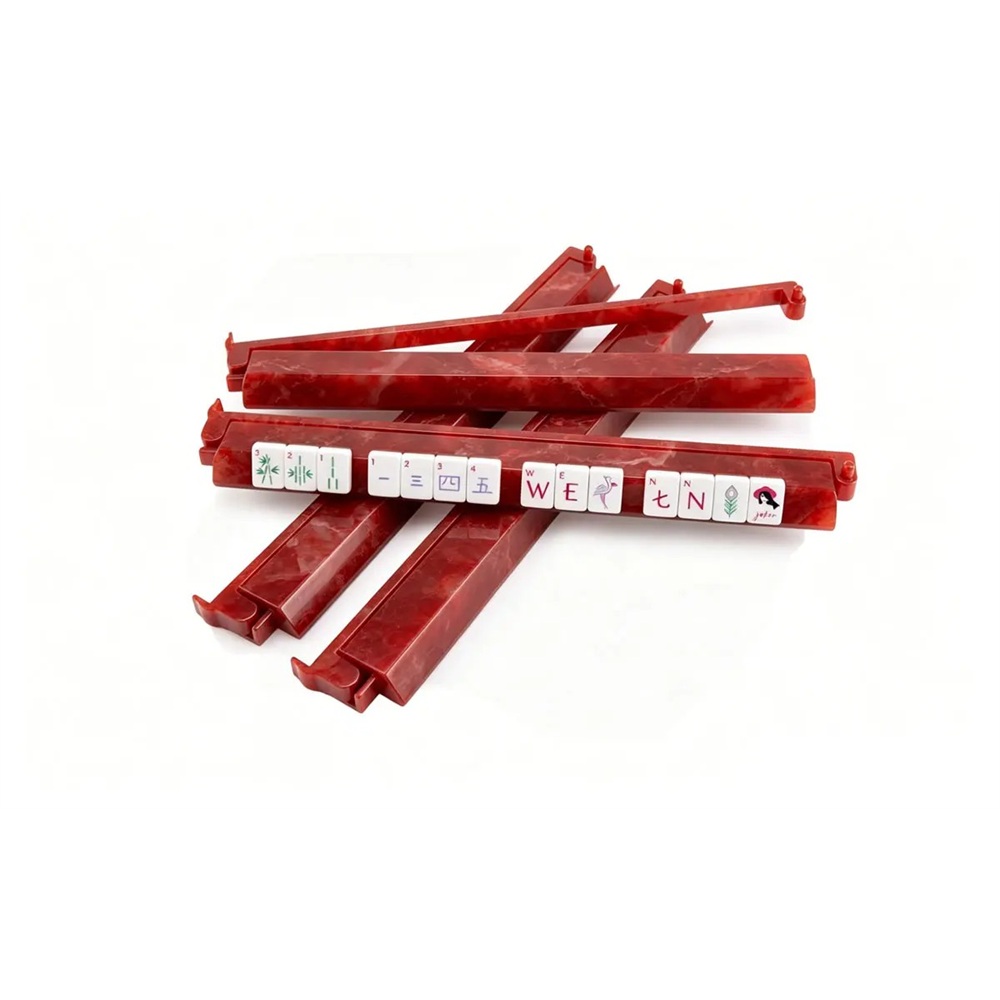
Custom Acrylic Mahjong Racks
Custom programs combine your tile dimensions, profile, colors, graphics, set contents, accessories, and private-label packing in one released specification.
Customization Range
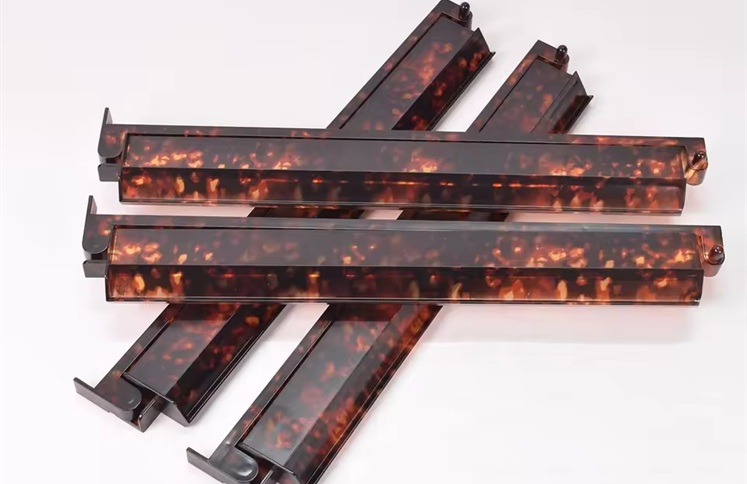
Mahjong Rack Size and Overall Size
We size the rack length, tile channel, support angle, pusher length, base, exposed-tile area, and packed set from your intended tiles.
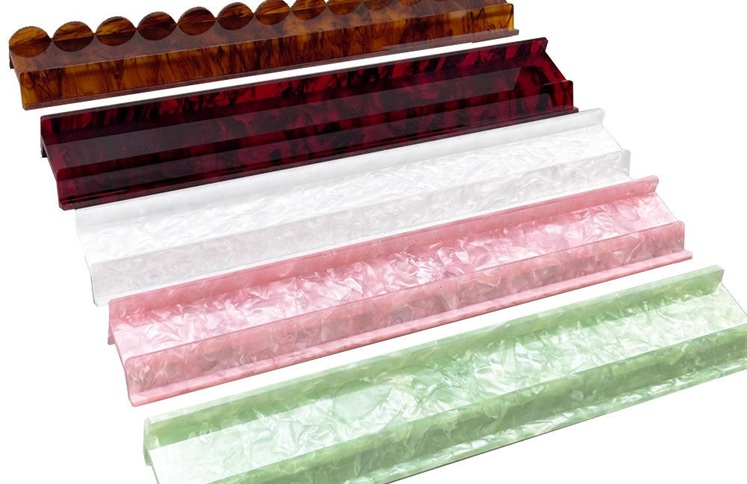
Acrylic Material Type
We record the acrylic grade, thickness, clarity, color, texture, pattern direction, protective film, and approved physical material reference by component.
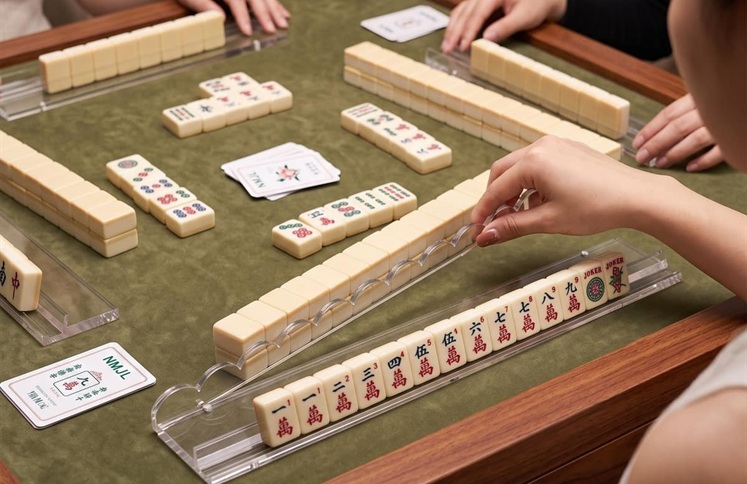
Console Table Structure and Use
You can specify rack only, pusher only, matched sets, single-layer, double-layer, separate, sliding, detachable, magnetic, folding, or custom structures.
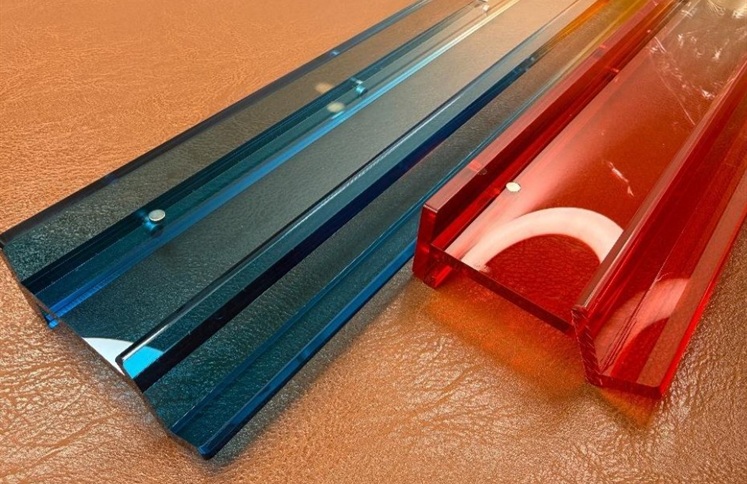
Surface Treatment
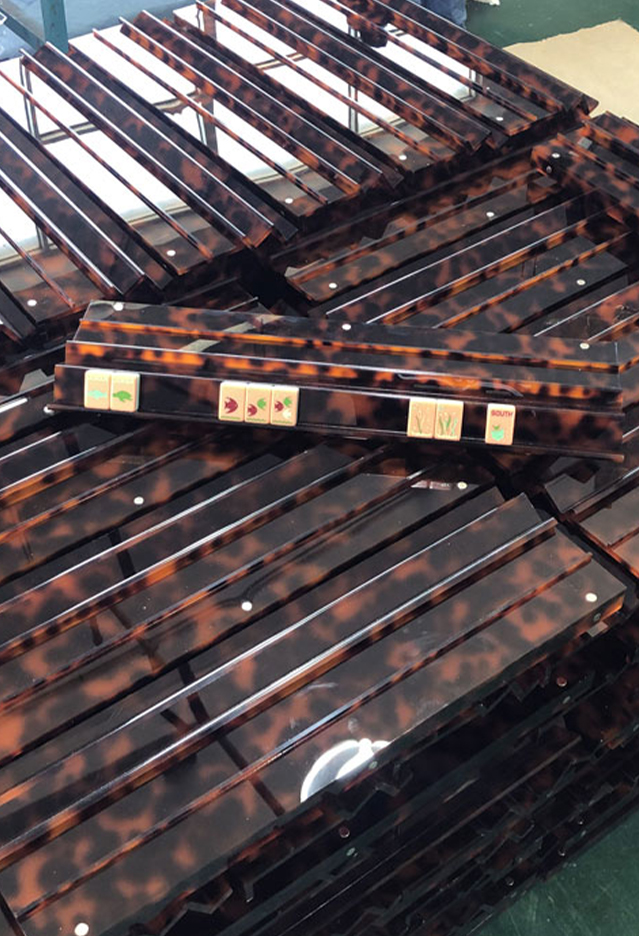
You can approve clear, solid, translucent, pearlescent, marbled, tortoiseshell, glitter, mirrored, frosted, printed, engraved, or custom-color finishes.
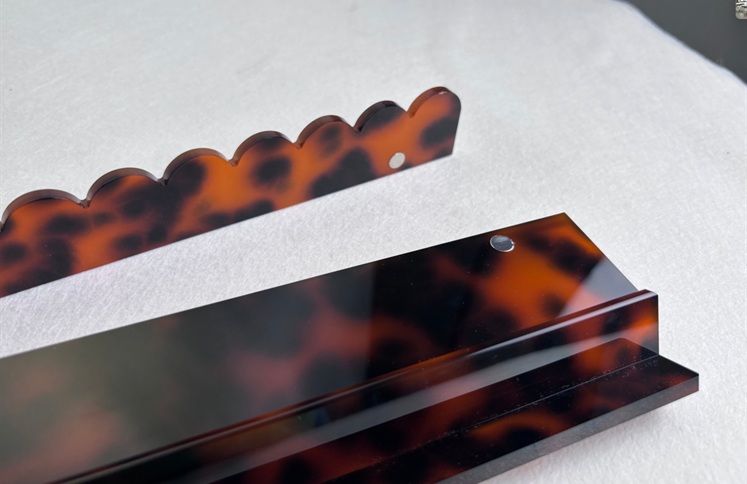
Edge and Corner Finish
We finish straight, scalloped, curved, radiused, chamfered, rounded, polished, or custom-profile edges against the approved sample and hand-contact points.
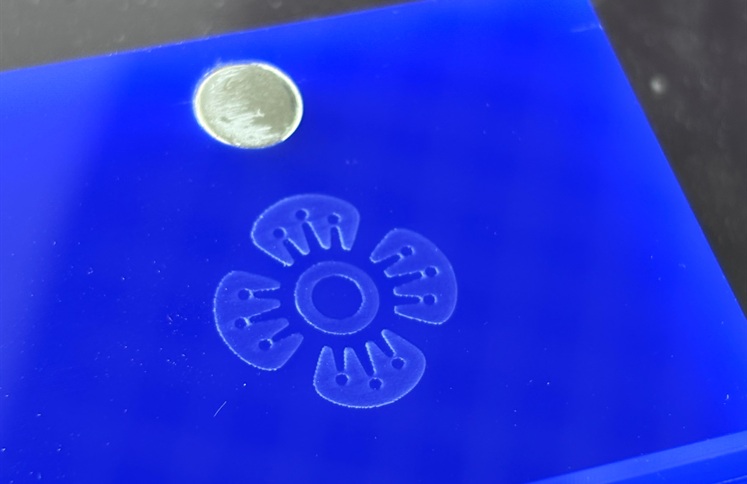
Branding and Personalization
Add laser engraving, screen printing, UV printing, names, sponsor marks, table numbers, logo panels, care labels, barcodes, and private-label artwork.
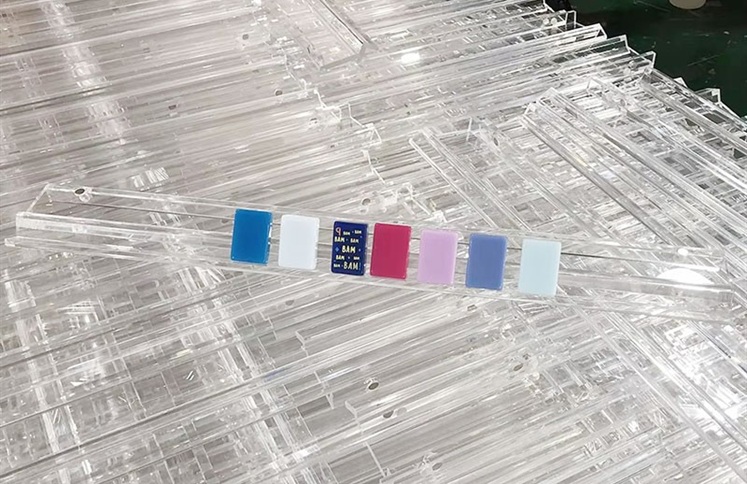
Hardware and Assembly
Your approved BOM records magnets, inserts, fasteners, pads, connectors, spare pushers, accessory parts, polarity, position, and assembly sequence.
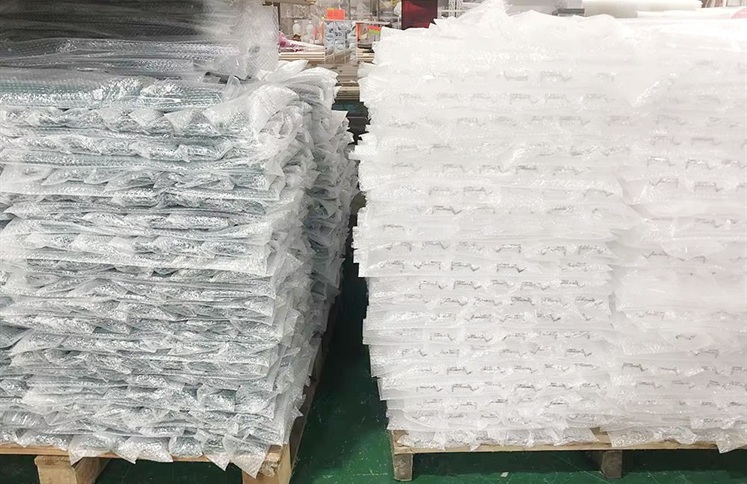
Packaging and Presentation
We prepare protective sleeves, divided bags, inserts, retail boxes, gift boxes, instructions, barcode labels, master cartons, and table-kit identification.
Feature Box
We Check Your Tiles in the Finished Rack Sample
You send a drawing or reference sample and tell us which tiles and playing format the rack must support. We evaluate the usable length, channel width and depth, support angle, exposed-tile space, base contact, and pusher length. The finished sample is checked with your tile sample or approved tile dimensions. You can see whether the tiles stand, move, and remain readable before the product and packaging are released for bulk production.
We Check the Pusher Connection Before You Approve It
A separate, sliding, detachable, or magnetic pusher changes alignment, handling, storage, and after-sales risk. We build the selected connection into the sample, check the travel and contact points, and record the approved parts in the drawing and BOM. For magnetic designs, position and polarity are controlled with the assembly reference. Your team approves the complete action and set contents instead of judging the rack and pusher as unrelated parts.
We Keep Every Rack, Pusher and Pack on the Same SKU
A multi-color range can lose margin when racks, pushers, bags, inserts, barcodes, or spare parts are mixed. We link every color and structure to its released drawing, BOM, physical finish reference, approved sample, packing list, and carton label. Your warehouse can identify the correct sellable set and replacement part, while future orders follow the same approved product and packing version unless your team authorizes a written change.
Manufacturing Process
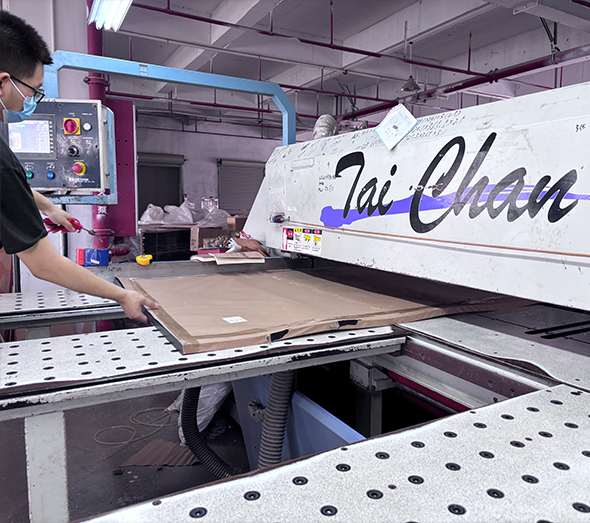
Electronic Saw Cutting
Your rack blanks, pushers, bases, supports, logo panels, inserts, templates, and packing parts are cut to the released production dimensions.
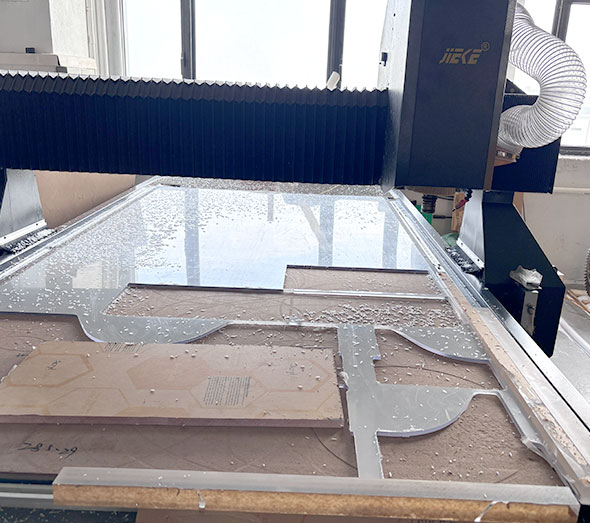
Cutting and CNC Machining
Your tile channels, profiles, slots, magnet pockets, connector positions, logo areas, and inspection references are machined from the approved production file.
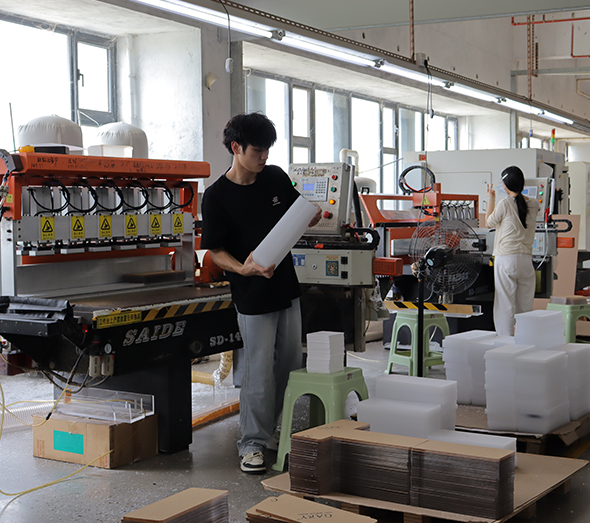
Edge Polishing and Forming
Your straight, scalloped, curved, slot, and hand-contact edges are ground, polished, and formed to the approved profile and finish sample.
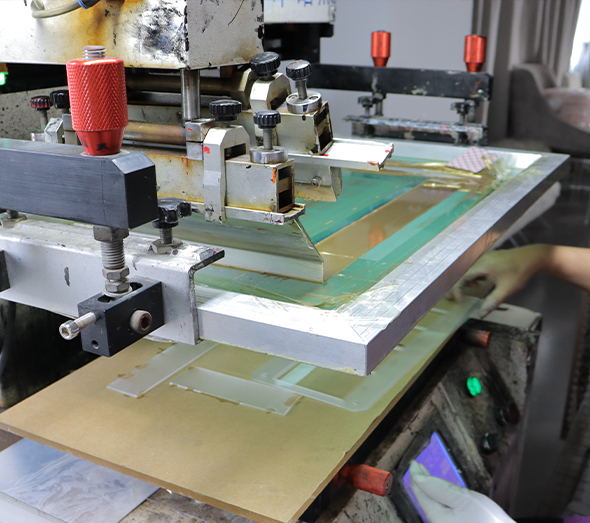
Printing and Engraving
Your logos, patterns, names, sponsor marks, table numbers, care labels, barcodes, and SKU marks follow the approved artwork and position.
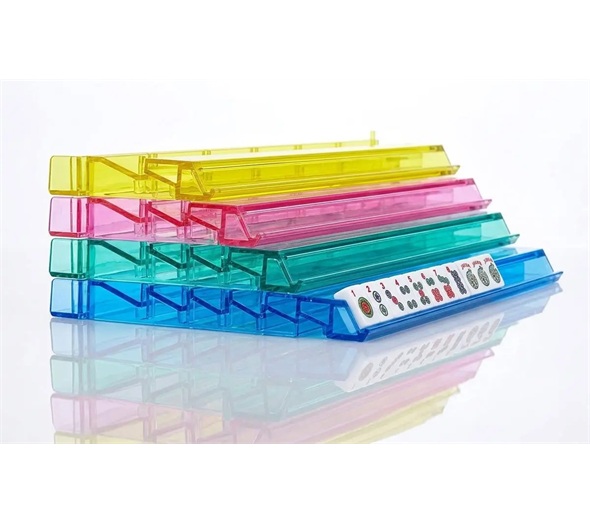
Hot bending
Your channels, back supports, returns, and formed profiles are bent to the approved angle, radius, direction, and checking fixture.
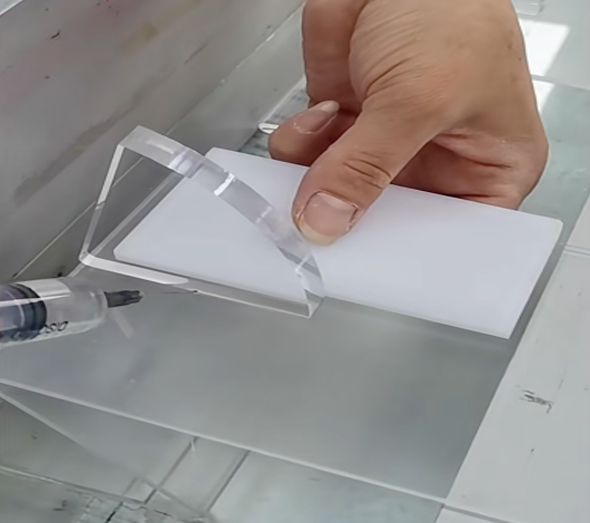
Bonding
Your layers, bases, supports, logo panels, inserts, and mixed-material interfaces remain in assembly fixtures while the approved bonding process sets.
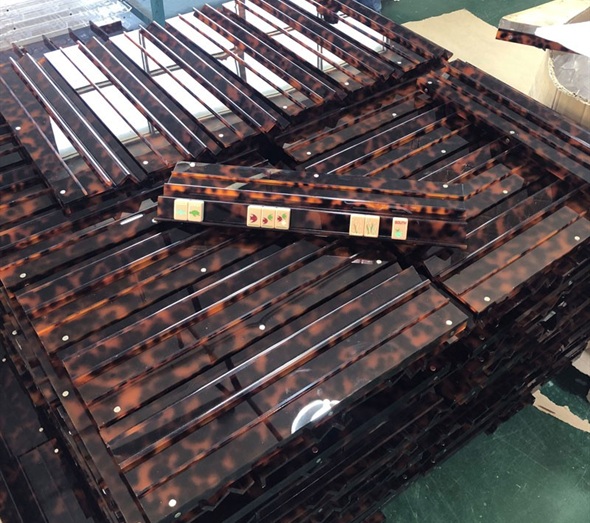
Quality Inspection
We check dimensions, straightness, tile fit, pusher action, magnet position, surfaces, edges, color, branding, set contents, SKU identity, and packing records.
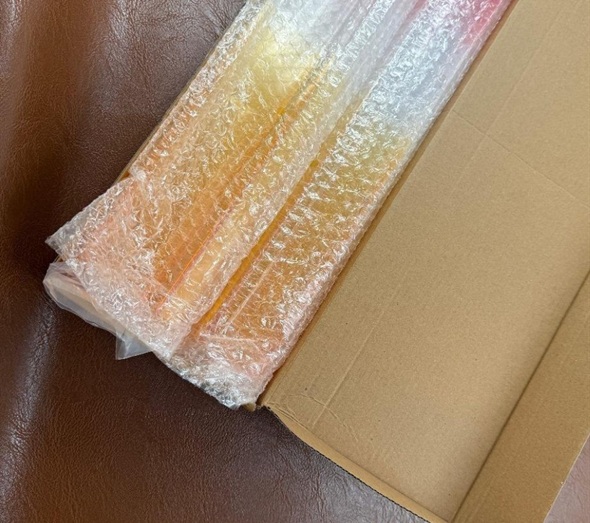
Protective Packing
Your approved pack retains protective film and adds individual separation, divided storage, restrained parts, labels, cartons, cases, or pallets.
Application
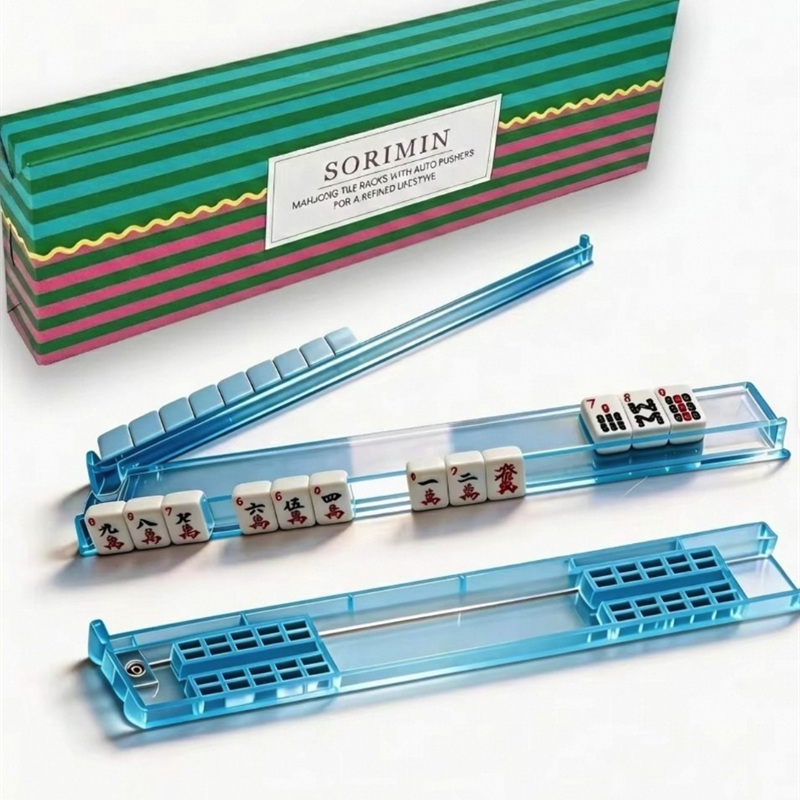
United States Game-Products Brand — October 2024 — Magnetic Rack Set
Project: In October 2024, a game-products brand in the United States ordered a set of four 20 in acrylic mahjong racks with matching magnetic pushers. Each acrylic mahjong rack used 6 mm clear material and ten Ø3 mm magnets, five in the rack and five in the pusher. Challenge: one reversed magnet or a shifted pocket caused the 20 in pusher to lift at one end. Solution: JFM CNC-machined Ø3.2 × 2.2 mm pockets, controlled magnet centers to ±0.25 mm, and used a polarity-checking fixture before bonding. Result: every acrylic mahjong rack engaged its pusher along the full length, and all four sets followed the same magnet map.
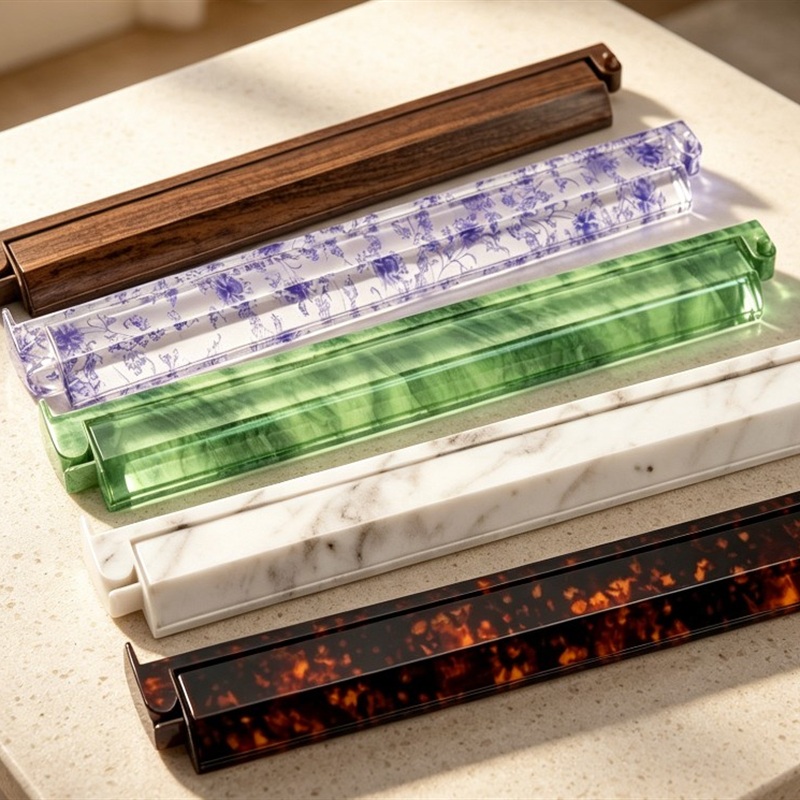
Canadian Mahjong Retailer — April 2025 — Two-Tile-Size Rack
Project: In April 2025, a Canadian mahjong retailer ordered 508 mm acrylic mahjong racks for two tile collections measuring 38.1 × 25.4 × 10.2 mm and 31.8 × 22.9 × 17.8 mm. Each acrylic mahjong rack had a 38 mm exposure ledge and a 12 mm front retaining edge. Challenge: both tile profiles had to remain readable without the thicker set pushing the row too far forward. Solution: JFM formed the ledge at a fixed 7° angle, held the usable depth to ±0.5 mm, and checked the rack with complete rows from both tile sets. Result: both collections sat inside the 508 mm rack length, and each approved acrylic mahjong rack used the same ledge gauge.
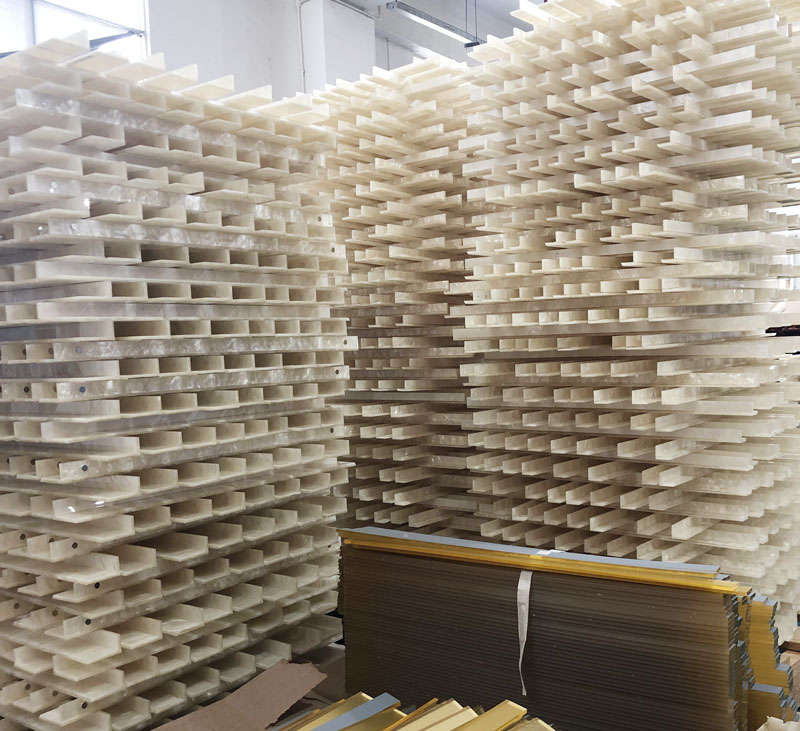
Singapore Event Merchandise Buyer — December 2025 — Eight-Piece Table Kit
Project: In December 2025, a Singapore event merchandise buyer ordered acrylic mahjong rack kits containing four 508 mm racks and four matching pushers. The 5 mm acrylic mahjong racks carried engraved table numbers and six brass accents per rack. Challenge: eight long polished pieces could scratch, separate, or be returned to the wrong table after an event. Solution: JFM matched each rack and pusher by table number, placed every piece in a 3 mm EPE sleeve, and packed the set in a divided 560 × 230 × 105 mm carton. Result: every acrylic mahjong rack kit passed the eight-piece pack check, and staff could return each pusher to its numbered rack without comparing colors.
Bulk Production Process
1. Inquiry & Quotation
Consult customer service to confirm product specifications, craftsmanship, and quantity, then finalize the quotation and lead time.
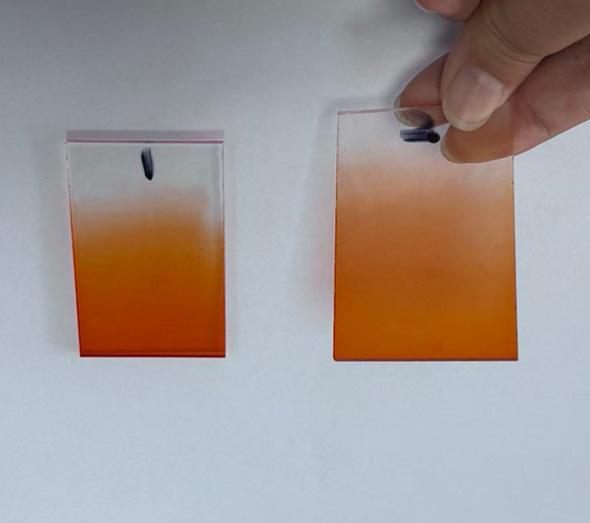
2. Solution Confirmation
Formulate the solution, design the drawings, and confirm the final version.
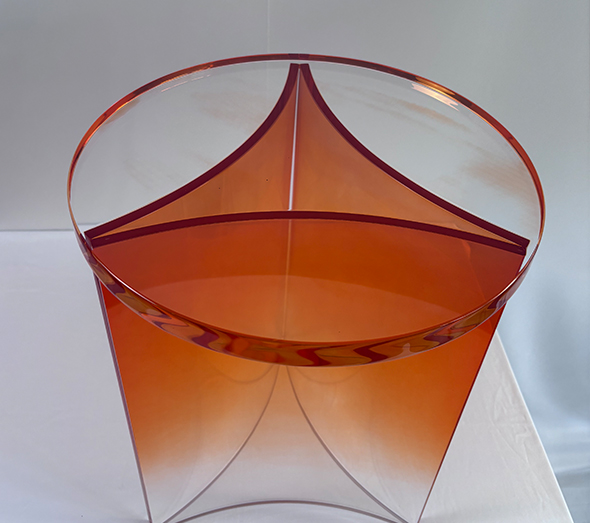
3. Sample Production
The factory designs and produces samples, then sends them to the buyer for confirmation.
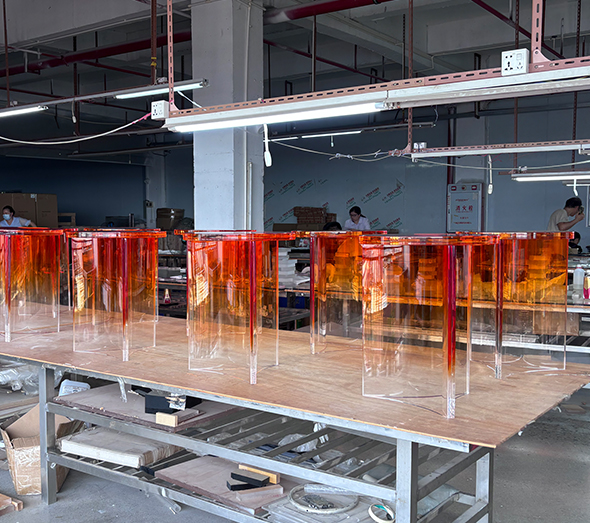
4. Mass Production
The factory starts mass production in accordance with the confirmed samples. No modifications are allowed during production.
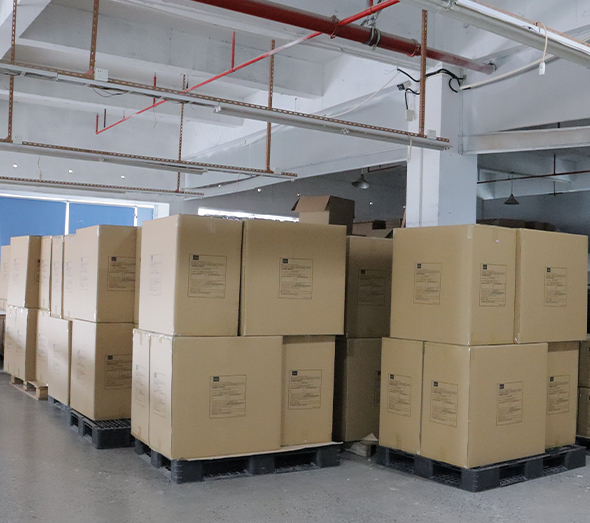
5.Products Shipment
Once production is completed, safe shipment will be arranged after the balance payment is settled.
Packing Facts
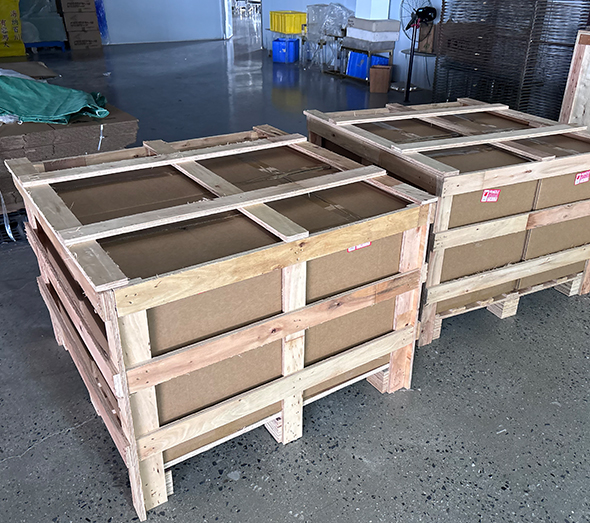
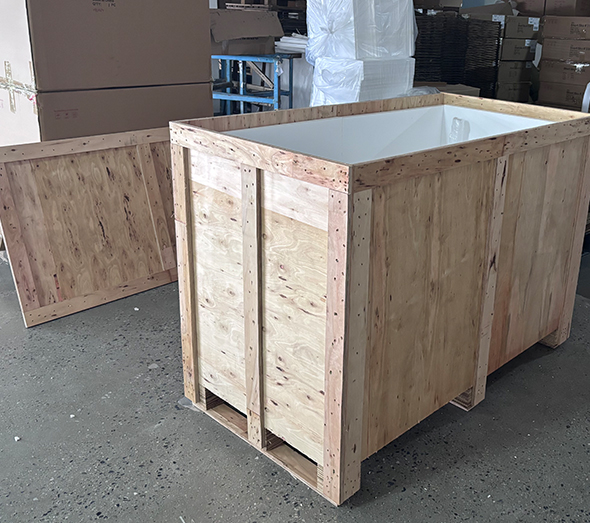
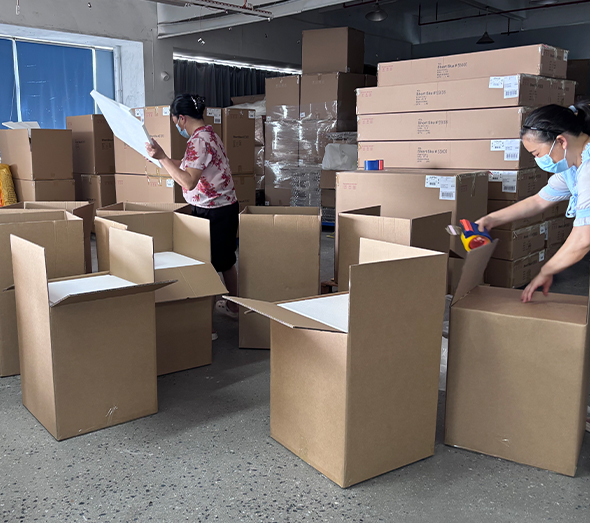
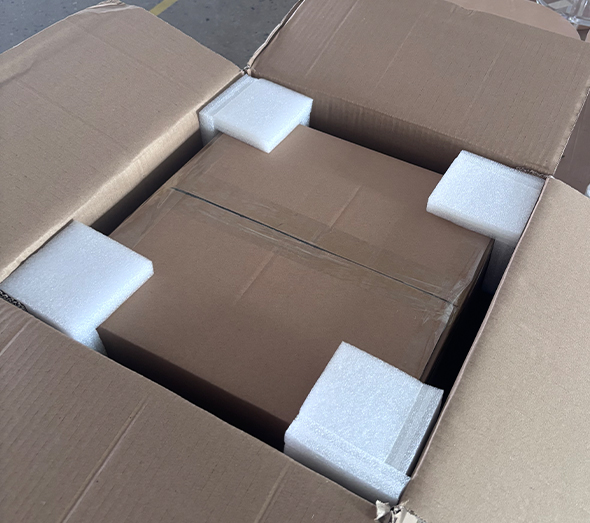
Packaging materials
Outer packaging materials:Corrugated Boxes, Honeycomb Boards, Custom Gift Boxes, Wooden box; Cushioning materials:cushioning materials, Air Pillows, EPE, Honeycomb Paper, Kraft Paper Fillers; Sealing and securing materials:BOPP Transparent Tape, Kraft paper tape, Custom Printed Tape, Stretch Film; Special protective materials:Desiccant, Anti-Static Bags……
Surface and Edge Protection
A published acrylic-furniture pack uses PE film or bag, pearl-cotton or bubble separation, foam board, wooden case, and pallet to stop surface contact.
Sets and Carton Identification
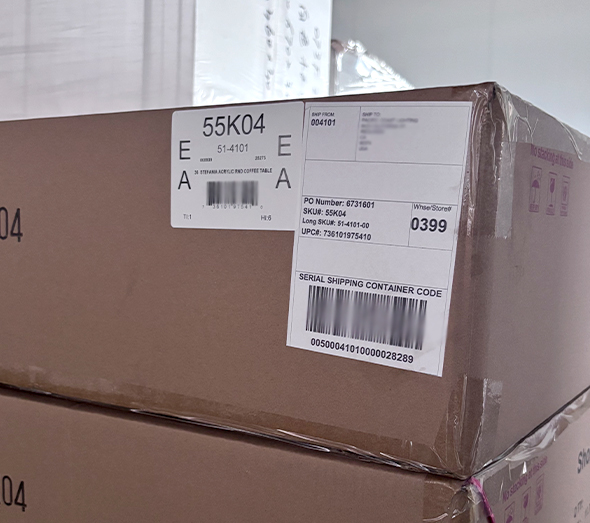
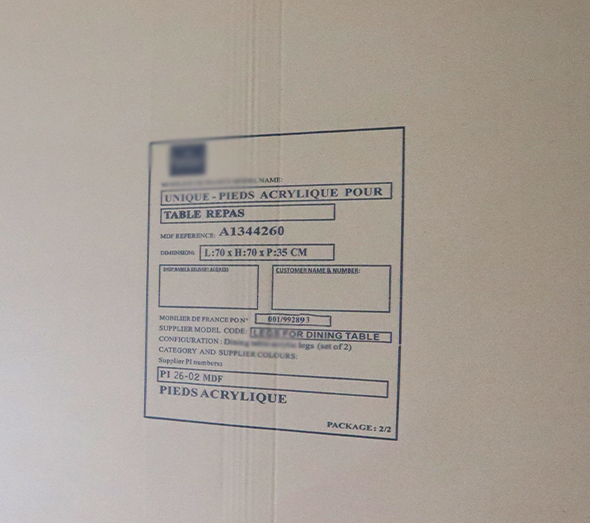
Nesting sizes remain separate SKUs. Carton labels list each size, color, pieces per set, quantity, destination, store, room, or project zone.
FAQ
Start with the way the table will actually be used. Note what guests may place on it, how often staff will move it, and whether it stands on carpet or hard flooring. Ask for stability and load information for the exact design, because sheet thickness alone does not answer those questions. Place the sample in a real or mock-up room and let the operations team use it before approving wider installation.
Show the relationship between the table and the seating, not just a list of overall dimensions. Include the tabletop height beside the armrest, the usable surface, and the floor space required. For a C-shaped model, add the clearance beneath the sofa and the reach over the seat. Photographs beside realistically sized furniture and a short measuring guide help customers rule out a poor fit before ordering.
Provide care instructions that match the actual acrylic and finish. Standard uncoated acrylic is usually cleaned with a soft damp cloth, mild soap, and lukewarm water. Dry rubbing, abrasive pads, and unapproved glass cleaners or solvents can damage the surface. Confirm cleaner compatibility when a hotel or commercial team uses disinfectants. Put the same guidance in the carton and the online listing so staff and customers receive one clear routine.
Add storage when there is a clear item that guests or customers need to keep within reach. Test the shelf or drawer with those items and check access from a seated position. On clear acrylic furniture, stored objects remain visible and can quickly look untidy. Compare a furnished storage sample with an open version before extending the range. The useful option should solve a real need without weakening the clean appearance buyers expect.
Use wheels when staff genuinely need to change a layout or move a shared occasional table. Test rolling effort, noise, floor protection, and the locks on the actual flooring, including rug transitions. Check stability with the intended items in place and decide whether the table must be unloaded before moving. If it will stay beside one chair, fixed feet may be simpler and leave fewer parts for the operations team to maintain.
Check the specific record players the table is meant to hold. Their feet, open dust covers, plugs, cable routes, and operating weight can change the usable space. Ask for suitable load information for the proposed table and test playback where normal foot traffic might cause movement. If the design also stores records, assess that weight separately. Publish the verified dimensions and limits so buyers can judge compatibility before purchase.
Begin with a few designs that do different jobs, such as a sofa table, a bedside option, and a storage model. Use sales history or retailer feedback to set the first mix. Test new colors and shapes in smaller quantities before expanding them. Review sell-through, returns, and margin by SKU instead of using total collection sales alone. Replenish proven designs and keep experimental variants at a level the channel can realistically support.
Look at the finished piece in the same conditions your customer will see. Check its proportions beside seating, the edge finish, visible joints, reflections, and the feel of common contact points. Photograph the sample under normal showroom and product-photography lighting. Then compare it with alternatives at the intended selling price. A premium position needs a convincing product experience and presentation; higher material cost on its own is not enough.
Request a Quote for Your Side Table Project
Product Specification
Send your company details, drawing or reference, dimensions, color, intended use, quantity for each design, and destination. For acrylic nesting side tables, include the number of sets and pieces per set.
Destination and Timing
Add the preferred packing method, target arrival date, and whether the order is for wholesale, private label, or an interior project.
Commercial Context
We can then review the sample and bulk quotation on the right basis.