
Custom Acrylic Coffee Tables
Send your acrylic coffee table drawing or reference and tell us where the table will be used. We develop the size, structure, material interfaces, sample, packing, and controlled production version for your furniture, wholesale, hospitality, or project program.
- You receive an acrylic coffee table specification built around the real seating layout, intended channel, and approved product version.
- We review the tabletop, supports, joints, shelves, hardware, finish, stability criteria, assembly, and packing as one production configuration.
- When formal performance evidence is required, the released table configuration is submitted to a professional third-party laboratory under the project test brief.








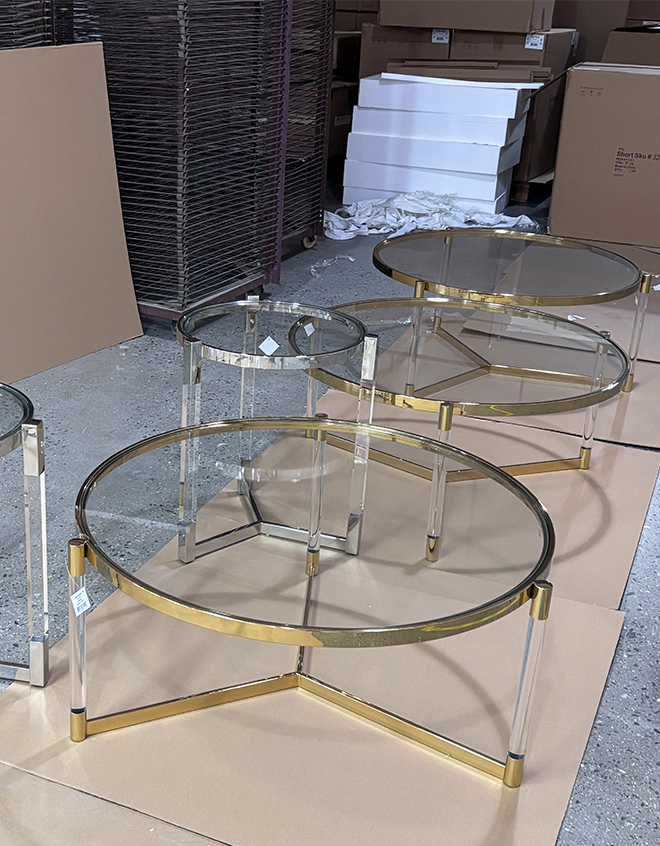
Quick specifications
| Item | Details |
|---|---|
| Product Scope | JFM manufactures clear, round, square, oval, small, and rectangular acrylic coffee tables from drawings, reference samples, or specified dimensions for furniture brands, importers, wholesalers, hospitality buyers, and contract projects. |
| MOQ | 50–200-piece MOQs |
| Sample Timing | JFM offers 3–7-day sample production. |
| Production Lead Time | We publish 10–35-day bulk production schedules. The exact time will depend on the order quantity and the complexity of the product. |
| Size, Thickness and Load | We provide 5–100 mm acrylic processing for furniture. |
| Material and Finish | Clear cast acrylic material can use a supported reference of up to 92% light transmission. Smoked, tea, milky, gradient, frosted, and custom-tinted finishes are specified separately and do not use that clear-material value. |
| Assembly and Packing | Furniture packs use a PE bag, foam separation, foam board, wooden case, and pallet. JFM records the assembly state and carton plan by SKU. |
| Shipping Terms | We supply protective packing and arrange EXW, FOB, DDU, or DDP delivery. Our delivery time will strictly adhere to the time stipulated in the contract and will be delivered to you as scheduled. |
Develop Acrylic Coffee Tables for Your Collection or Project
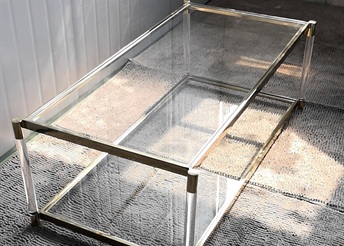
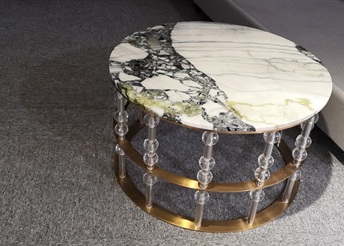
We manufacture acrylic coffee tables for furniture brands, importers, wholesalers, hospitality procurement, and contract projects. You can begin with a drawing, a reference sample, or the intended room and seating plan. We evaluate the footprint, usable top area, height, span, supports, joints, shelves, bases, mixed materials, hardware, assembly state, surface protection, and packing route. Clear, round, square, oval, small, and rectangular options organize this collection; waterfall, pedestal, block, cube, and nesting details remain styles or configurations rather than extra categories. Your released drawing, approved sample, bill of materials, finish reference, inspection points, and packing record define the version used for bulk production and repeat orders.
Compare our round acrylic coffee table for circular layouts, or explore the clear acrylic coffee table when transparency is the primary finish requirement. For additional shapes, compare our rectangular acrylic coffee table, small acrylic coffee table, oval acrylic coffee table and square acrylic coffee table models.
Our Products
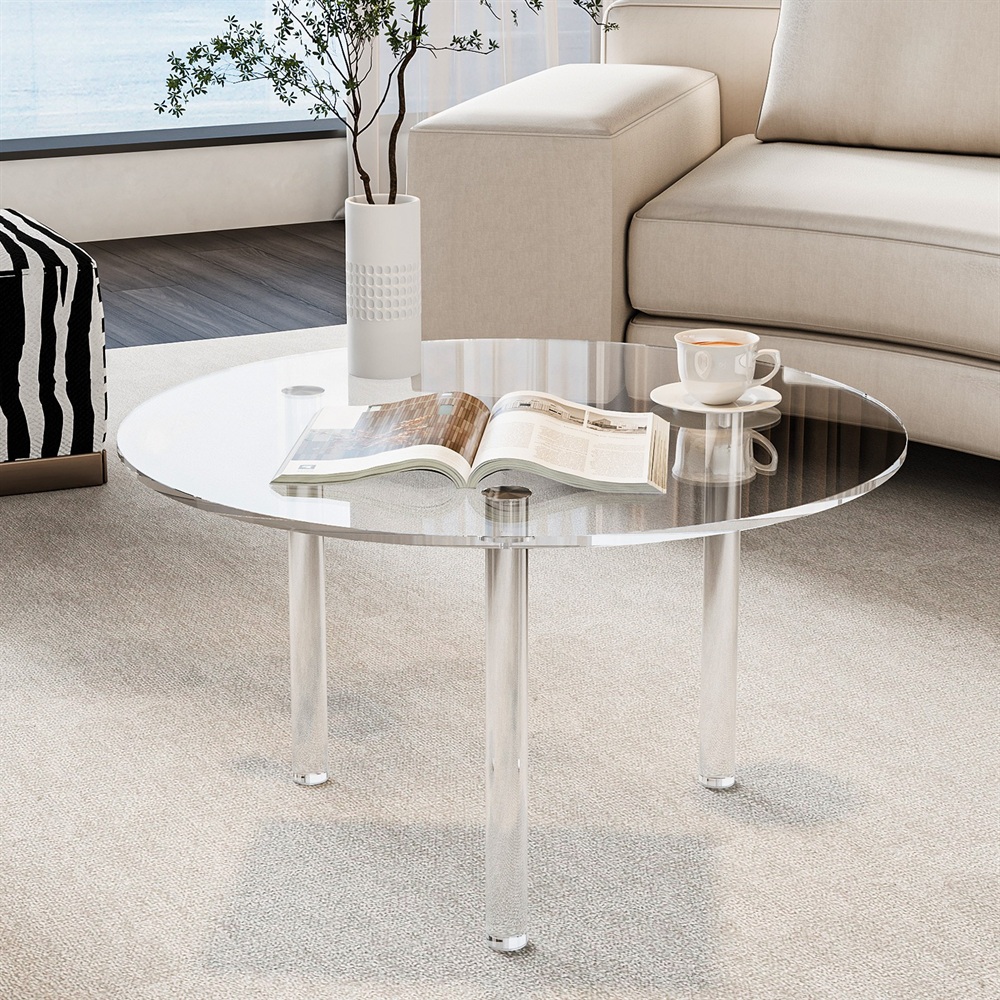
Clear Acrylic Coffee Tables
Clear acrylic coffee tables suit projects where transparency is the main buying filter. Your specification still records actual material, tint, thickness, edges, joints, protective film, and approved visual limits.
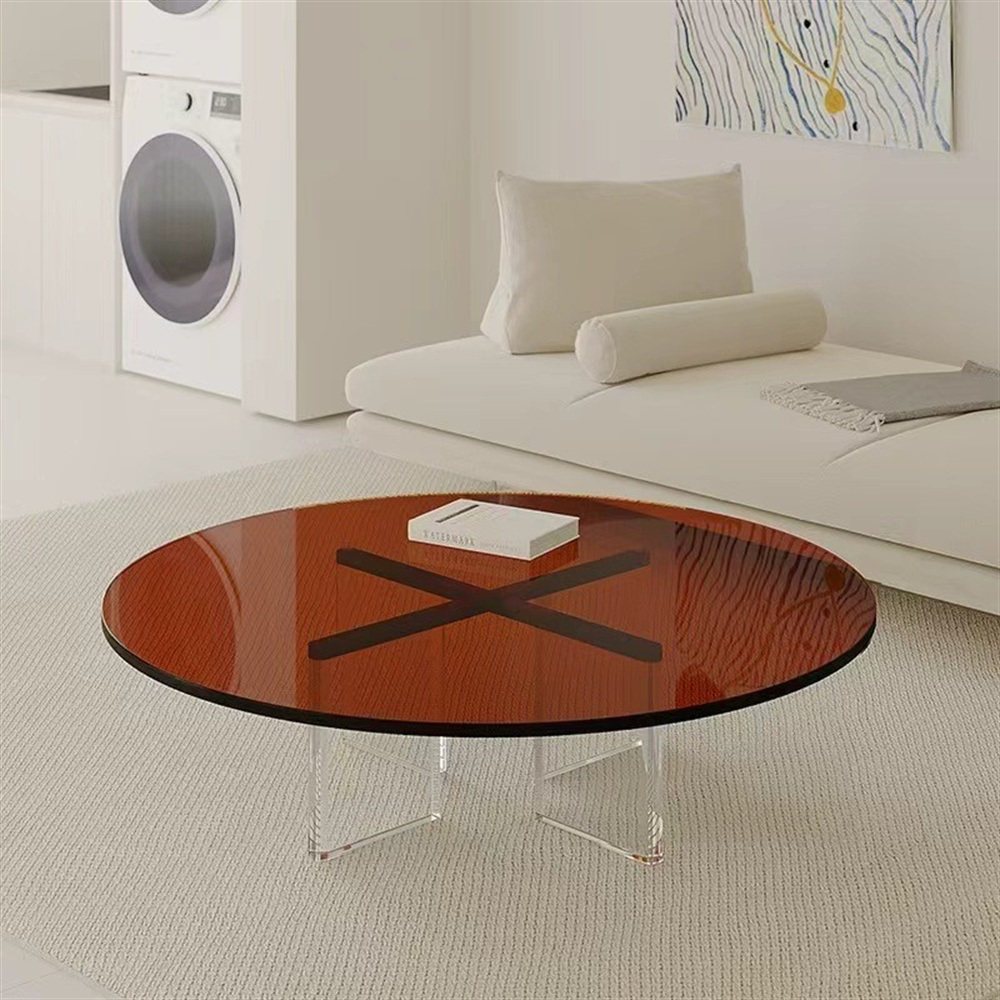
Round Acrylic Coffee Tables
Round acrylic coffee tables support circulation around grouped seating. We translate diameter, height, support position, edge profile, and packed footprint into one released version.
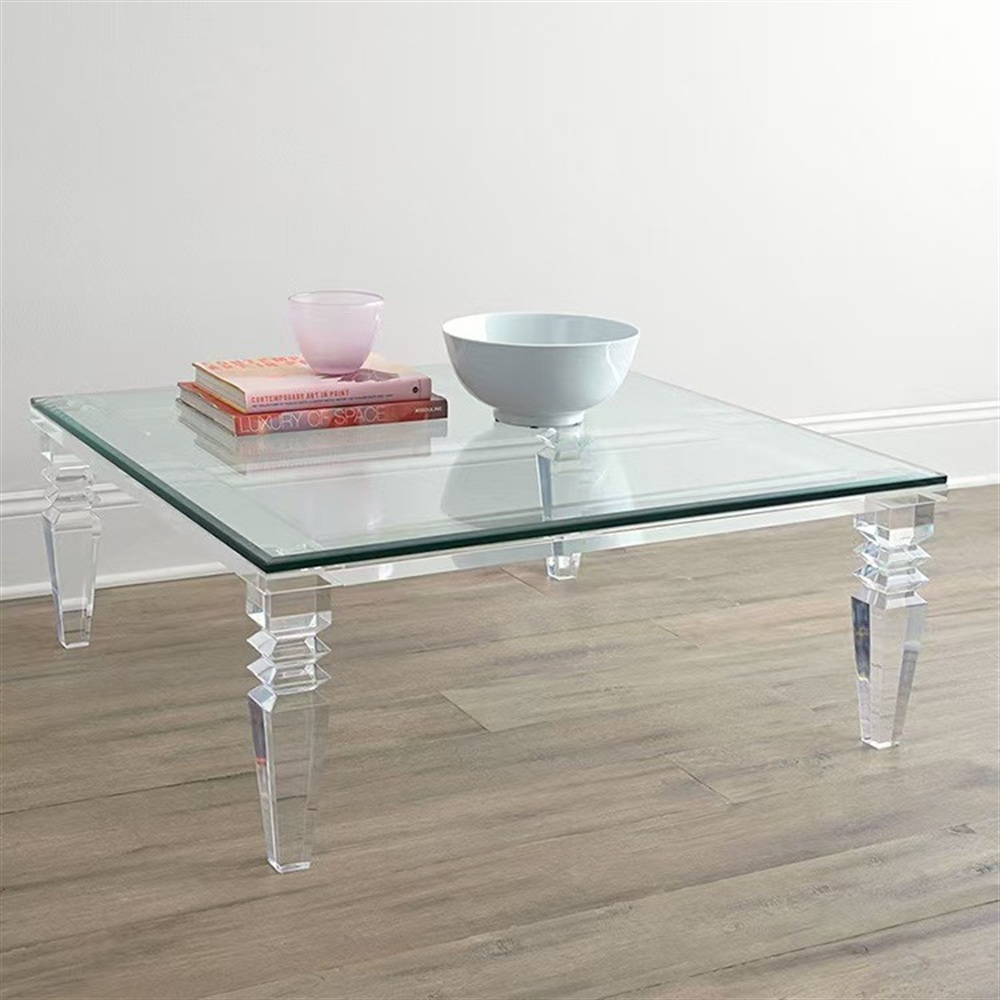
Square Acrylic Coffee Tables
Square acrylic coffee tables suit balanced seating layouts and modular room plans. We control side length, usable surface, corner treatment, support geometry, and SKU identity.
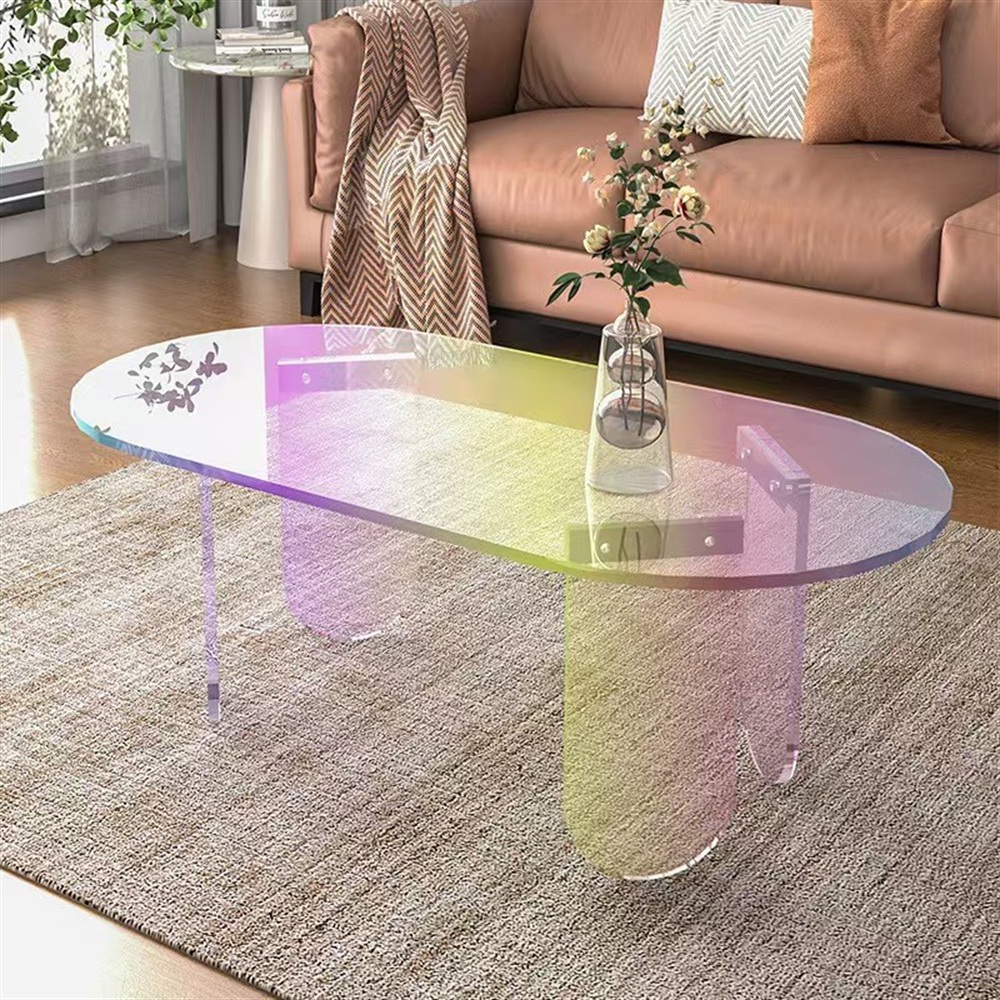
Oval Acrylic Coffee Tables
Oval acrylic coffee tables combine a longer usable surface with softer circulation ends. Your drawing locks the long axis, short axis, height, supports, edge profile, and orientation.
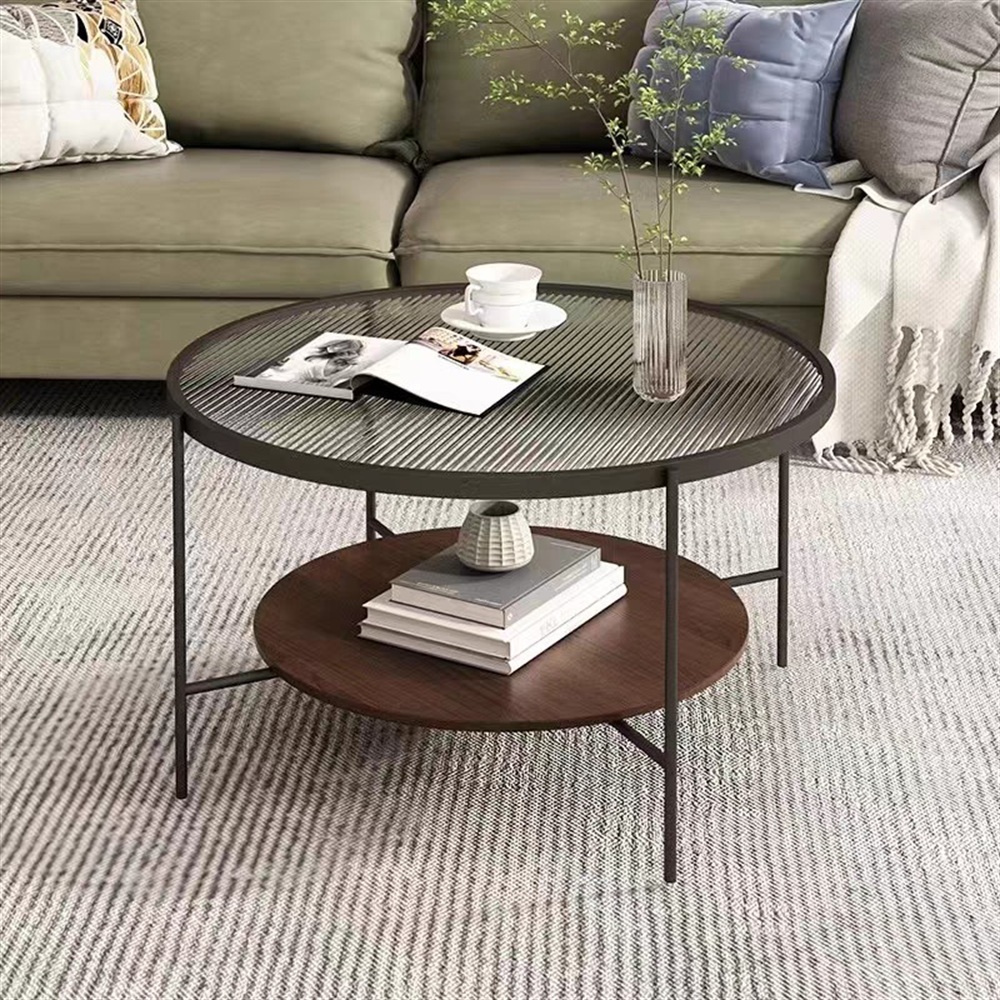
Small Acrylic Coffee Tables
Small acrylic coffee tables serve compact seating plans or coordinated sets. We define the real footprint, usable area, intended placement, version code, and pack rather than relying on the word small.
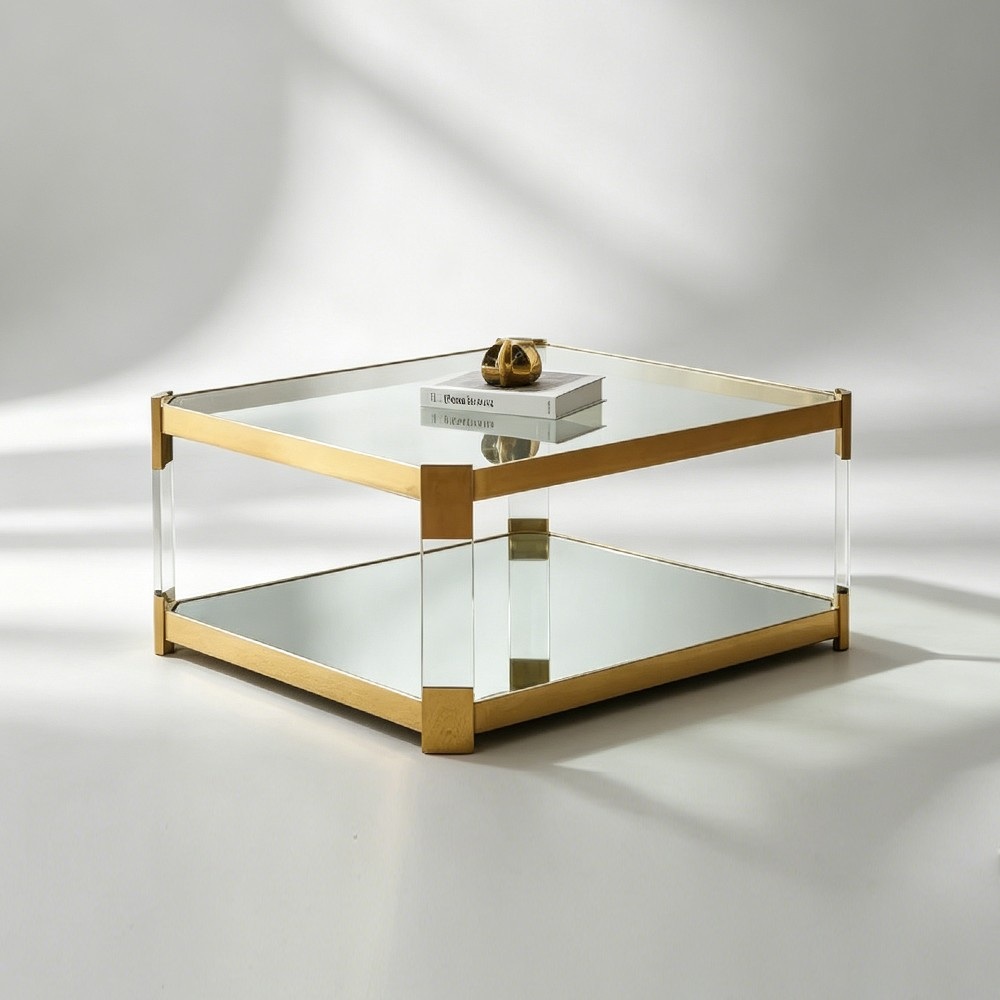
Rectangular Acrylic Coffee Tables
Rectangular acrylic coffee tables work across longer sofas and multi-seat layouts. We evaluate length, width, span, support locations, shelf clearance, and carton limits together.
Customization Range
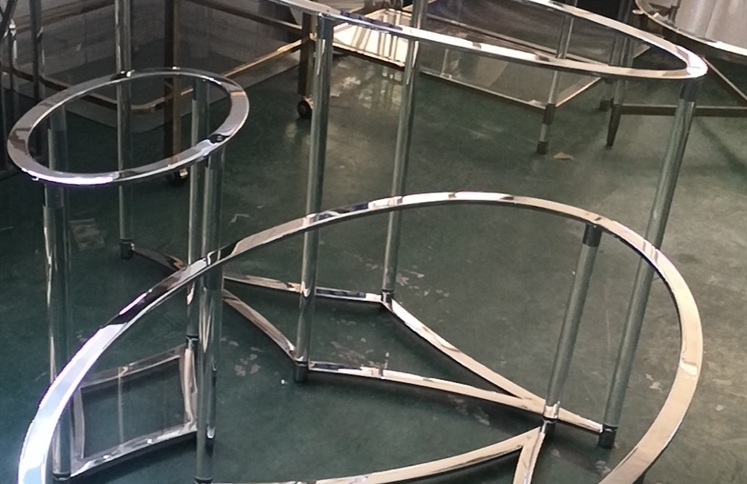
Coffee Table Size and Overall Size
We translate your drawing, reference, or seating plan into the released length, width, height, diameter or axes, usable area, shelf clearance, support positions, and packed dimensions.
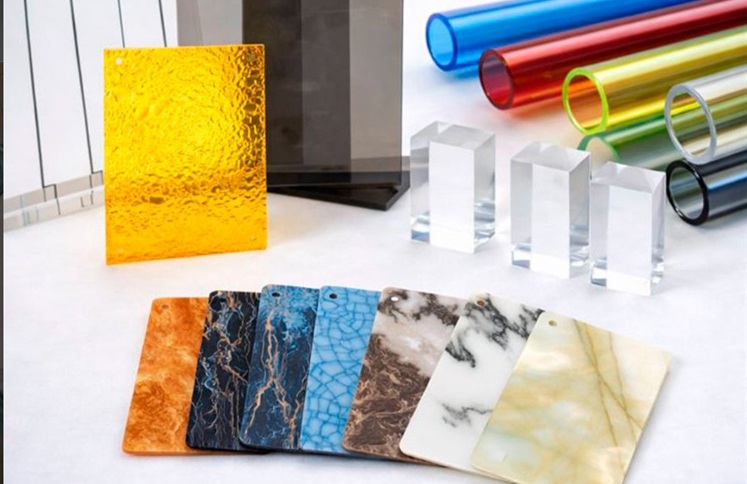
Acrylic Material Type
We record the specified acrylic grade, component thickness or section, color, transparency, surface direction, protective film, and approved physical reference by part.
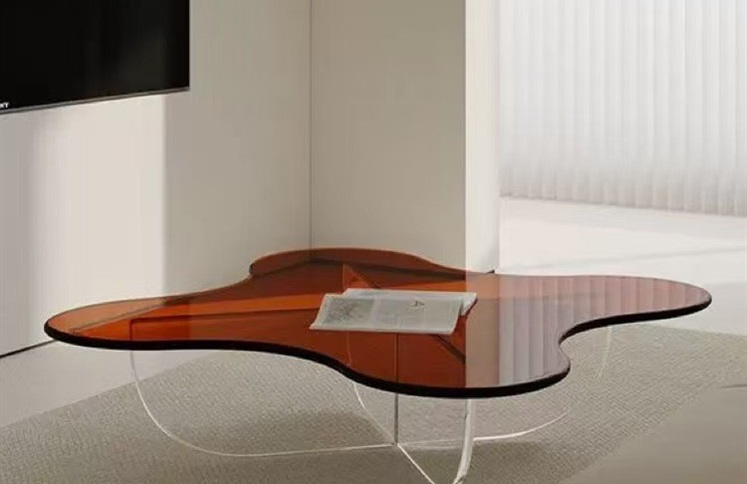
Coffee Table Structure and Use
We develop clear, round, square, oval, small, or rectangular tables with waterfall sides, panels, legs, pedestals, blocks, shelves, bases, wheels, or mixed-material parts.
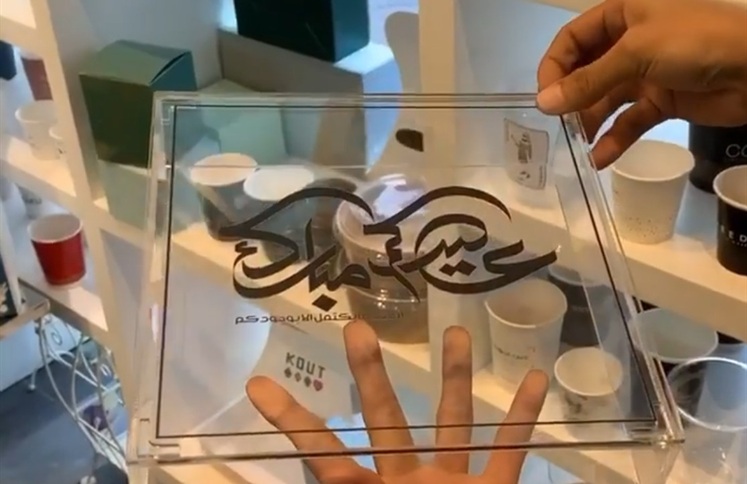
Surface Treatment
You can approve clear, smoked, tinted, frosted, printed, engraved, or custom-color surfaces against the agreed material sample, finish reference, and artwork.
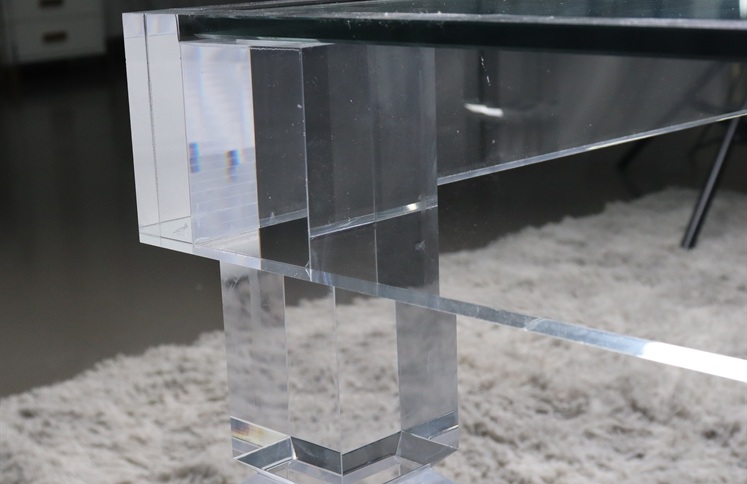
Edge and Corner Finish
We finish exposed, hand-contact, formed, shelf, and joined edges to the released profile, corner radius, polish level, and approved visual reference.
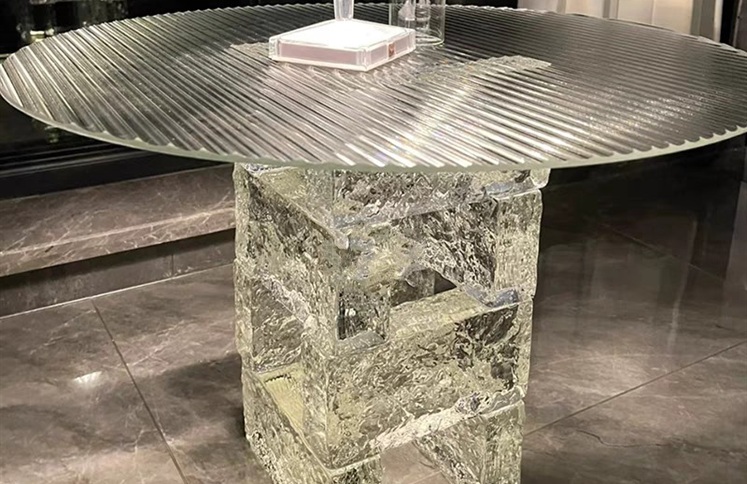
Branding and Personalization
Add printed or engraved logos, product marks, care labels, barcodes, private-label artwork, and destination identifiers using approved files and positions.
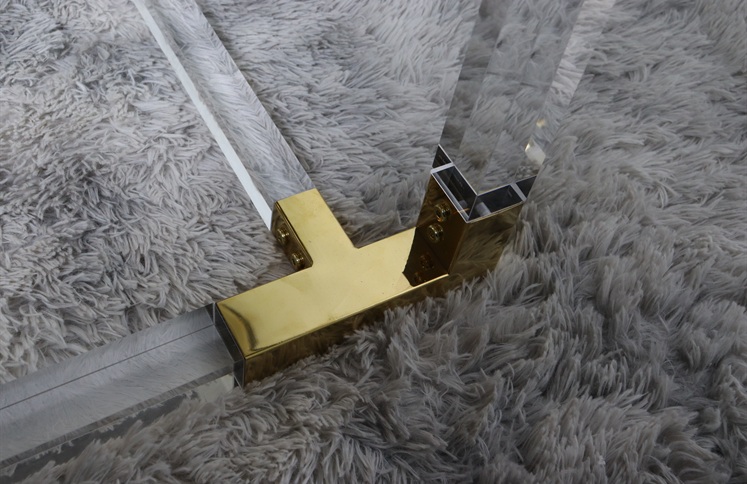
Hardware and Assembly
Your bill of materials records inserts, fasteners, glides, wheels, shelf fittings, mixed-material connectors, hardware packs, replacement codes, and the released assembly state.
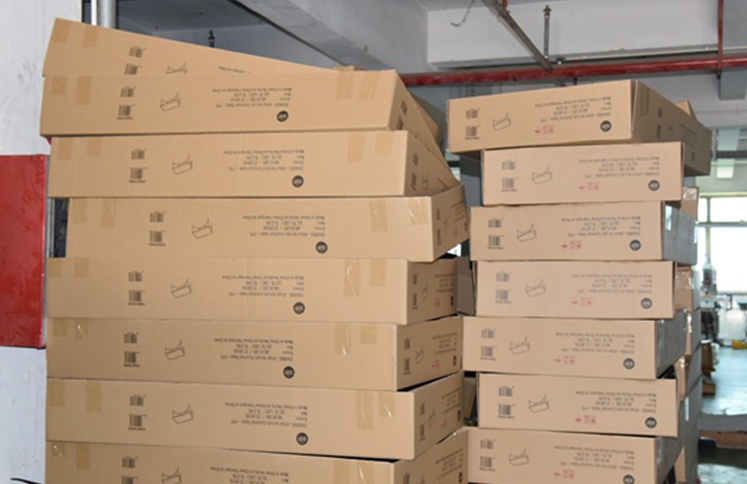
Packaging and Presentation
We evaluate assembled, knock-down, nested, single, or set packing with surface separation, component restraint, hardware identification, instructions, cartons, cases, pallets, and destination labels.
Feature Box
We Fit the Table to Your Seating Plan
For an acrylic coffee table, you only need to send a drawing or reference and tell us the intended room, seating arrangement, and sales channel. We then evaluate the footprint, height, usable surface, circulation, rug position, shelf clearance, and how the table relates to sofas and chairs. These decisions are placed in the drawing and production-intent sample, so your team reviews one defined table instead of comparing an attractive image with an unrelated room scale. The released dimensions, images, labels, and product data can then follow the same version.
We Check Span, Support, and Joints Together
An acrylic coffee table thickness value alone does not tell you how a finished table will behave. Starting from your design and use case, we review the top, unsupported span, panels or legs, bends, joints, shelves, bases, glides, wheels, hardware, floor contact, and foreseeable load positions as one structure. We turn that review into drawing details, sample checks, and project-specific acceptance points. If formal evidence is requested, the released configuration and test brief go to a professional third-party laboratory; an internal factory check is not presented as an independent report.
We Compare Assembled and Knock-Down Packing Before Release
Large clear surfaces can lose margin through scratches, oversized cartons, loose hardware, or difficult installation. We review the actual table geometry, destination, receiving method, surface contact points, component restraint, instructions, labels, carton limits, and replacement needs. Your team receives a clear comparison of the assembled, knock-down, or nesting option used for quotation and sample approval. The selected packing state is then linked to the SKU, bill of materials, packing list, and carton record, helping purchasing compare freight, handling, assembly, damage, and replenishment exposure alongside unit price.
Manufacturing Process
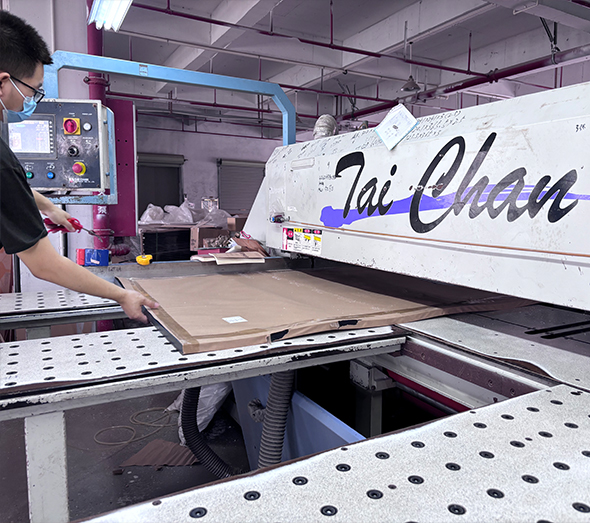
Electronic Saw Cutting
Your tops, sides, legs, shelves, bases, supports, fixtures, and packing blanks are cut to the released production dimensions.
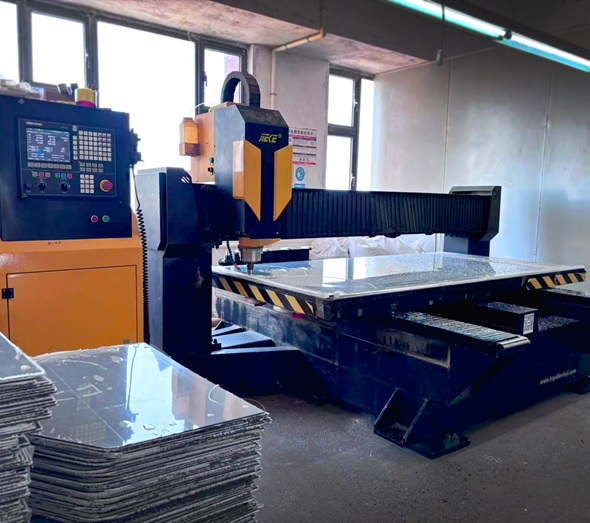
Cutting and CNC Machining
Your profiles, holes, slots, inserts, wheel mounts, shelf fittings, hardware positions, and checking references follow the approved production file.
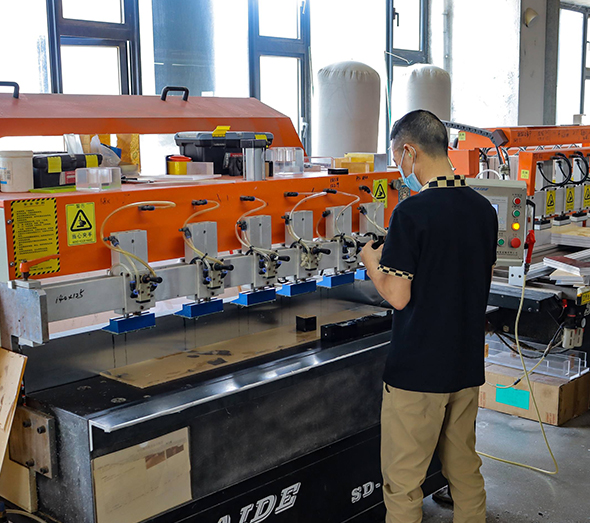
Edge Polishing and Forming
Your exposed, hand-contact, tabletop, shelf, formed, and joined edges are ground, polished, and shaped to the released profile and finish reference.
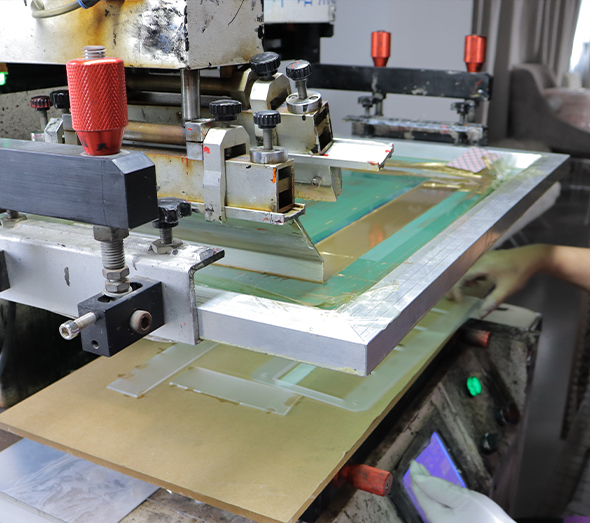
Printing and Engraving
Your logos, care labels, barcodes, model marks, and destination identifiers follow the approved artwork, color, reading direction, and position.
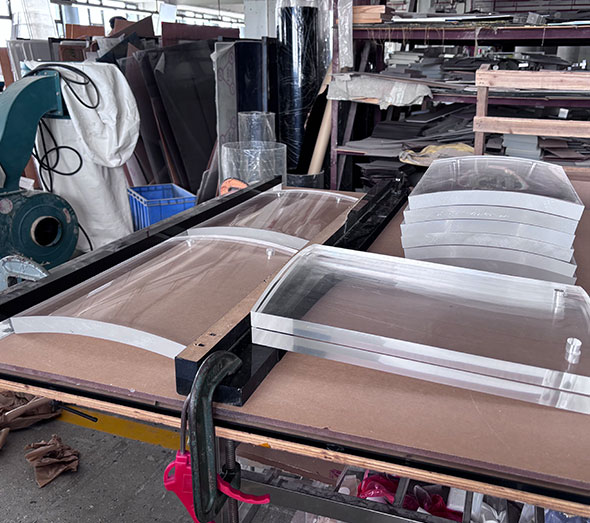
Hot bending
Your waterfall sides, returns, bases, shelves, and formed supports follow the approved angle, radius, direction, and checking fixture.
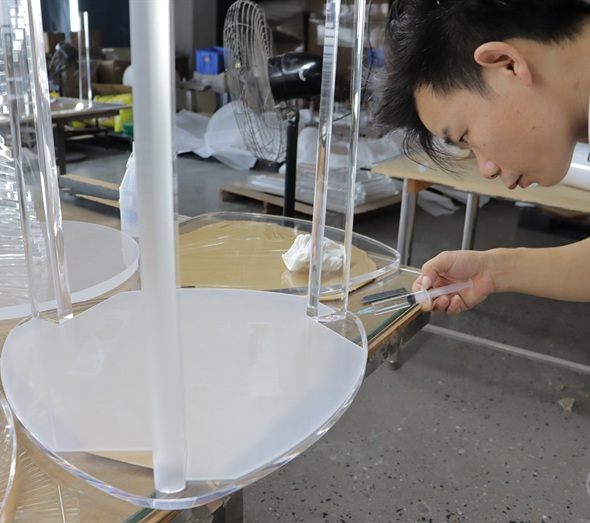
Bonding
Your tops, panels, legs, shelves, supports, bases, and mixed-material interfaces remain aligned in fixtures while the approved joining process sets.
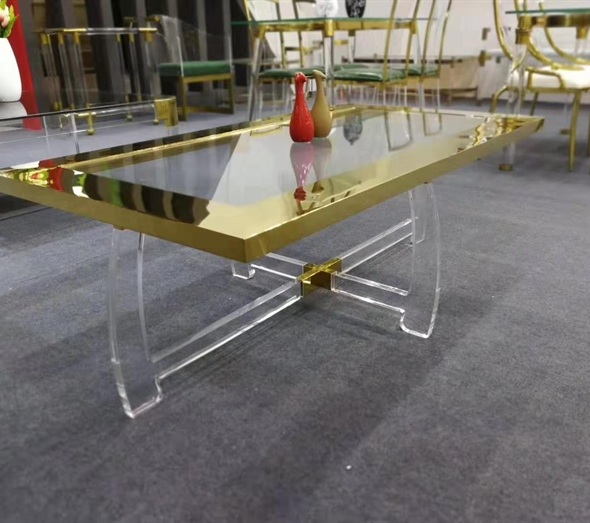
Quality Inspection
We check dimensions, surfaces, edges, bends, joints, supports, hardware, assembly, floor contact, SKU identity, pack contents, and the released acceptance record.
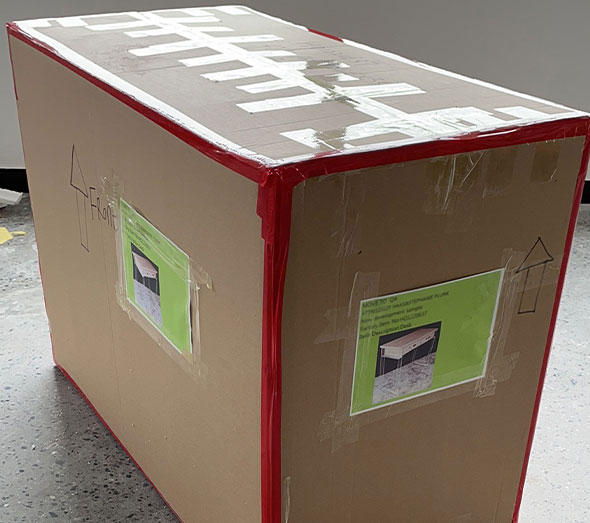
Protective Packing
Your released pack retains surface film where specified and adds separation, component restraint, hardware identification, labels, cartons, cases, or pallets.
Application
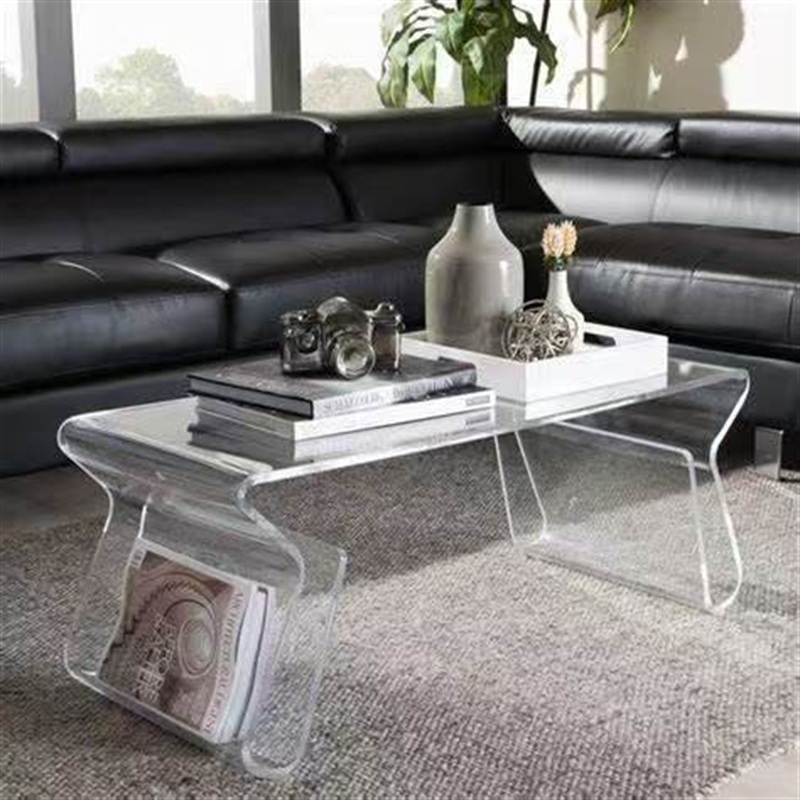
United States — April 2026: Waterfall Coffee Table Sample Kept a Level Top
Project: A United States furniture brand ordered one-piece clear acrylic waterfall coffee tables in April 2026. Each table measured 1,100 × 600 × 400 mm.
Client’s Concern: Uneven bends could leave the top sloping or the legs nonparallel, making the table visibly different from the sample and difficult to sell.
Solution: We formed the 20 mm acrylic on a fixed bend gauge, checked height at five points, polished the visible edges, and protected the complete table with film, corner blocks, and rigid packing.
Result: The approved sample met the recorded height, level, and diagonal checks, and the buyer approved its construction and packing. The order had a clear reference for preventing bend drift in bulk.
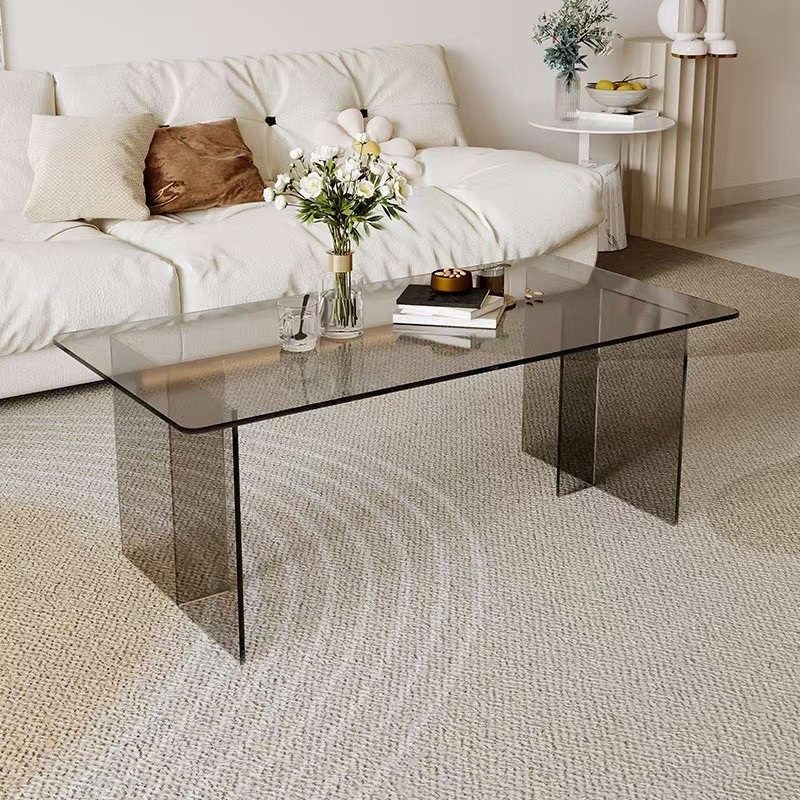
Canada — December 2025: Clear and Smoked Tables Shared One Shelf Fit
Project: A Canadian furniture distributor ordered clear and smoked rectangular acrylic coffee tables in December 2025. Both versions used the same lower-shelf structure.
Client’s Concern: A shelf that fitted one color but not the other, or a mixed carton label, would create unusable stock and slow receiving.
Solution: We used one squaring fixture and shelf-opening reference for both colors, checked clearances at each end, protected visible panels, and labeled cartons by color.
Result: Both approved samples met the same shelf and overall-fit checks, and their cartons carried the correct version codes. The distributor approved both designs without a color-specific assembly change.
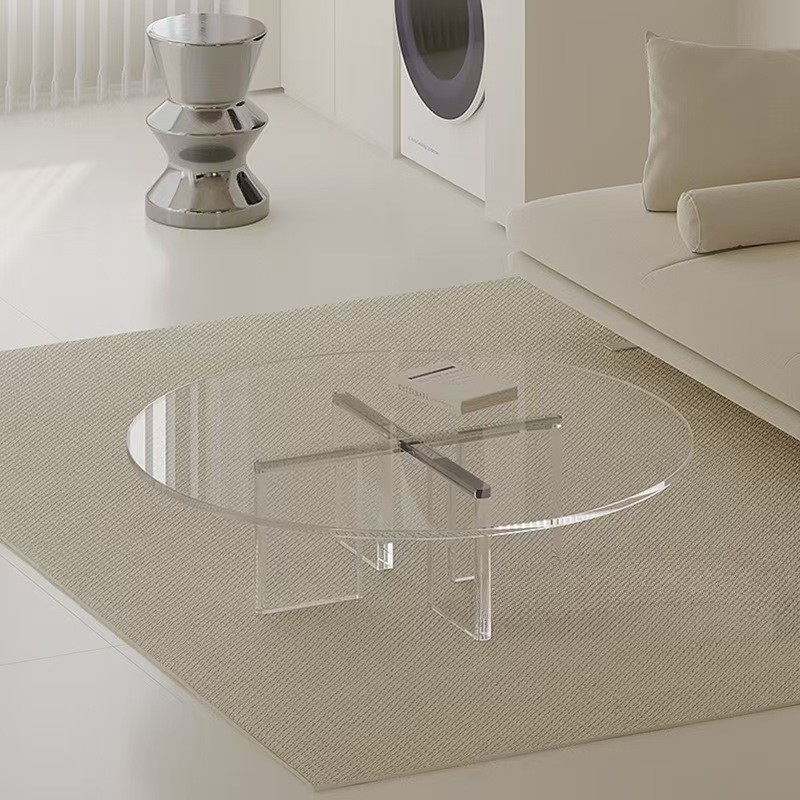
United Kingdom — October 2025: Pedestal Table Sample Assembled Without Drilling
Project: A United Kingdom hospitality furniture buyer ordered round pedestal acrylic coffee tables in October 2025. Each had a clear top, tube pedestal, and circular base.
Client’s Concern: An off-center pedestal or mismatched bolt holes could delay hotel assembly and leave tables looking uneven.
Solution: We used matching adapter plates and a fixed four-point connection at both ends, protected the top and base separately, and included an identified hardware bag and assembly instructions.
Result: The checked table met its recorded height and centering limits, and all eight bolts fitted without rework. The buyer approved the sample and instructions for assembly.
Bulk Production Process
1. Inquiry & Quotation
Share the specifications, construction, quantity, destination, and required date. We can then confirm the quotation and production schedule.
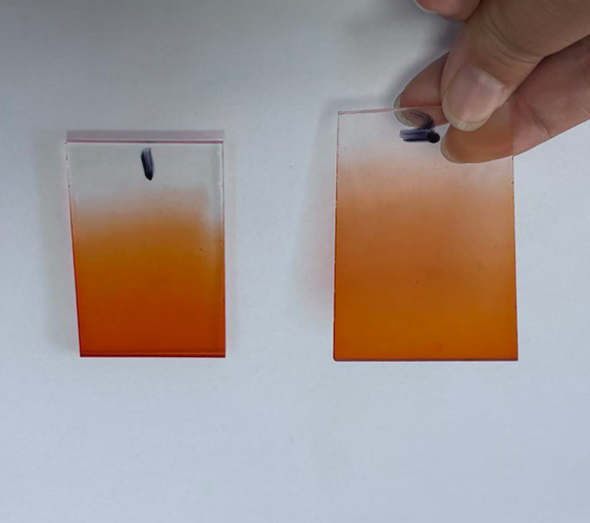
2. Solution Confirmation
We review the structure, materials, finishes, drawings, and hardware. We also confirm inspection, packing, and commercial terms before final approval.
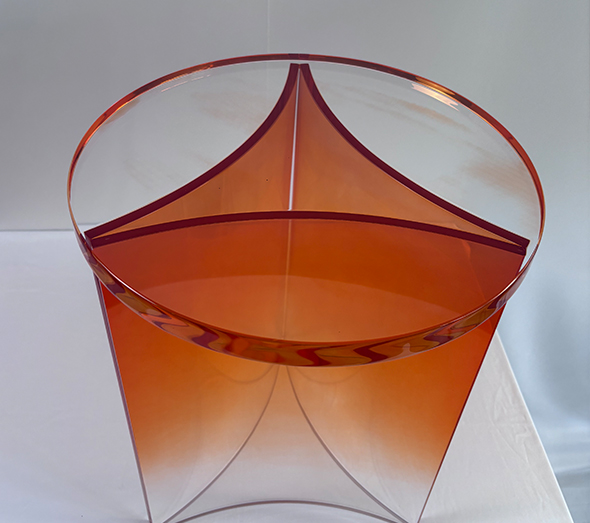
3. Sample Production
The factory produces the approved sample and sends it to your team. You can then confirm appearance, fit, function, hardware, and packing.
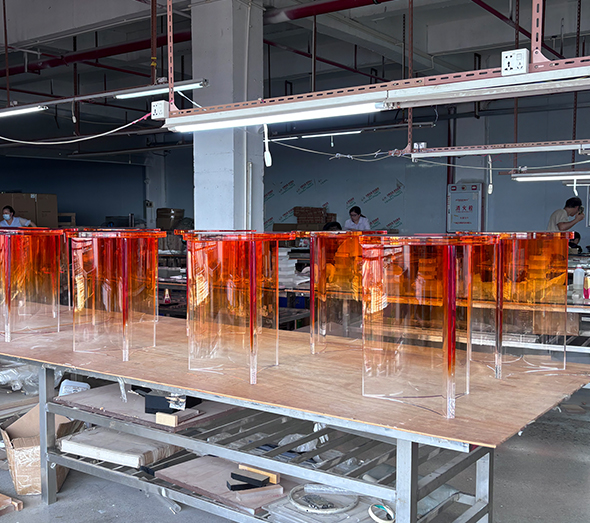
4. Mass Production
After written sample approval, mass production follows the released drawing and specification. Any requested change goes through formal revision control.
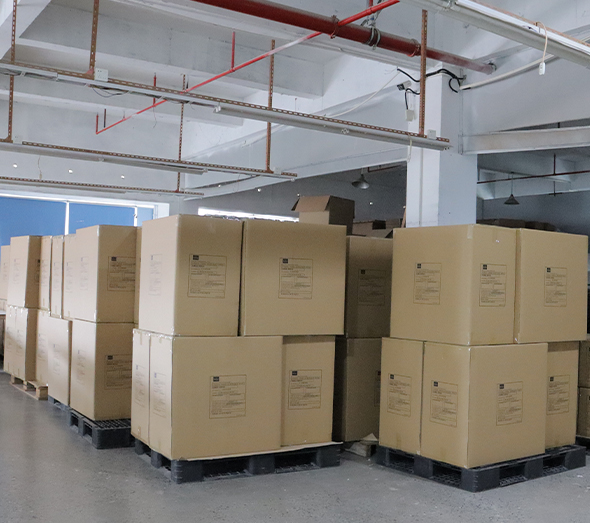
5.Products Shipment
Once production is complete and the balance is settled, we arrange the agreed shipment and provide the relevant shipping documents.
Packing Facts
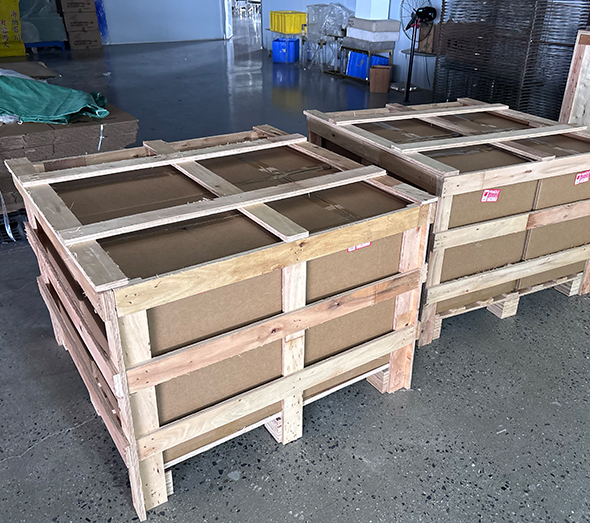
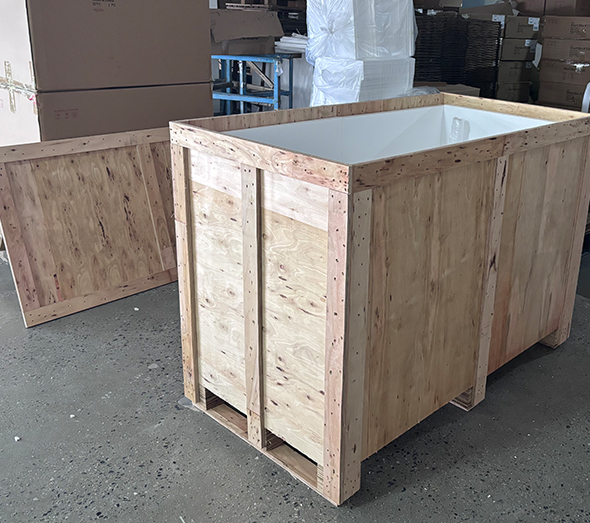
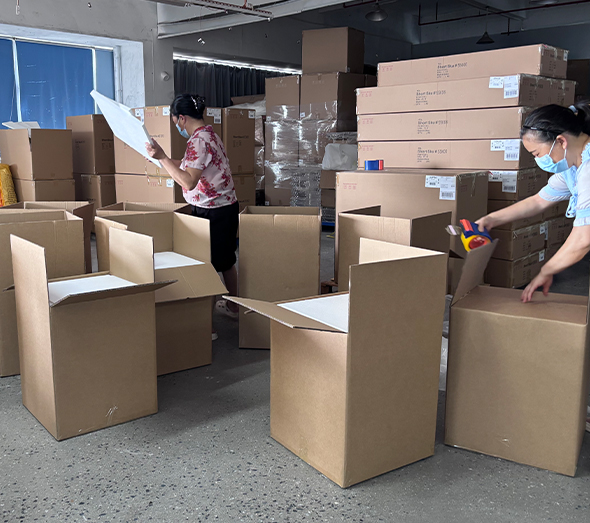
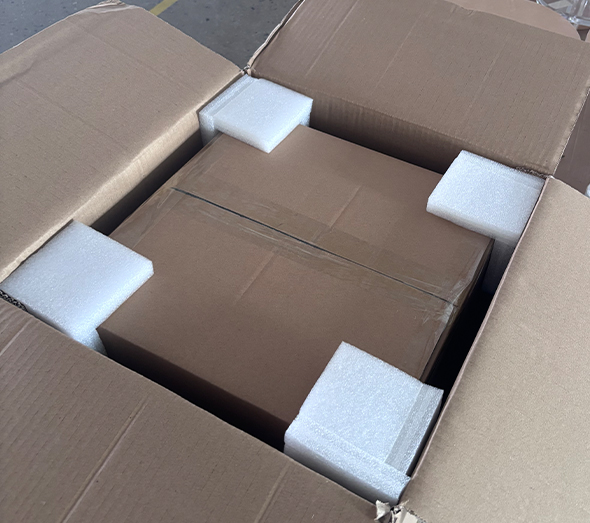
Packaging materials
Outer packaging materials:Corrugated Boxes, Honeycomb Boards, Custom Gift Boxes, Wooden box; Cushioning materials:cushioning materials, Air Pillows, EPE, Honeycomb Paper, Kraft Paper Fillers; Sealing and securing materials:BOPP Transparent Tape, Kraft paper tape, Custom Printed Tape, Stretch Film; Special protective materials:Desiccant, Anti-Static Bags……
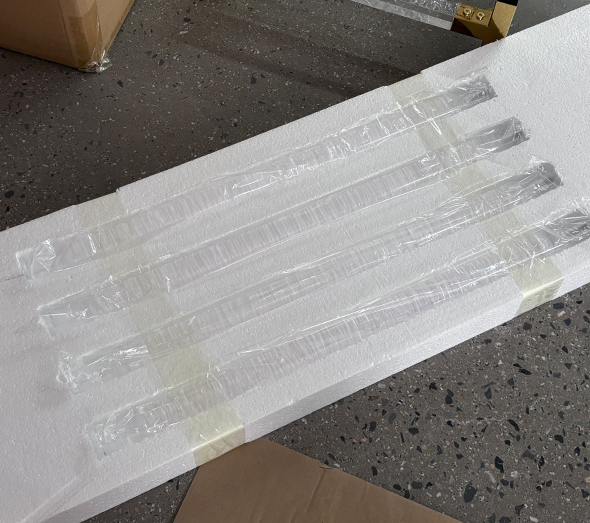
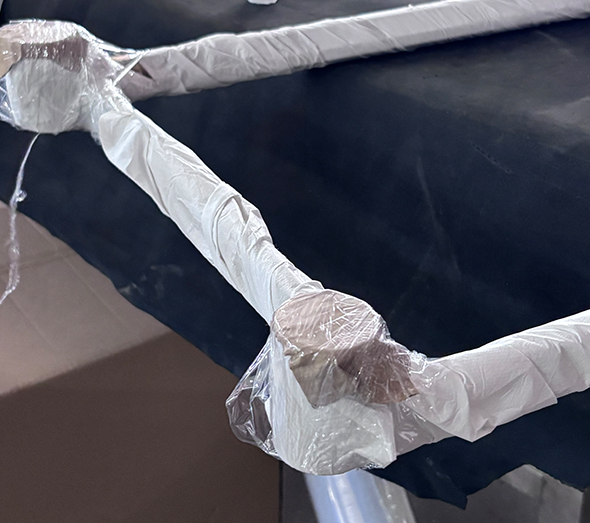
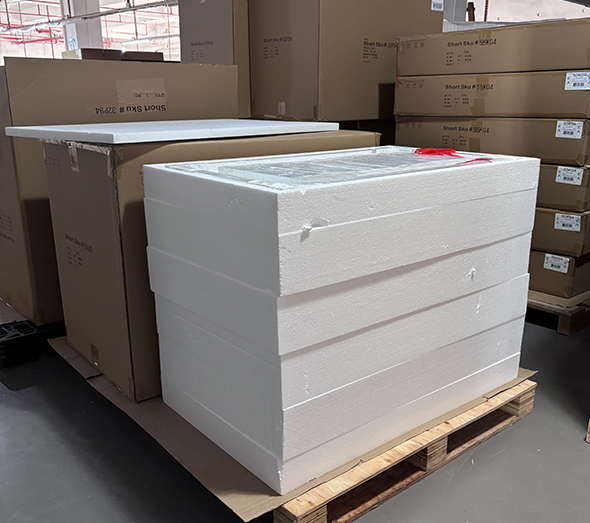
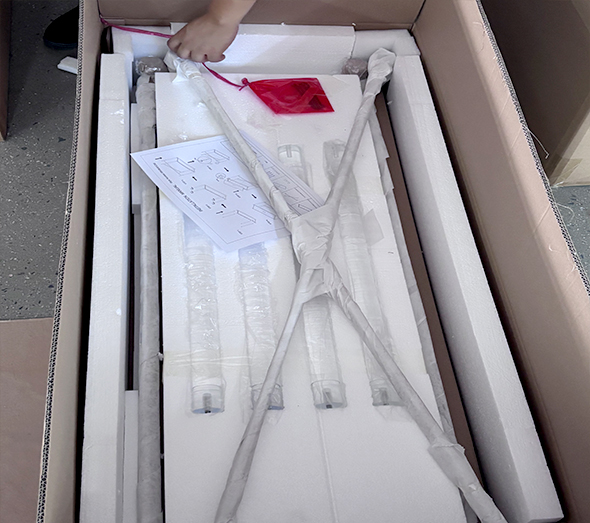
Surface and Edge Protection
A published acrylic-furniture pack uses PE film or bag, pearl-cotton or bubble separation, foam board, wooden case, and pallet to stop surface contact.
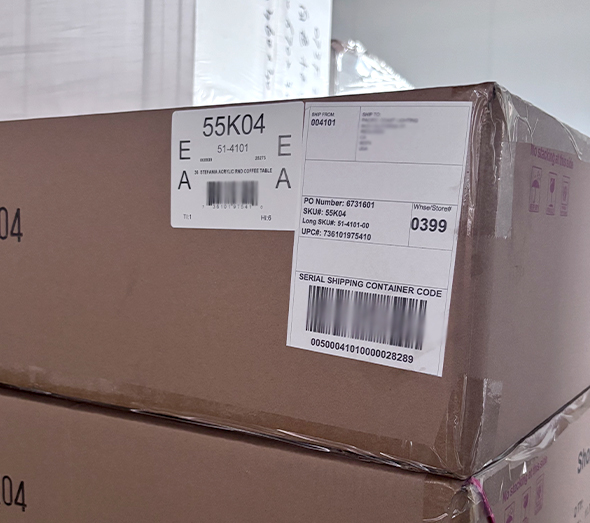
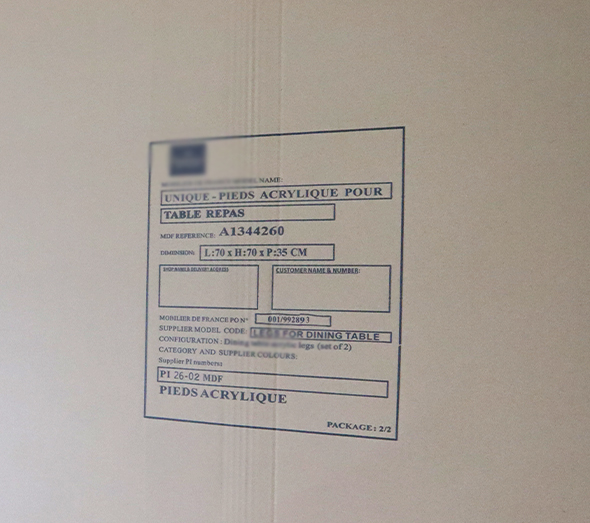
Sets and Carton Identification
Nesting sizes remain separate SKUs. Carton labels list each size, color, pieces per set, quantity, destination, store, room, or project zone.
FAQ
Use the actual furniture plan rather than a universal proportion rule. Record sofa and chair dimensions, seat height, rug placement, circulation routes, and the objects the table must hold. Compare the table’s full footprint and usable top area with those constraints, then review the layout at scale. This helps you select a commercially useful size while avoiding a design that photographs well but blocks movement or feels poorly proportioned in the buyer’s room.
Publish the overall length, width, height, diameter or long-and-short axes, plus usable surface area, lower-shelf clearance, materials by component, and exactly what is included. Use images whose room scale matches those figures, and keep the same specification across your website, marketplace feed, carton label, and instructions. Clear information helps customers distinguish a central coffee table from a side or end table and reduces expectation-driven returns.
Define the actual lounge conditions: seating arrangement, guest traffic, cleaning routine, flooring, items placed on the table, and how staff will move it. Translate those conditions into project-specific checks for dimensions, stability, load distribution, edges, joints, finish, and any shelf or base. Review a production-intent sample against agreed acceptance criteria. A residential product image or generic material description alone should not support a hospitality-use claim.
Create a load map instead of relying on one maximum-weight figure. Identify the normal objects, concentrated loads, edge loads, off-center use, support span, floor condition, and foreseeable handling. Then agree which deflection, joint, tipping, repeated-use, and recovery checks apply to the released design. This gives your quality team a meaningful acceptance basis and prevents a material thickness or isolated test result from being treated as proof for every table configuration.
Start with a small set of approved structures, then add sizes, colors, shelves, bases, or wheels only where channel demand justifies them. Build a SKU matrix showing shared and version-specific components, forecast each combination separately, and define discontinuation and replacement rules before launch. This lets you present a coherent collection while limiting slow-moving stock, warehouse mix-ups, and service problems among tables that look similar but are not interchangeable.
Base your instructions on the approved material, finish, joints, hardware, and operating environment rather than copying generic acrylic advice. Specify handling methods, cleaning tools, compatible products, spill response, inspection points, and storage conditions, with exclusions supported by supplier or project evidence. Give retailers, hotel operators, and service teams the same controlled version. Consistent guidance protects presentation quality, reduces avoidable damage, and improves the evidence available when you assess a complaint.
Define when each film or temporary protector should be removed, which surfaces it covers, and what tools or actions must be avoided. Use clear labels and a short visual sequence so warehouse staff, installers, or consumers do not mistake film haze, trapped dust, or residual edges for product defects. Test the instructions with the intended recipient. A controlled removal process can reduce false damage claims while helping the table reach display-ready condition without unnecessary handling.
Reconfirm the released drawing, approved sample, bill of materials, dimensions, shape, color reference, finish, joints, base or shelf, hardware, labels, and inspection criteria. Link every item to a revision and require written approval before substitution. Also compare current listings and replacement needs with the original batch. This protects compatibility with existing inventory, prevents visual drift, and gives your purchasing team a reliable basis for replenishment or future line extensions.
Request a Quote for Your Side Table Project
Product Specification
Send your company details, drawing or reference, dimensions, color, intended use, quantity for each design, and destination.
Destination and Timing
Add the preferred packing method, target arrival date, and whether the order is for wholesale, private label, or an interior project.
Commercial Context
We can then review the sample and bulk quotation on the right basis.