
rectangular acrylic coffee table







Quick specifications
| Product Scope | Complete rectangular acrylic coffee table designs for low center placement, including all-acrylic forms and clearly identified glass- or wood-top combinations. |
|---|---|
| MOQ | 50–200-piece MOQs |
| Sample Timing | JFM offers 3–7-day sample production. |
| Production Lead Time | We publish 10–35-day bulk production schedules. The exact time will depend on the order quantity and the complexity of the product. |
| Size, Thickness and Load | We provide 5–100 mm acrylic processing for furniture. |
| Material and Finish | 92% light-transmission cast acrylic, available in clear, smoked grey, tea, milky white, gradient, frosted, and custom-tinted finishes. |
| Assembly and Packing | Furniture packs use a PE bag, foam separation, foam board, wooden case, and pallet. JFM records the assembly state and carton plan by SKU. |
| Shipping Terms | We supply protective packing and arrange EXW, FOB, DDU, or DDP delivery. The confirmed quotation and order record the shipping term, destination, packing scope, and planned dispatch schedule. |
A Complete Low Table, Built Around the Long Edge

A rectangular acrylic coffee table is a complete low table for the space in front of seating. Its long top, supports and any lower shelf form one finished piece. JFM can develop the dimensions, edge shape and assembly details for a furniture brand or importer. For a glass- or wood-top design, the quote identifies each material and who supplies it. A complete sample shows how the top and supports fit and how the finished table will look across a collection.
Our Products
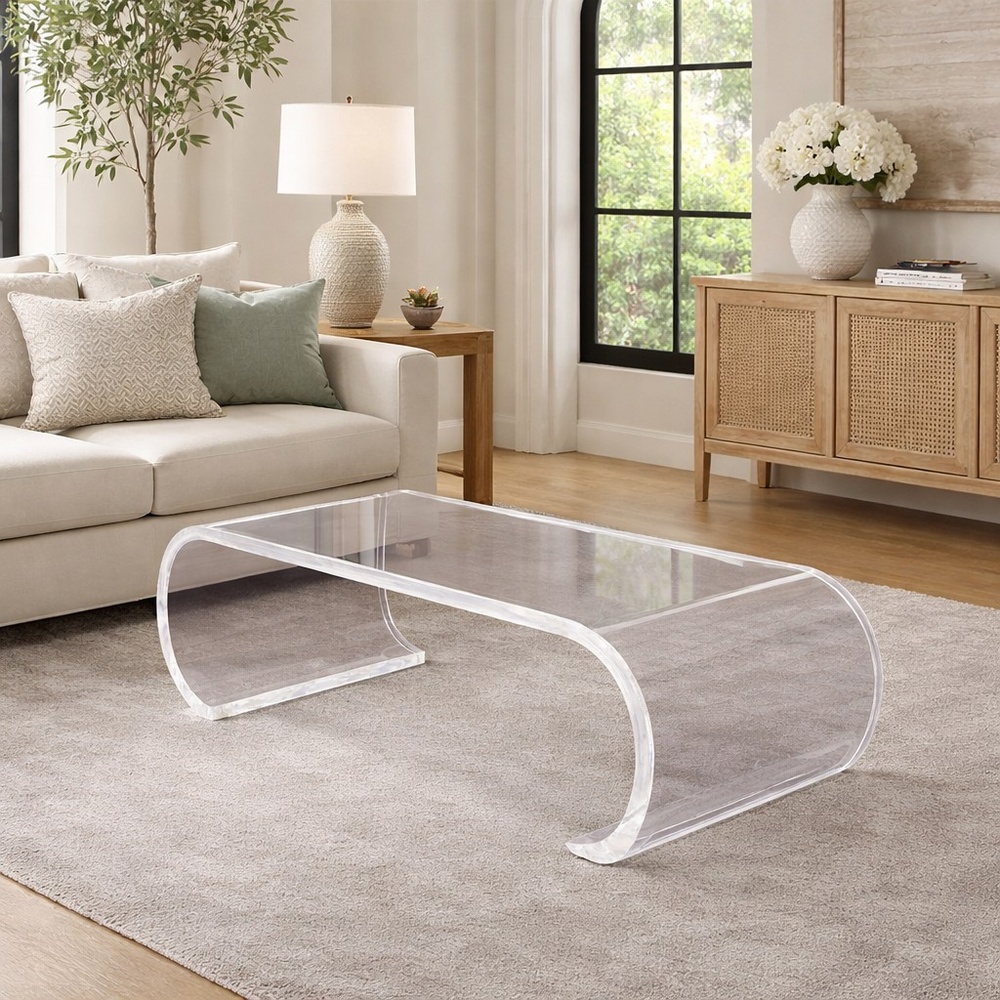
Waterfall Rectangular Acrylic Coffee Tables
One acrylic piece forms the rectangular top and bends down at both ends to make the two side supports.
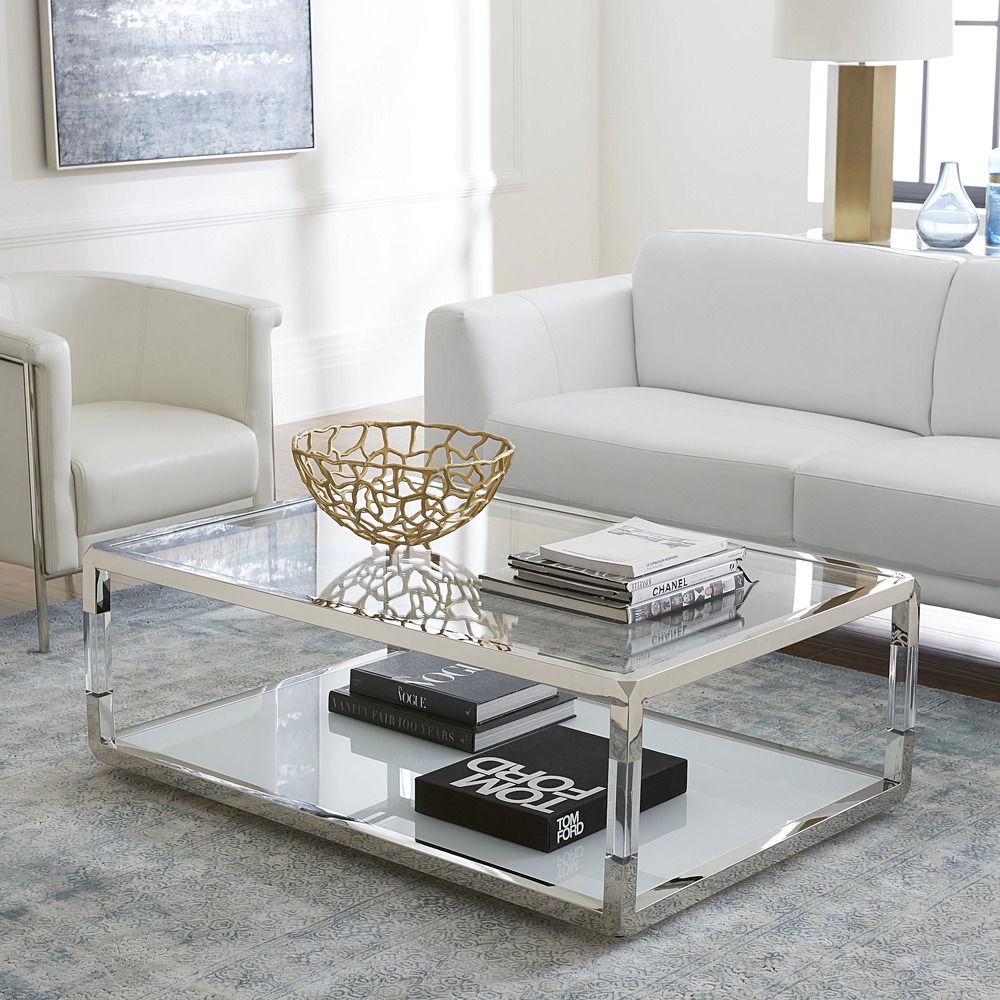
Parsons-Frame Rectangular Acrylic Coffee Tables
A thick, square-cornered acrylic frame surrounds an inset glass top on this low rectangular table.
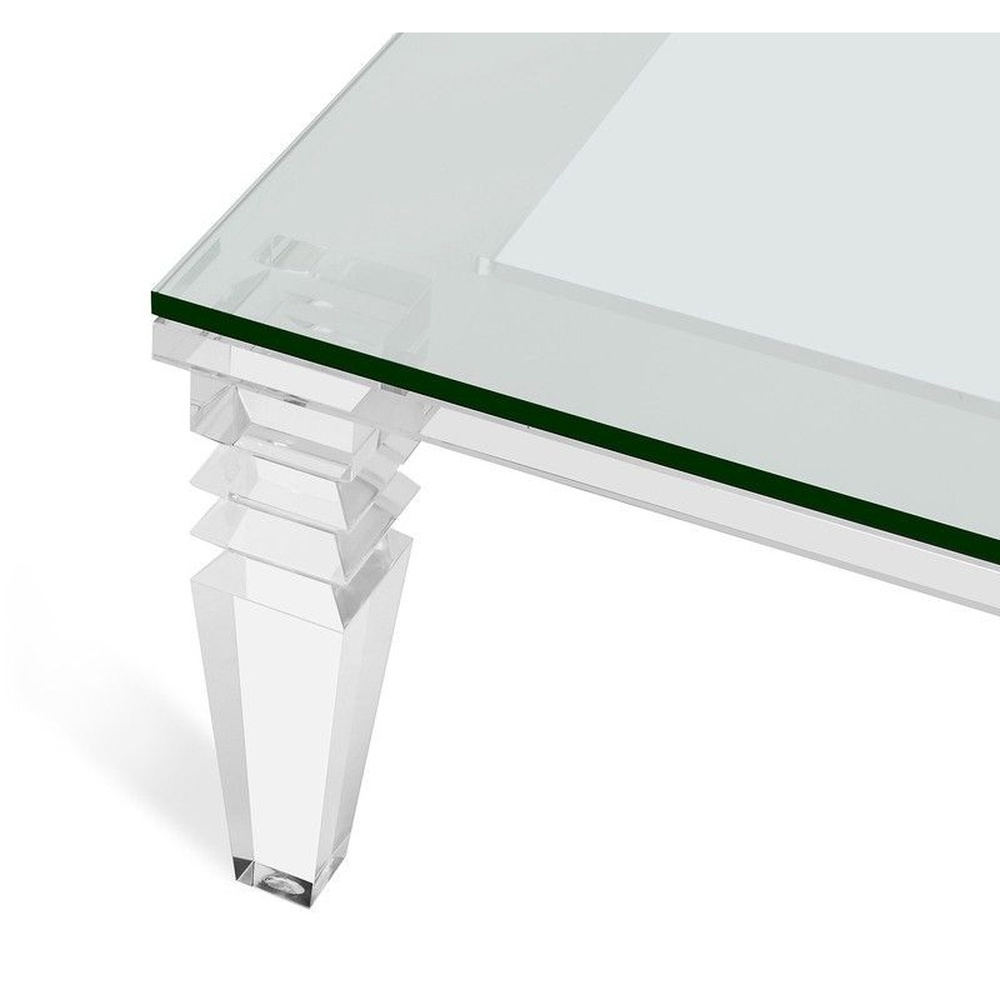
Tapered-Leg Rectangular Acrylic Coffee Tables
Four separate tapered acrylic legs support an inset rectangular glass top, leaving the space below open.
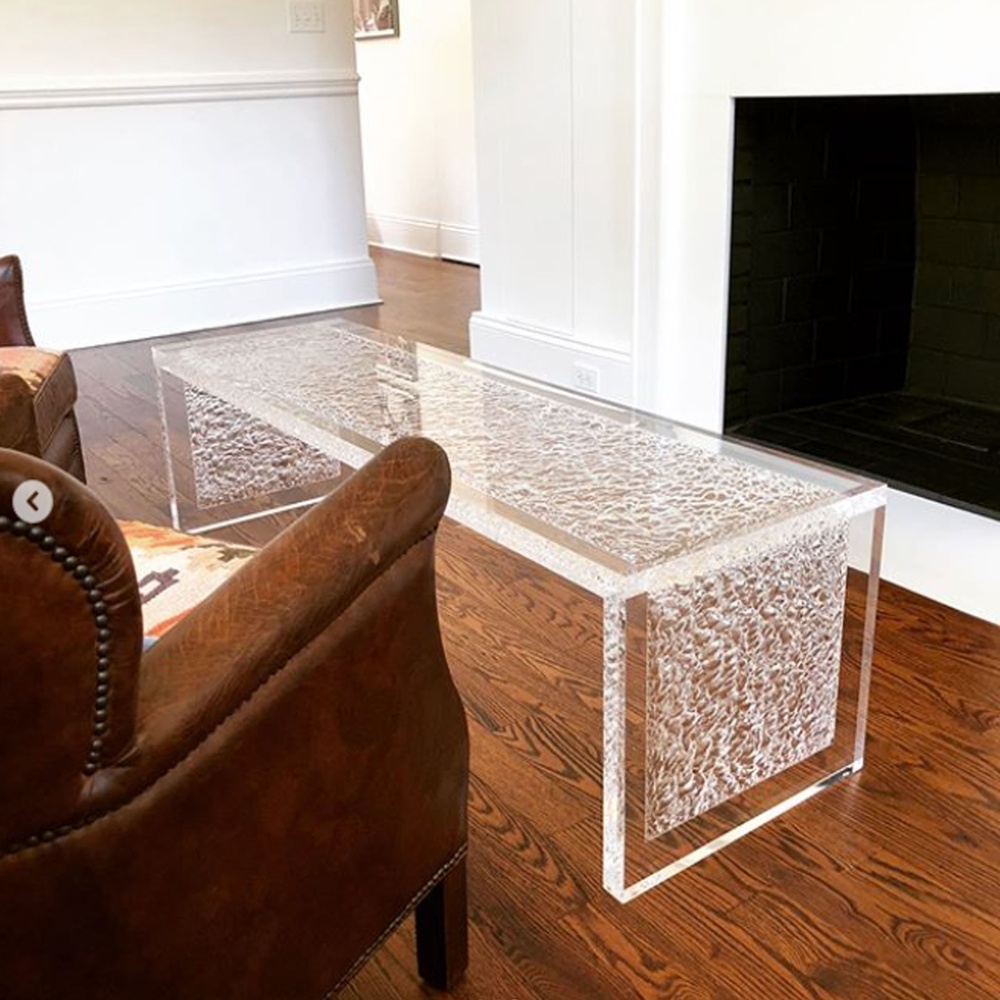
Frosted Slab Rectangular Acrylic Coffee Tables
Frosted acrylic blocks join into a low rectangular table with broad matte faces.
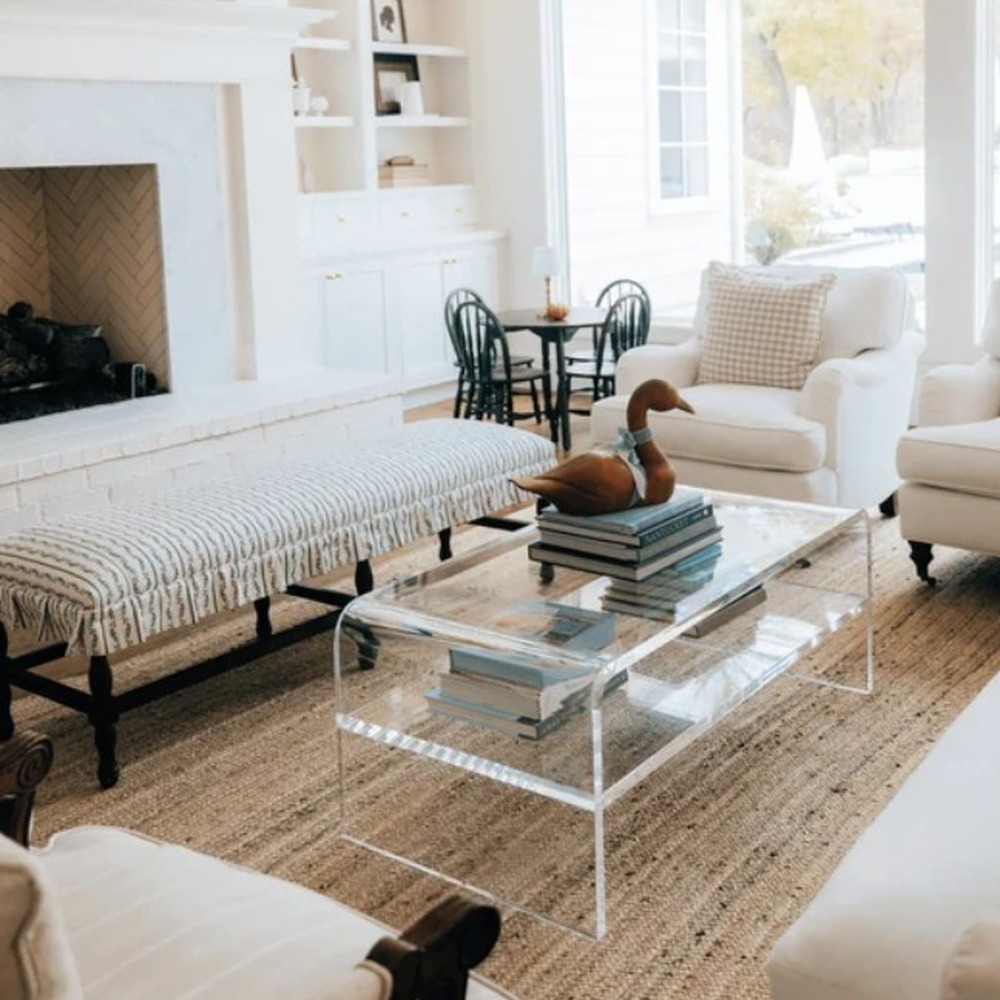
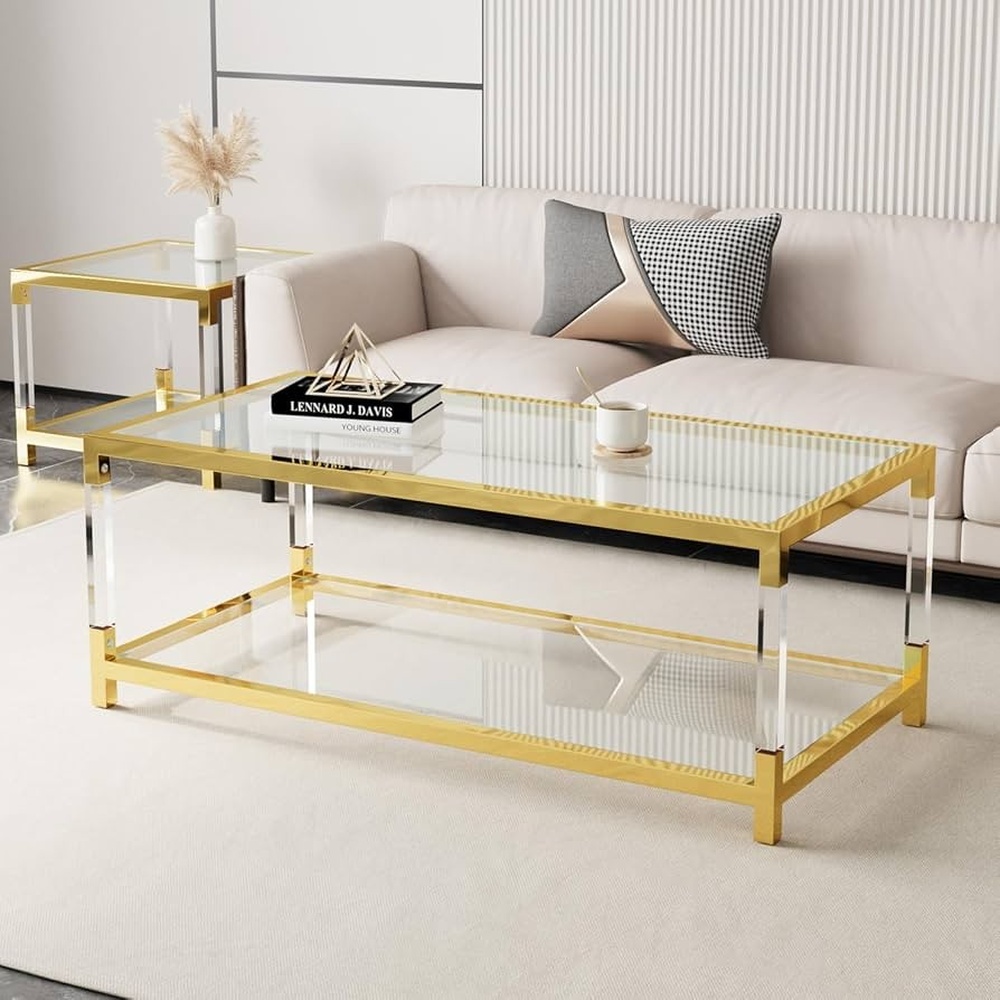
Two-Tier Rectangular Acrylic Coffee Tables
A main acrylic top and lower rectangular shelf sit on clear upright supports.

Wood-Top Rectangular Acrylic Coffee Tables
A wood top rests on two transparent acrylic leg panels, showing both materials in the finished low table.
Customization Range
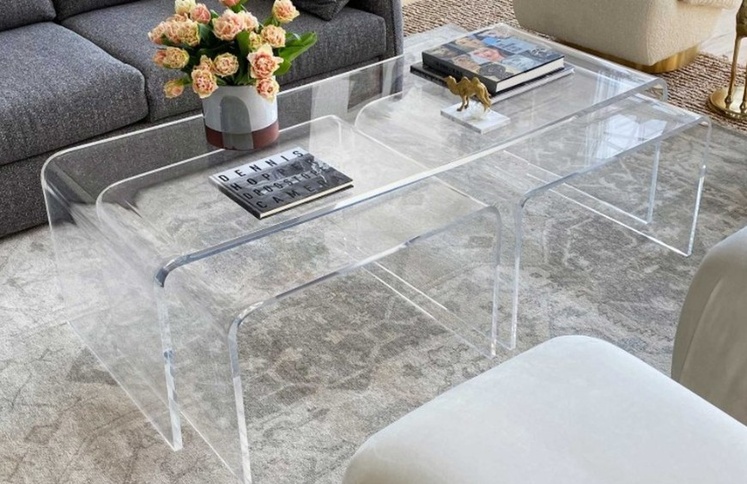
Coffee Table Size and Overall Size
We make complete low tables in the chosen length, width and height, with the top and supports proportioned to each design.

Acrylic Material Type
We offer clear or colored cast acrylic (PMMA) for suitable finished-table designs. Glass and wood tops are separate material options for selected mixed-material models.
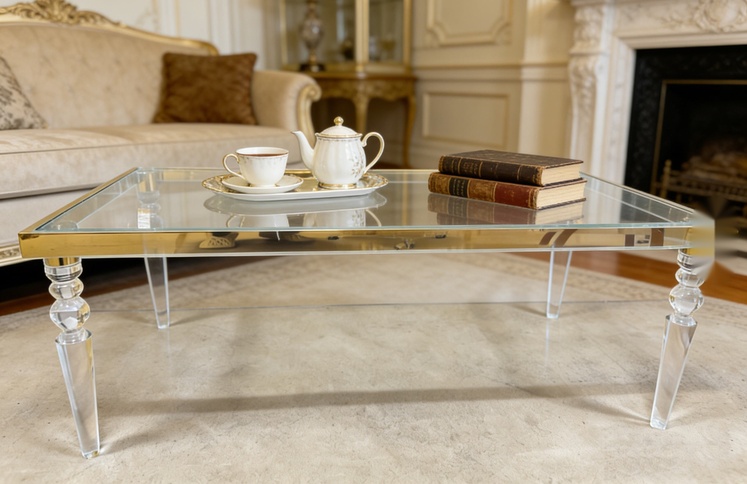
Coffee Table Structure and Use
We develop waterfall, framed, four-leg, block and two-tier low tables, matching the top and supports to each design.

Surface Treatment
We offer glossy or frosted acrylic faces and sandblasted accents where the selected design allows them.

Edge and Corner Finish
We polish long exposed edges and can soften the four corners to suit the finished table.
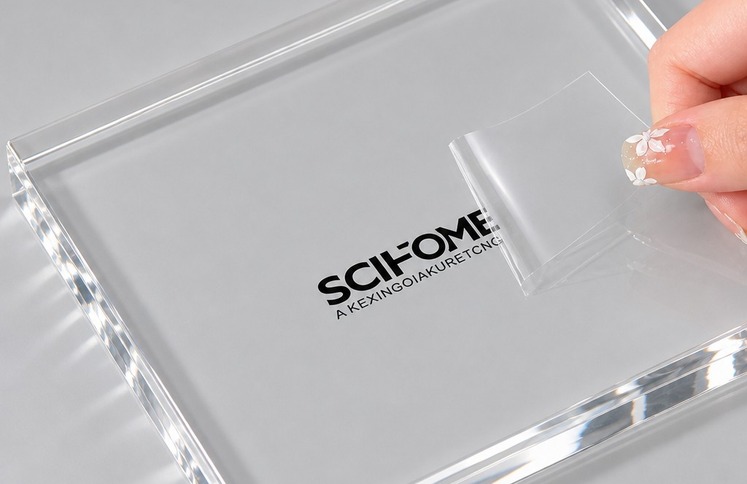
Branding and Personalization
We can screen-print, UV-print or engrave branding on suitable acrylic areas and provide matching product and carton labels.

Hardware and Assembly
We can fit connectors and feet for the selected model and supply suitable tables assembled or with a counted fitting set.
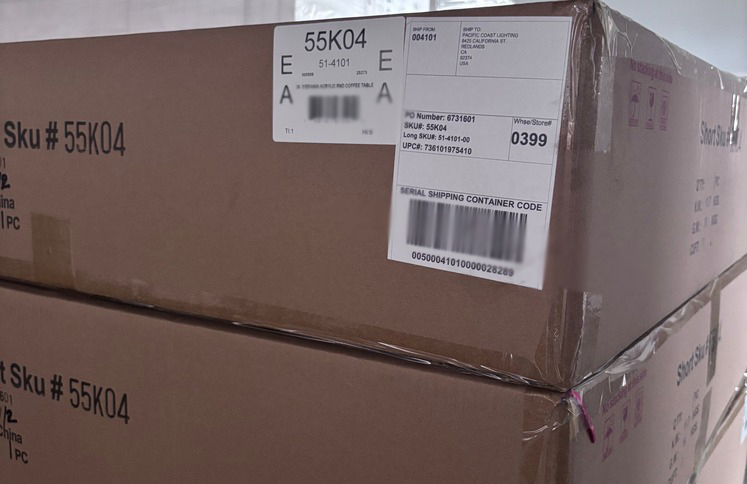
Packaging and Presentation
We offer film, nonabrasive separators and protection for long edges and corners, keeping glass, wood and loose fittings apart where included.
Feature Box
Keep Long Edges Consistent Across the Batch
Long edges, corners and support positions are easy to compare when several of these tables stand together. We use one approved complete table to check the first finished unit and later units for those visible details. On mixed-material models, we also check the glass or wood top in place. Brands and wholesalers can review a batch against the appearance they approved for their range.
Plan Around the Complete Table
A table is ready for dispatch only when its top, supports, fittings and protective pack are ready together. After the complete design is agreed, we plan the acrylic work alongside any glass, wood or hardware supply. Trial assembly shows whether the parts fit before packing begins. This gives importers a production schedule for the actual table and time to address a changed component before a launch or replenishment.
Competitive Factory Pricing
Buying directly from the factory reduces intermediary markups. We review acrylic cutting yield, edge work, support shape and assembly steps to avoid unnecessary material and labor cost while keeping the approved appearance. Suitable designs can be compared as all-acrylic or mixed-material tables, assembled or in separate parts, with protective packs sized to each option. Quantity per design, assembly state and carton volume affect the bulk quote.
Manufacturing Process
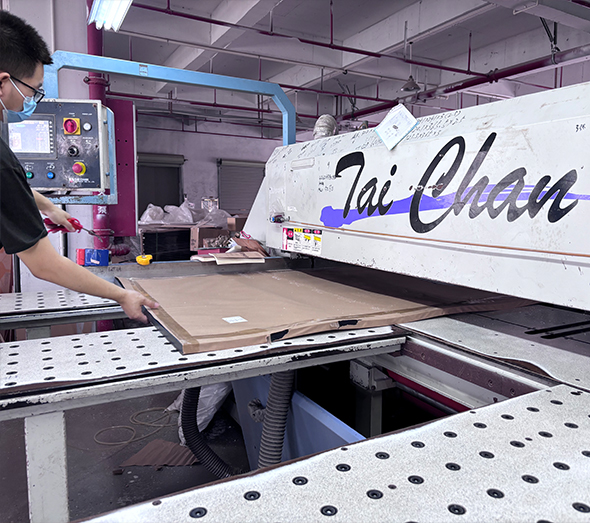
Electronic Saw Cutting
We cut the top, side, leg and optional shelf blanks to the approved design, allowing for their finished edges.

Cutting and CNC Machining
We machine the rectangular parts and connection points so the top, supports and any shelf meet in the right positions.

Edge Polishing and Forming
We polish the long visible edges and finish the four corners to match the complete sample.
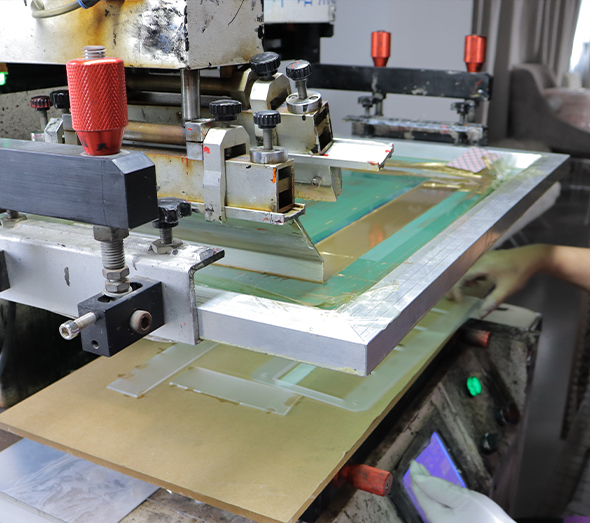
Printing and Engraving
We place approved logos or identification marks on suitable acrylic areas and check their position on the assembled table.
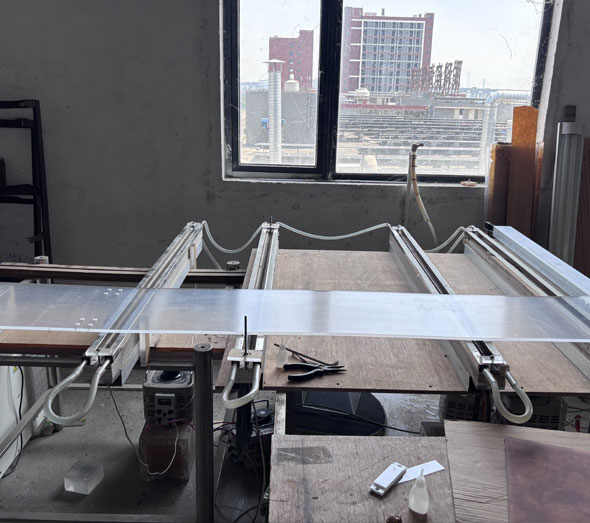
Hot bending
For a waterfall design, we heat the acrylic until it softens, form both bends in a jig and cool the piece in shape before checking its profile.
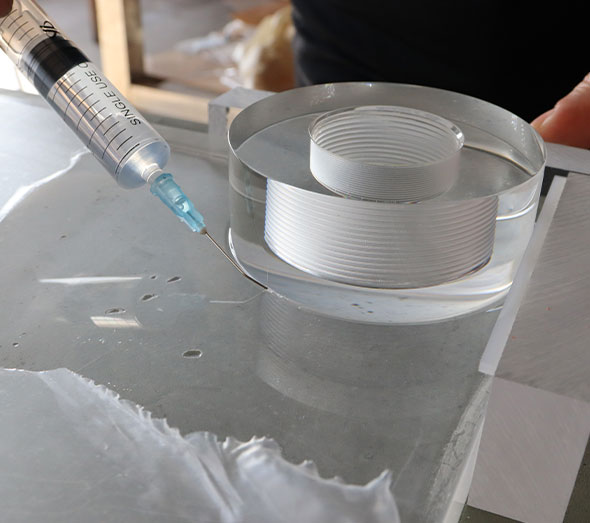
Bonding
We bond acrylic joints where the design calls for them and inspect seam appearance and top-to-support alignment.
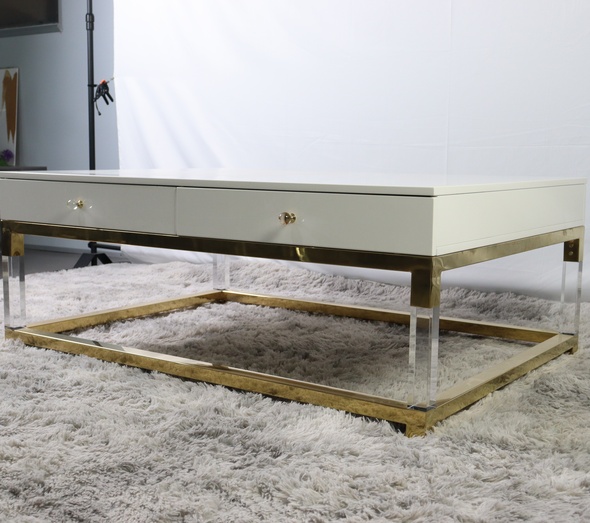
Quality Inspection
We check finished dimensions, long edges, corners, support fit and any shelf or mixed-material joint against the approved complete table.

Protective Packing
We keep polished faces apart from fittings and other materials, protect the long edges and corners, and check that each carton holds the right table parts.
Application
Glass-top table pack and price approved — United States, April 2020
Project: In April 2020, a furniture importer in the United States ordered a rectangular acrylic coffee table. The candidate complete model measured 46 × 34 × 16 in, with a 2 in acrylic frame and separate ¾ in glass top. Client’s Concern: Packing the glass with or apart from the frame would change carton size and factory cost. A mismatched quote could distort the importer’s retail price. Solution: We compared protected assembled and separate-part packs, measured their cartons and priced the complete table against each pack. Result: The pack and quote matched for the selected arrangement. The importer approved that option and placed the order on its stated basis.
Repeat-table appearance accepted — Australia, June 2024
Project: In June 2024, a furniture brand in Australia ordered another batch of rectangular acrylic coffee tables. A candidate complete two-tier model measured 42 × 20 × 16 in and used 1½ in acrylic, with clear pillars between its surfaces. Client’s Concern: Changed long edges or pillar positions could make the repeat table look different in catalog photos, forcing a reshoot or separate listing. Solution: We compared the new complete table with the retained appearance reference, corrected affected finish work and submitted it for review. Result: The visible difference was resolved for this batch. The brand accepted the table under its existing catalog presentation.

Two-tier table listing corrected — Canada, April 2026
Project: In April 2026, a furniture wholesaler in Canada ordered a rectangular acrylic coffee table with two storage levels and angled gold-tone metal legs. A candidate complete model measured 100 × 60 × 40 cm. Client’s Concern: A listing that omitted the lower level or misstated the assembled size could lead to returns and service requests. Solution: We compared the finished table and its pack with the model drawing, then corrected the dimensions, two-tier description, metal-leg detail and carton fields. Result: The listing discrepancy was resolved for this model. The wholesaler acknowledged the corrections and replaced its inaccurate sales description.
Bulk Production Process
1. Inquiry & Quotation
Consult customer service to confirm product specifications, craftsmanship, and quantity, then finalize the quotation and lead time.
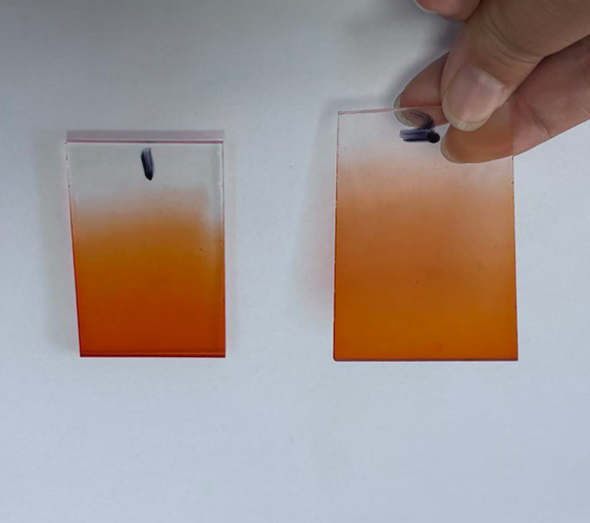
2. Solution Confirmation
Formulate the solution, design the drawings, and confirm the final version.
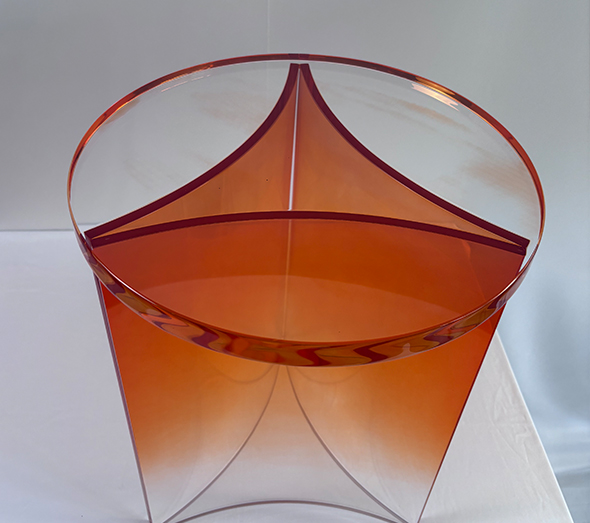
3. Sample Production
The factory designs and produces samples, then sends them to the buyer for confirmation.
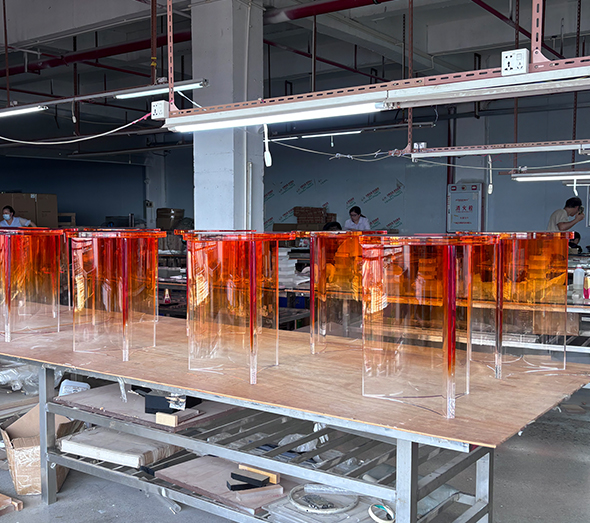
4. Mass Production
The factory starts mass production in accordance with the confirmed samples. No modifications are allowed during production.
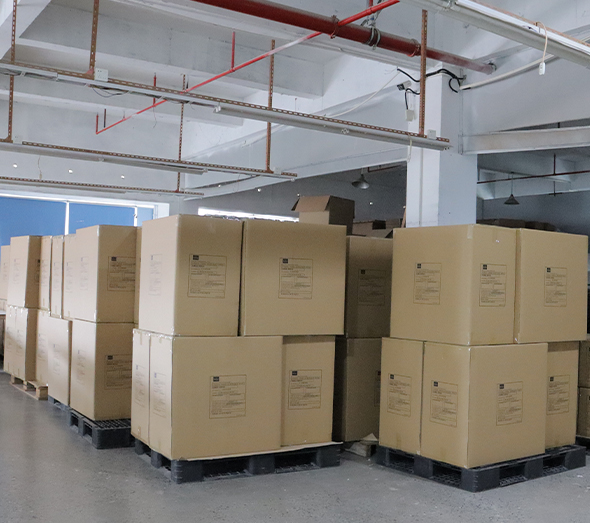
5.Products Shipment
Once production is completed, safe shipment will be arranged after the balance payment is settled.
Packing Facts
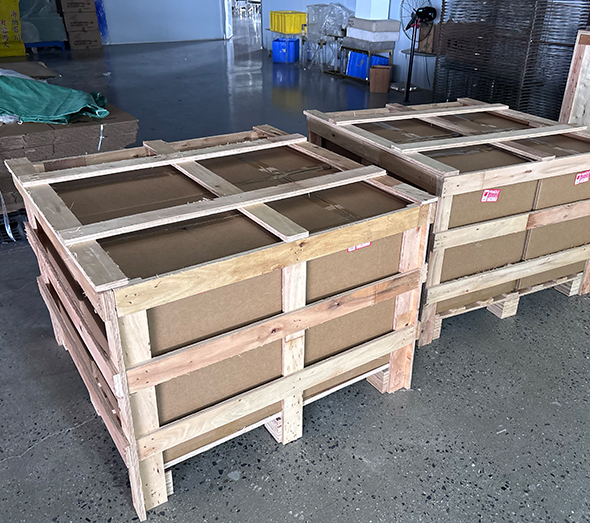
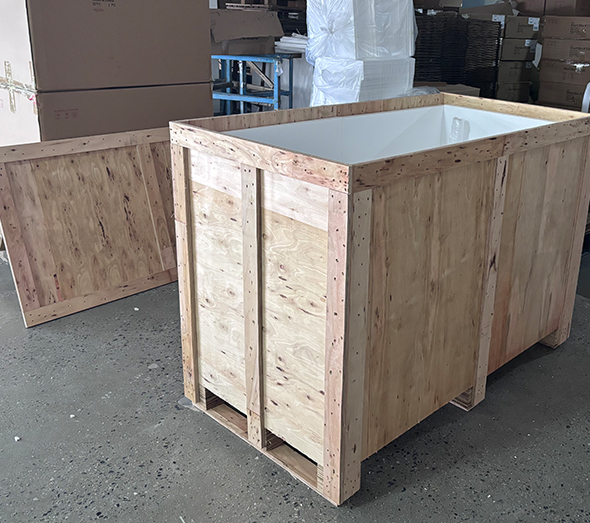
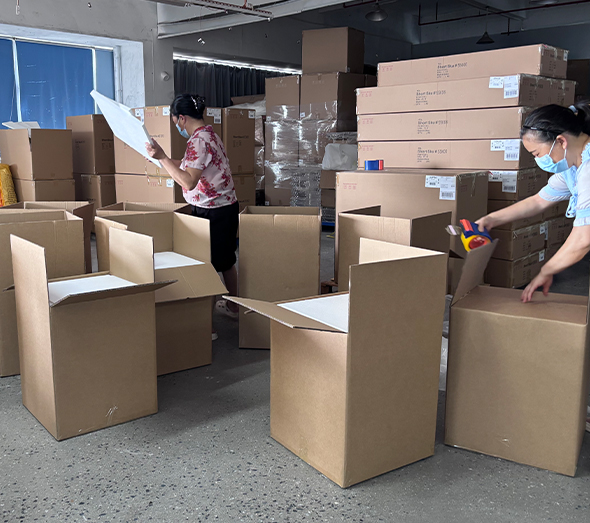
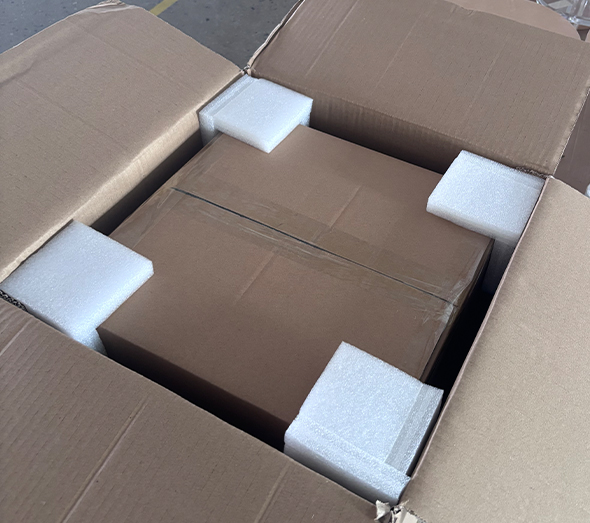
Packaging materials
Outer packaging materials:Corrugated Boxes, Honeycomb Boards, Custom Gift Boxes, Wooden box; Cushioning materials:cushioning materials, Air Pillows, EPE, Honeycomb Paper, Kraft Paper Fillers; Sealing and securing materials:BOPP Transparent Tape, Kraft paper tape, Custom Printed Tape, Stretch Film; Special protective materials:Desiccant, Anti-Static Bags……
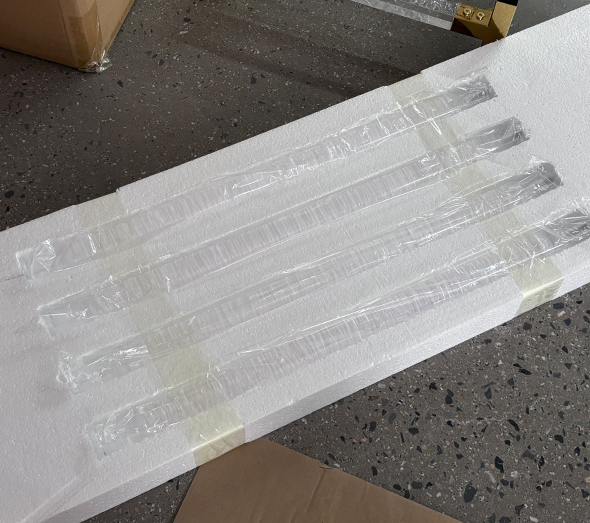
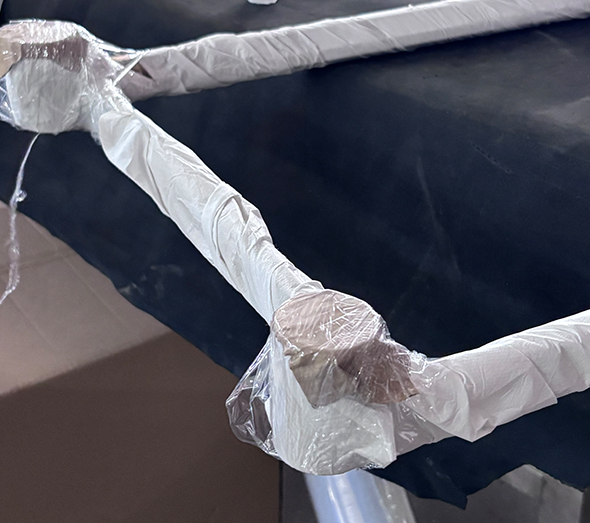
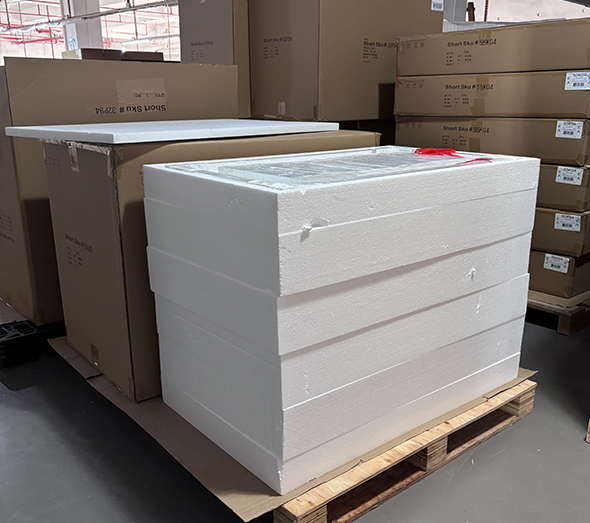
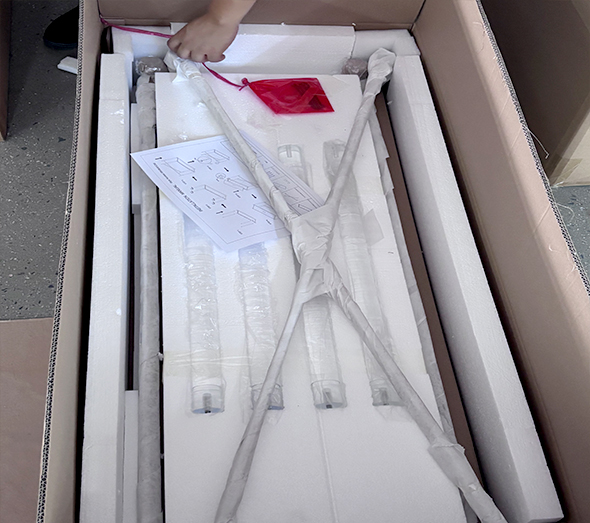
Surface and Edge Protection
A published acrylic-furniture pack uses PE film or bag, pearl-cotton or bubble separation, foam board, wooden case, and pallet to stop surface contact.
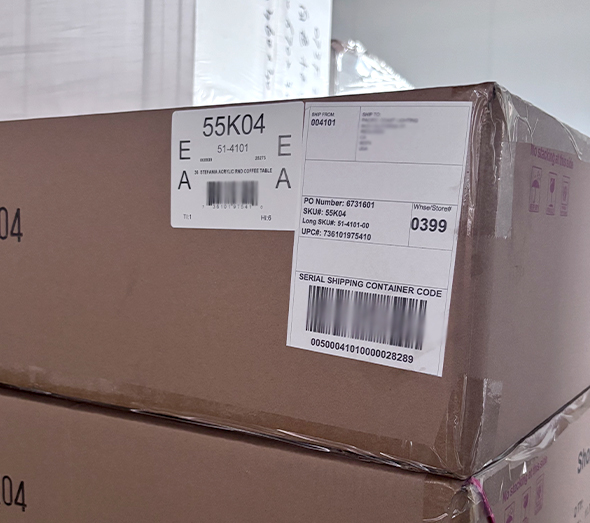
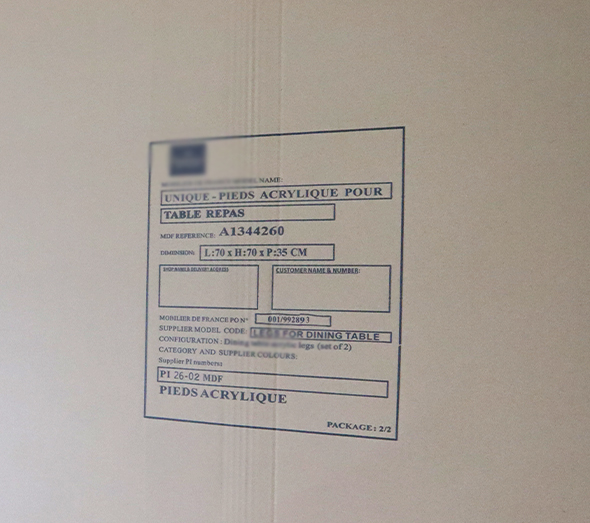
Sets and Carton Identification
Nesting sizes remain separate SKUs. Carton labels list each size, color, pieces per set, quantity, destination, store, room, or project zone.
FAQ
State the complete table’s length, width and height, then give the usable top and any lower shelf dimensions. If supports narrow the open space below, show that clearance separately. Use a front and angled image so buyers can judge the long edges and corners. Measure the approved assembled table, especially when a glass or wood top changes its overall outline.
A waterfall table gives you a continuous-looking acrylic top and sides with few visible joints. A framed version has separate top and support pieces and can suit a different material mix or replacement plan. Compare complete samples for actual size, visible edges and the way each structure looks in your range. Choose the structure that fits the intended product and service plan.
Treat the finished table as a mixed-material product. Name the top and acrylic support materials separately, and confirm who supplies the top, connectors and any lower shelf. Check the assembled fit, visible junctions and replacement route on a complete sample. Your listing, spare-part identifiers and care information should describe the actual combination. A clear acrylic leg does not make a glass or wood top acrylic.
Use a complete approved table to define the visible edge profile, corner shape and the way the top lines up with its supports. View the sample under consistent lighting from the angles customers will see. Record those points so later units can be compared with the same standard. Set any acceptable variation for the specific design before ordering.
Choose the state that your channel can handle and your product can reproduce accurately. An assembled table reduces customer fitting work but may need a larger protected carton. A knockdown version can change carton size but adds hardware, instructions and assembly responsibility. Compare an approved packed sample of each feasible option, including its assembled appearance and the time your channel needs to prepare a saleable unit.
Identify the pieces a distributor might need after a damaged or incomplete order: the top, acrylic supports, lower shelf, connectors and feet, depending on the design. Record which parts are actually replaceable without changing the approved appearance or fit. A one-piece waterfall table has a different service plan from a mixed-material frame table. Confirm part identifiers and compatibility before promising replacements to your channel.
Keep the approved complete-table sample tied to its drawing, component list, edge and corner standard, assembly state and carton version. Before a reorder, compare any proposed material, connector or supplier change with that record. A revision that alters the visible table or its assembly should receive a new approval and identifier. This helps your distributor separate old and new stock and maintain accurate product images.
Starting quantities are typically 50–200 complete tables, depending on the approved structure and packing plan. Sample production is typically 3–7 days after the dimensions, component materials, finish and commercial details are confirmed. Bulk production is typically 10–35 days after the sample, quantities, assembly state and pack are approved. State how many units you need per design; a glass-top and an all-acrylic version may require separate confirmation.
Request a Quote for Your Side Table Project
Product Specification
Send your company details, drawing or reference, dimensions, color, intended use, quantity for each design, and destination.
Destination and Timing
Add the preferred packing method, target arrival date, and whether the order is for wholesale, private label, or an interior project.
Commercial Context
We can then review the sample and bulk quotation on the right basis.