
Custom Acrylic Photo Frames
JFM brings your acrylic product designs to life with speed, reliability, and consistent quality—from early prototypes to mass production.
- Standard photo sizes or a made-to-measure format
- Magnetic, tabletop, wall-mounted, block, or LED structures
- Logo printing, engraving, color matching, and private-label packing
- Sample approval before volume production begins







A Clearer Way to Present

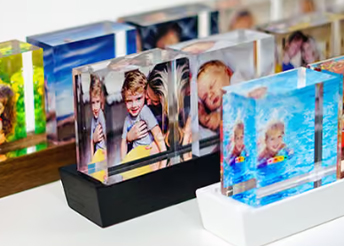
A acrylic photo frame gives you a clean way to present photographs, artwork, menus, certificates, and branded graphics without a heavy border. Choose freestanding, magnetic, wall-mounted, block, floating, collage, or double-sided structures for the display location and viewing angle. Clear PMMA keeps the image prominent, while colored, frosted, mirrored, or printed details create a distinctive look. Each frame is developed around insert size, replacement method, stability, mounting, branding, and packaging, giving you a purpose-built display instead of a generic stock frame.
Acrylic Photo Frame Styles
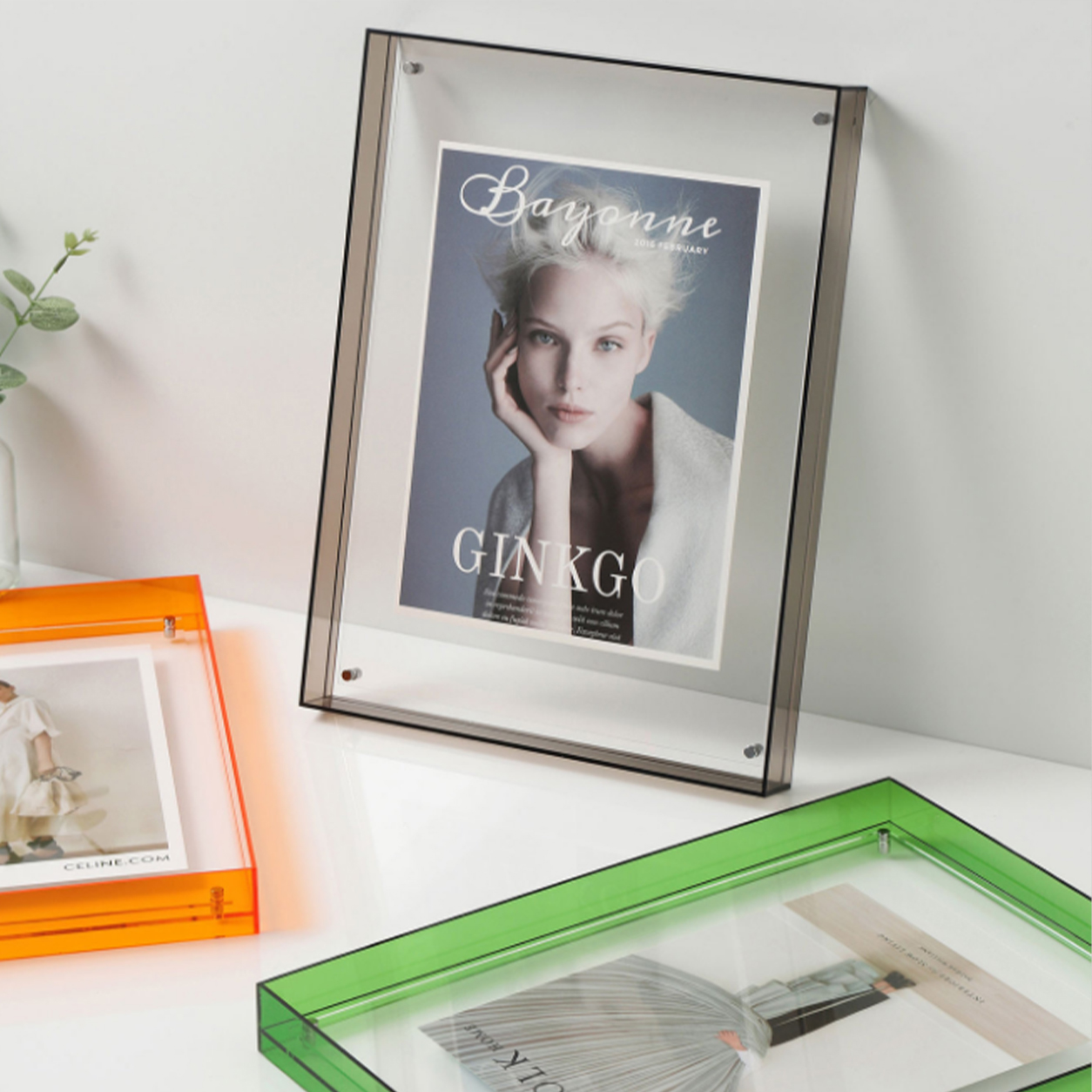
Magnetic Acrylic Photo Frame
Two clear acrylic panels align through embedded magnets, forming a frameless structure that opens easily for quick image replacement.
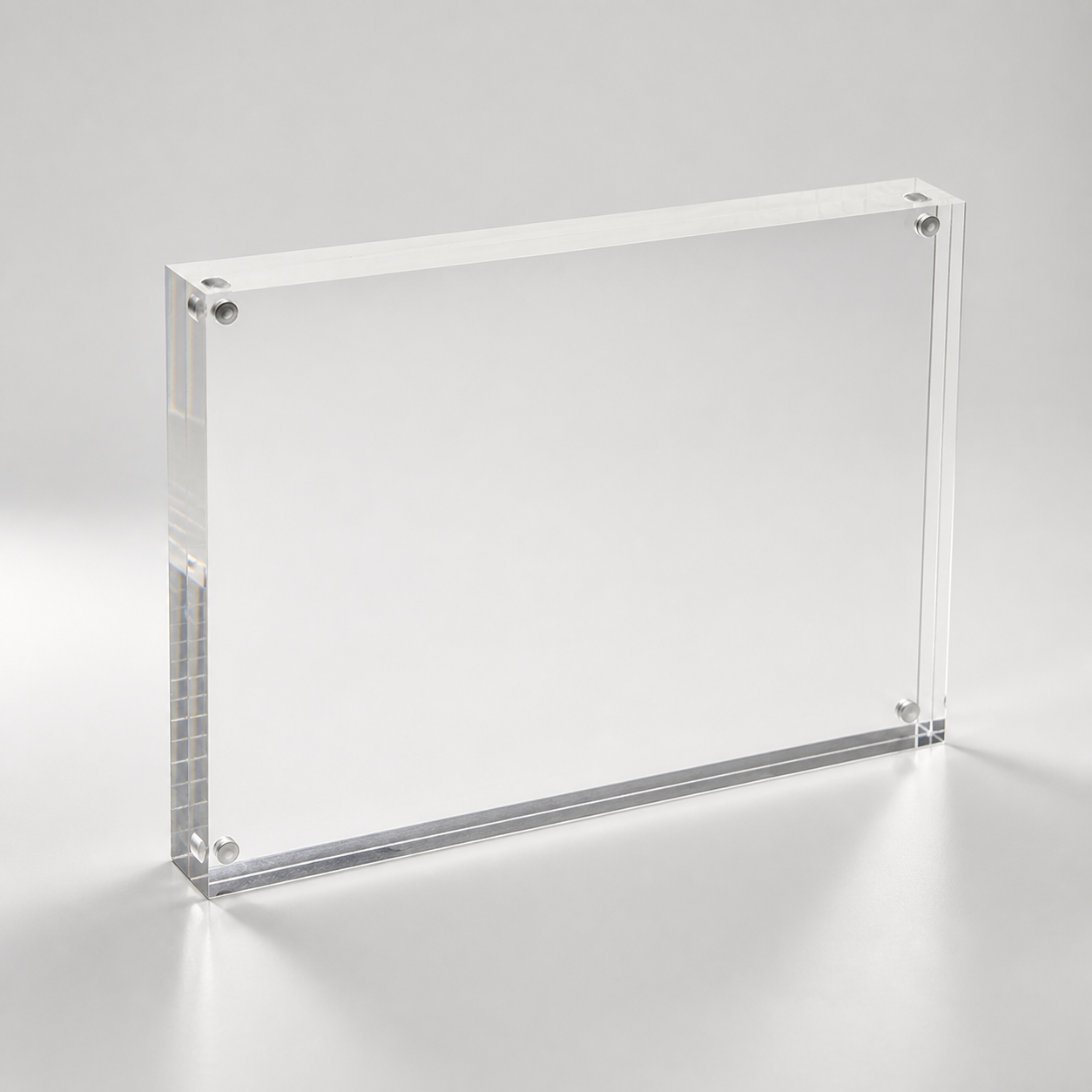
Acrylic Photo Block
Thick rectangular acrylic panels form a self-supporting block, holding the image flat within a clean and compact profile.
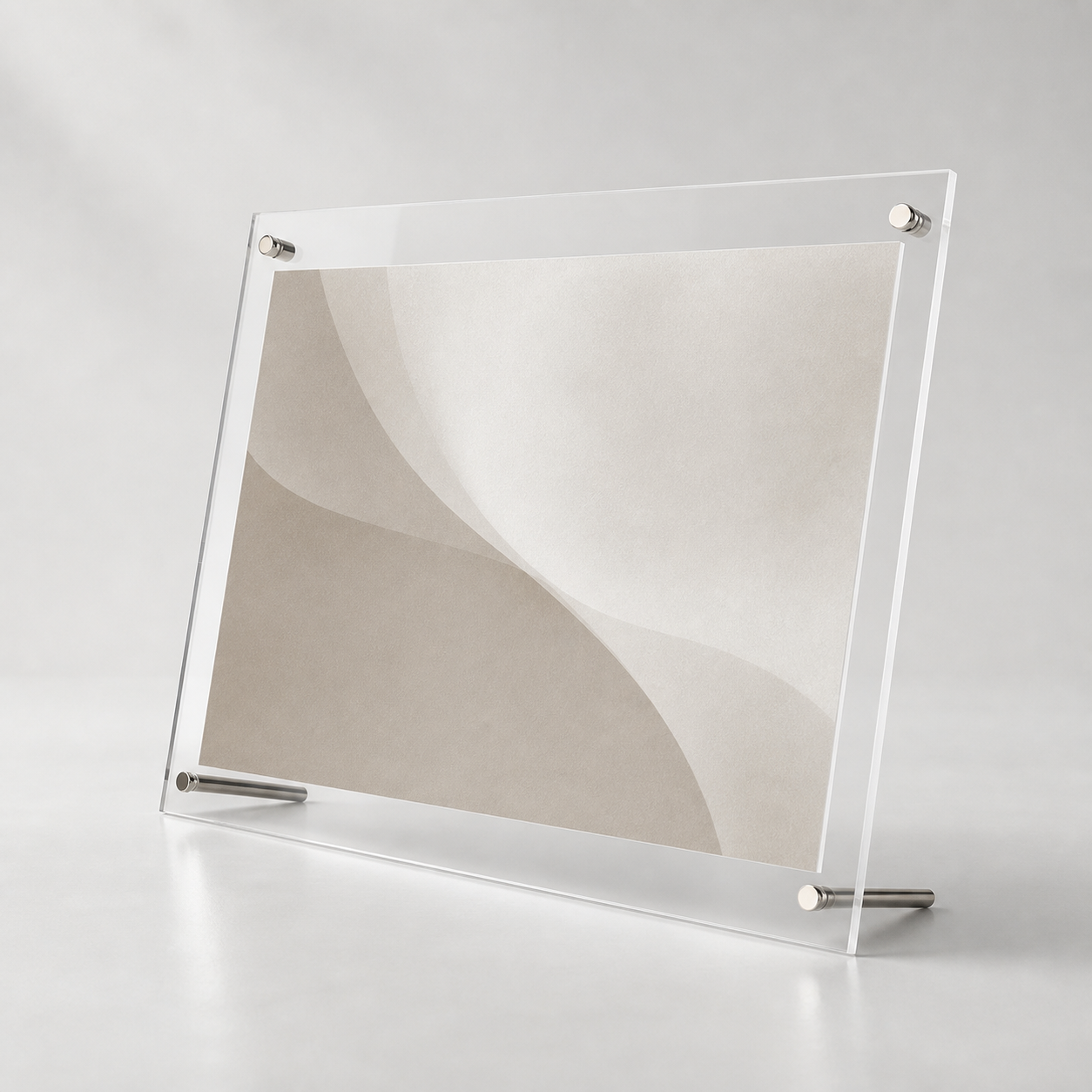
Tabletop Acrylic Photo Frame
A freestanding acrylic structure uses an integrated base or rear support to remain stable on desks, counters, and shelves.
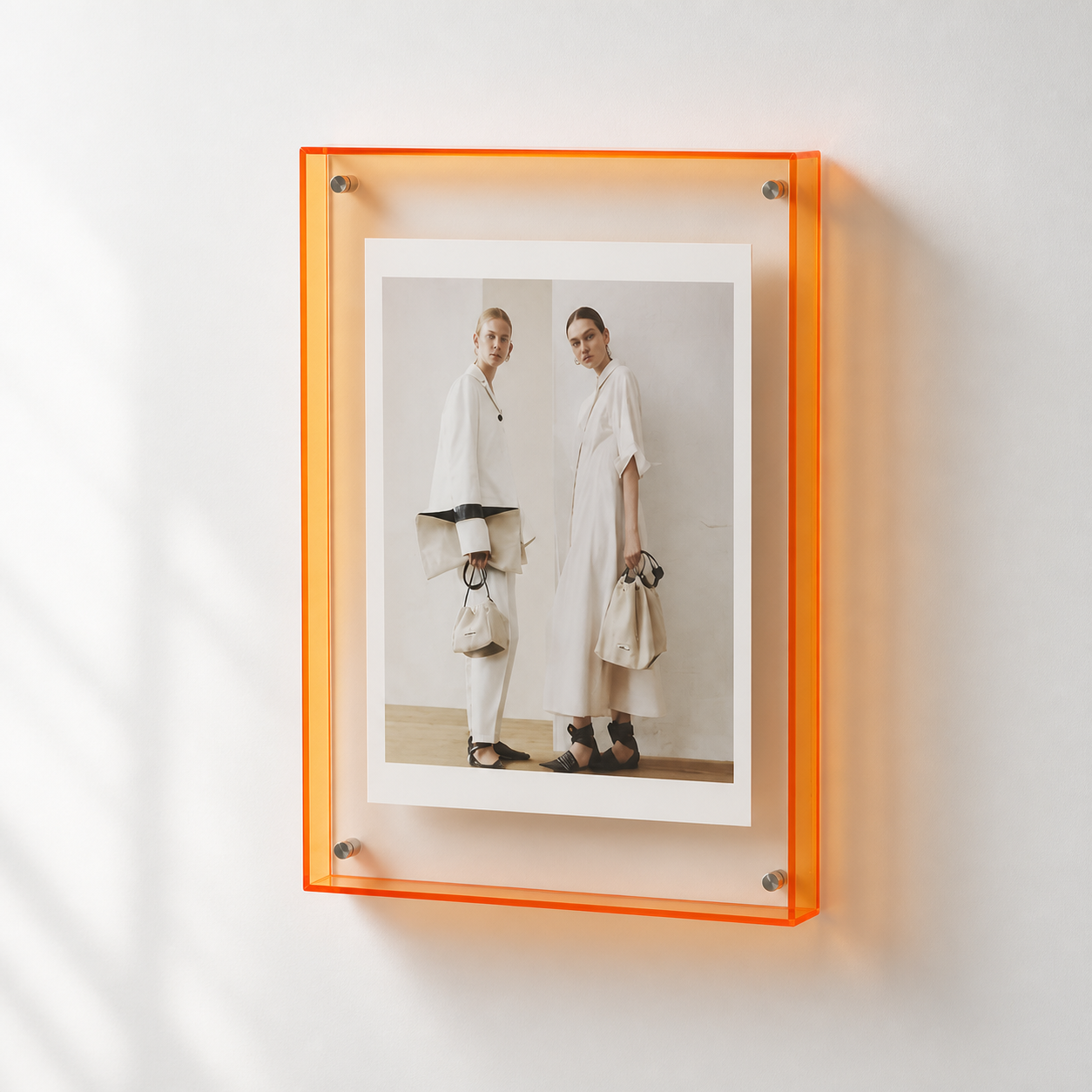
Wall Mounted Acrylic Photo Frame
A flat acrylic panel incorporates fixing holes or compatible mounting hardware for secure installation directly onto a wall surface.
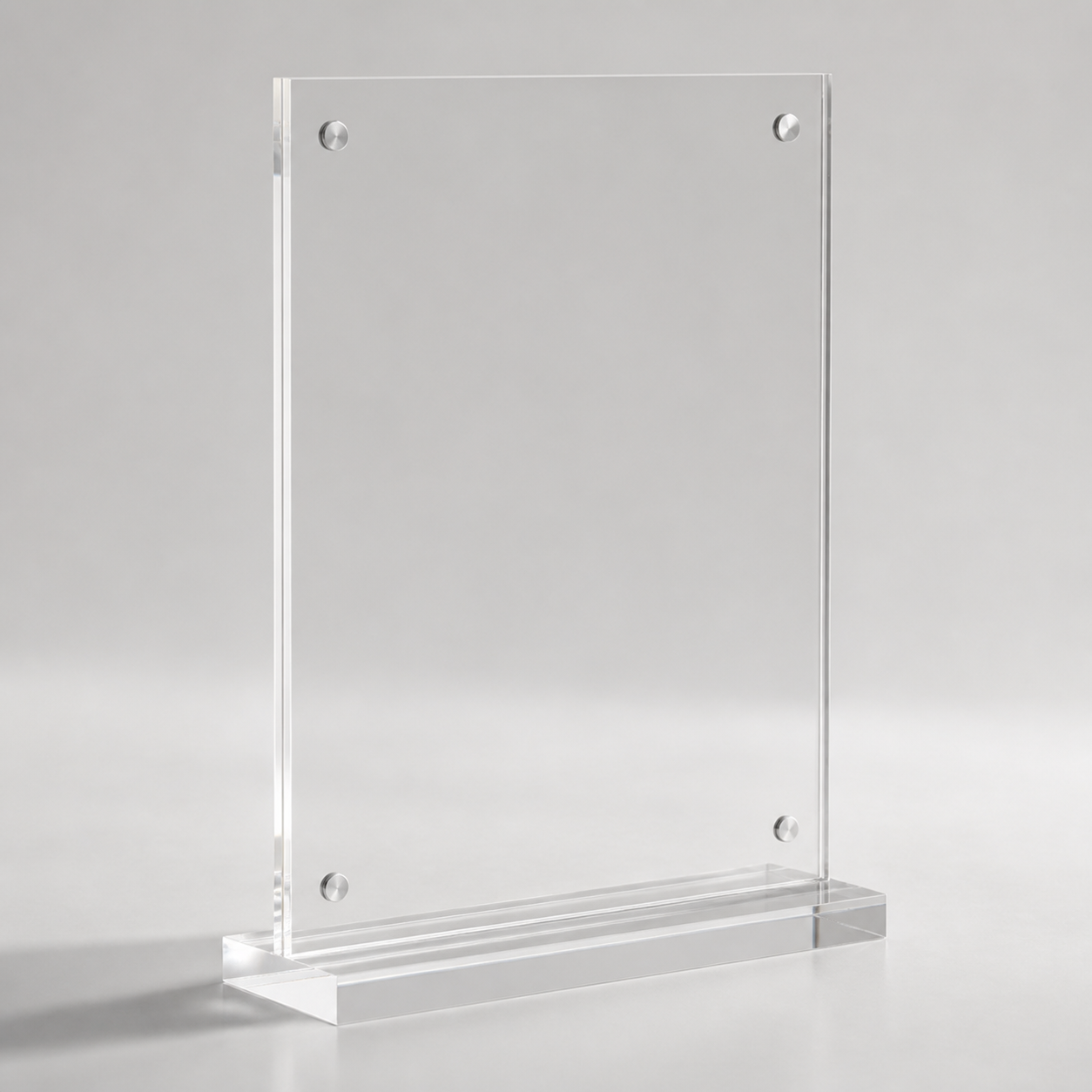
Double-Sided Acrylic Photo Frame
Two transparent viewing faces position images back-to-back, allowing different content to remain clearly visible from both sides.
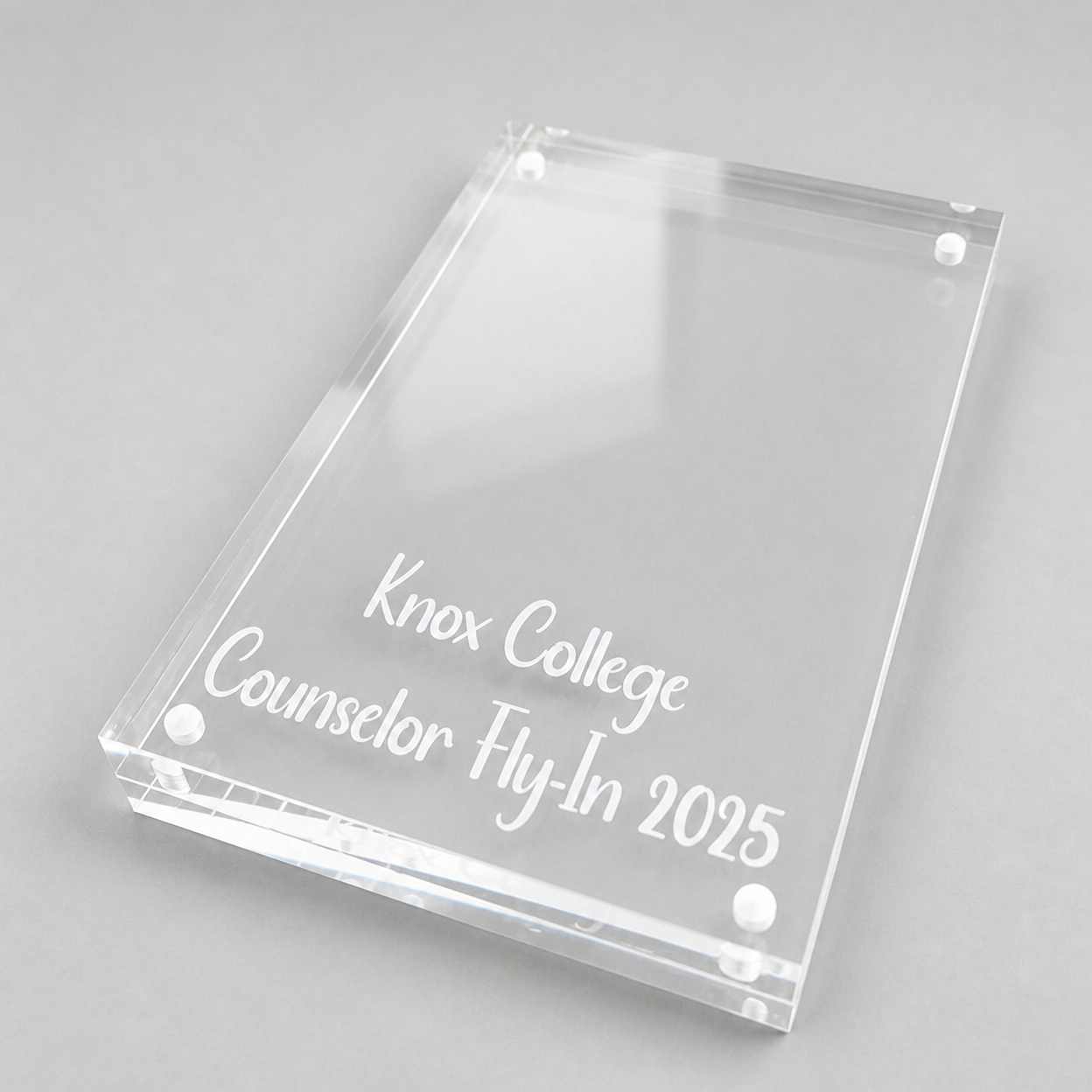
Engraved Acrylic Photo Frame
Laser-engraved text, logos, or patterns are applied directly to the acrylic surface, creating a permanent decorative finish.
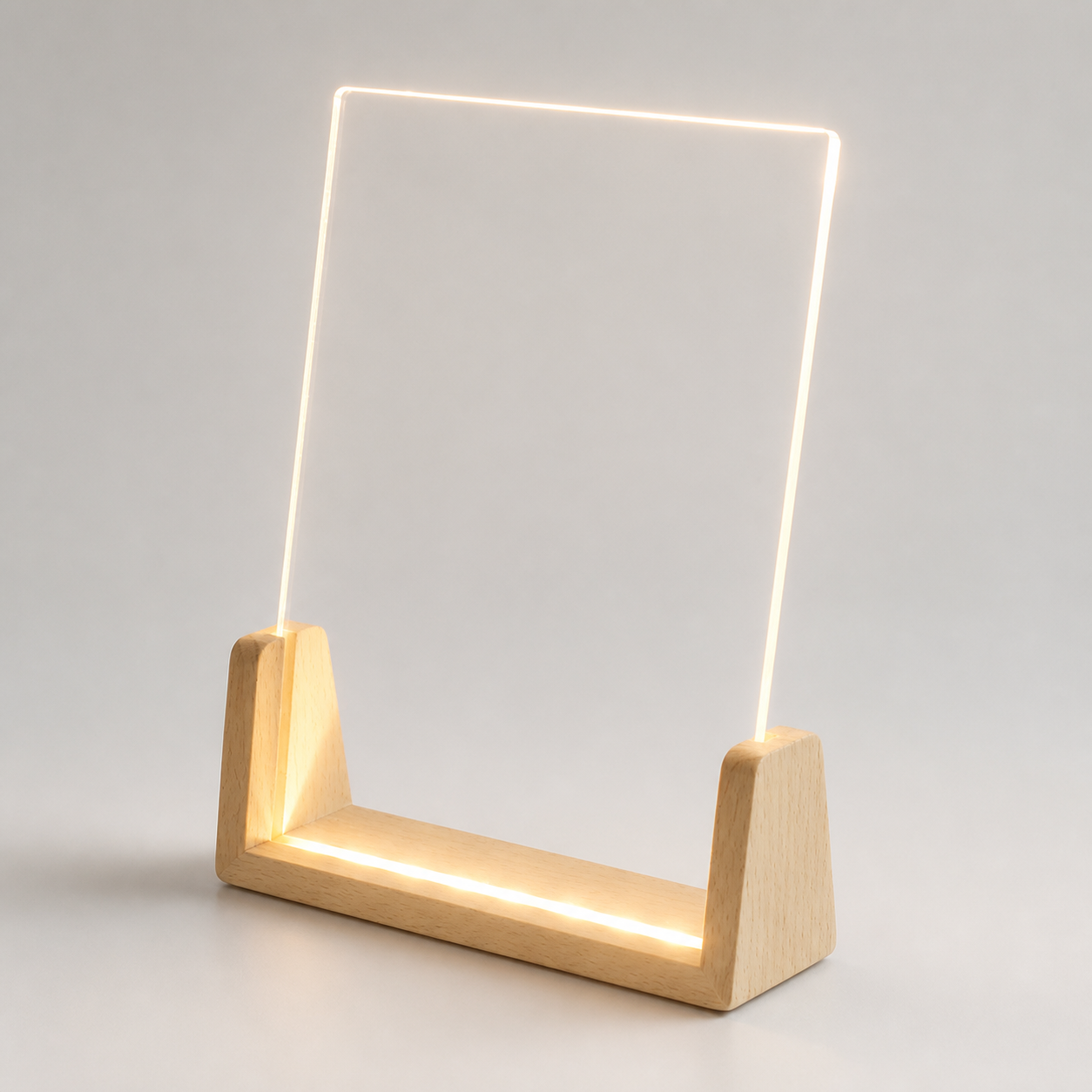
LED Acrylic Photo Frame
A transparent acrylic panel connects with an illuminated base or edge-lighting system to highlight engraved graphics and outlines.
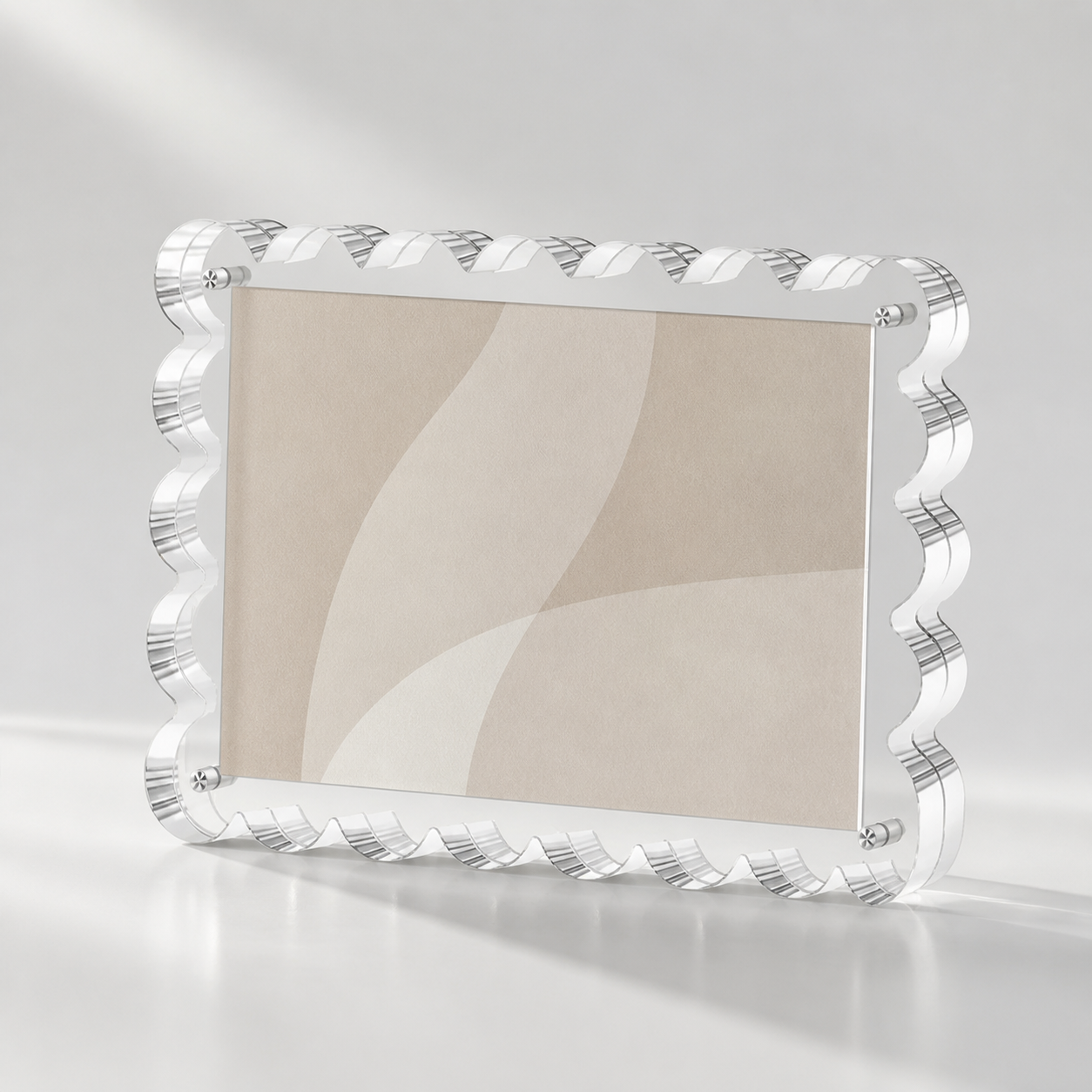
Custom-Shaped Acrylic Photo Frame
The acrylic body is cut into a specified outline, with its edges, openings, dimensions, and supports adapted to the design.
Customization Range
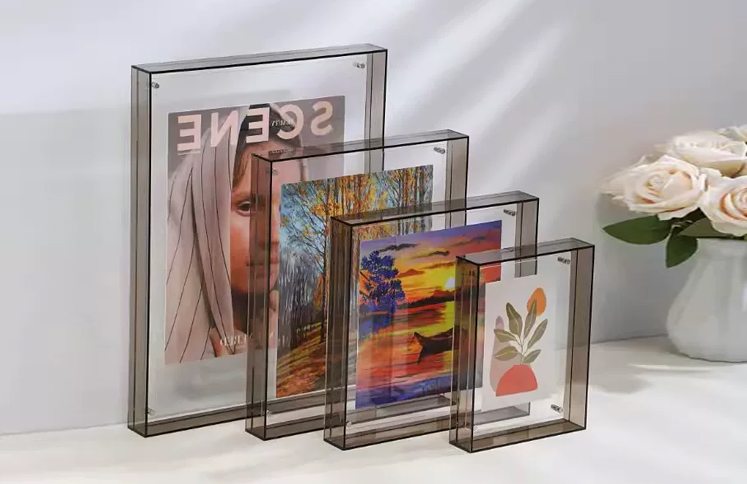
Photo Size and Overall Size
Custom dimensions (including length, width, height, thickness) of acrylic photo frame for photography, certificates, menus, signage, and artwork.
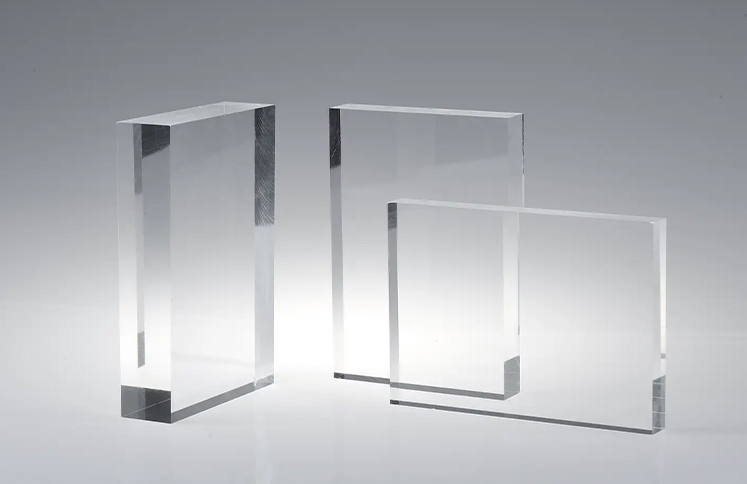
Acrylic Material Type
Select cast or extruded PMMA for the required rigidity, weight, appearance, processing, and budget.
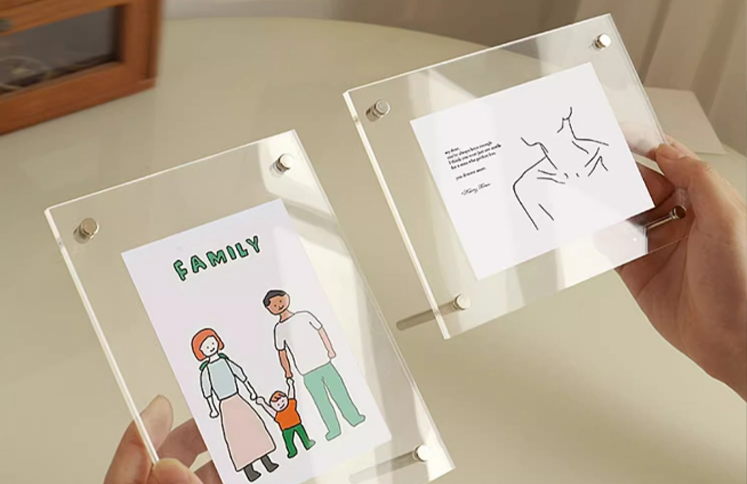
Display method
Choose portrait, landscape, reversible, double-sided, angled, tabletop, wall-mounted, or freestanding presentation.
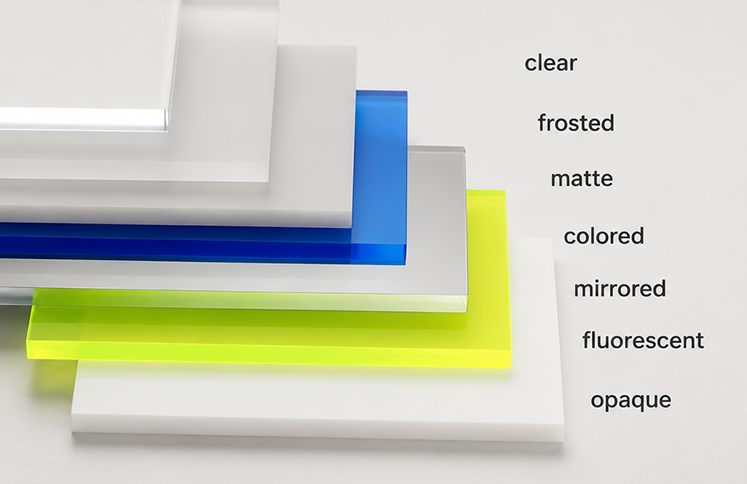
Surface treatment
Use clear, frosted, matte,colored, mirrored, fluorescent, or opaque acrylic to control visibility and emphasis.
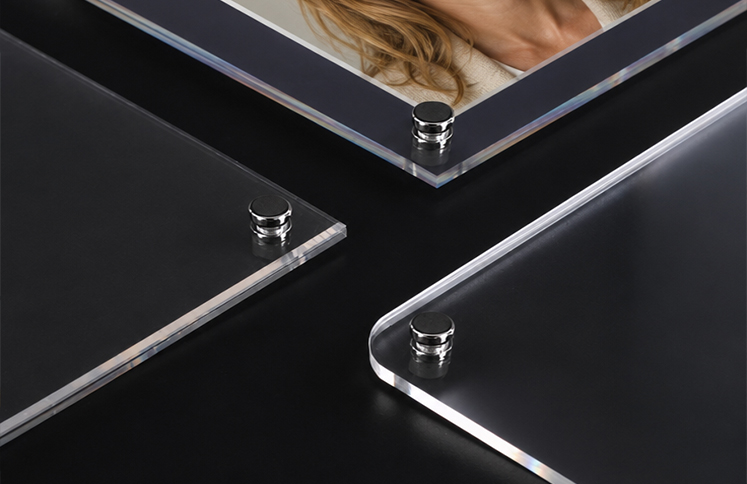
Edge and Corner Finish
Choose beveled, rounded, chamfered, or shaped edges for style and handling.
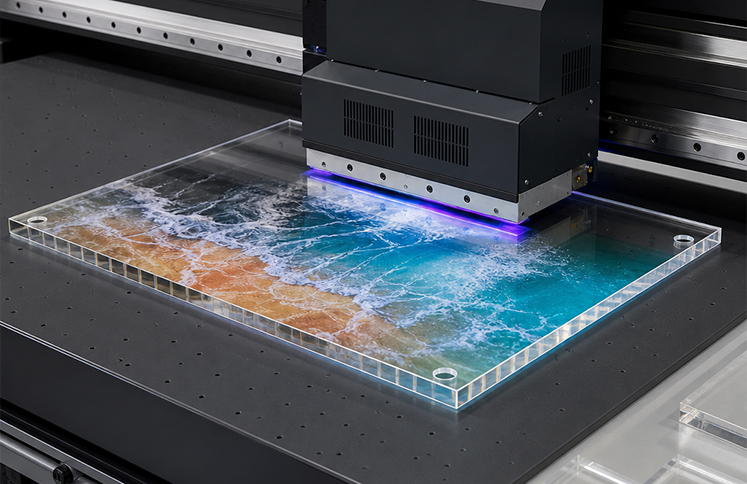
Branding and Personalization
Add UV print, screen print, engraving for names, dates, logos, patterns.
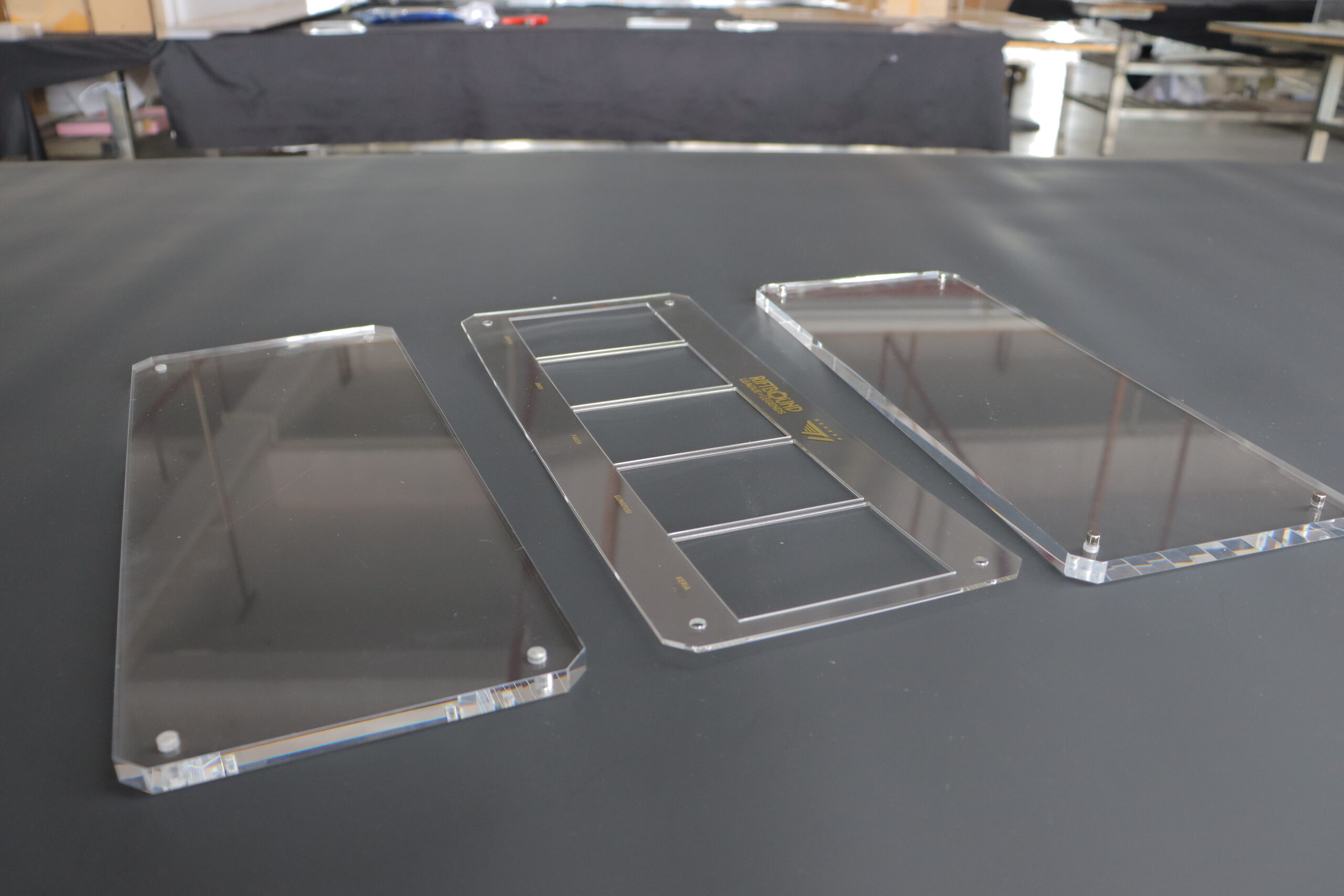
Hardware and Assembly
Configure magnets, standoffs, hinges, bases, fasteners, slots, backing panels, or replaceable inserts.
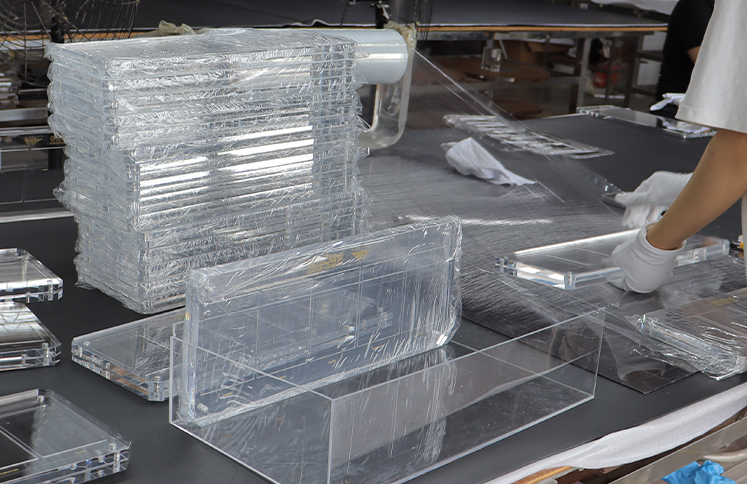
Packaging and Presentation
Customized packaging. Techniques like screen printing or embossing can be applied to the packaging to create a high-end, professional look
Feature
A Clearer Display Where Customers Actually Look
For retailers, distributors, gift suppliers, and corporate buyers, an acrylic photo frame offers a clean and professional way to present visual content across commercial environments. Its transparent appearance keeps the display area visually focused, while the acrylic construction provides a lightweight and practical alternative for everyday business use. You can use it for retail programs, promotional campaigns, office displays, branded gifts, and other customer-facing presentation needs.
Custom Options That Fit the Way You Sell
When sourcing custom acrylic photo frames, you need products that fit your brand, market positioning, and sales channel. Size, thickness, color, surface finish, printing, logo placement, and packaging can be developed around your project requirements without limiting you to one predetermined design. This flexible customization approach helps wholesalers, retailers, promotional companies, and project buyers create differentiated products for private-label collections, seasonal campaigns, corporate programs, and resale markets.
Repeatable Quality Beyond the First Sample
A good sample is only useful if the next shipment matches it. For wholesale acrylic photo frame orders, we confirm the approved material, critical dimensions, surface standard, artwork position, hardware, and packaging before production begins. Bulk acrylic photo frame orders can also be checked by SKU, especially when several sizes or designs share one shipment. This controlled approach helps reduce mismatched inserts, inconsistent finishing, packing errors, and avoidable surprises when you reorder for another campaign or sales season.
Manufacturing Process
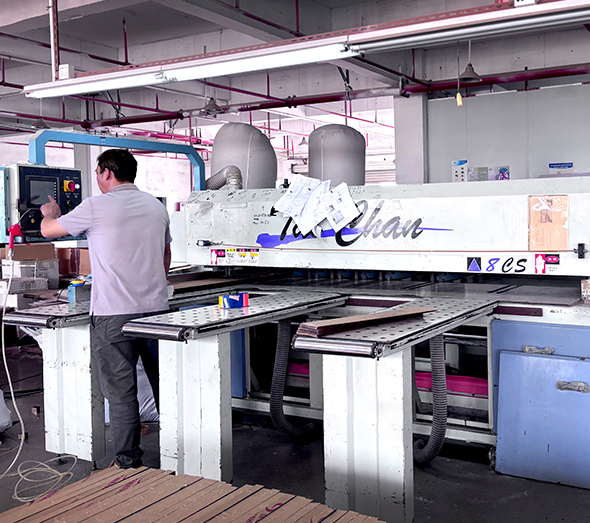
Electronic saw cutting
Using the drawings you provided, we feed the raw materials into this machine for cutting to obtain the acrylic stock required for further processing, achieving a precision of 0.02mm.
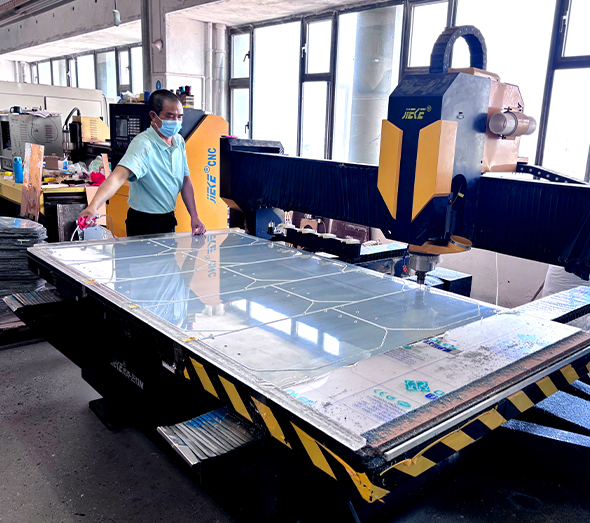
Cutting and CNC Machining
Profiles, windows, holes, slots, and magnet pockets are machined to the drawing instead of adjusted by eye during assembly.
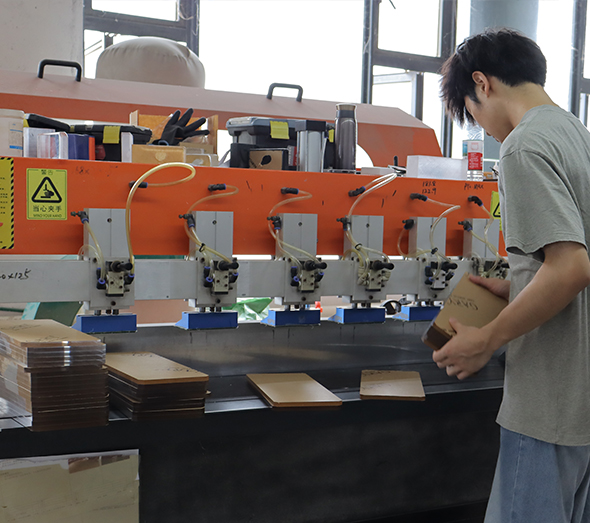
Edge Polishing and Forming
Visible edges, bends, bases, and corners receive the finish specified for the viewing distance and handling environment.
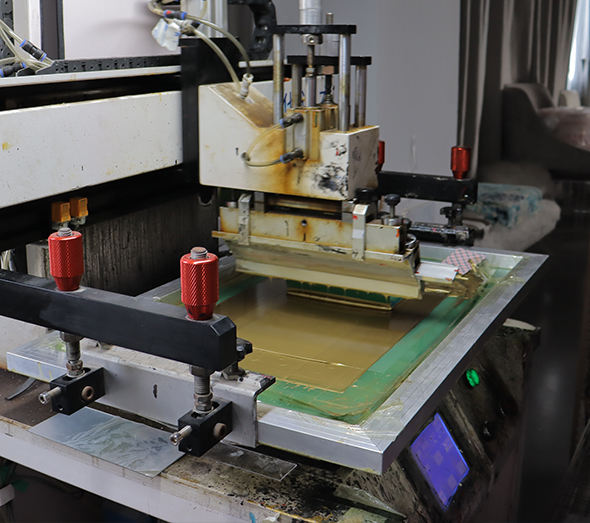
Printing and Engraving
UV printing, screen printing, and engraving place logos or graphics where they remain readable without competing with the photograph.
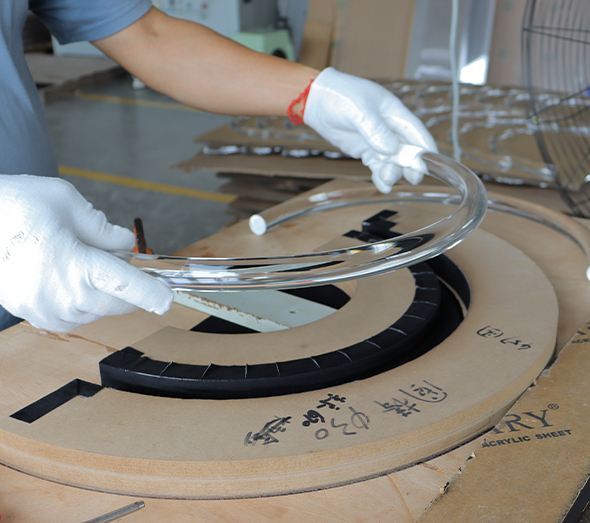
Hot bending
Heat the acrylic product to a specific temperature to soften it, then place it into a mold to set its shape.
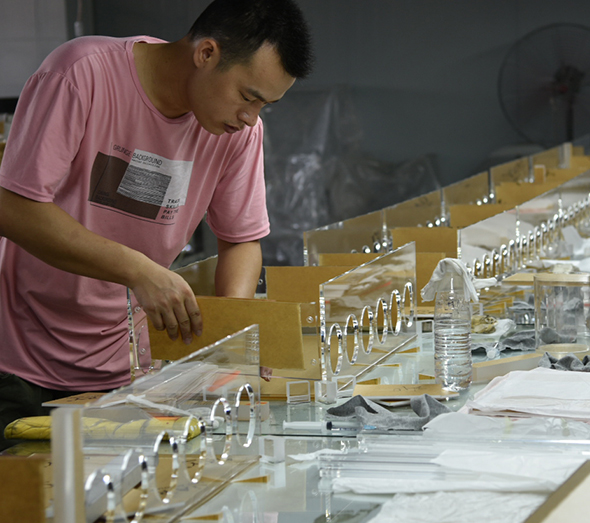
Bonding
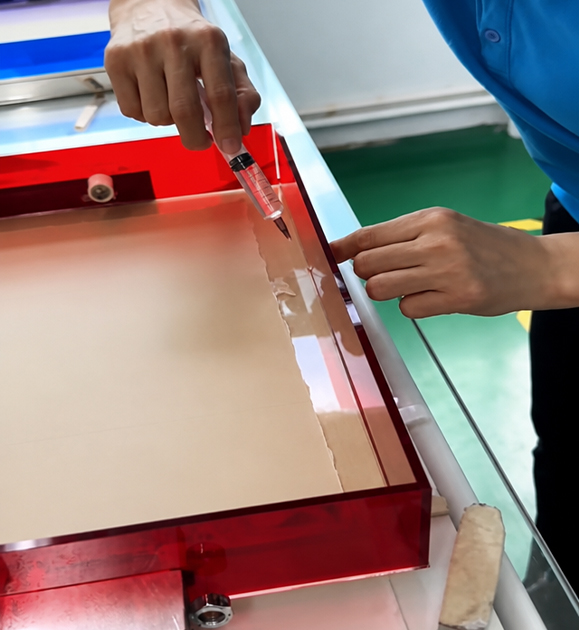
Using a self-developed special adhesive and the techniques of skilled technicians, the bonding area is virtually free of air bubbles.
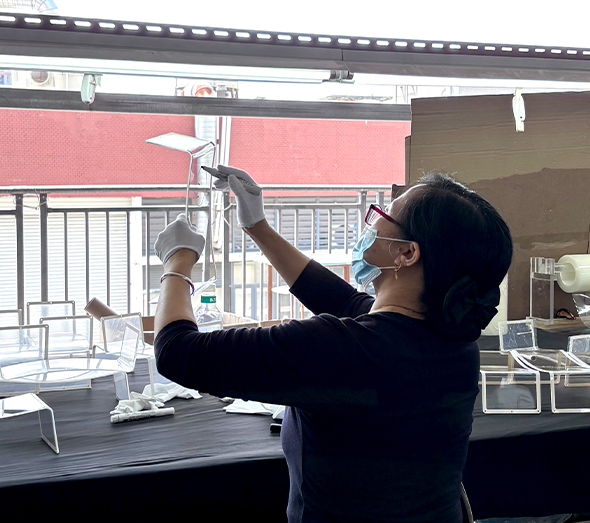
Quality Inspection
Critical dimensions, surface condition, print placement, hardware retention, insert fit, and SKU identity are checked against the approved reference.
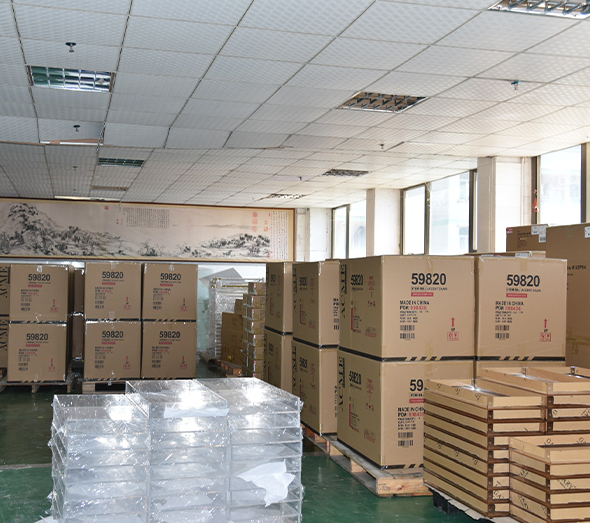
Protective Packing
Design and select film, sleeve, partition, individual packaging box, and carton layouts to ensure products are safely delivered to customers.
Production Collection
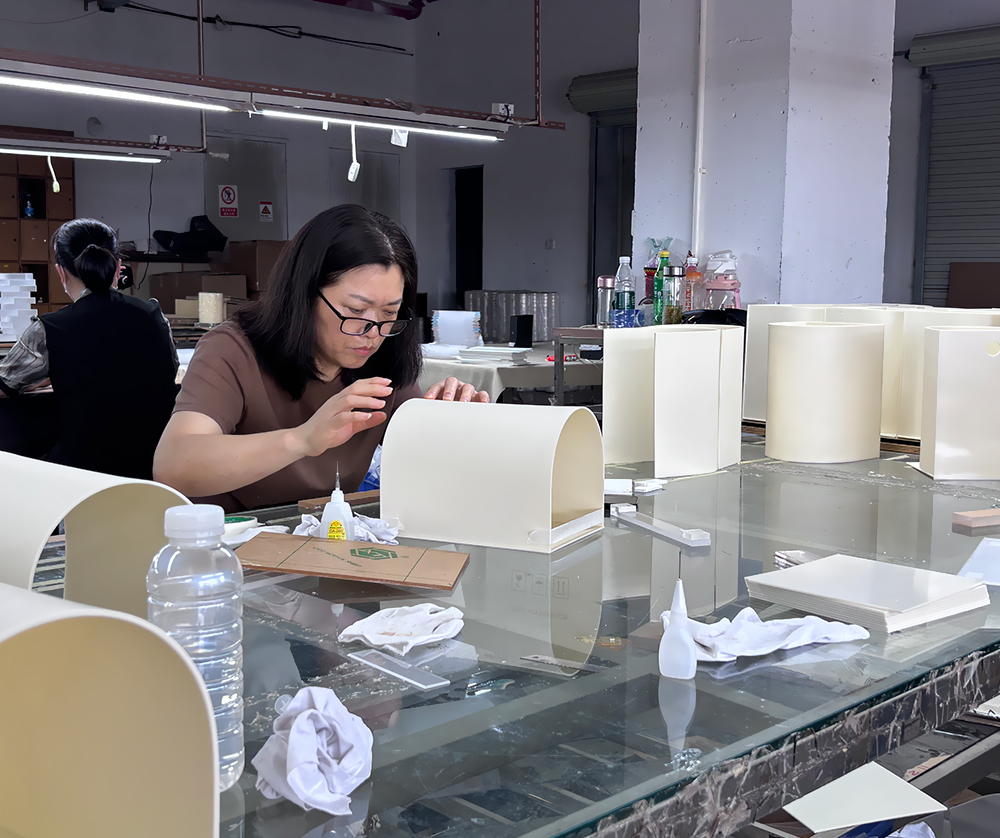
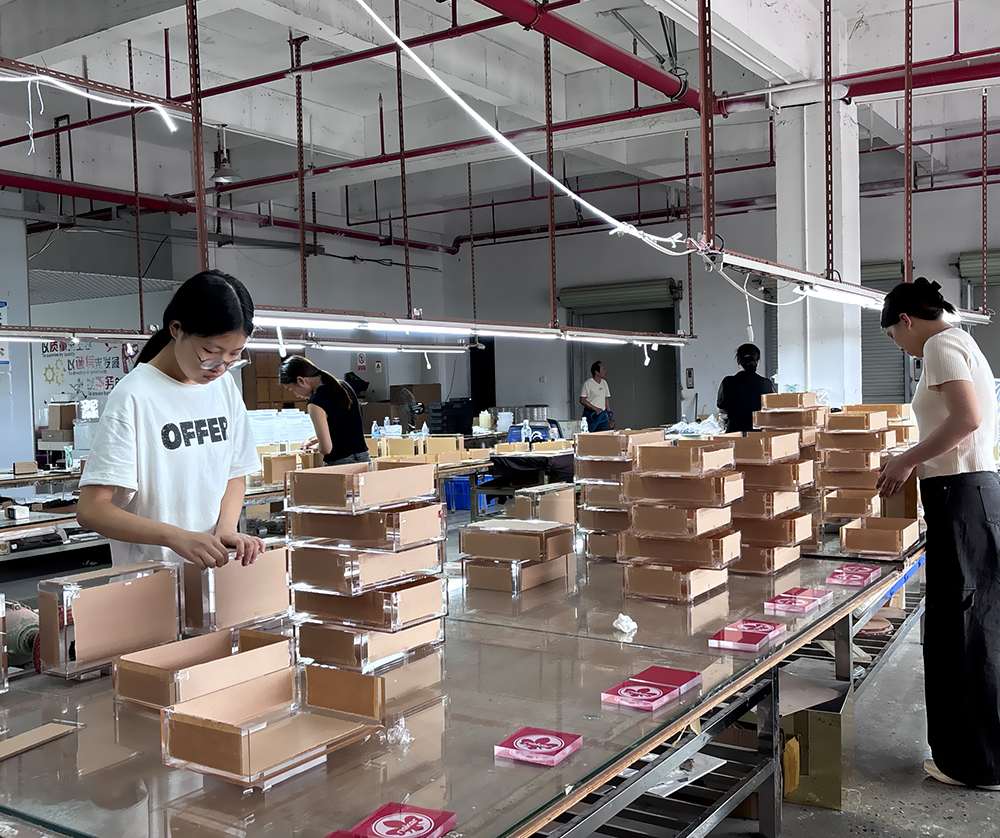
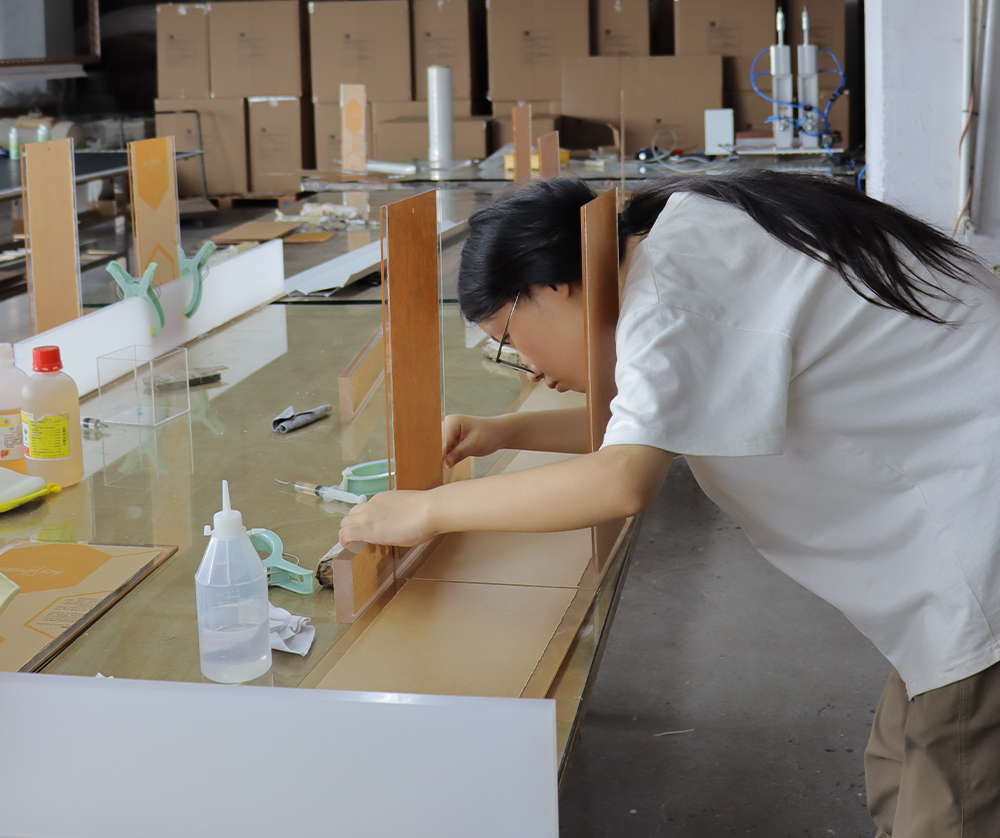
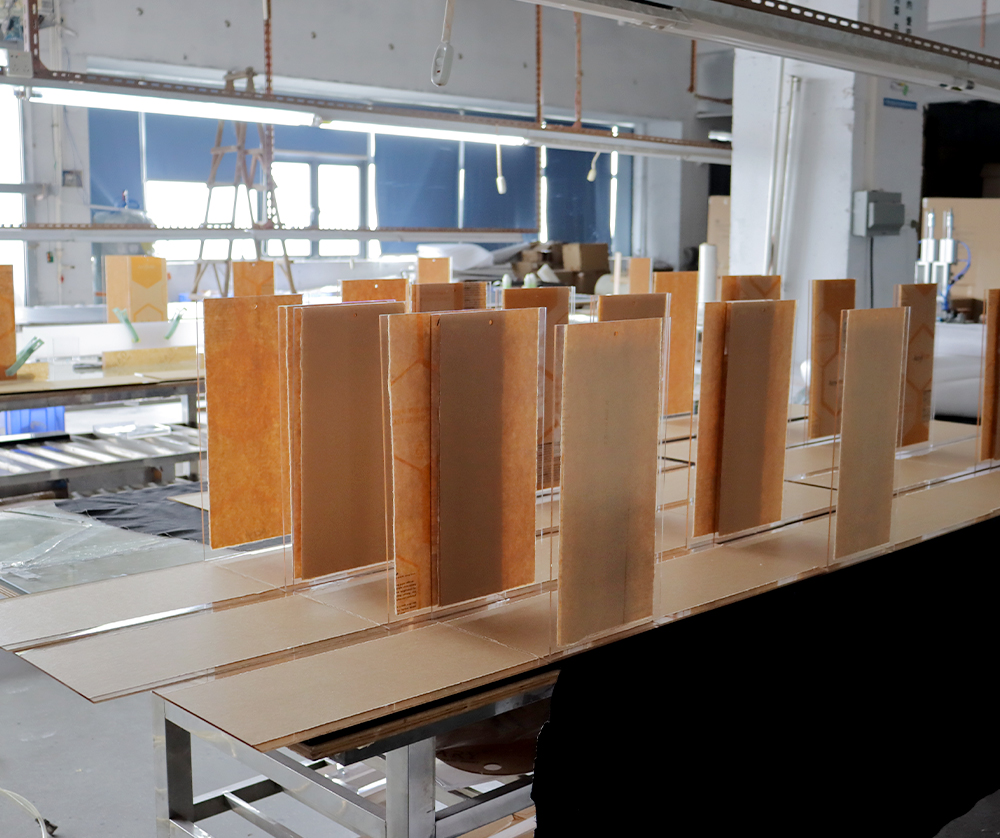
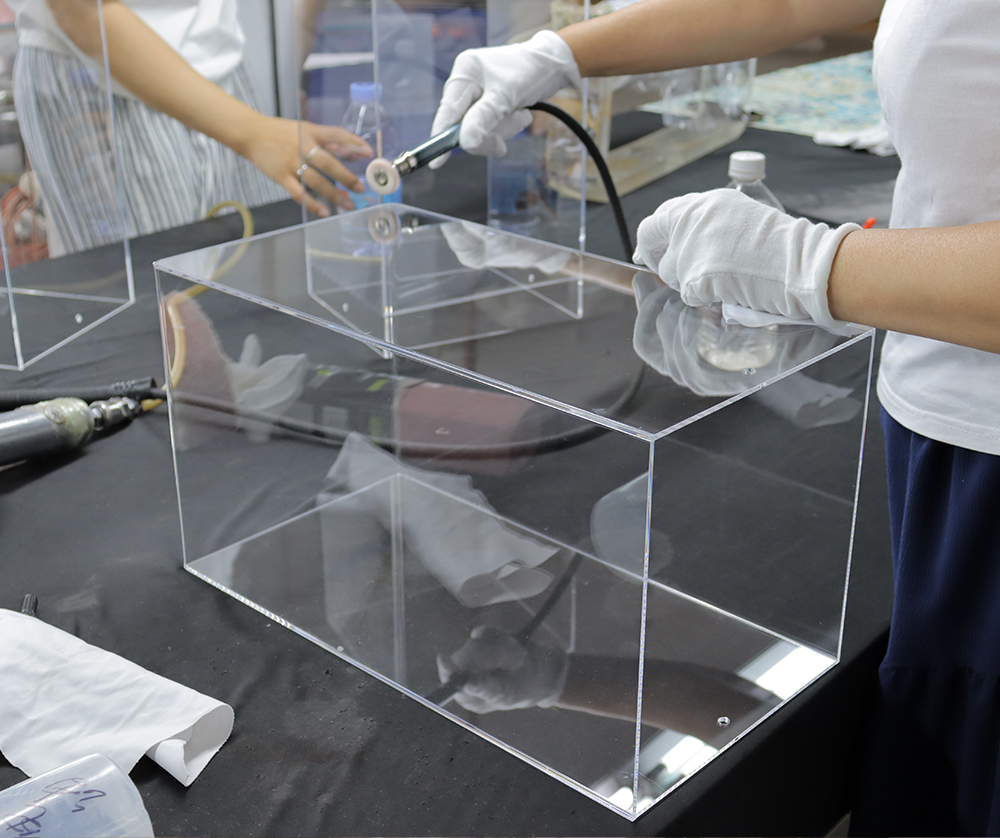
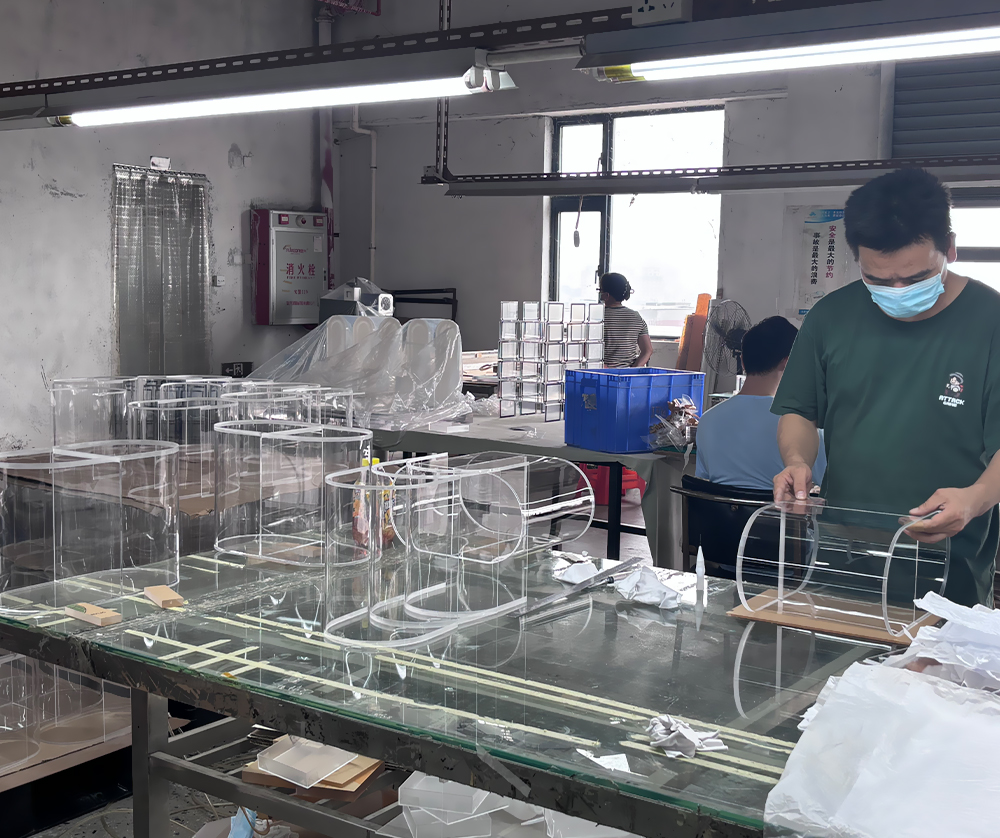
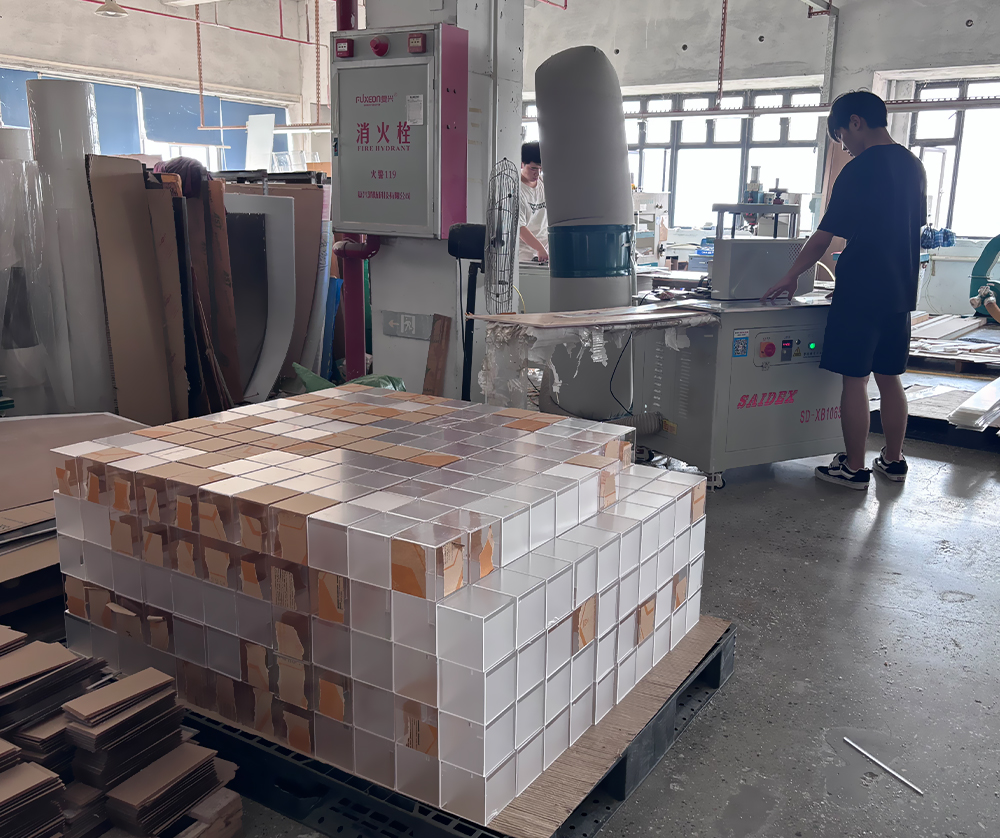
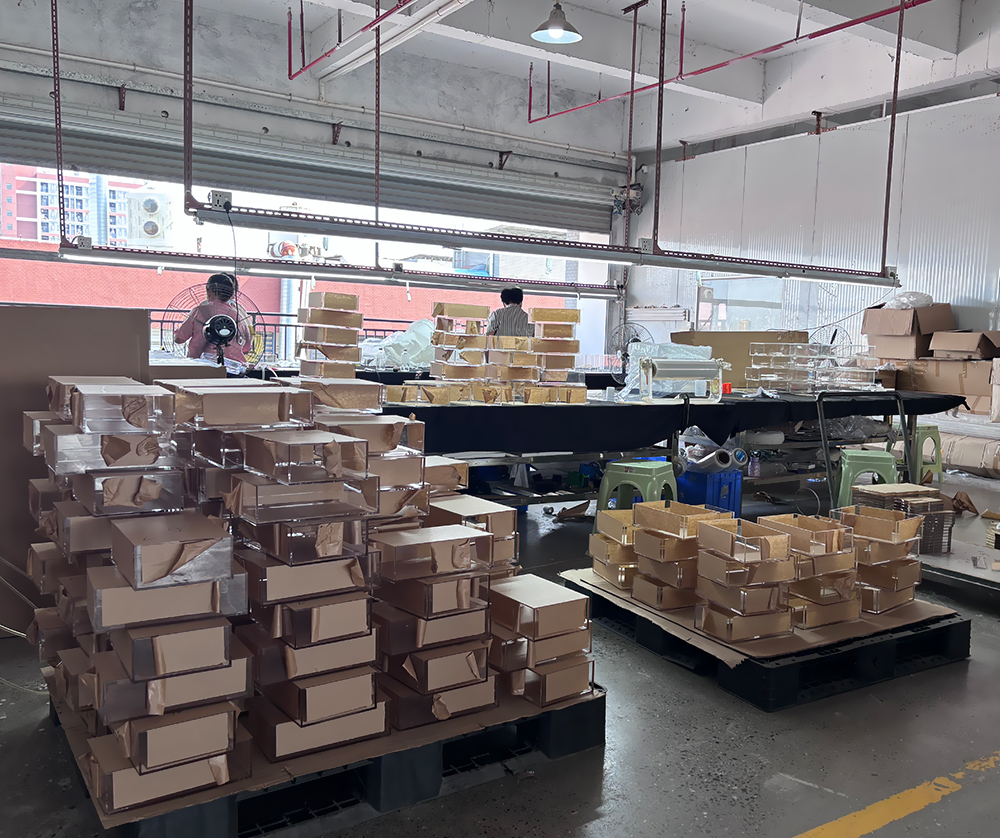
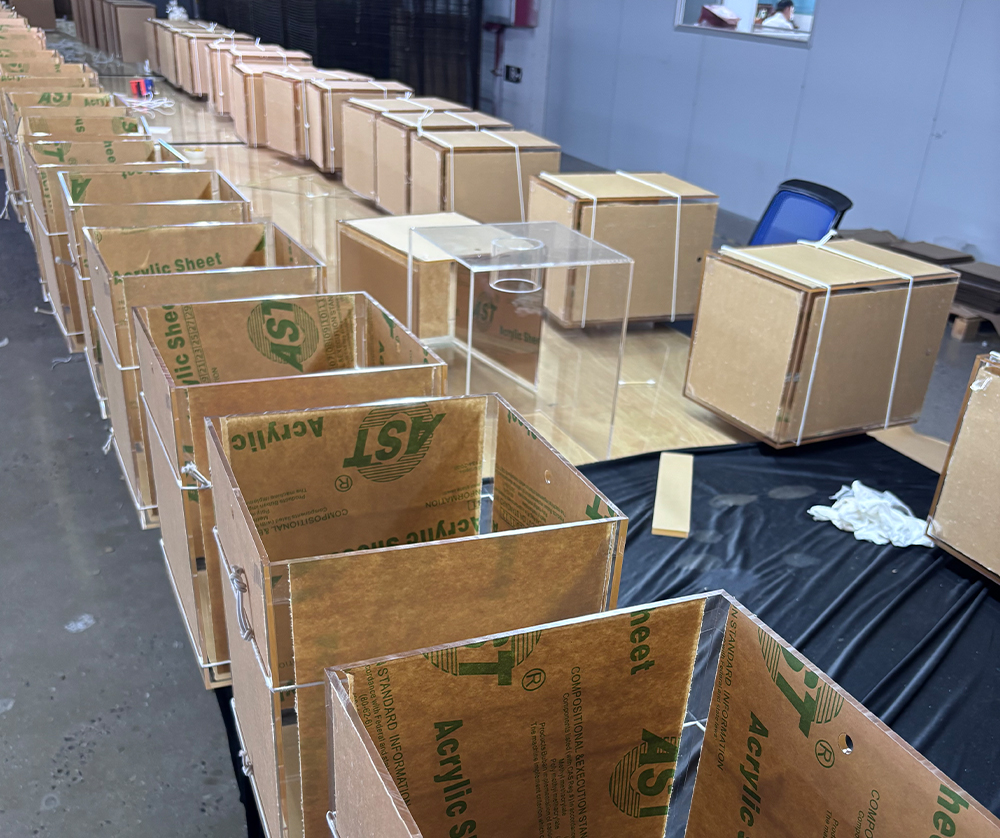
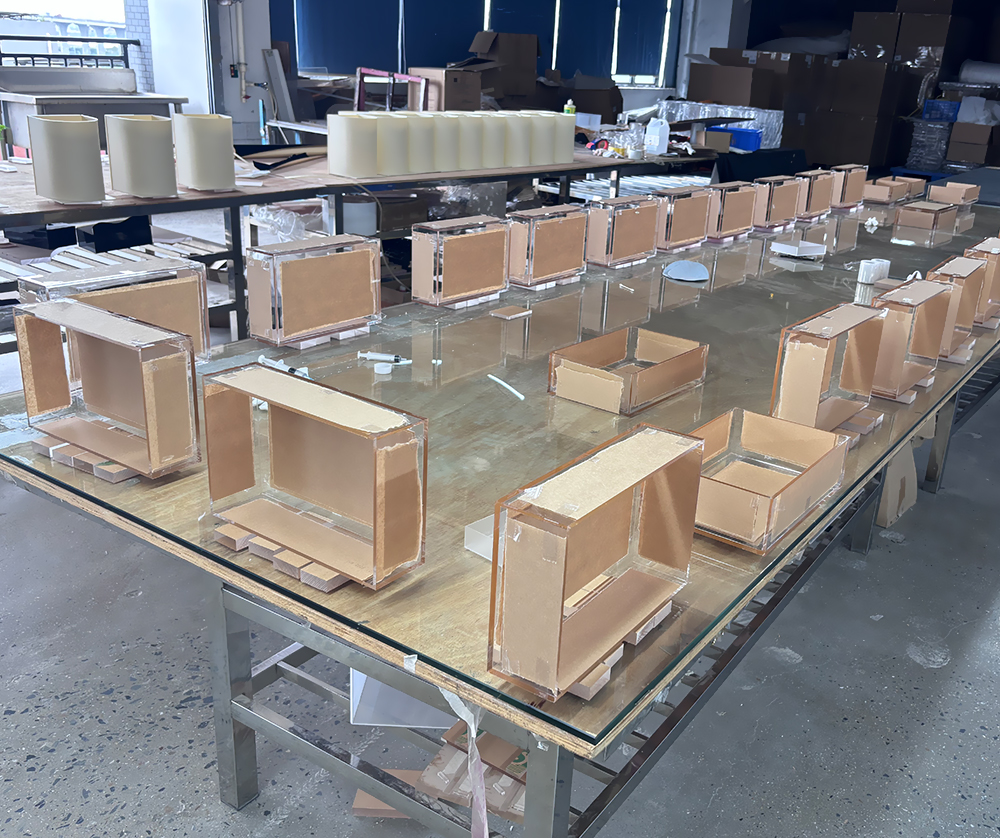
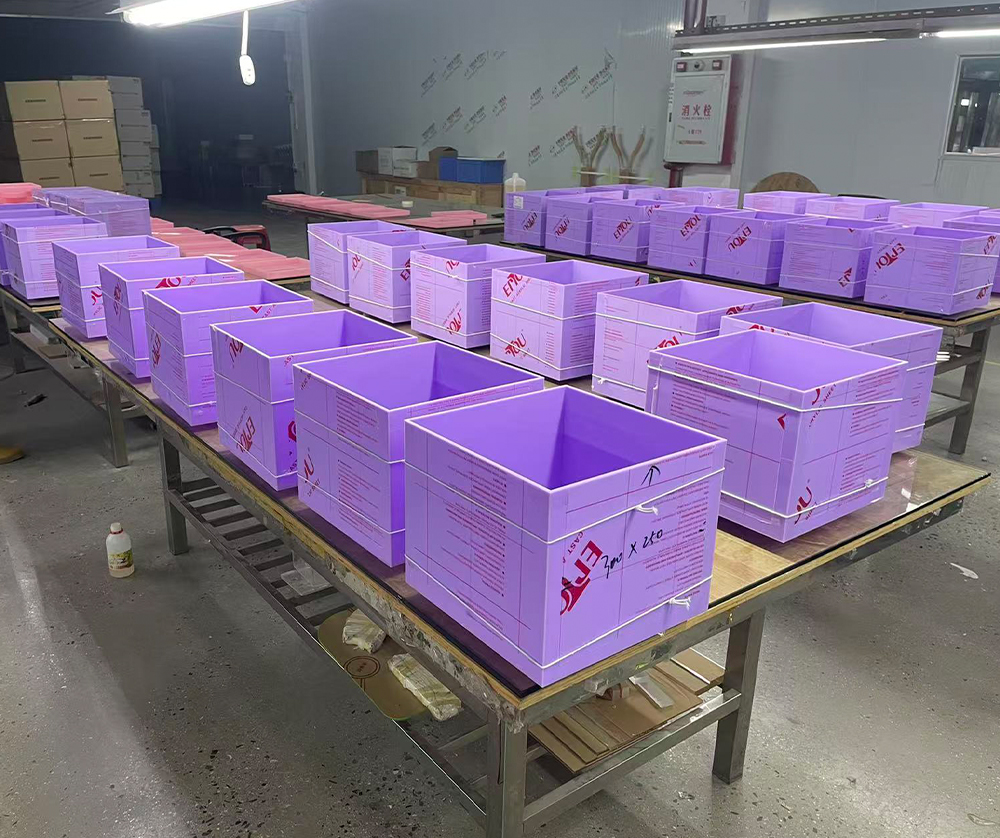
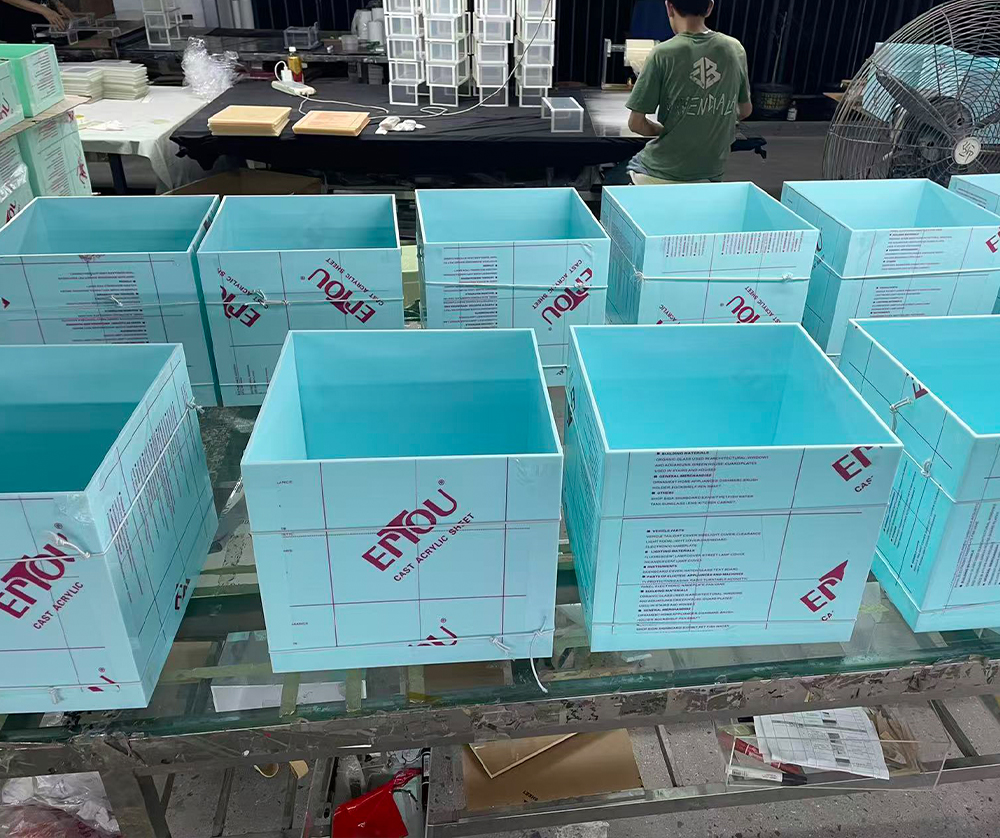
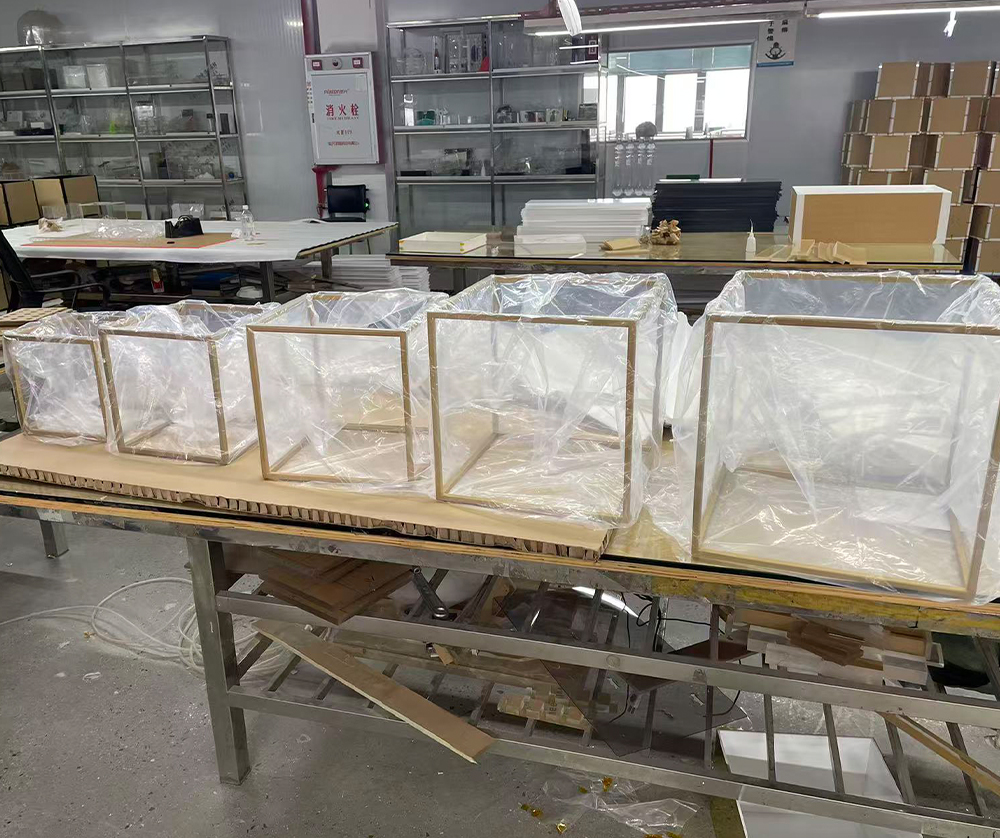
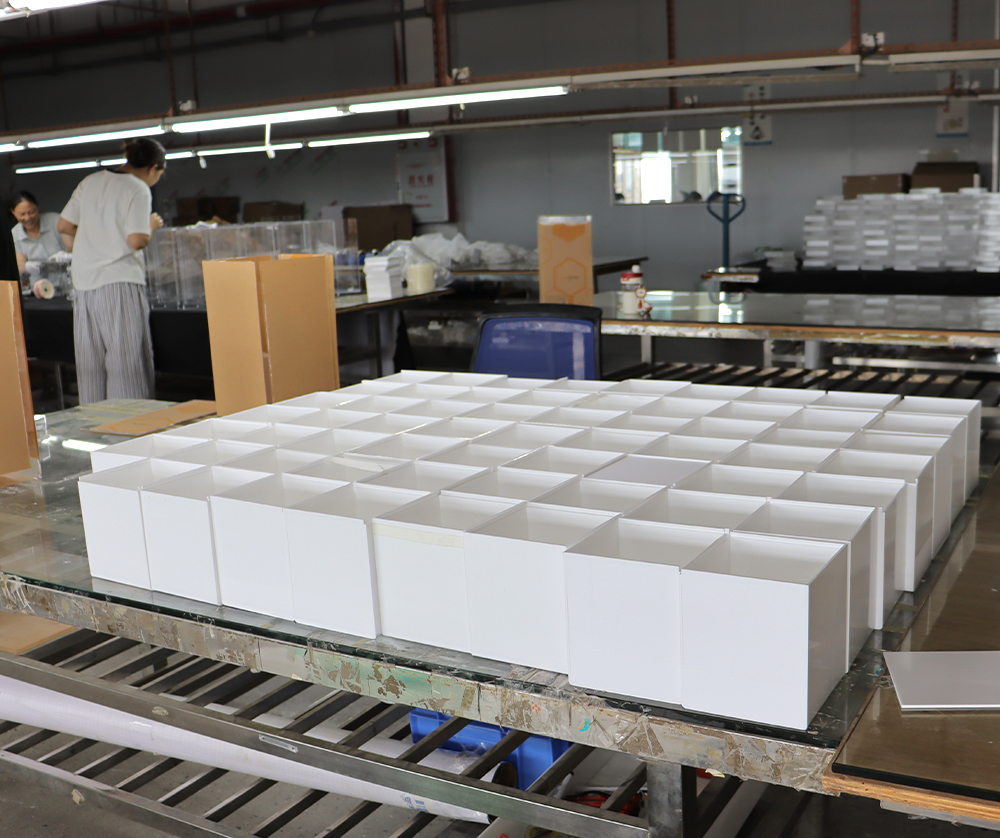
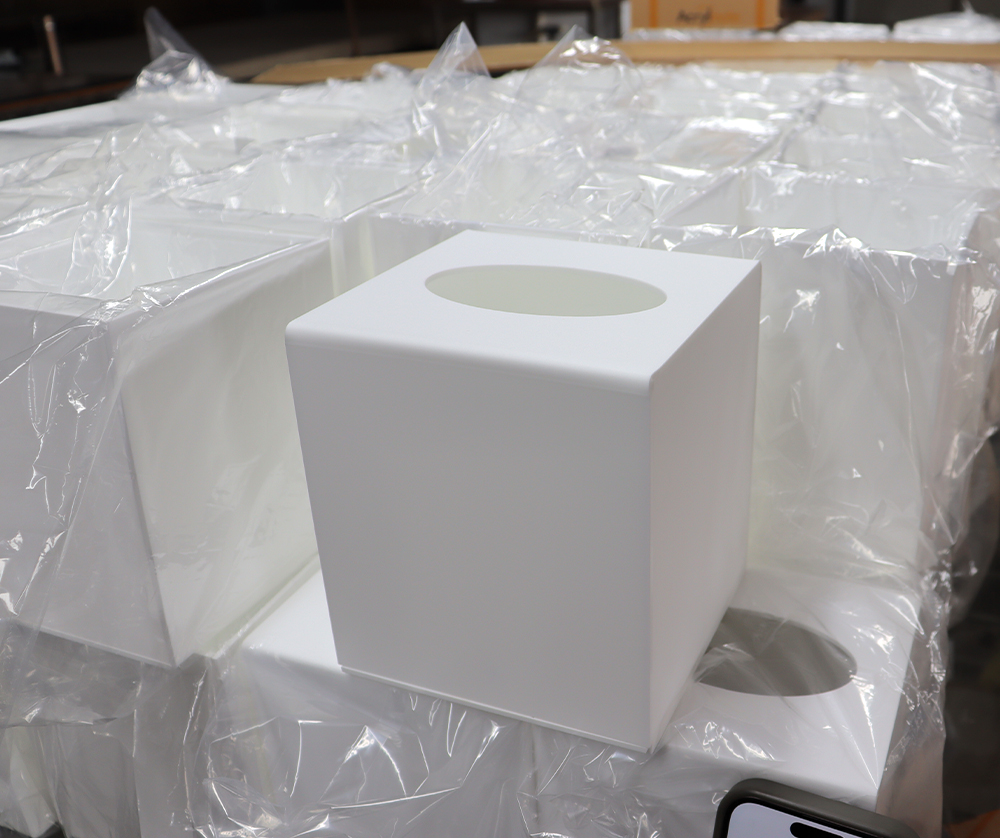
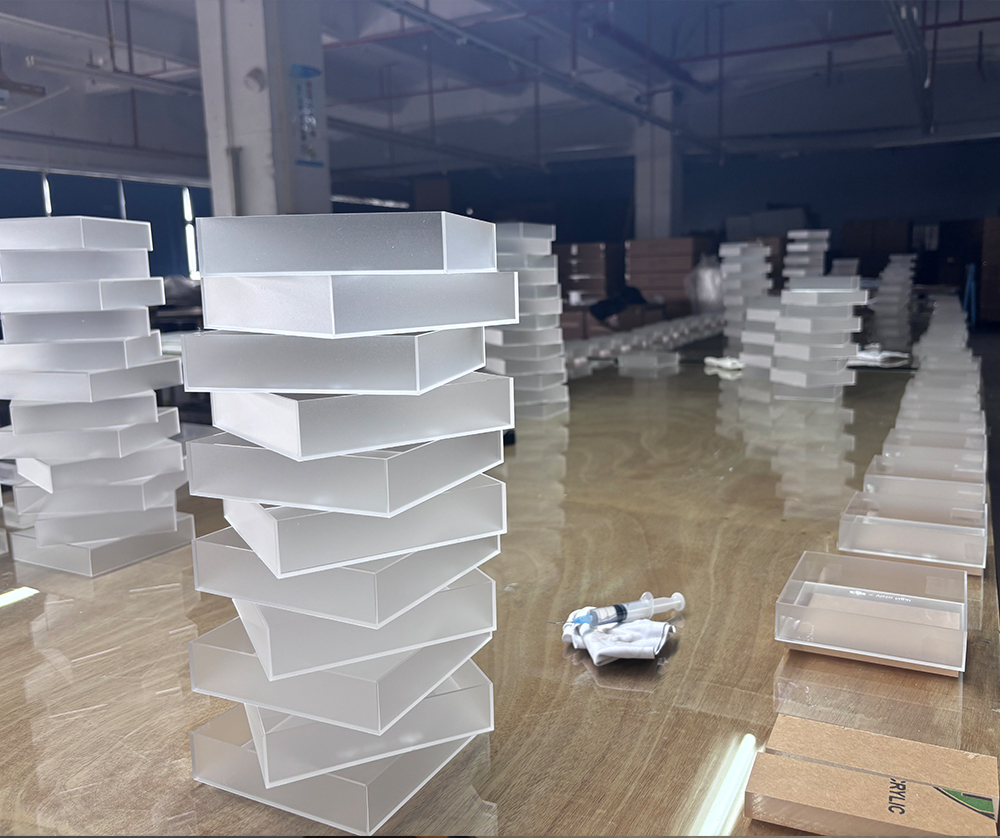
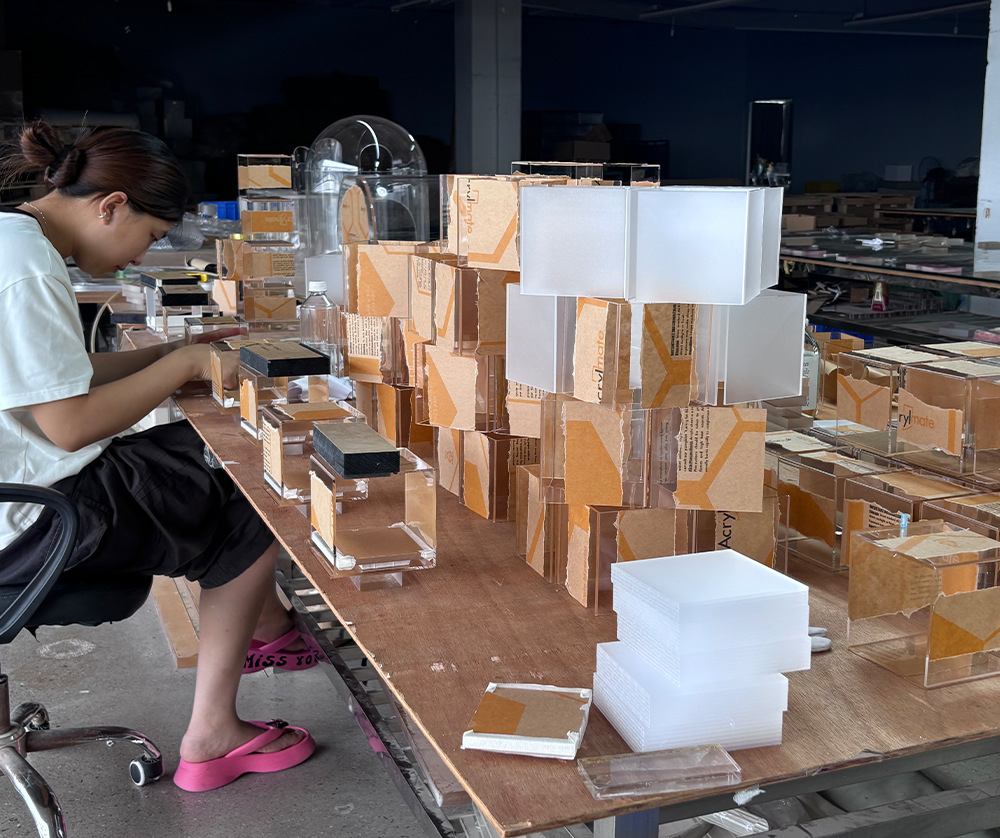
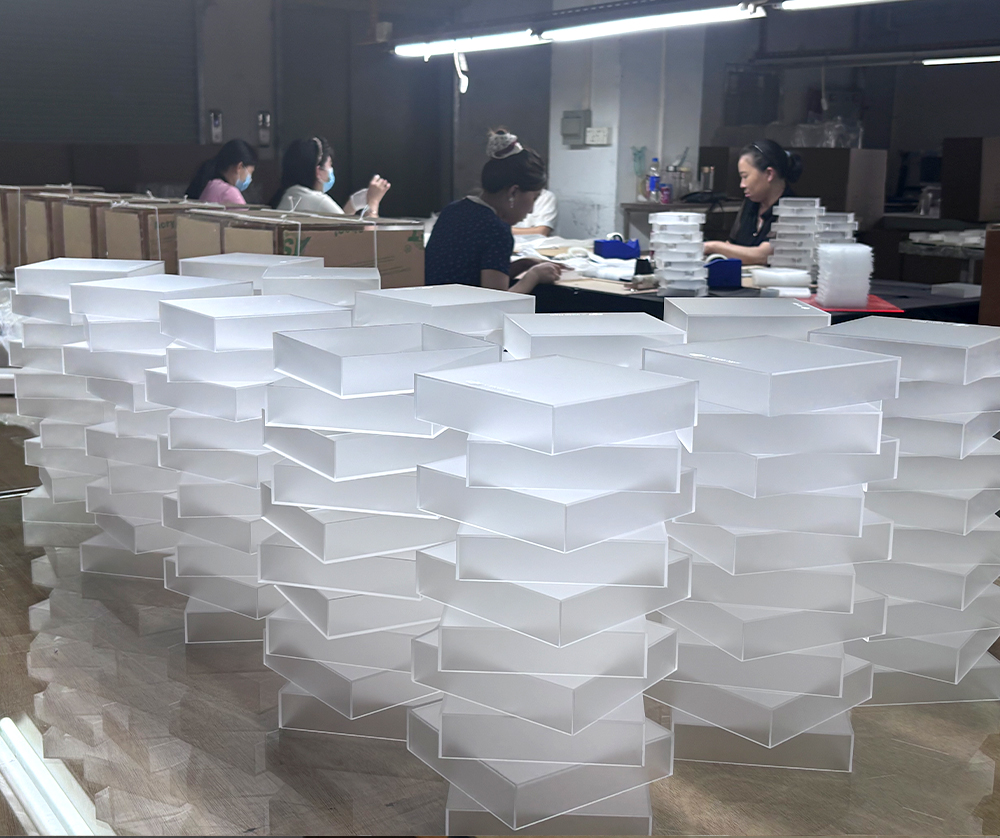
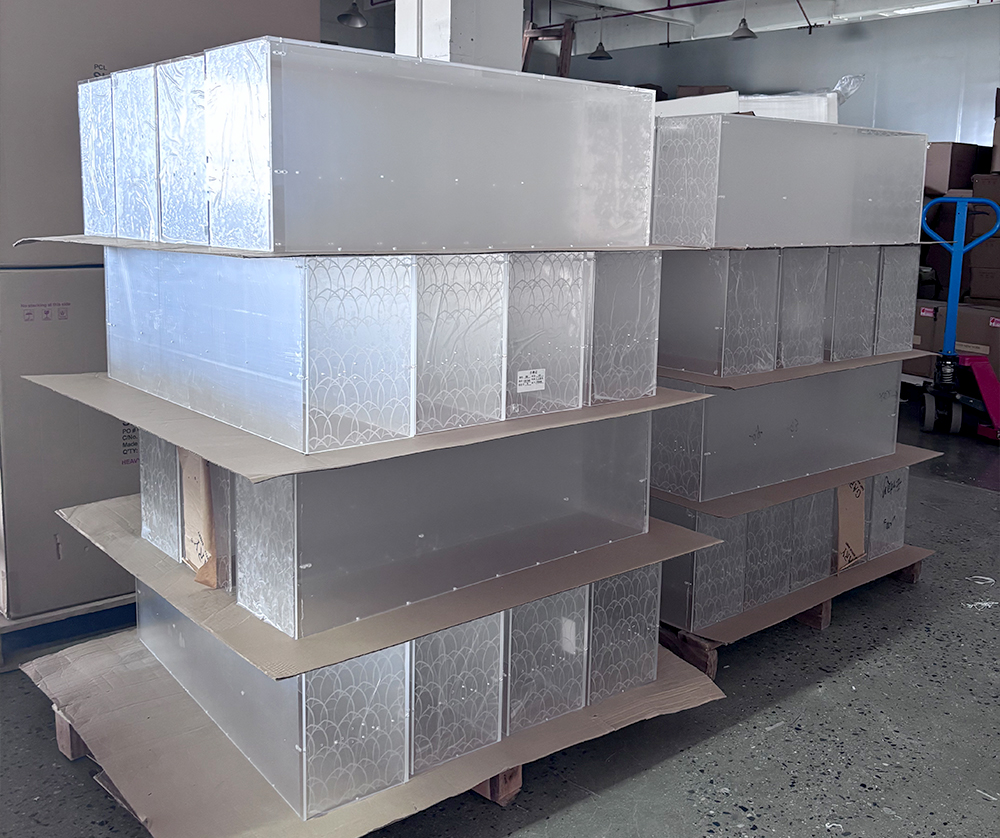
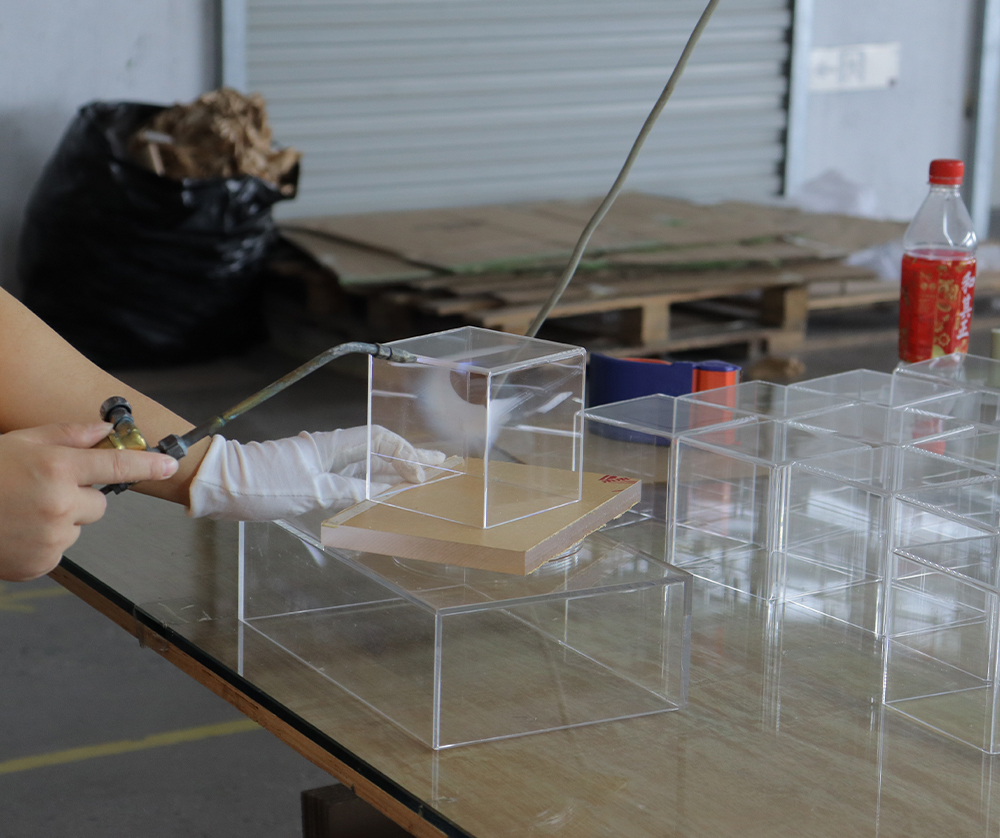
Bulk production process
Inquiry & Quotation
Consult customer service to confirm product specifications, craftsmanship, and quantity, then finalize the quotation and lead time.
Solution Confirmation
Formulate the solution,design the drawings, and confirm the final version.
Sample Production
The factory designs and produces samples, thensends them to the buyerfor confirmation.
Mass Production
The factory starts mass production in accordance with the confirmed samples. No modifications are allowed during production.
Products Shipment
Once production is completed, safety shipment will be arranged after the balance payment is settled.
FAQ
Put both measurements on the RFQ. “Fits a 4 × 6 photo” describes the insert, not the finished frame. Borders, magnets, panel thickness, floating space, and the base all add to the outside dimensions. It helps to state four things separately: visible image area, actual print size, finished frame size, and any shelf or carton limit. That small distinction prevents surprisingly expensive fit problems later.
Good magnetic acrylic photo frames do not depend on corner magnets alone. Panel contact, magnet position, paper thickness, and the display angle work together. A thin print used vertically may still creep, so the design may need a shallow locating recess, a clear insert, or a different magnet layout. During sampling, we test the real print upright and flat, then open the frame several times to see whether alignment changes.
Often, yes—but turning the frame changes its balance. A base that feels solid in landscape can rock or tip when the longer edge becomes vertical. Magnet positions, clear borders, feet, and the center of gravity also need to look right both ways. If staff or customers will rotate the frame, say so before sampling. We will treat portrait and landscape as two use conditions, not assume one automatically proves the other.
Yes, if the gap is designed around the real insert. Certificates, menus, layered prints, fabric swatches, pressed flowers, and promotional cards can all be thicker—or easier to crush—than photo paper. Send the maximum thickness and tell us whether compression is acceptable. A spacer, pocket, or recessed area may be needed. Without that information, a magnetic frame that closes neatly on one print may bow or stay partly open on another.
The magnets should be buried and flush, so they never touch the photograph. In practice, scratches are more likely to come from trapped dust, a rough recess, too much clamping pressure, or sliding the print across the panel during replacement. Delicate originals may need a clear sleeve or a no-contact margin. For approval, inspect the internal faces and change the actual print a few times—not just once while the sample is perfectly clean.
There is no honest universal cycle number. Service life depends on the recess accuracy, magnet retention method, acrylic thickness, adhesive choice, and how users pull the panels apart. For a program with frequent changes, set a cycle test that reflects store use. Afterward, look for loose magnets, chipped pockets, scratches, panel distortion, and weaker alignment. A supported test result is more useful than a round claim copied from another design.
They can, and preloading often saves store labor. It also adds a new production step that needs ownership. Confirm who supplies or prints the artwork, which side faces out, how revisions are approved, and how fingerprints and dust are controlled. Multi-SKU orders should use a packing list that links each print file to its frame and carton. Otherwise, a perfectly made frame can still arrive with the wrong campaign inside it.
Standardize the visible area, print size, orientation, and file naming before the first rollout. Give the frame, artwork, and destination a shared SKU or location code, then keep a simple revision list so old graphics are not reprinted by mistake. If stores change images themselves, provide an opening guide and an approved paper thickness. The aim is mundane but important: the right artwork, in the right frame, at the right location.
You Are Going To Benefit From
Fast Prototyping
Our in-house CNC and handcraft experts deliver precision prototypes in just 1-7 day, turning your concepts into realn acrylic samples with fast lead times and strict dimensional accuracy.
Integrated, Reliable Acrylic Supply Chain
From raw material sourcing, laser cutting, polishing, silk-screen printing to packaging, our full-chain production system covers every process to ensure stable quality and on-time delivery for your orders.
Consistent High-Quality Standards & Customer-Focused Service
With factory experience since 2011 and ISO9001 quality certification, we maintain strict quality control in every process.