
Custom Acrylic Mahjong Racks
JFM is a global supplier of custom acrylic mahjong stands. We offer customized services based on your specific needs and specifications. JFM is a leading manufacturer to meet your acrylic customization requirements. If you are looking for a custom acrylic mahjong stand solution, JFM is your ideal choice – a trustworthy and excellent manufacturer!



Quick specifications
| Item | Details |
|---|---|
| Product Scope | JFM manufactures complete acrylic mahjong racks as individual racks or matched four-player sets for mahjong brands, clubs, retailers, and private-label programs. Each order covers the released rack size, tile channel, pusher or scoring accessories where specified, branding, included components, packaging, and project documents. |
| MOQ | Order quantities typically start at 50–200 pieces, subject to the confirmed design and packing plan. |
| Sample Timing | Sample production is typically scheduled for 3–7 days after the specification is confirmed. |
| Production Lead Time | Bulk production is typically scheduled for 10–35 days. Final timing depends on order quantity, construction, finish, mixed materials, packing, and approval status. |
| Size, Thickness and Load | JFM processes acrylic from 5 to 100 mm for furniture components. The released model defines each thickness, support layout, use map, and acceptance method. |
| Material and Finish | A supported clear cast acrylic material reference may state up to 92% light transmission. That figure does not apply to smoked, tea, milky, gradient, frosted, pink, printed, or custom-tinted finishes, which require separate specifications. |
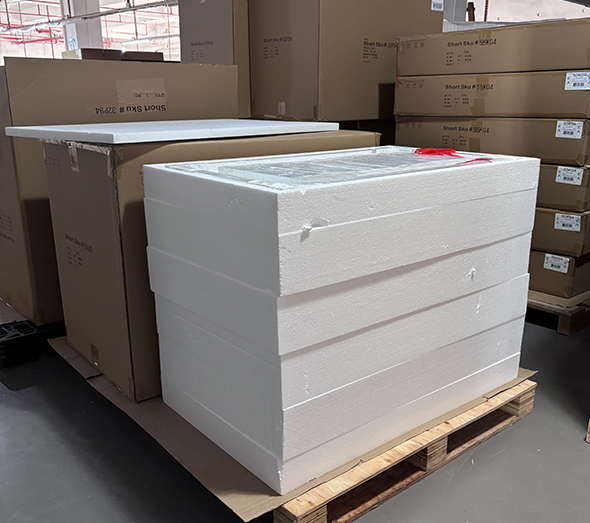
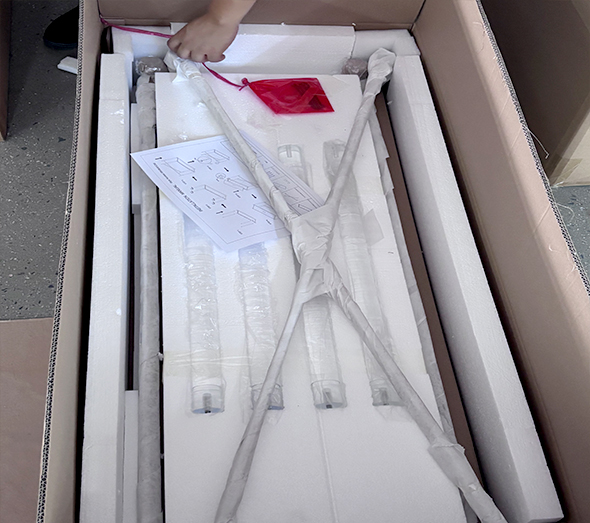
| Assembly and Packing | Furniture packs may use a PE bag, foam separation, foam board, a wooden case, and a pallet. We record the assembly state and carton plan for each SKU. |
| Shipping Terms | We can arrange EXW, FOB, DDU, or DDP delivery. The contract records the agreed schedule, supported by the confirmed production and packing plan. |
Build a Mahjong Rack Range That Fits Your Tiles and Sales Channel
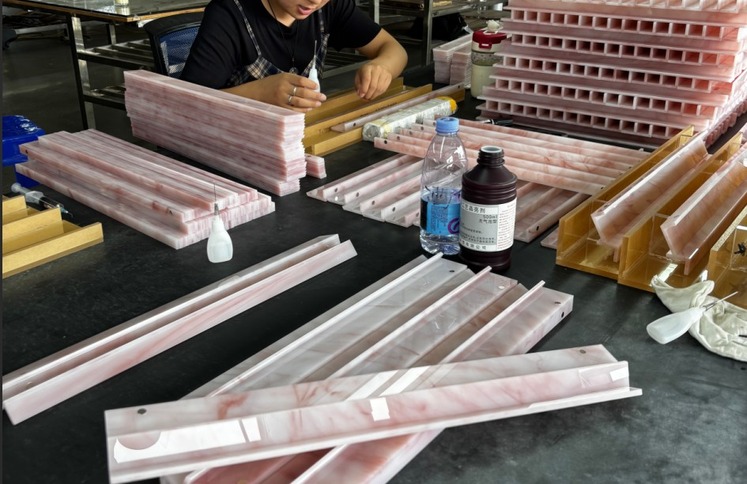
We manufacture acrylic mahjong racks and pushers for game brands, wholesalers, private-label sellers, retail programs, clubs, and events. You can start with a drawing, reference product, or intended use. We evaluate the rack length, tile channel, support angle, pusher structure, edge profile, surface finish, branding, set contents, and packing. The supply scope can be rack only, pusher only, a matched rack-and-pusher set, or a controlled four-player retail pack. The approved sample and specification give your team one reference for product fit, customer instructions, bulk inspection, replacements, and future color or packaging extensions.
Our Products
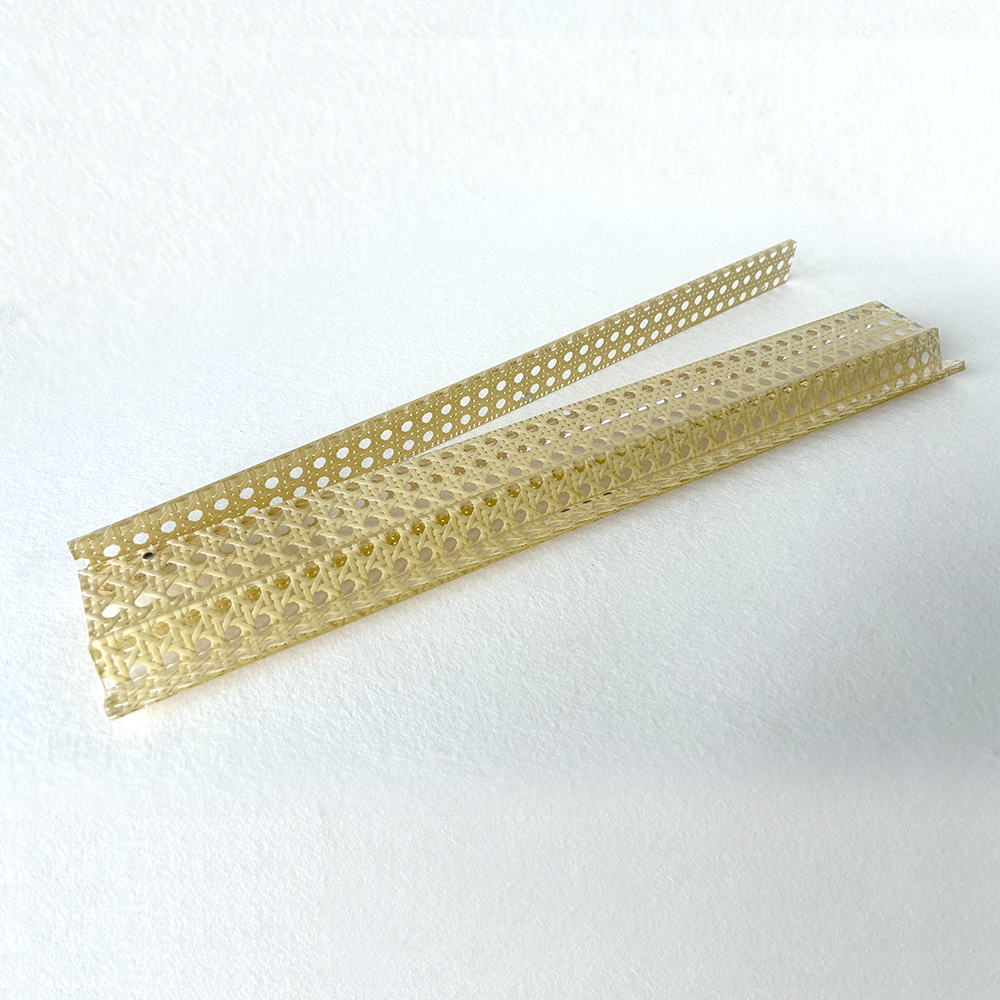
Acrylic Mahjong Racks with Pushers
Matched racks and pushers let you define one sellable set, one packing list, and clear replacement parts for your channel.
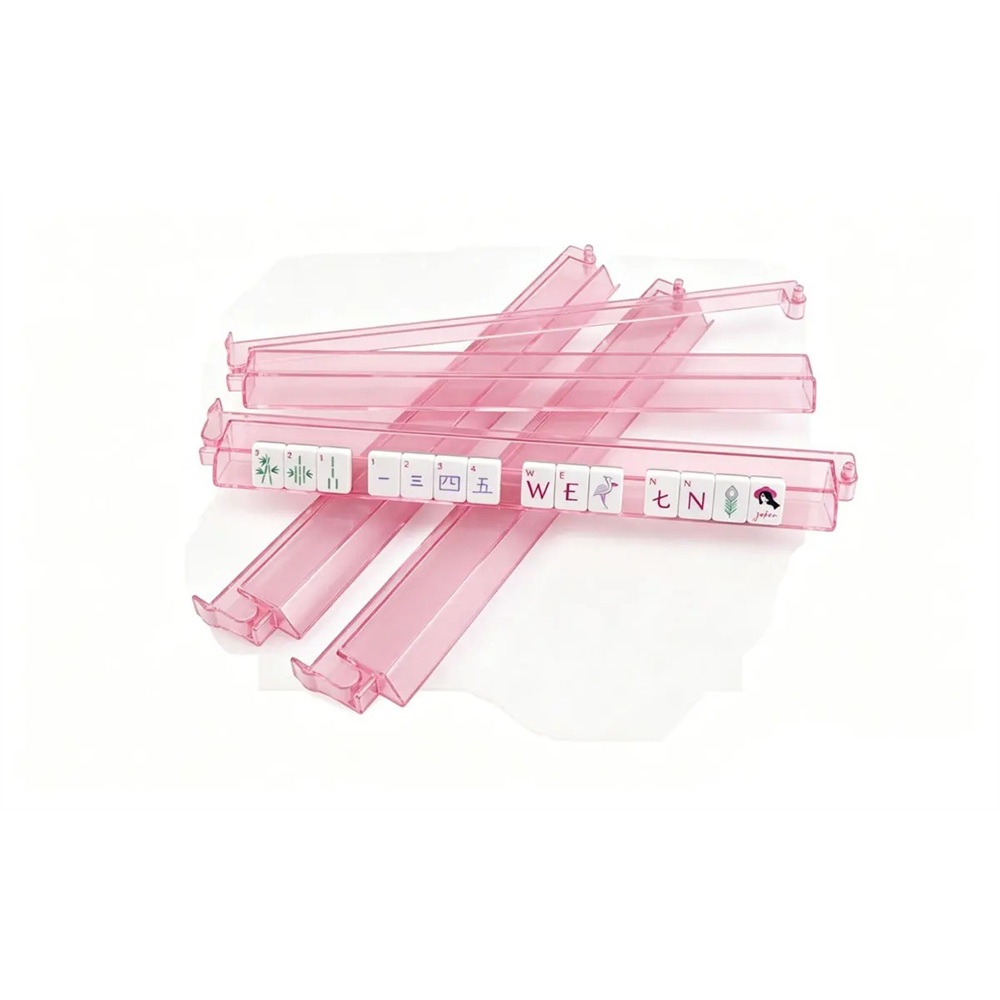
Clear Acrylic Mahjong Racks
Clear racks make the tile channel, polished edges, joints, branding, and surface condition easy for your team to inspect.
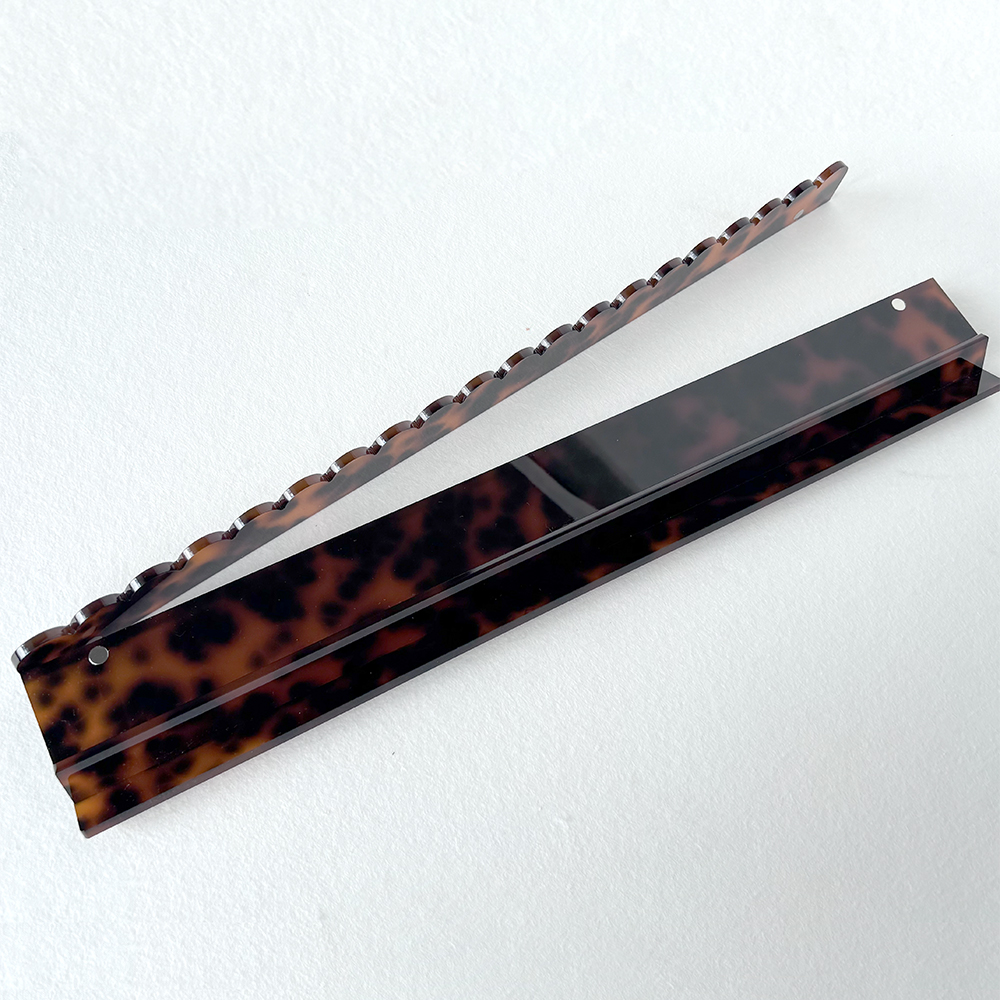
Magnetic Acrylic Mahjong Racks
Magnetic versions connect the rack and pusher. You approve alignment, holding feel, magnet position, encapsulation, and service parts on the sample.
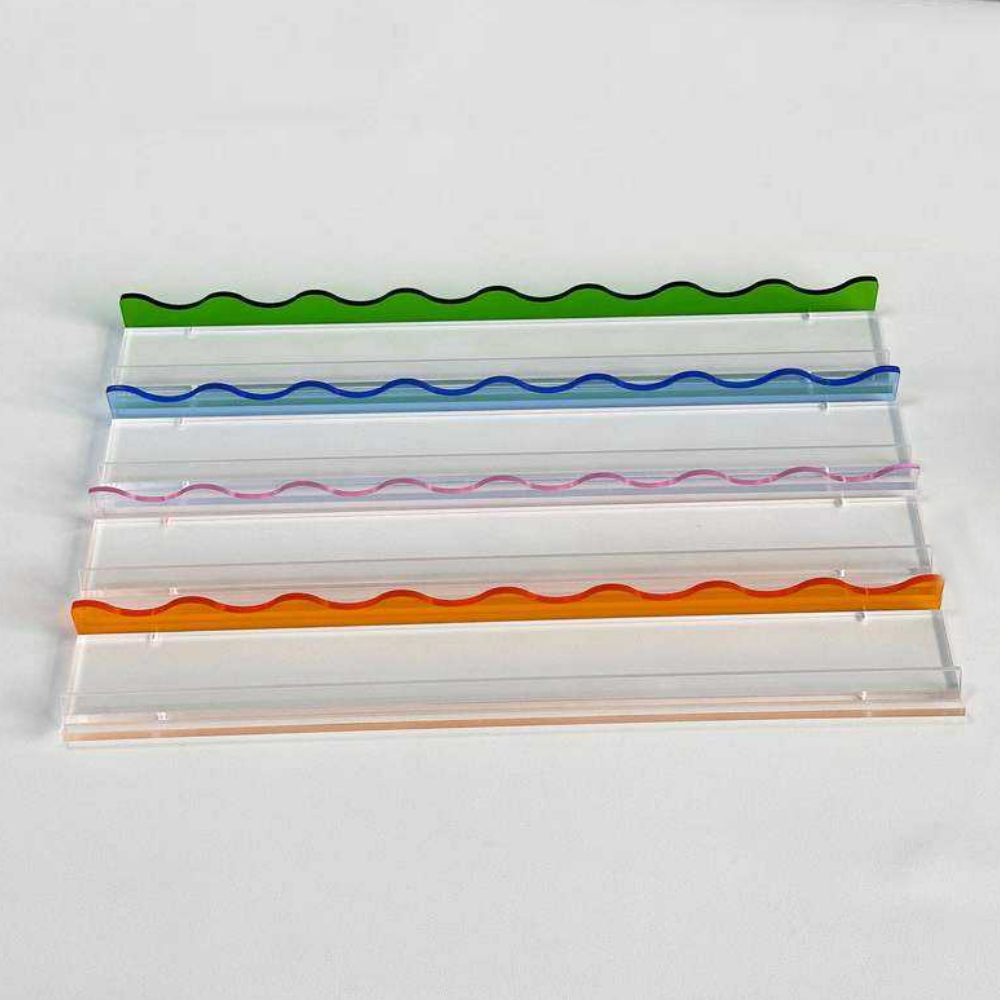
Scalloped Acrylic Mahjong Racks
Scalloped profiles create a distinct collection shape while giving you clear approval points for curves, hand contact, polishing, and paired pushers.
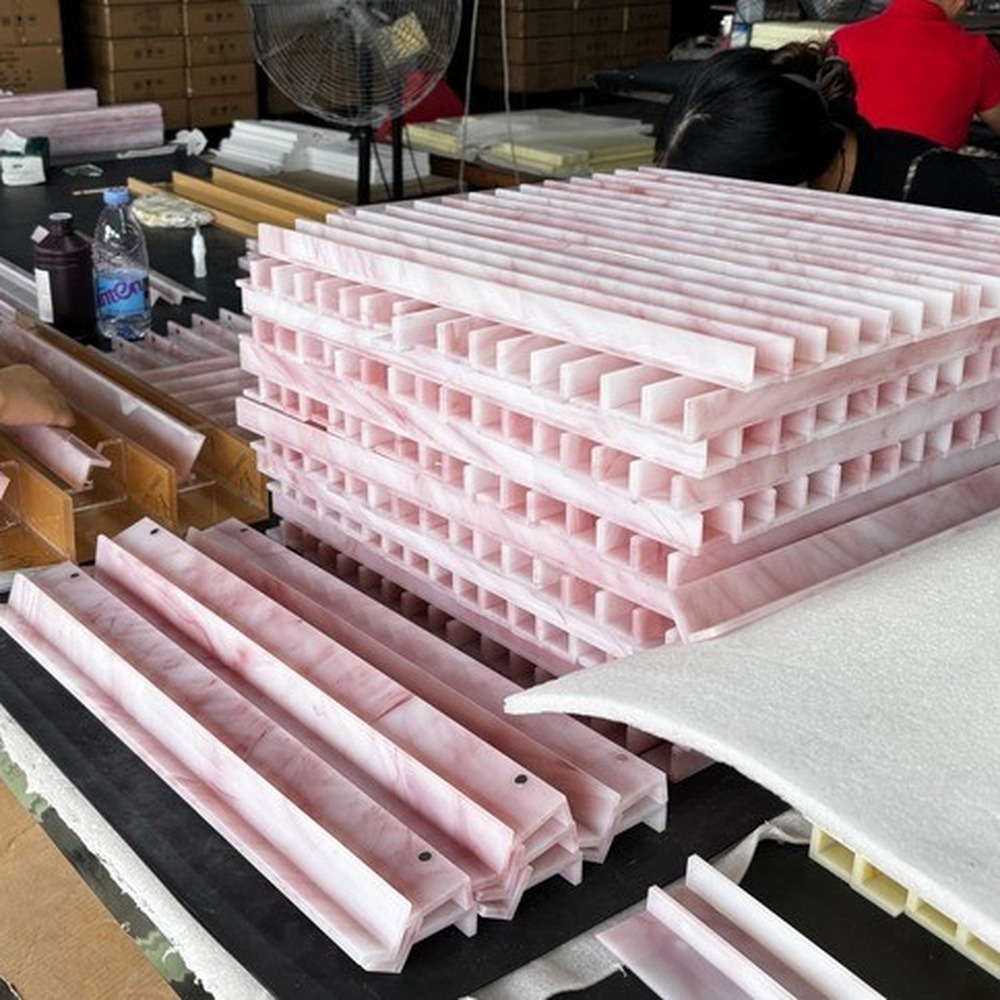
Custom Acrylic Mahjong Racks
Custom programs combine your tile dimensions, profile, colors, graphics, set contents, accessories, and private-label packing in one released specification.
Customization Range
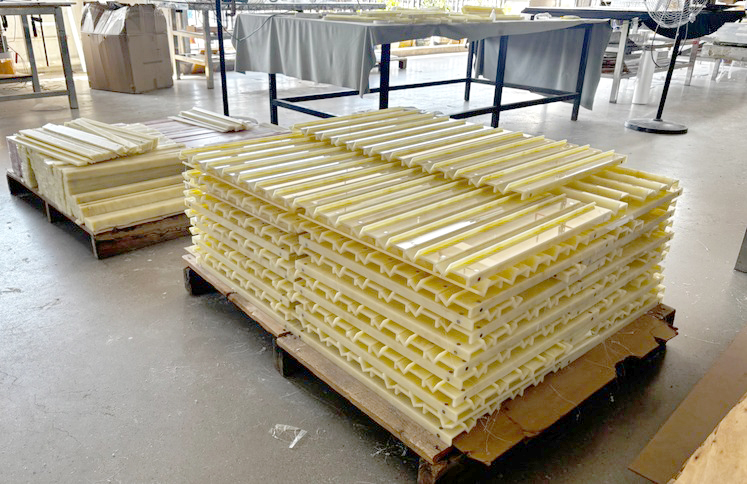
Mahjong Rack Size and Overall Size
We size the rack length, tile channel, support angle, pusher length, base, exposed-tile area, and packed set from your intended tiles.
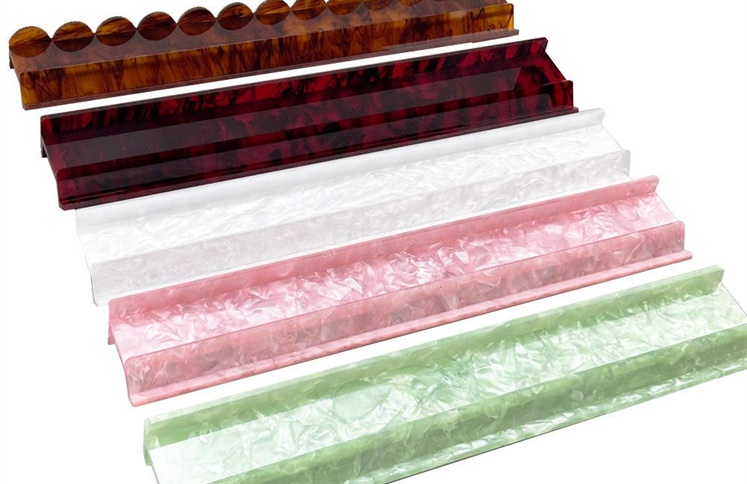
Acrylic Material Type
We record the acrylic grade, thickness, clarity, color, texture, pattern direction, protective film, and approved physical material reference by component.
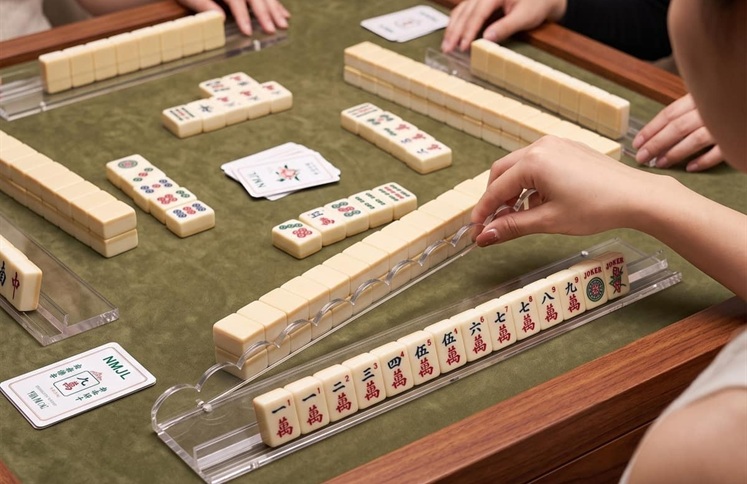
Console Table Structure and Use
You can specify rack only, pusher only, matched sets, single-layer, double-layer, separate, sliding, detachable, magnetic, folding, or custom structures.
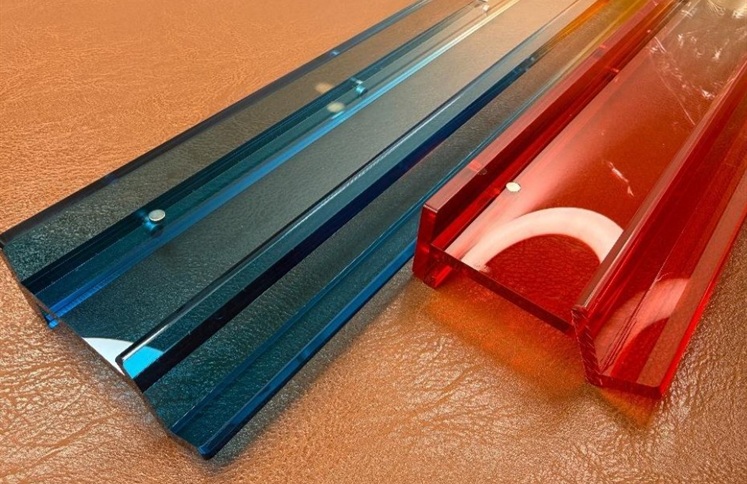
Surface Treatment
You can approve clear, solid, translucent, pearlescent, marbled, tortoiseshell, glitter, mirrored, frosted, printed, engraved, or custom-color finishes.
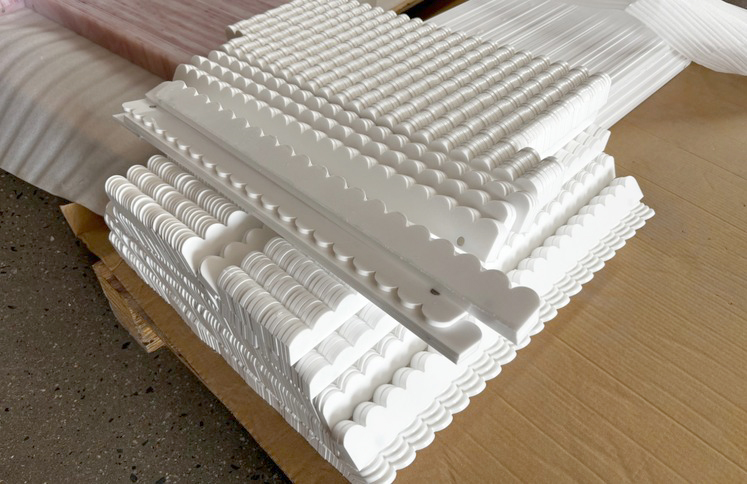
Edge and Corner Finish
We finish straight, scalloped, curved, radiused, chamfered, rounded, polished, or custom-profile edges against the approved sample and hand-contact points.
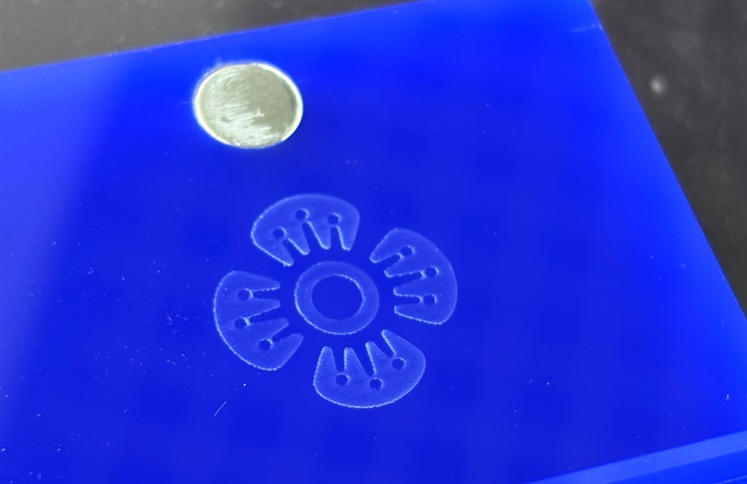
Branding and Personalization
Add laser engraving, screen printing, UV printing, names, sponsor marks, table numbers, logo panels, care labels, barcodes, and private-label artwork.
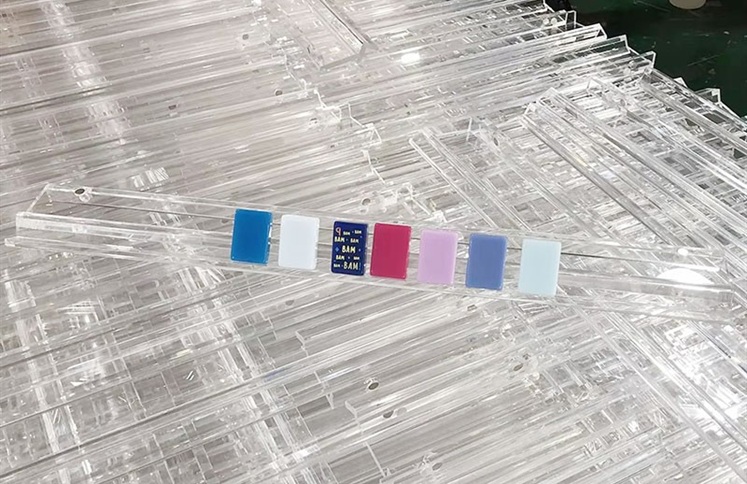
Hardware and Assembly
Your approved BOM records magnets, inserts, fasteners, pads, connectors, spare pushers, accessory parts, polarity, position, and assembly sequence.
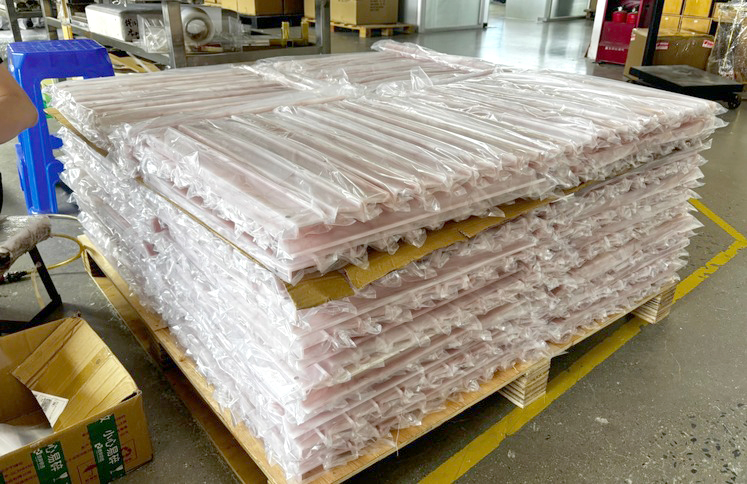
Packaging and Presentation
We prepare protective sleeves, divided bags, inserts, retail boxes, gift boxes, instructions, barcode labels, master cartons, and table-kit identification.
Feature Box
We Check Your Tiles in the Finished Rack Sample
You send a drawing or reference sample and tell us which tiles and playing format the rack must support. We evaluate the usable length, channel width and depth, support angle, exposed-tile space, base contact, and pusher length. The finished sample is checked with your tile sample or approved tile dimensions. You can see whether the tiles stand, move, and remain readable before the product and packaging are released for bulk production.
We Check the Pusher Connection Before You Approve It
A separate, sliding, detachable, or magnetic pusher changes alignment, handling, storage, and after-sales risk. We build the selected connection into the sample, check the travel and contact points, and record the approved parts in the drawing and BOM. For magnetic designs, position and polarity are controlled with the assembly reference. Your team approves the complete action and set contents instead of judging the rack and pusher as unrelated parts.
We Keep Every Rack, Pusher and Pack on the Same SKU
A multi-color range can lose margin when racks, pushers, bags, inserts, barcodes, or spare parts are mixed. We link every color and structure to its released drawing, BOM, physical finish reference, approved sample, packing list, and carton label. Your warehouse can identify the correct sellable set and replacement part, while future orders follow the same approved product and packing version unless your team authorizes a written change.
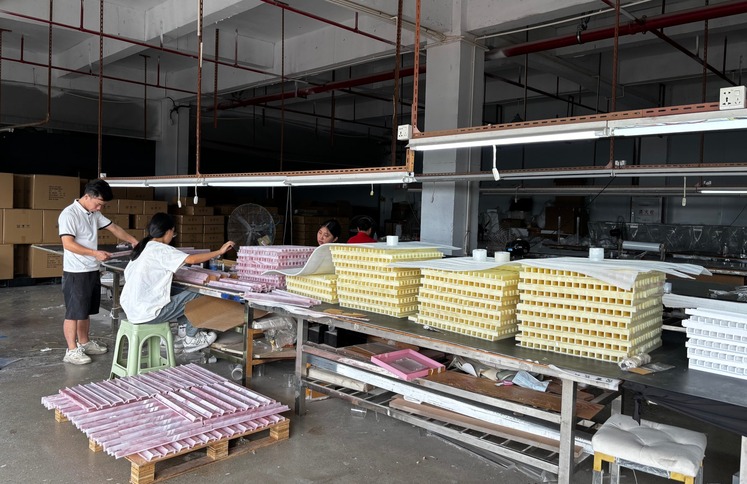
Manufacturing Process
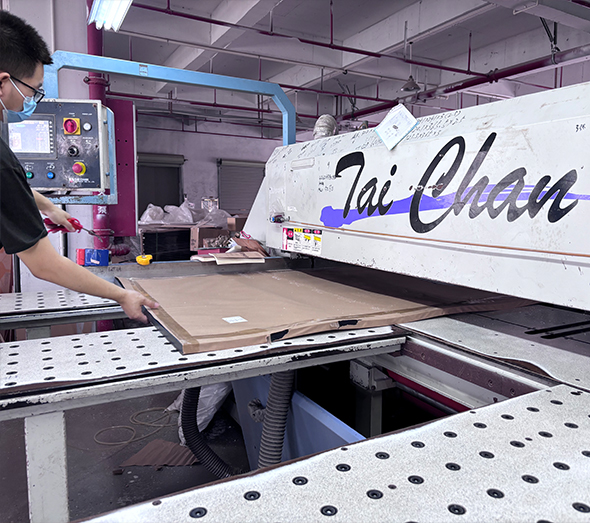
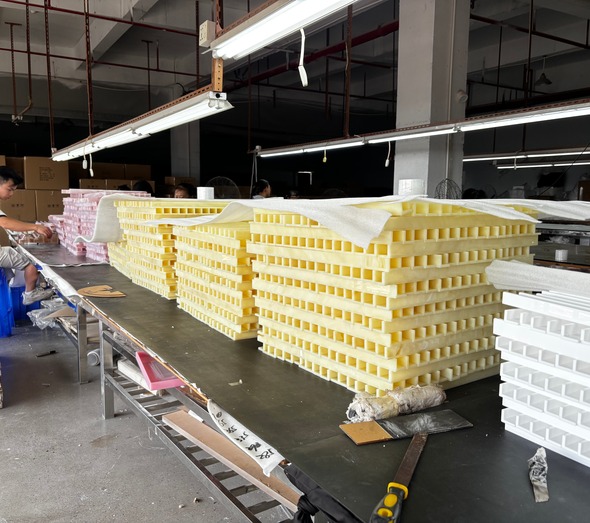
Electronic Saw Cutting
Your rack blanks, pushers, bases, supports, logo panels, inserts, templates, and packing parts are cut to the released production dimensions.
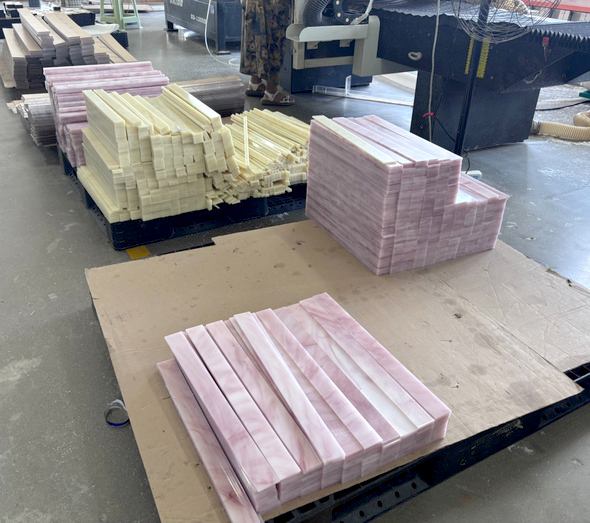
Cutting and CNC Machining
Your tile channels, profiles, slots, magnet pockets, connector positions, logo areas, and inspection references are machined from the approved production file.
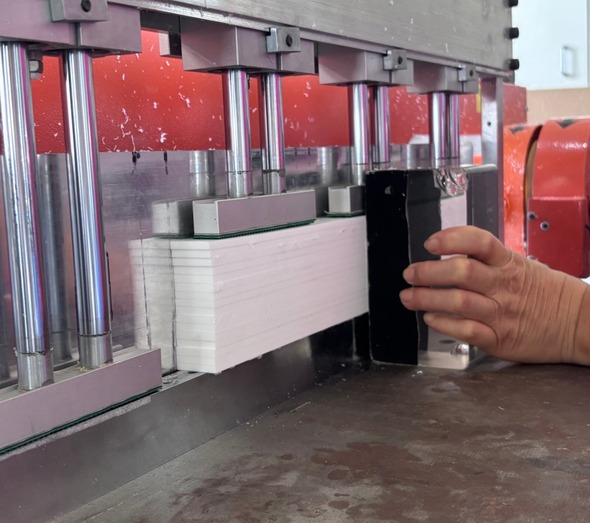
Edge Polishing and Forming
Your straight, scalloped, curved, slot, and hand-contact edges are ground, polished, and formed to the approved profile and finish sample.
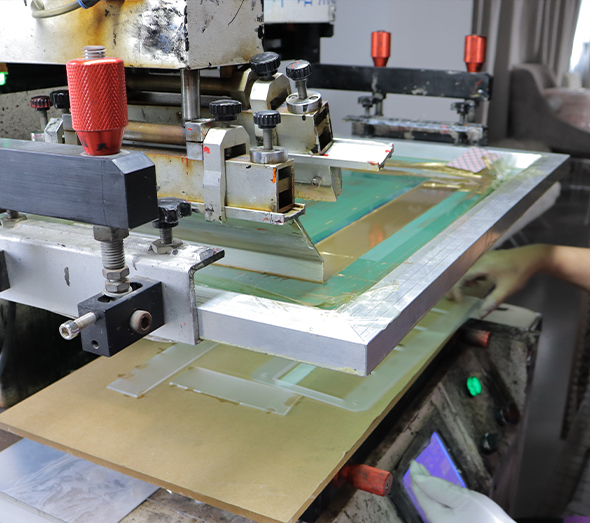
Printing and Engraving
Your logos, patterns, names, sponsor marks, table numbers, care labels, barcodes, and SKU marks follow the approved artwork and position.
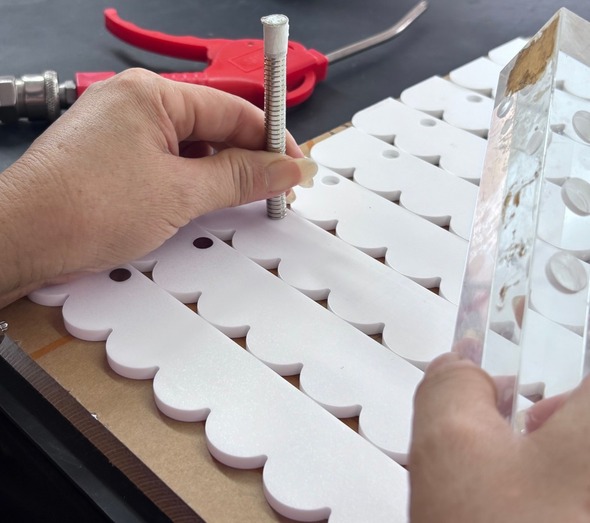
Hot bending
Your channels, back supports, returns, and formed profiles are bent to the approved angle, radius, direction, and checking fixture.
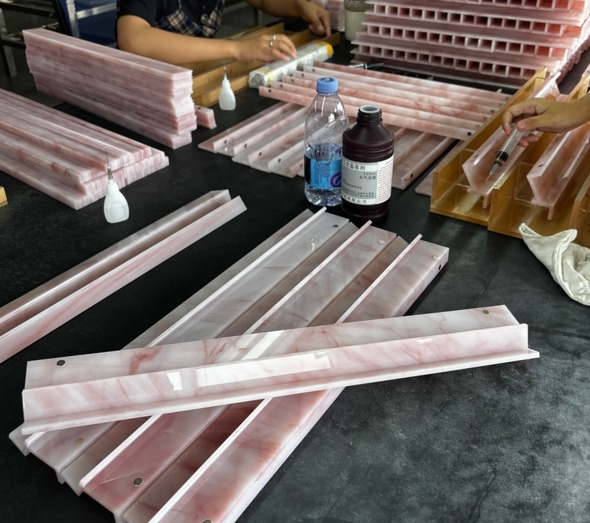
Bonding
Your layers, bases, supports, logo panels, inserts, and mixed-material interfaces remain in assembly fixtures while the approved bonding process sets.
Quality Inspection
We check dimensions, straightness, tile fit, pusher action, magnet position, surfaces, edges, color, branding, set contents, SKU identity, and packing records.
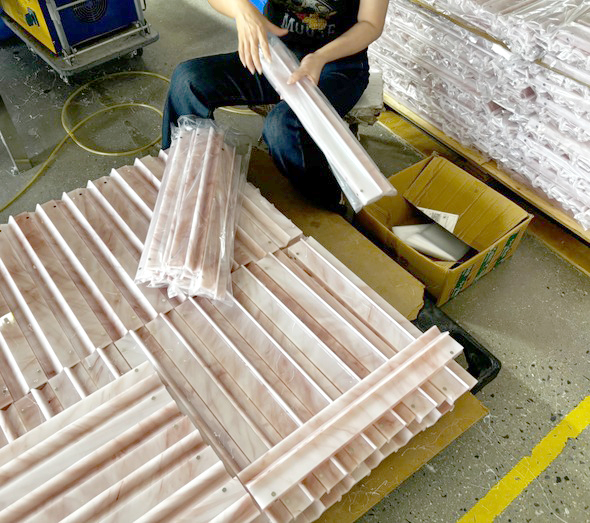
Protective Packing
Your approved pack retains protective film and adds individual separation, divided storage, restrained parts, labels, cartons, cases, or pallets.
Application
United States — October 2024: Magnetic Pushers Fit Every Rack
Project: A United States game-products brand ordered sets of acrylic mahjong racks and magnetic pushers in October 2024.
Client’s Concern: A reversed magnet or shifted pocket could make a pusher lift at one end. Customers would see the defect immediately and could return the set.
Solution: We machined magnet pockets from one file, checked center positions, and tested polarity in a fixture before bonding each rack and pusher pair.
Result: The checked pushers engaged their matching racks along the full length, and all four racks in a set used the same magnet arrangement. The brand had working matched sets rather than loose magnetic parts.
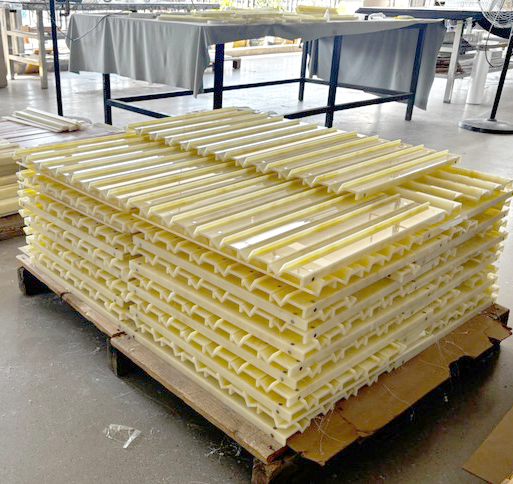
Canada — April 2025: One Rack Fit Both Tile Collections
Project: A Canadian mahjong retailer ordered 508 mm acrylic racks in April 2025 for two tile collections with different tile thicknesses.
Client’s Concern: A ledge sized for only one collection could hide tiles or push the thicker row too far forward. The retailer could face returns from buyers of the other collection.
Solution: We set the ledge angle and front edge on one fixture, checked usable depth, and tested complete rows from both approved tile sets in the rack.
Result: Both tile collections fitted within the 508 mm rack and remained visible on the checked sample. The retailer could use one approved rack design for both collections.
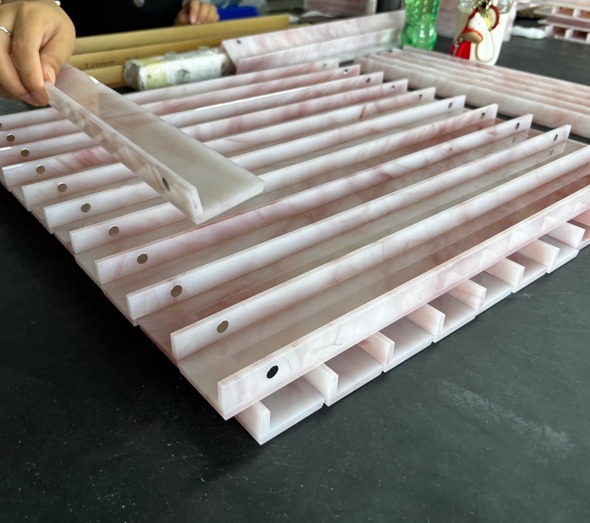
Singapore — December 2025: Mahjong Rack Kits Stayed Complete
Project: A Singapore event-merchandise buyer ordered acrylic mahjong rack kits in December 2025. Each kit contained four engraved racks and four matching pushers.
Client’s Concern: Long polished pieces could scratch or separate, and staff might return a pusher to the wrong numbered rack. Missing or mixed pieces would slow event turnaround.
Solution: We matched racks and pushers by table number, sleeved each polished piece, divided the carton, and checked all eight pieces before closing the kit.
Result: Each checked kit contained its four rack-and-pusher pairs, with matching numbers visible for sorting. The buyer had complete identified sets for event use.
Bulk Production Process
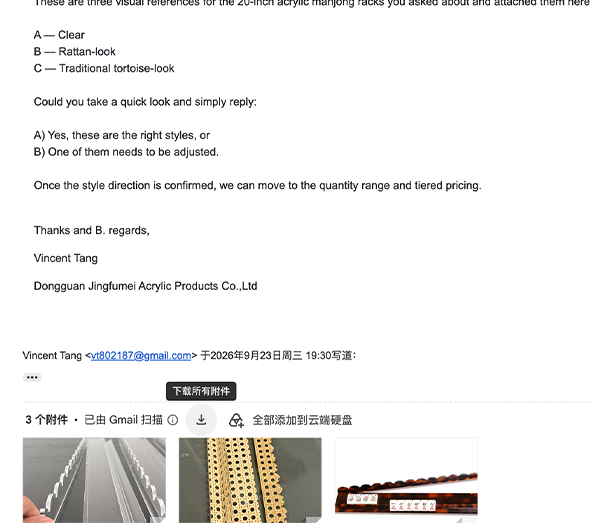
1. Inquiry & Quotation
Consult customer service to confirm product specifications, craftsmanship, and quantity, then finalize the quotation and lead time.
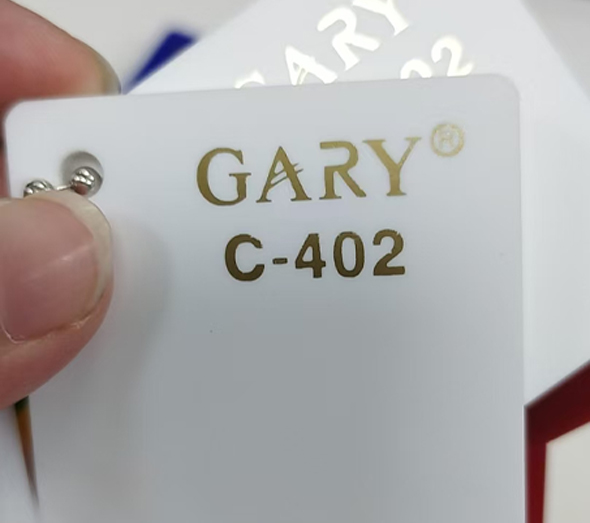
2. Solution Confirmation
Formulate the solution, design the drawings, and confirm the final version.
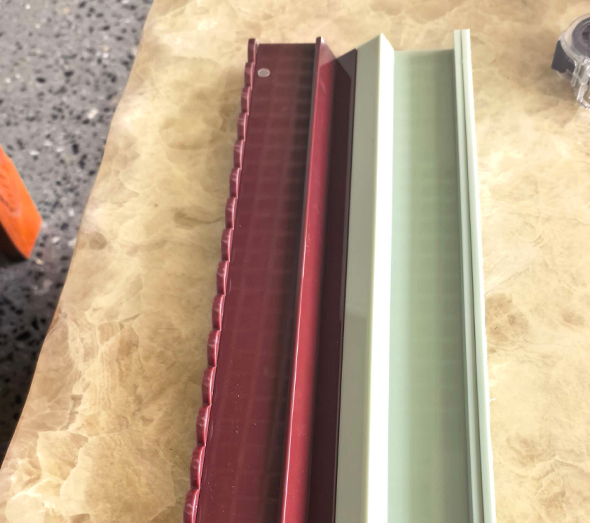
3. Sample Production
The factory designs and produces samples, then sends them to the buyer for confirmation.
4. Mass Production
The factory starts mass production in accordance with the confirmed samples. No modifications are allowed during production.
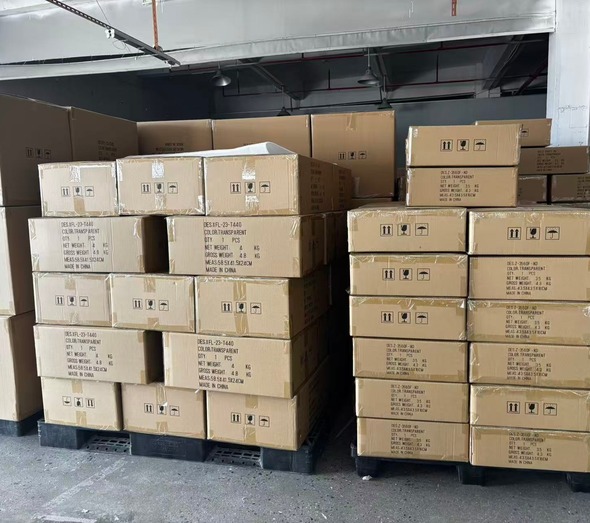
5.Products Shipment
Once production is completed, safe shipment will be arranged after the balance payment is settled.
Packing Facts
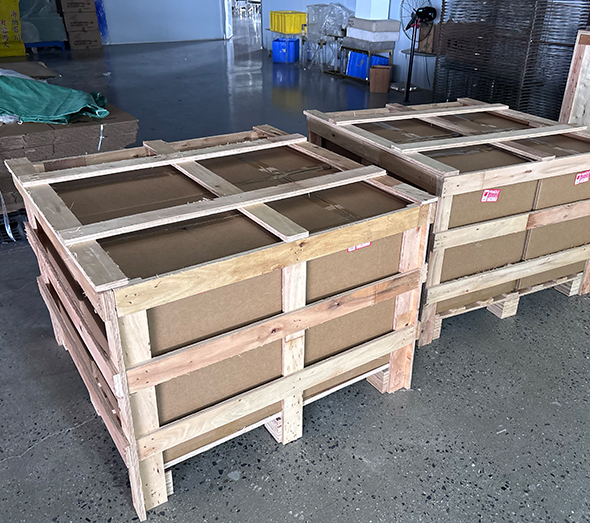
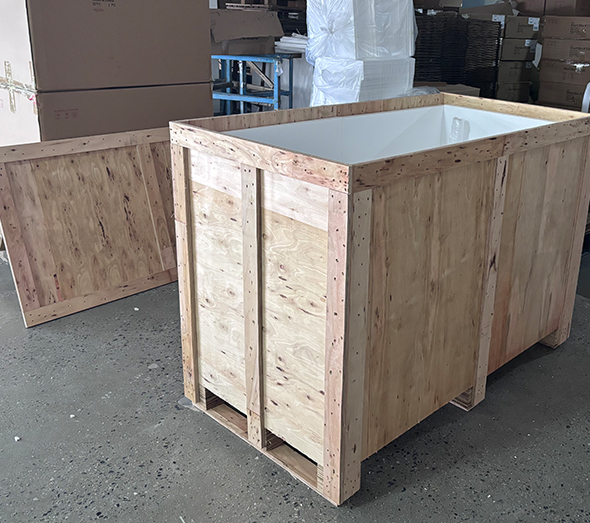
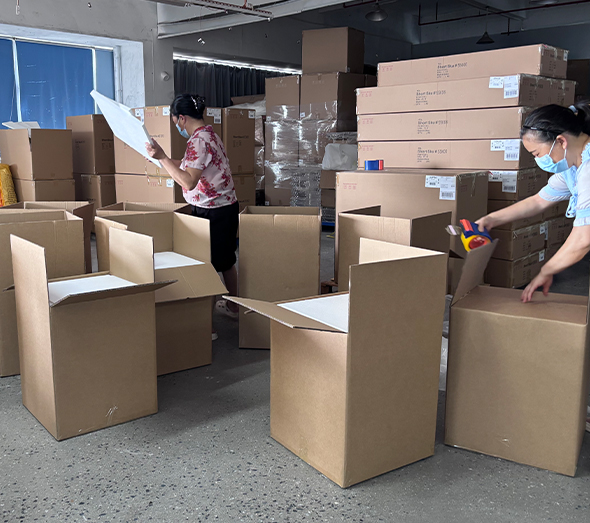
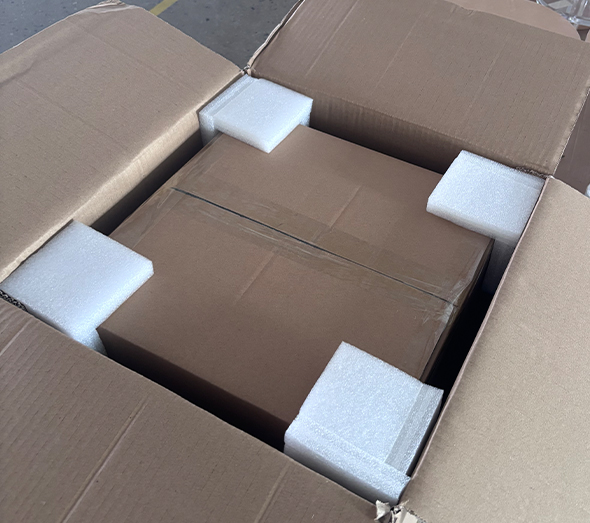
Packaging materials
Outer packaging materials:Corrugated Boxes, Honeycomb Boards, Custom Gift Boxes, Wooden box; Cushioning materials:cushioning materials, Air Pillows, EPE, Honeycomb Paper, Kraft Paper Fillers; Sealing and securing materials:BOPP Transparent Tape, Kraft paper tape, Custom Printed Tape, Stretch Film; Special protective materials:Desiccant, Anti-Static Bags……
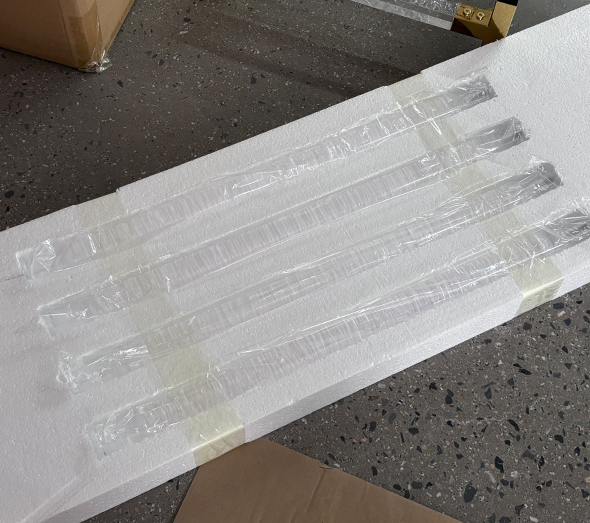
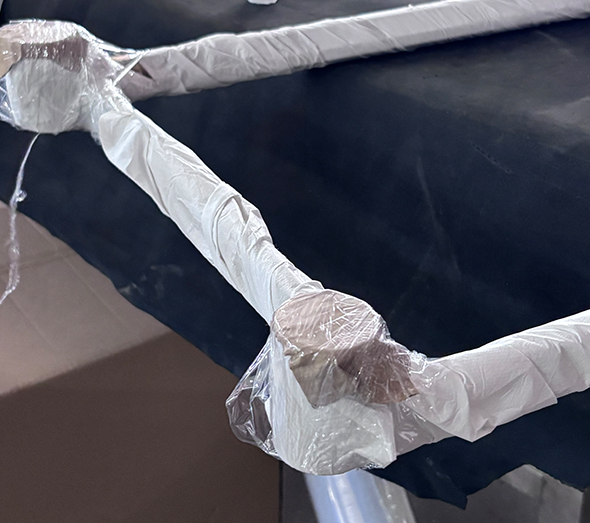
Surface and Edge Protection
A published acrylic-furniture pack uses PE film or bag, pearl-cotton or bubble separation, foam board, wooden case, and pallet to stop surface contact.
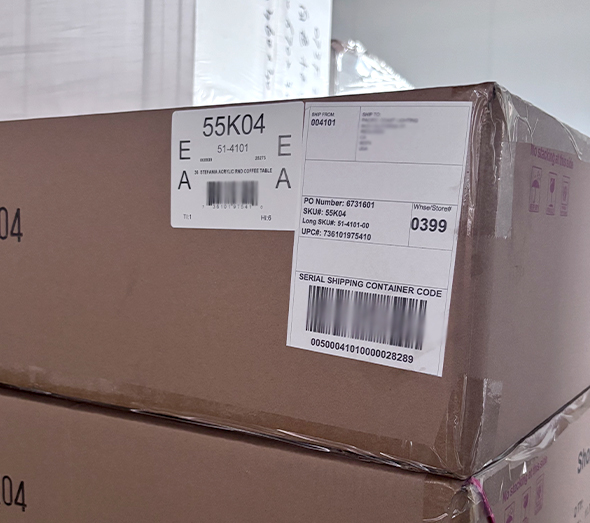
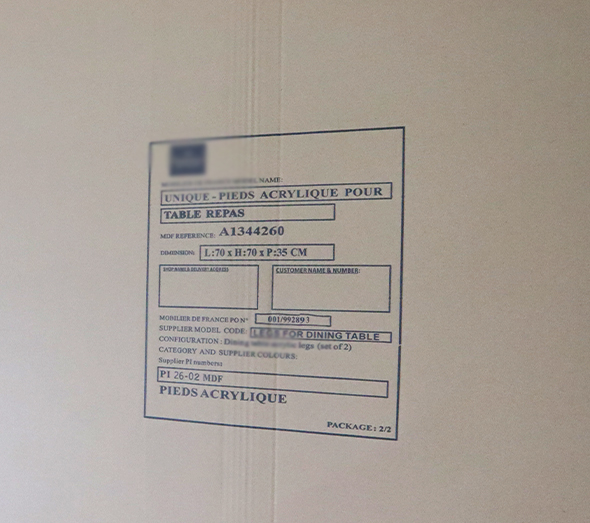
Sets and Carton Identification
Nesting sizes remain separate SKUs. Carton labels list each size, color, pieces per set, quantity, destination, store, room, or project zone.
FAQ
Use “mahjong” as your primary product and URL spelling, then include “Mah Jongg” naturally where American buyers expect it. Treat “majong” as a search-query typo, not a headline term. Keep the chosen wording consistent across listings, retailer feeds, packaging, and product data. This preserves a professional presentation while letting you monitor alternate spellings without creating duplicate pages or fragmented sales reports.
Start with how your channel sells and services the product. Define every SKU by its exact component count, selling unit, barcode, replacement policy, and storage accessory status. A complete four-player set may simplify retail, while rack-only or pusher-only SKUs can support after-sales needs. Comparing margin, packing cost, and expected replacement demand helps you build a range customers understand without carrying unnecessary duplicates.
Do not make length the only decision. Compare the tile sizes used by your target players, concealed-hand capacity, exposed-tile space, pusher length, storage-bag fit, and retailer shelf constraints. Test the proposed rack with actual target tiles before launch. If the longer format solves a frequent fit problem, it can earn core-SKU status; if demand is narrow, keep it as a controlled extension rather than permanent inventory.
Choose a magnetic pusher only when easier alignment, handling, or storage creates value your buyers can clearly explain. Balance that benefit against added parts, assembly control, possible loss or detachment, service demand, and market-specific safety review. Approve the connection on a production-intent sample and define what happens when one component is damaged. This turns magnetism into a useful feature instead of an expensive source of returns.
Your price story needs more than material alone. Buyers may value a distinctive silhouette, coordinated colors, comfortable edges, a well-resolved pusher, complete set presentation, and strong shelf or lifestyle photography. Compare the whole customer experience, not just the rack. A premium position is more credible when the design is recognizable, the use experience is consistent, and retailers can communicate the difference without relying on unsupported durability claims.
Decide before launch which components can be replaced individually and how customers will identify the correct version. Use SKU or batch references for rack length, color, pusher type, and connection details, then reserve service stock based on your channel’s likely failure and loss patterns. A controlled replacement system can protect full-set reviews, reduce unnecessary refunds, and keep minor after-sales issues from consuming the margin on future reorders.
Publish the tested tile dimensions and quantity, usable rack length, slot profile, pusher length, set contents, and any known fit exclusions. Add photographs showing real tiles from the front, side, and exposed-tile area rather than relying on “standard size.” Give distributors the same specification sheet used for product approval. Clear fit evidence helps their customer-service teams answer questions consistently and prevents a broad compatibility claim from becoming your return problem.
Plan from the number of active tables, existing tile sets, setup routine, event schedule, and expected reuse. Define one table kit, a check-in checklist, table or sponsor identification, and a separate pool of approved spares. Keep one-time event graphics distinct from reusable components where practical. This makes distribution and reconciliation easier for the organizer while helping you judge whether a customized event order can lead to repeatable club business.
Request a Quote for Your Side Table Project
Product Specification
Send your company details, drawing or reference, dimensions, color, intended use, quantity for each design, and destination.
Destination and Timing
Add the preferred packing method, target arrival date, and whether the order is for wholesale, private label, or an interior project.
Commercial Context
We can then review the sample and bulk quotation on the right basis.