
Custom Acrylic Bar Cart
JFM is a global supplier of custom acrylic Bar Carts. We offer customized services based on your specific needs and specifications. JFM is an outstanding manufacturer that meets your acrylic customization requirements. If you are looking for custom acrylic Bar Cart solutions, JFM is your ideal choice – a trustworthy and excellent manufacturer!







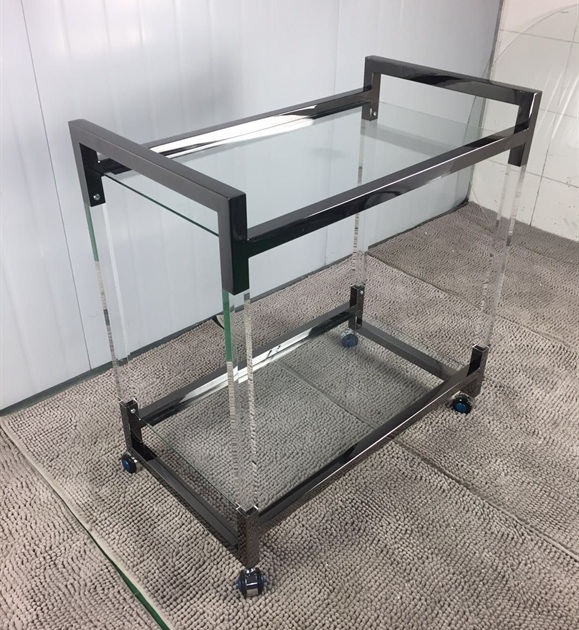
Quick specifications
| Item | Details |
|---|---|
| Product Scope | We produce acrylic bar carts in clear, wheeled, 2-tier, and 3-tier formats from drawings, reference samples, or specified dimensions for furniture, wholesale, hospitality, and event programs. |
| MOQ | Standard orders can start at 50–200 pieces, depending on the design, finish, hardware, packaging, and SKU mix. |
| Sample Timing | Sample production usually takes 3–7 days after the structure, materials, finish, hardware, and key dimensions are confirmed. |
| Production Lead Time | Bulk production is scheduled for 10–35 days, depending on order quantity, material availability, and product complexity. |
| Size, Thickness and Load | We can process 5–100 mm acrylic for frames, shelves, rails, handles, panels, and other furniture components. |
| Material and Finish | Cast acrylic with 92% light transmission is available in clear, smoked grey, tea, milky white, gradient, frosted, and custom-tinted finishes. |
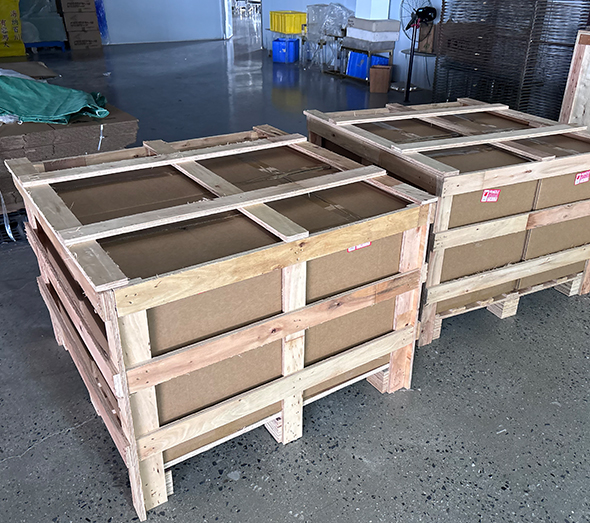
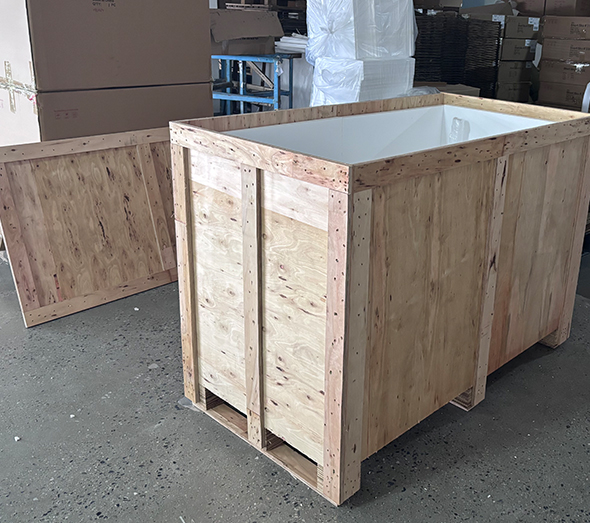
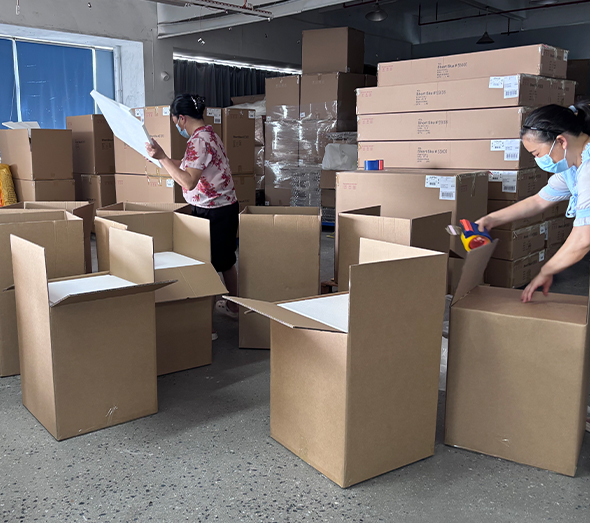
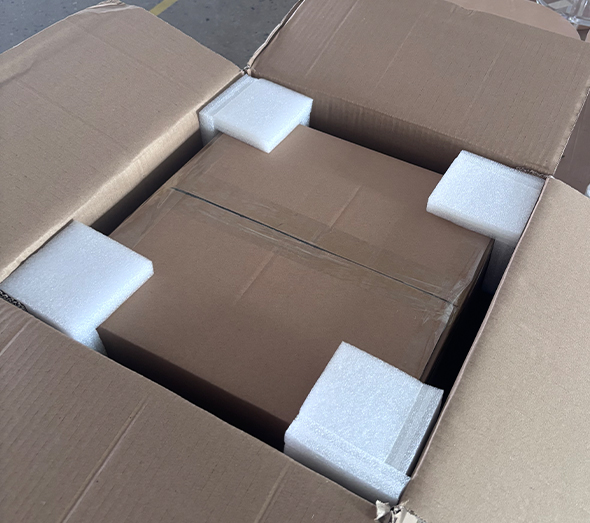
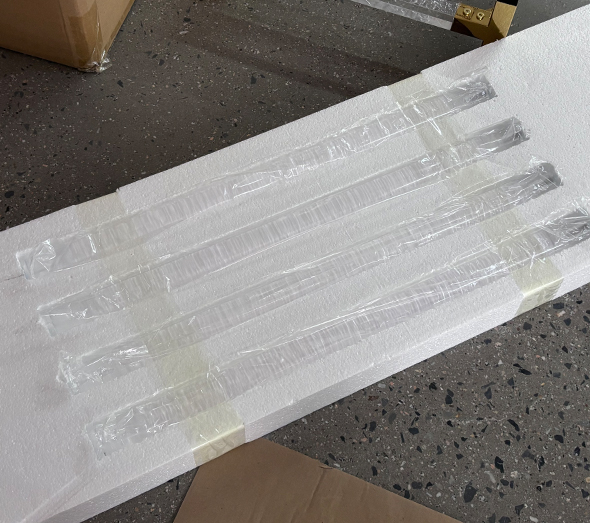
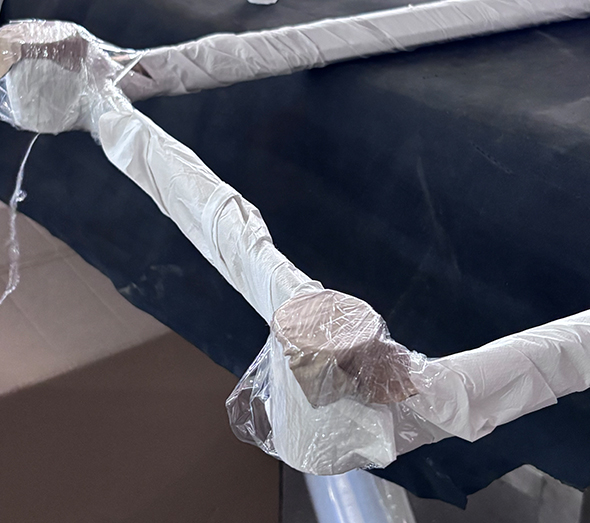
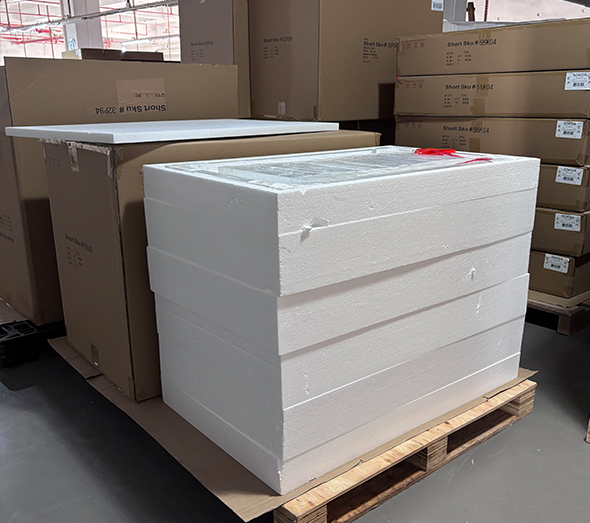
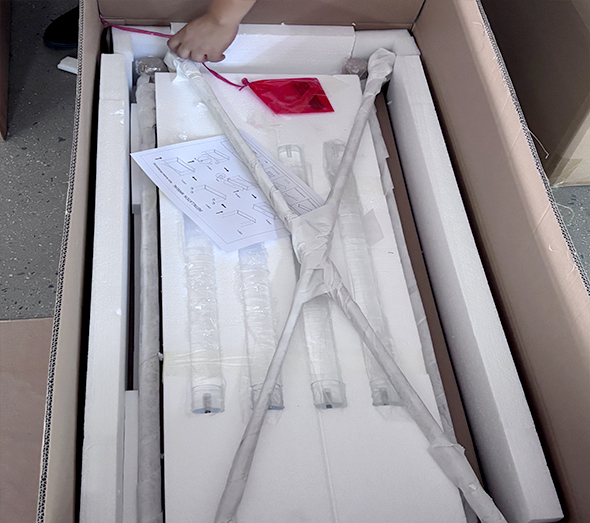
| Assembly and Packing | Each cart pack can include a PE bag, foam separation, foam board, a wooden case, and a pallet. Assembly and carton details are recorded by SKU. |
| Shipping Terms | We provide protective packing and support EXW, FOB, DDU, or DDP delivery according to the schedule agreed in the contract. |
Develop a Bar Cart Range for Your Brand or Project
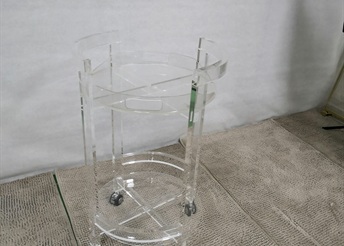
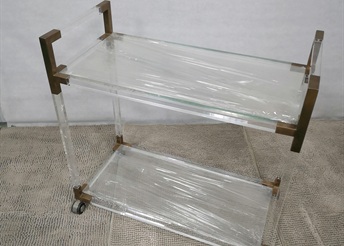
We develop bar cart ranges for furniture brands, importers, wholesalers, hotels, restaurants, event-rental companies, and beverage campaigns. Start with a drawing, reference design, or intended service route. We review the footprint, tier spacing, usable shelf area, handle position, guard rails, caster interfaces, mixed materials, assembly, and packing. Buyers may describe a clear model as a Lucite bar cart or Plexiglass bar cart, but the approved specification names the material in each component. An OEM acrylic bar cart remains focused on beverage, cocktail, wine, coffee, or event service. General utility, medical, salon, and storage carts belong to the separate Acrylic Trolley range. The approved sample then guides inspection, receiving, service parts, and repeat orders.
Our Products
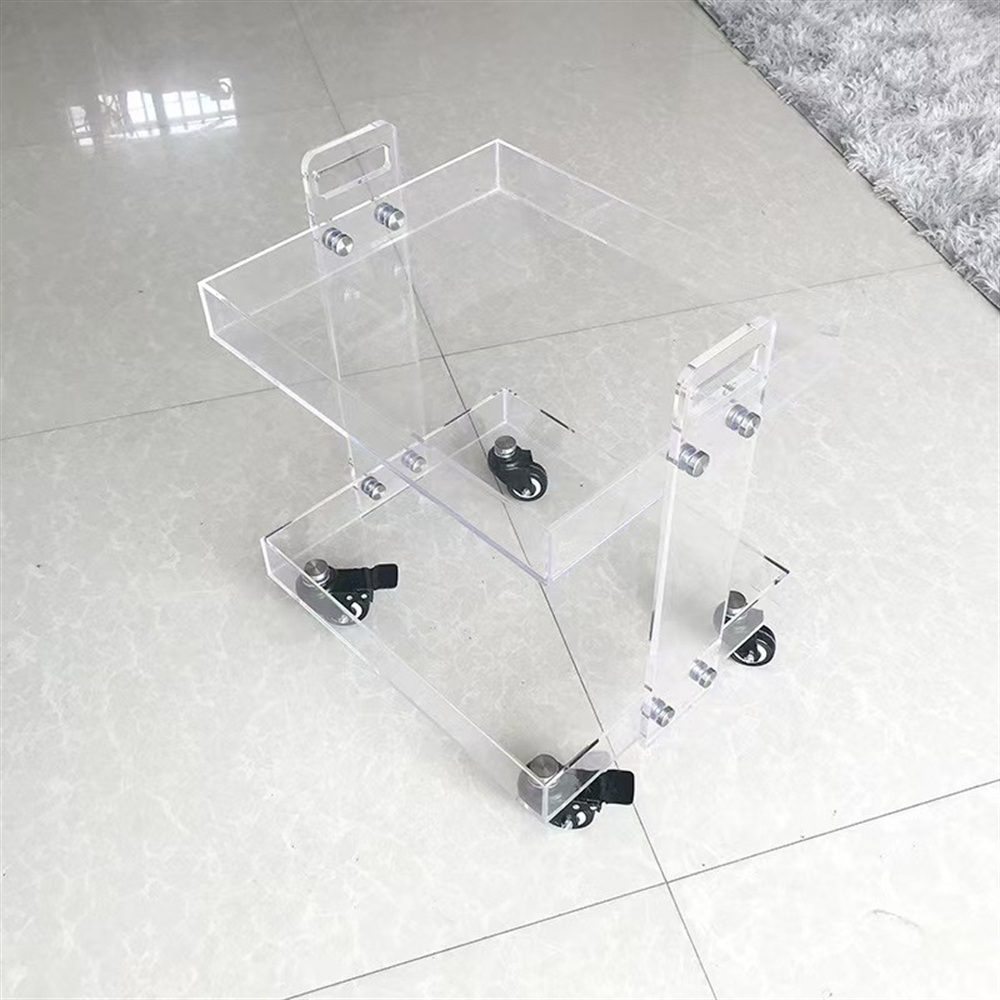
Clear Acrylic Bar Carts
A clear acrylic bar cart makes every joint and fitting visible. Review proportions, edge polish, hardware alignment, and overall presentation before approving the range.
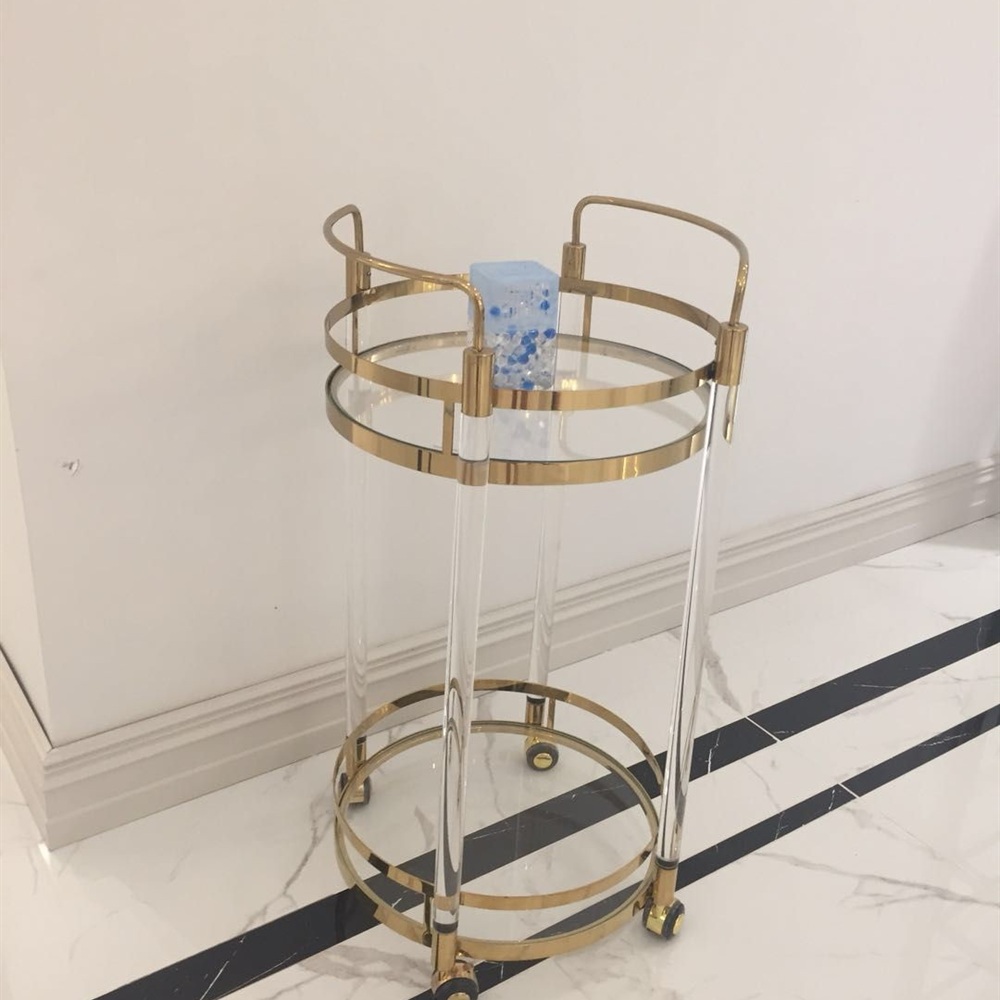
Acrylic Bar Carts with Wheels
An acrylic bar cart with wheels should suit the intended route. Specify caster type, lock arrangement, handle position, floor conditions, and replacement-part needs.
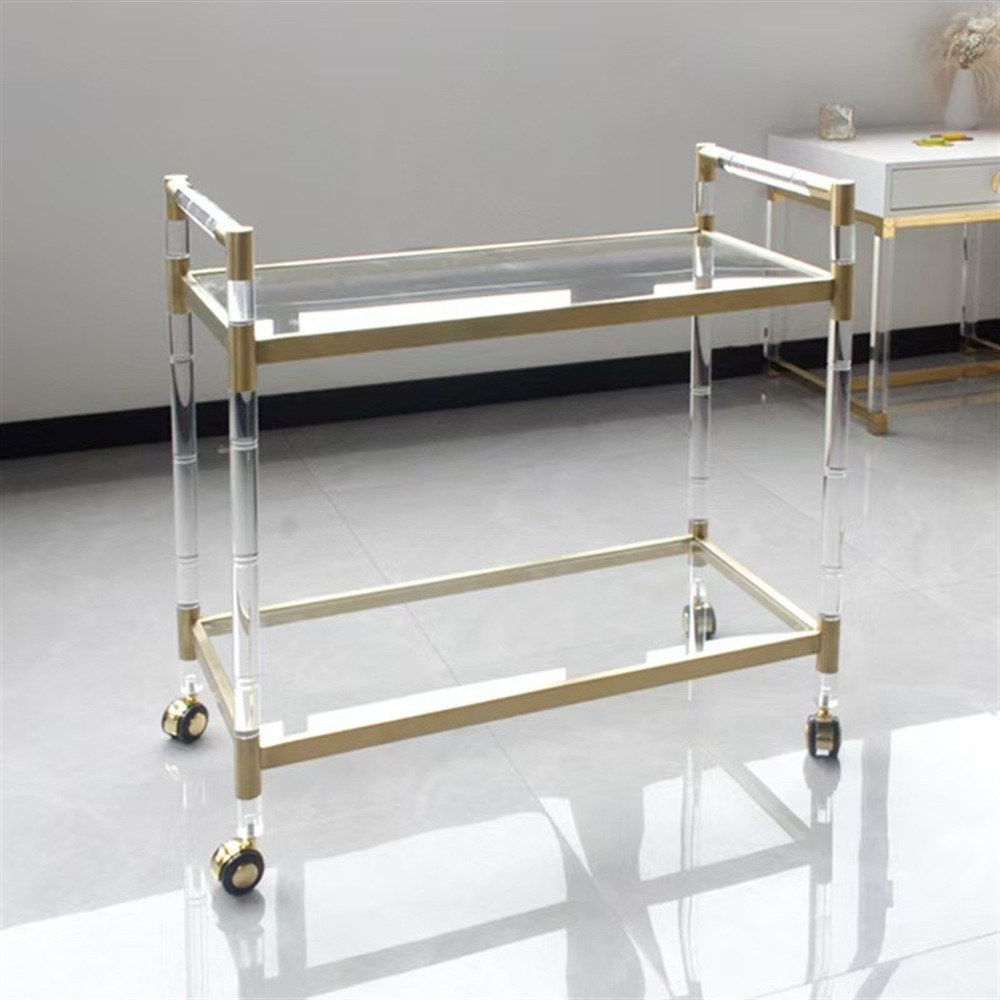
2-Tier Acrylic Bar Carts
A 2-tier acrylic bar cart provides a compact serving format. Confirm shelf clearance, usable area, guard rails, and access for bottles, glasses, or equipment.
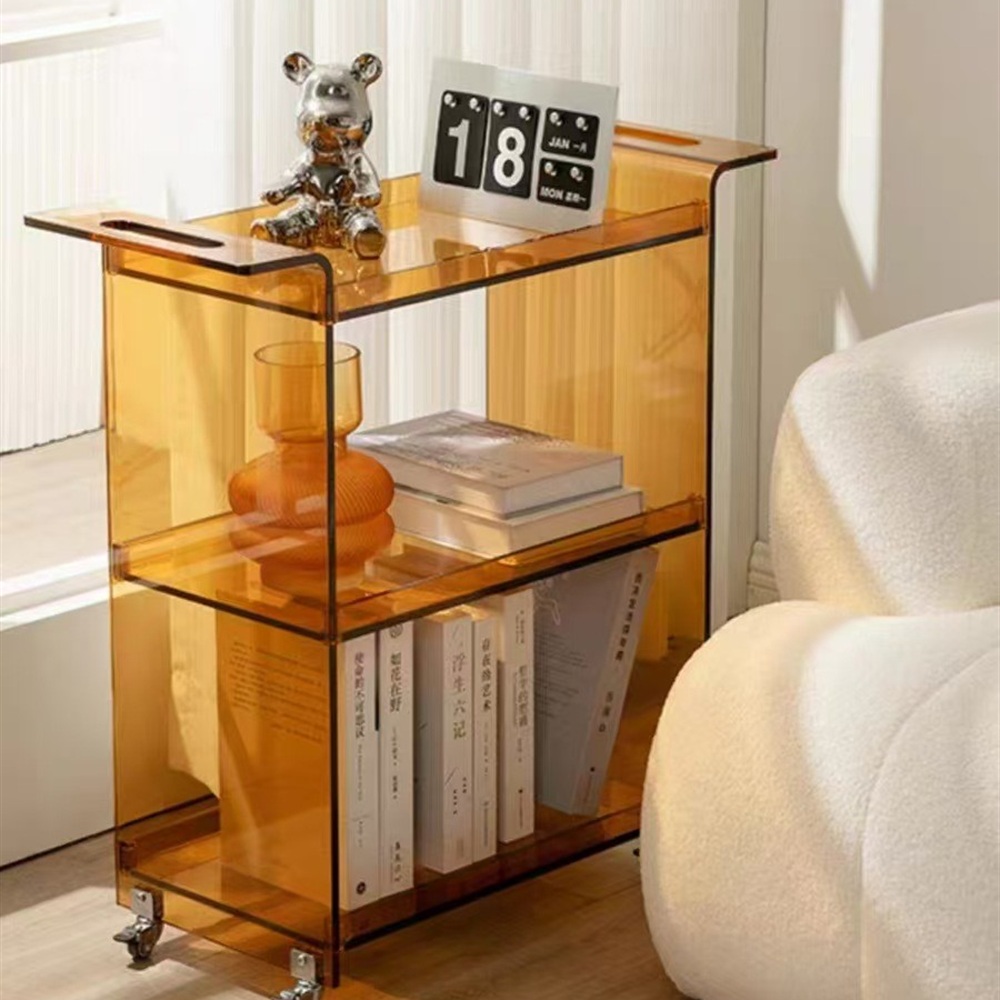
3-Tier Acrylic Bar Carts
A 3-tier acrylic bar cart adds service capacity. Review total height, spacing, loading positions, user access, and movement conditions before approving the design.
Customization Range
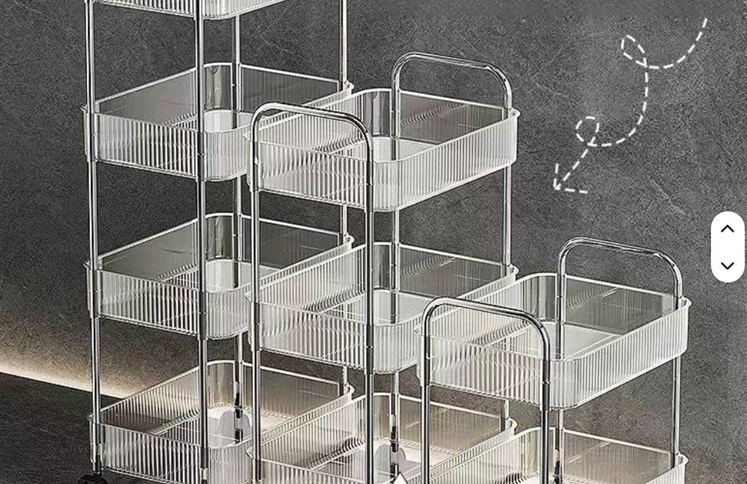
Table Size and Overall Size
Define the overall footprint, tier spacing, usable shelf area, handle reach, route clearance, and packed dimensions in the released drawing.
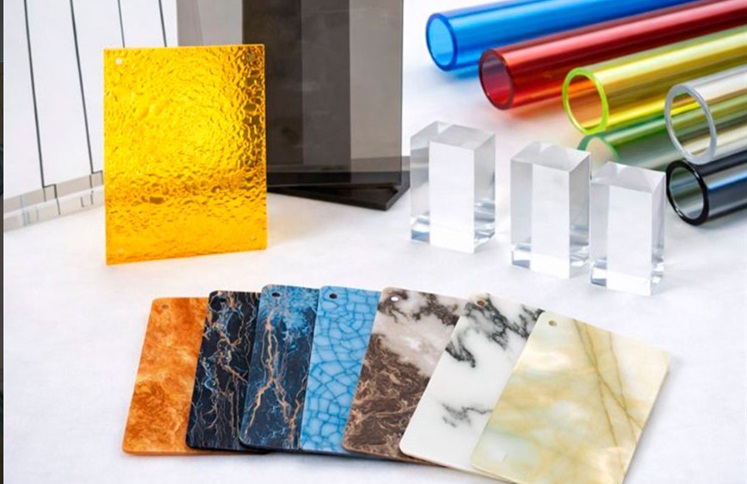
Acrylic Material Type
Record the acrylic grade, thickness, clarity, tint, surface direction, protective film, and approved physical reference for every acrylic component.
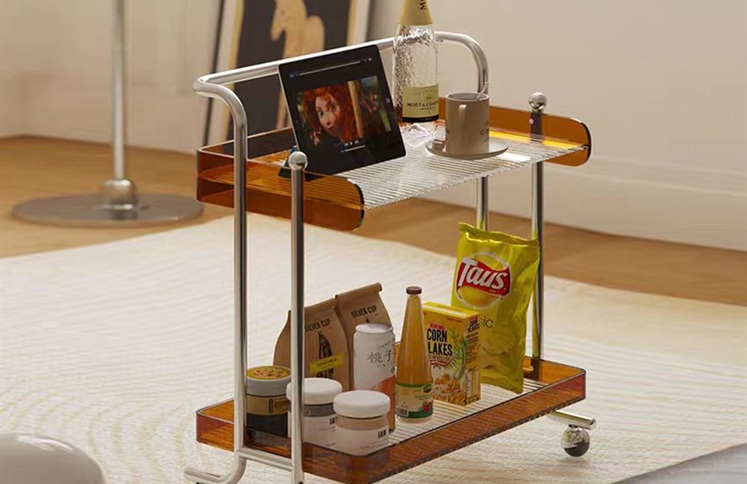
Table Structure and Use
For a private-label acrylic bar cart, define the tier count, shelf type, service direction, guard rails, bottle storage, handle layout, and assembly state. Coordinated service-area furniture may also include custom acrylic side tables, custom acrylic shelves, and custom acrylic stools.
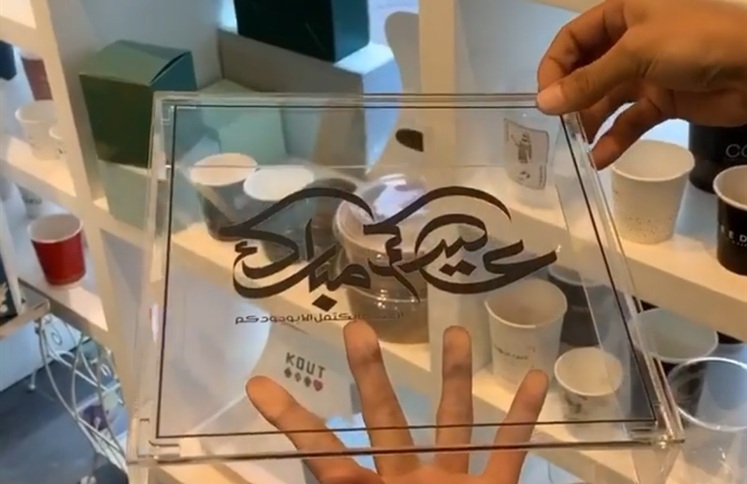
Surface Treatment
Approve clear, smoked, amber, solid, frosted, printed, engraved, mirrored-effect, or custom-color surfaces against physical samples and authorized artwork.
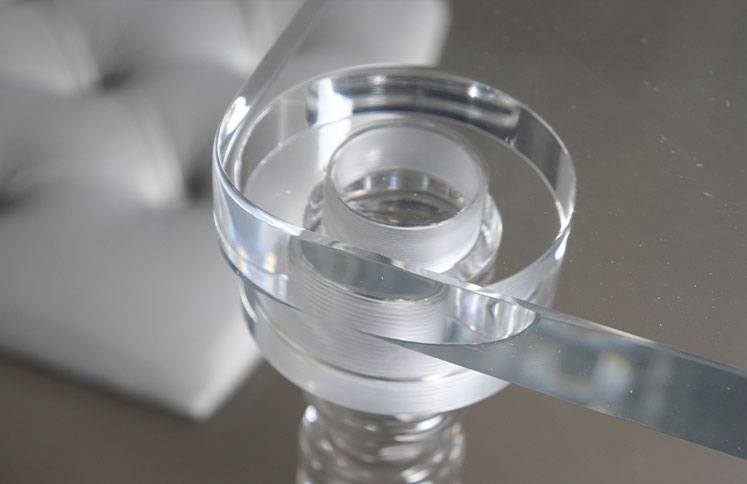
Edge and Corner Finish
Choose the profile, radius, and polish for visible or hand-contact areas. Record acceptance details for shelves, rails, and formed parts.
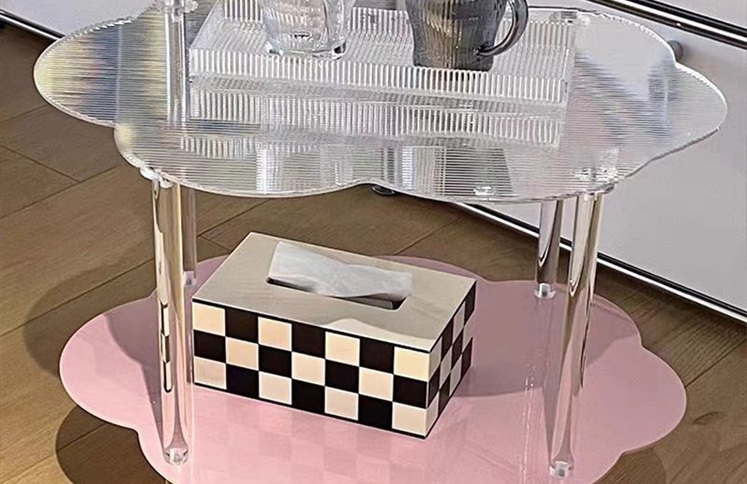
Branding and Personalization
Add screen printing, UV printing, engraving, logo panels, campaign graphics, care labels, barcodes, or destination marks using approved artwork and positions.
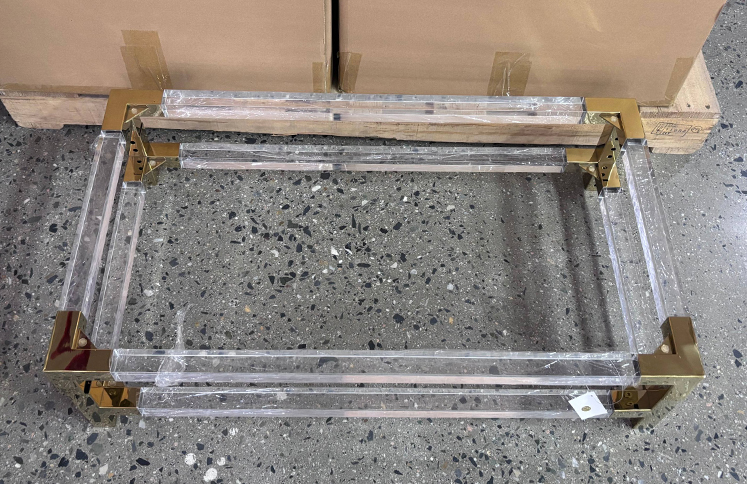
Hardware and Assembly
The approved BOM records casters, locks, handles, rails, inserts, fasteners, shelf supports, pads, replacement parts, and the assembly sequence.
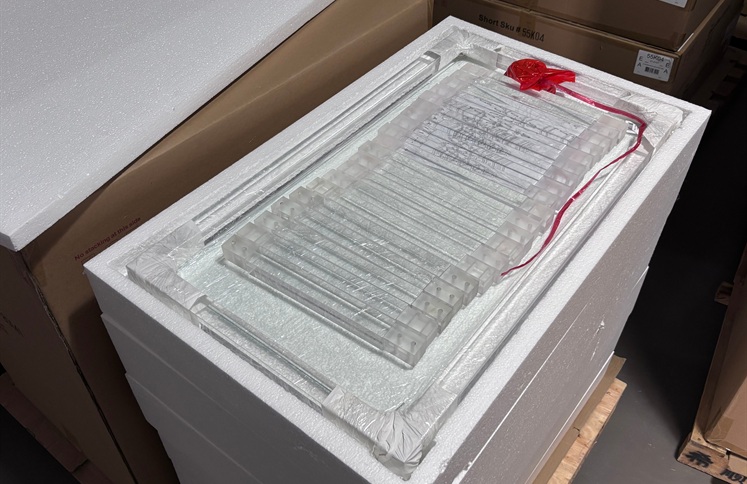
Packaging and Presentation
Choose assembled or knock-down packing, with surface separation, restrained hardware, fragile-shelf protection, instructions, retail labels, cartons, cases, or pallets.
Feature Box
Test the Cart on Its Intended Service Route
A rolling acrylic bar cart must work on its service route, not just in a drawing. For a hospitality bar cart or event cart, we review the footprint, tier clearance, handle position, caster layout, turns, thresholds, floor changes, loading points, and storage path. These decisions are built into the production-intent sample. Your team can test representative bottles, glassware, equipment, doorways, and floor conditions before approving the intended use. This reduces fit surprises and gives sales or project teams a credible product specification.
Confirm Every Material and Hardware Interface
Acrylic frames often connect with casters, metal fittings, glass or mirrored shelves, pads, rails, and handles. We define those interfaces in the drawing and BOM, then trial-assemble the production-intent parts. The review covers access, alignment, contact points, fastener length, shelf support, and movement. The approved sample, assembly sequence, hardware pack, and component codes give receiving teams one matched system. This helps reduce site drilling, missing parts, forced assembly, and incompatible replacements without implying that every material combination is standard.
Keep Reorders on the Approved Cart Version
Small substitutions can change appearance, movement, fit, or service-part compatibility. We link every cart program to released drawings, BOMs, finish references, caster models, approved samples, inspection points, packing lists, and carton labels. Incoming parts and bulk units are checked against those records. Purchasing teams can compare later batches with the same approved version. If a material, color, hardware item, or pack must change, the proposed revision is reviewed and authorized in writing before production. This keeps replenishment decisions traceable and reduces specification drift.
Manufacturing Process
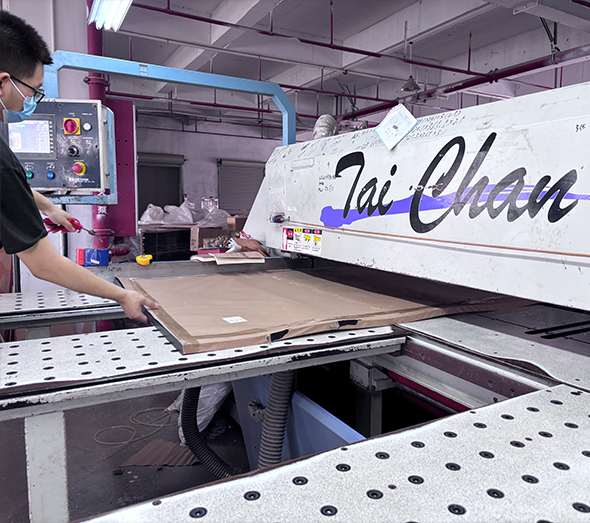
Electronic Saw Cutting
We cut frame blanks, shelves, rails, handles, supports, logo panels, fixtures, and packing parts to the released production dimensions.
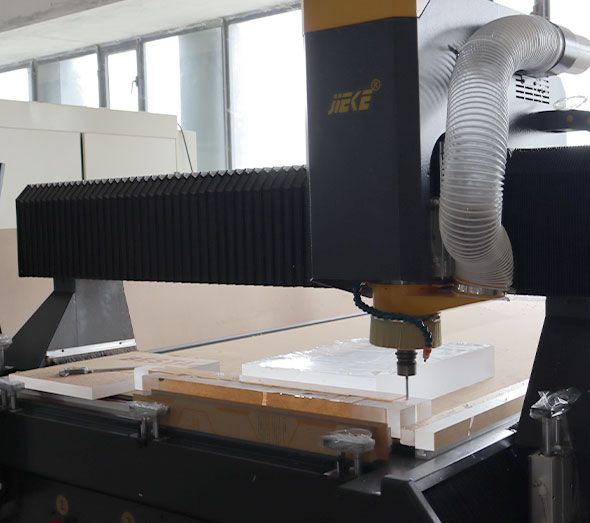
Cutting and CNC Machining
We machine profiles, holes, slots, caster mounts, shelf supports, hardware positions, branding areas, and inspection references from the approved production file.
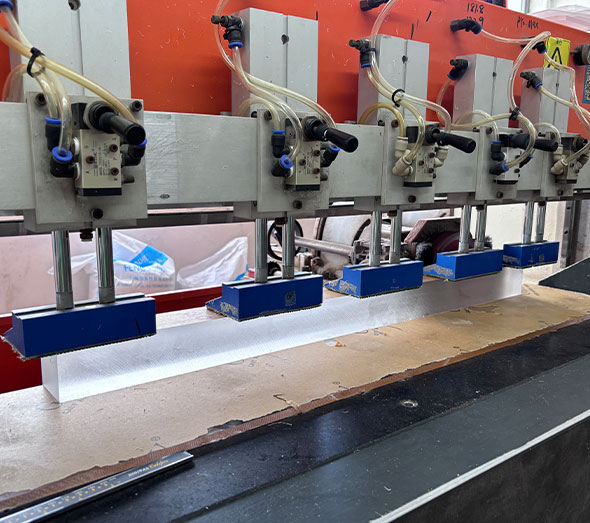
Edge Polishing and Forming
Exposed edges, hand-contact areas, shelves, rails, and curved parts are ground, polished, and formed to the approved profile and finish reference.
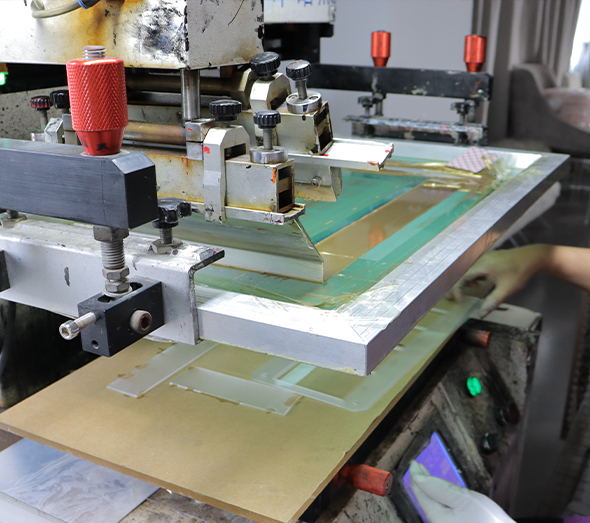
Printing and Engraving
Logos, campaign graphics, care labels, barcodes, model marks, and destination identifiers follow the approved artwork, color, direction, and position.
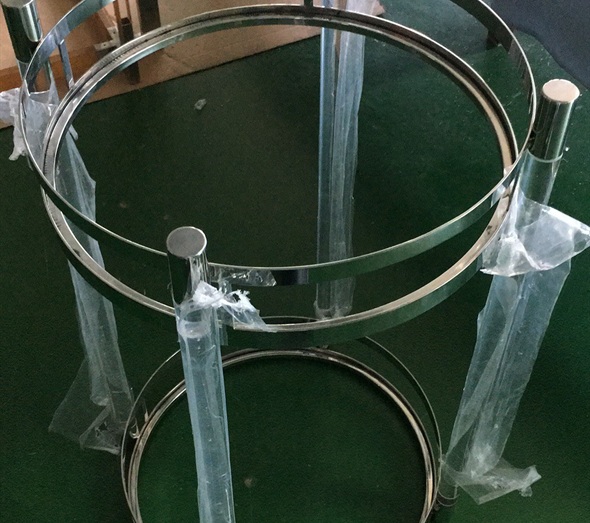
Hot bending
Side frames, returns, shelves, rails, handles, and formed panels are bent to the approved angle, radius, direction, and checking fixture.
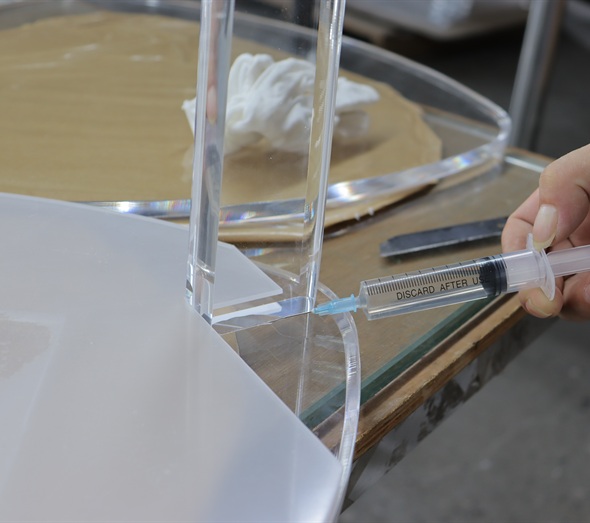
Bonding
Frames, supports, rails, logo panels, and mixed-material interfaces remain in assembly fixtures while the approved bonding process sets.
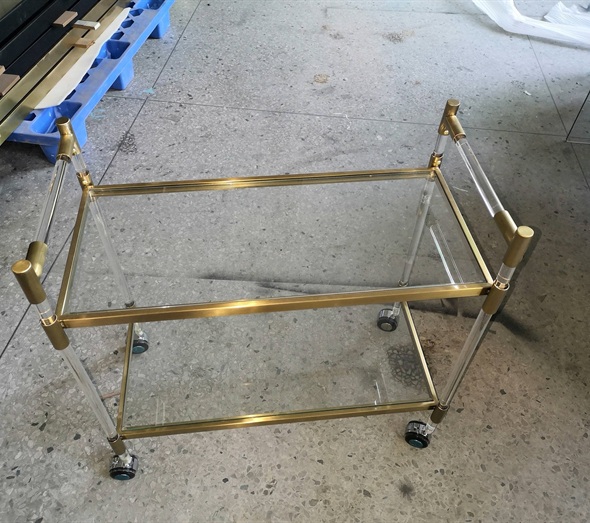
Quality Inspection
Inspection covers dimensions, tier spacing, surfaces, edges, bends, joints, hardware, caster action, assembly, SKU identity, pack contents, and agreed records.
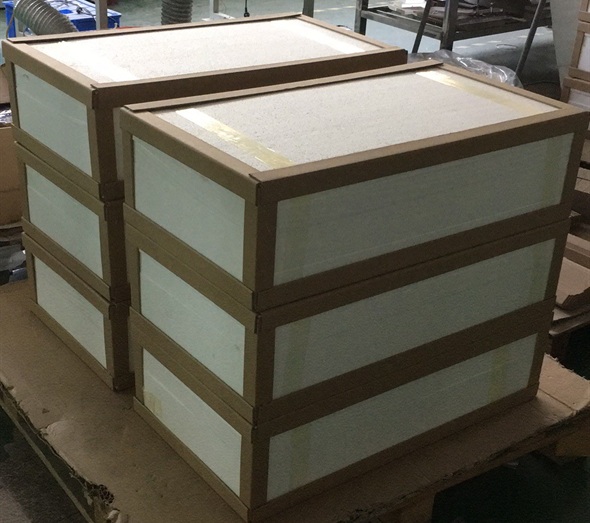
Protective Packing
The approved pack keeps surface film in place and adds separation, restrained hardware, fragile-part protection, labels, cartons, wooden cases, or pallets.
Application
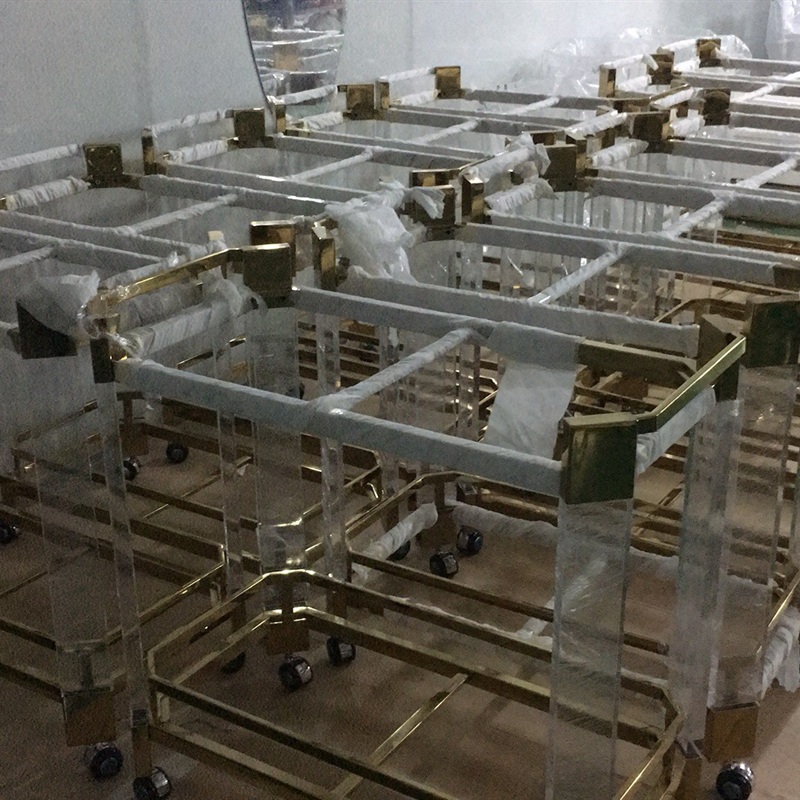
United States — April 2025: Bar Carts Stood Level With Fitted Glass Shelves
Project: A United States furniture brand ordered clear acrylic bar carts with two glass shelves and four casters in April 2025.
Client’s Concern: Misaligned shelf supports or wheel positions could make the tall cart rock, creating rejected units or extra assembly work.
Solution: We fixed the shelf-support holes and glass-edge clearance, assembled the acrylic frame in a diagonal fixture, and checked shelf openings and wheel contact on the complete cart.
Result: Checked shelf openings and frame diagonals stayed within the recorded order limits, and all four casters contacted the inspection surface. The brand had a stable assembled design rather than carts needing rework for basic fit.
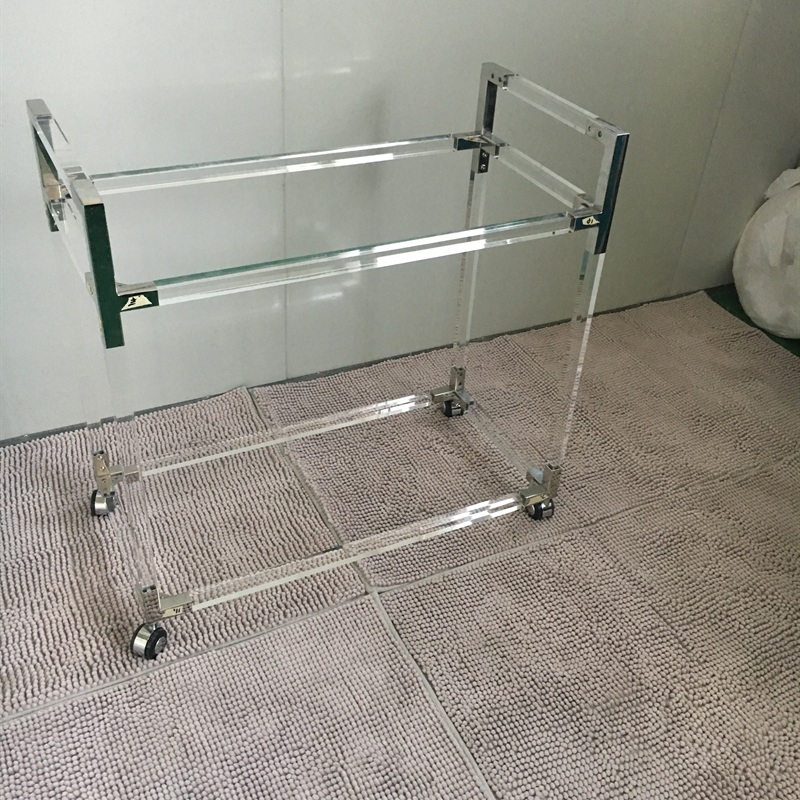
Canada — June 2025: Bar Cart Casters Had Reinforced Fixings
Project: A Canadian hospitality furniture buyer ordered two-tier acrylic bar carts with four swivel casters in June 2025.
Client’s Concern: Repeated turns and thresholds could strain fixings close to the clear panel edges. A loose caster would take a cart out of service and create replacement work.
Solution: We used a consistent caster-plate pattern and stainless backing plates to spread the fastening force, then checked wheel positions, accessible lock pedals, and contact on the finished cart.
Result: The completed carts met the recorded wheel-position and contact checks, and both locking pedals remained accessible. The buyer had a defined reinforced caster connection for service and replacement.
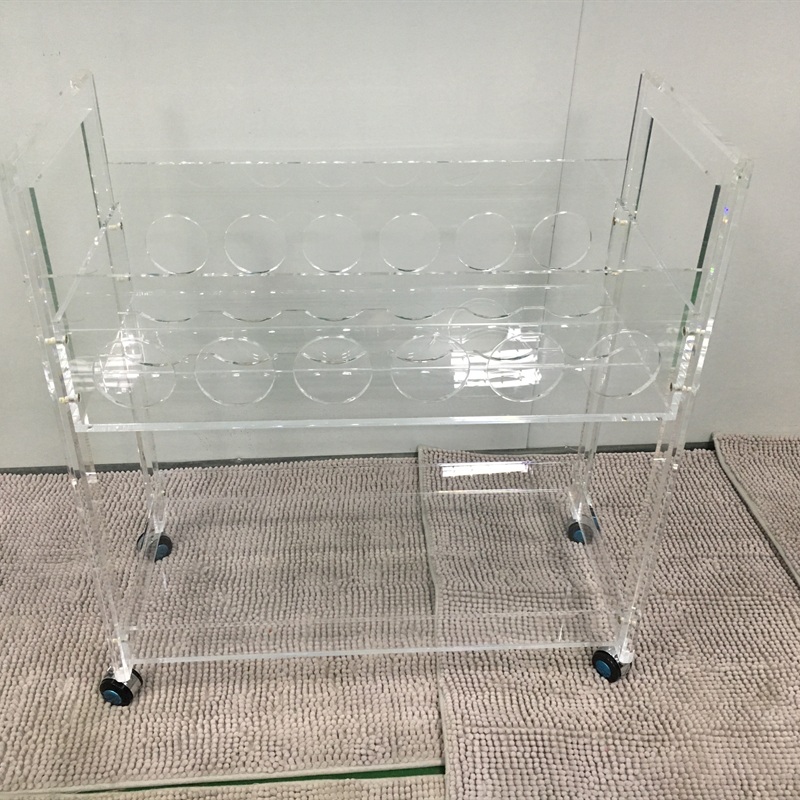
United States — March 2026: Flat-Packed Bar Carts Had Complete Build Kits
Project: A United States retail-furniture buyer ordered compact flat-packed acrylic bar carts in March 2026. Each kit had clear legs, two glass shelves, and four casters.
Client’s Concern: Missing hardware or mixed left-and-right parts could make a compact carton impossible to assemble. The retailer would face returns and missing-part requests.
Solution: We numbered the joints, kept one fastener pattern, separated both glass shelves in protective sleeves, and counted all acrylic, glass, wheel, and hardware parts before closing the carton.
Result: The checked cart assembled squarely with all four casters fitting the same map, and the carton passed its complete-parts count. The retailer had a saleable build kit rather than a box of unmatched components.
Bulk Production Process
1. Inquiry & Quotation
Share the specifications, construction, quantity, destination, and required date. We can then confirm the quotation and production schedule.
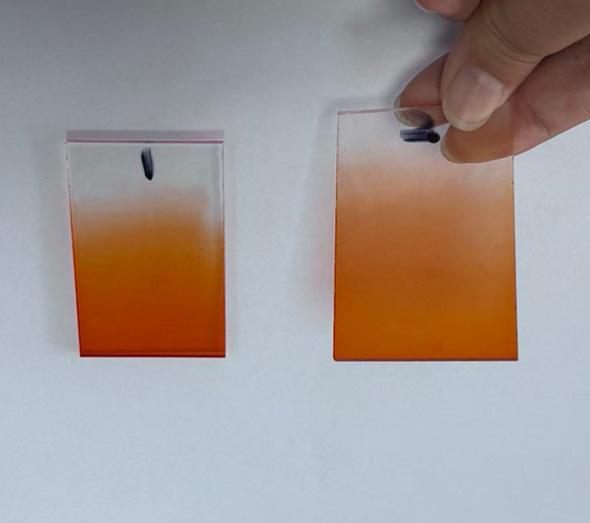
2. Solution Confirmation
We review the structure, materials, finishes, drawings, and hardware. We also confirm inspection, packing, and commercial terms before final approval.
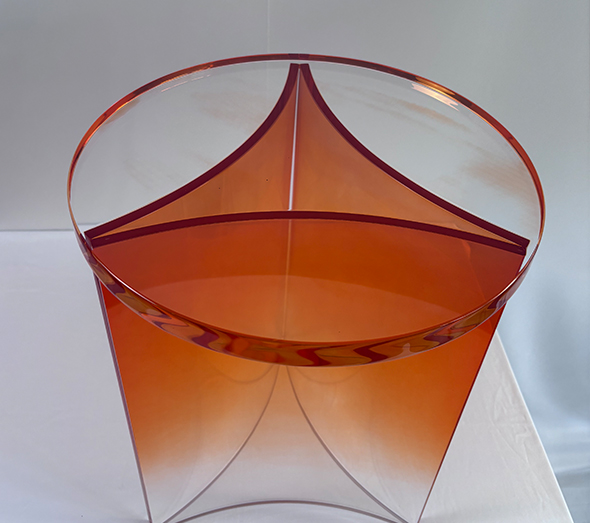
3. Sample Production
The factory produces the approved sample and sends it to your team. You can then confirm appearance, fit, function, hardware, and packing.
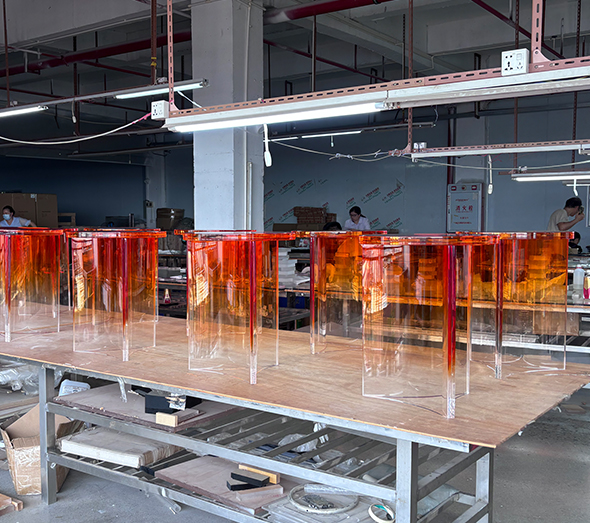
4. Mass Production
After written sample approval, mass production follows the released drawing and specification. Any requested change goes through formal revision control.
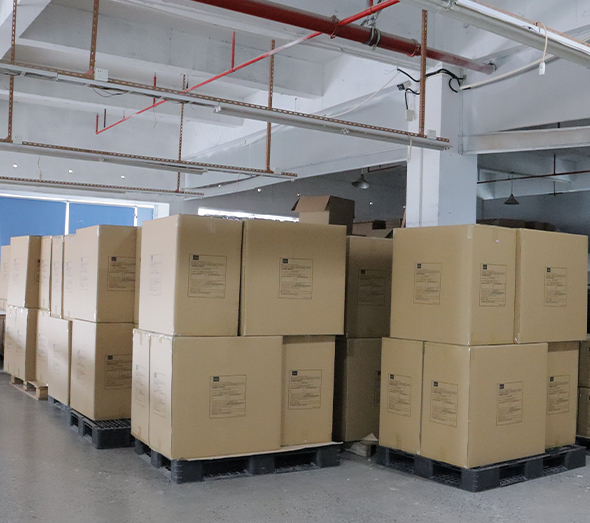
5.Products Shipment
Once production is complete and the balance is settled, we arrange the agreed shipment and provide the relevant shipping documents.
Packing Facts
Packaging materials
Outer packaging materials:Corrugated Boxes, Honeycomb Boards, Custom Gift Boxes, Wooden box; Cushioning materials:cushioning materials, Air Pillows, EPE, Honeycomb Paper, Kraft Paper Fillers; Sealing and securing materials:BOPP Transparent Tape, Kraft paper tape, Custom Printed Tape, Stretch Film; Special protective materials:Desiccant, Anti-Static Bags……
Surface and Edge Protection
A published acrylic-furniture pack uses PE film or bag, pearl-cotton or bubble separation, foam board, wooden case, and pallet to stop surface contact.
Sets and Carton Identification
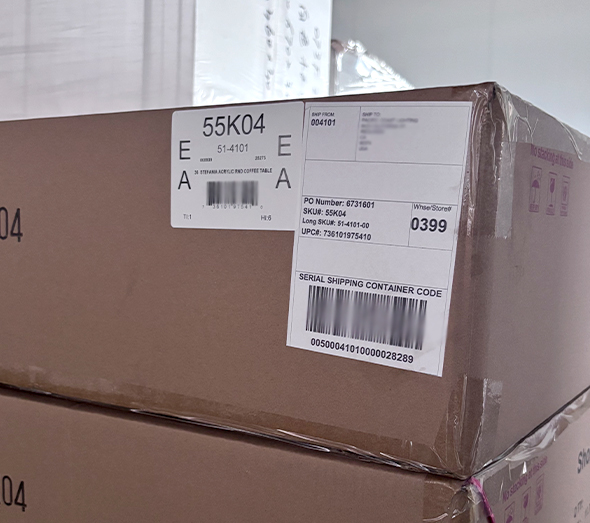
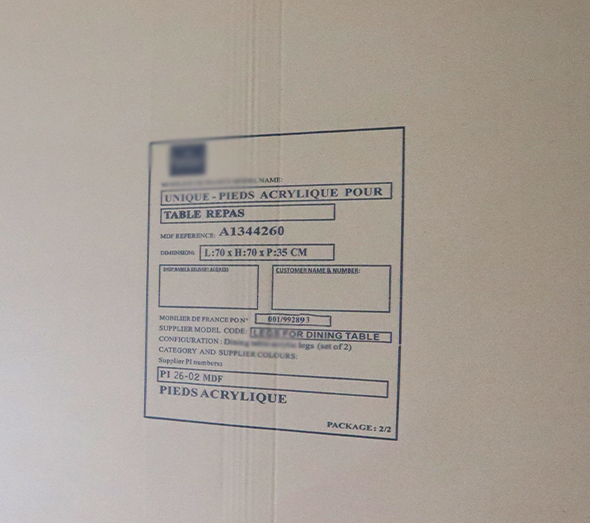
Nesting sizes remain separate SKUs. Carton labels list each size, color, pieces per set, quantity, destination, store, room, or project zone.
FAQ
Start with the rooms, doorways, stored products, and sales channels the smaller model must serve. Compare usable shelf area and bottle clearance with the full footprint, including handles and casters. Then check whether the size solves a frequent customer constraint without creating weak capacity or unclear positioning. If demand is occasional, keep it as a controlled extension instead of dividing stock across another permanent SKU.
Build the range around one approved structure, then vary only the finish elements supported by your sales plan. Forecast each combination separately and identify the parts that can remain common. Set clear rules for discontinued finishes and replacements. Before launch, make sure every finish name, reference sample, photograph, and SKU record describes the same approved appearance. This offers visual choice without creating unnecessary slow-moving parts.
Map the actual service route, including doorways, lifts, turns, floor transitions, stopping points, and storage areas. Record what staff will carry and how they will push, pull, load, and clean the cart. Review those conditions with a production-intent sample and agreed acceptance criteria. Home-use evidence should not support a hospitality claim unless it represents the same operating conditions. Publish only the use that was reviewed.
List every bottle, glass, ice bucket, appliance, or service item by weight and planned shelf position. Include uneven loading, front-edge handling, turns, stops, and the force applied through the handle. Use this load map to define sample checks and customer instructions. A single total-weight figure can hide concentrated loads and a changing center of gravity, so any published value must match the approved model and test conditions.
Show the full footprint with handles and casters, usable shelf dimensions, clearances between tiers, materials by component, wheel and lock configuration, assembly state, and included accessories. Add photographs with representative bottles or glassware, but identify their dimensions and state that they are not included. Consistent information across the website, marketplace feed, carton label, and instructions helps customers judge fit before purchase and gives support teams one reliable answer.
Create care instructions for the approved material and finish combination instead of publishing generic acrylic advice. Explain handling, cleaning tools, suitable products, spill response, caster inspection, and storage. Base any exclusions on supplier or project evidence, then give retailers, hotels, and rental operators the same version. Clear guidance can reduce avoidable surface damage, protect presentation quality, and help service teams distinguish misuse from a genuine product issue.
Decide which components can be replaced safely, who will perform the work, and how the correct version will be identified. Link every service part to the relevant product SKU, drawing revision, finish, and installation instruction. Set service-stock levels from the channel’s loss and failure records, not a universal percentage. A controlled parts plan can resolve minor problems without automatically refunding or replacing the entire cart.
Reconfirm the released drawing, approved sample, BOM, caster model, hardware finish, shelf specification, assembly method, labels, and visual references. Require written approval before any substitution or design change. Also check whether the downstream listing or installation instructions have changed since the first batch. This protects compatibility with current stock and replacement parts, while giving purchasing teams a clear basis for comparing the repeat production version.
Request a Quote for Your Side Table Project
Product Specification
Send your company details, drawing or reference, dimensions, color, intended use, quantity for each design, and destination.
Destination and Timing
Add the preferred packing method, target arrival date, and whether the order is for wholesale, private label, or an interior project.
Commercial Context
We can then review the sample and bulk quotation on the right basis.