
Custom Acrylic Stool
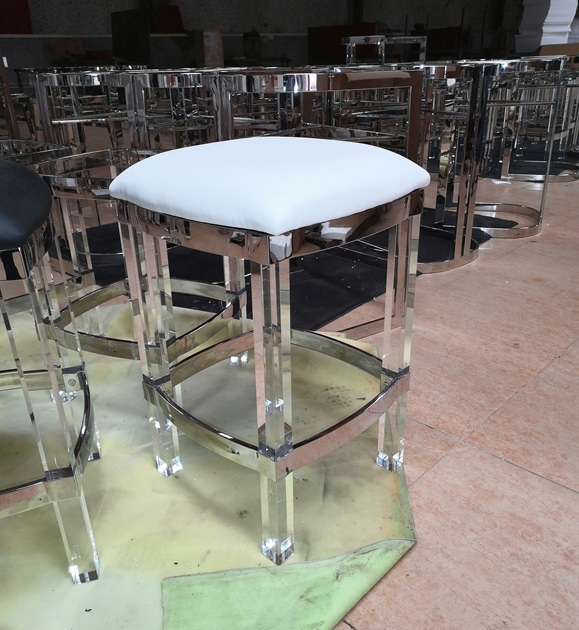
JFM is a global supplier of custom acrylic Stools. We offer customized services based on your specific needs and specifications. JFM is an outstanding manufacturer that meets your acrylic customization requirements. If you are looking for custom acrylic stool solutions, JFM is your ideal choice – a trustworthy and excellent manufacturer! For a transparent seating example, see our clear acrylic stool.








Quick specifications
| Item | Details |
|---|---|
| Product Scope | We produce acrylic counter stools, clear acrylic stools, acrylic bar stools, and acrylic vanity stools from drawings, reference samples, or specified dimensions for furniture, wholesale, hospitality, and contract programs. |
| MOQ | Standard orders can start at 50–200 pieces, depending on the design, finish, hardware, packaging, and SKU mix. |
| Sample Timing | Sample production usually takes 3–7 days after the structure, materials, finish, hardware, and key dimensions are confirmed. |
| Production Lead Time | Bulk production is scheduled for 10–35 days, depending on order quantity, material availability, and product complexity. |
| Size, Thickness and Load | We can process 5–100 mm acrylic for seats, side panels, legs, supports, backrests, and other furniture components. |
| Material and Finish | Cast acrylic with 92% light transmission is available in clear, smoked grey, tea, milky white, gradient, frosted, and custom-tinted finishes. |
| Assembly and Packing | Each furniture pack can include a PE bag, foam separation, foam board, a wooden case, and a pallet. Assembly and carton details are recorded by SKU. |
| Shipping Terms | We provide protective packing and support EXW, FOB, DDU, or DDP delivery according to the schedule agreed in the contract. |
Develop an Acrylic Stool Range for Your Brand or Project
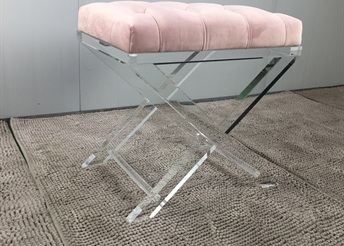
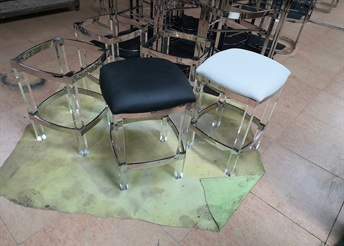
We develop acrylic stools for furniture and Kitchen & Dining brands, importers, wholesalers, vanity collections, hospitality buyers, and contract projects. Start with a drawing, reference sample, or intended setting. We review seat height, table clearance, the seat and leg structure, backrests, footrests, upholstery, material interfaces, assembly, testing needs, and packing. Market terms such as Lucite stool or Plexiglass stool may describe a similar clear look, but the approved specification must name the actual material in every component. Counter, bar, clear, and vanity designs are classified by their real dimensions, structure, material, and use. The approved drawing, sample, BOM, finish reference, and inspection points then provide one working basis for bulk production and replenishment.
Our Products
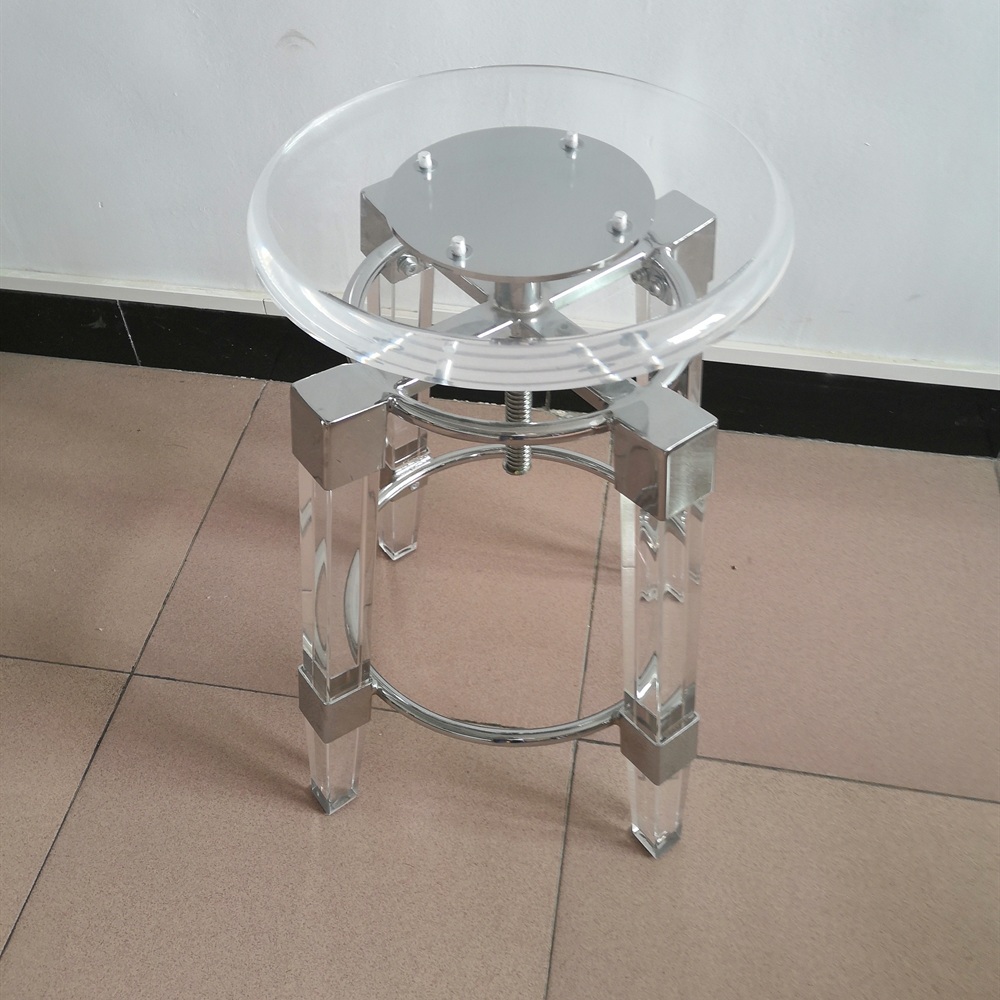
Acrylic Counter Stools
An acrylic counter stool should be matched to the installed surface, required seat height, user clearance, and footrest position—not assigned by appearance alone. For a complete finished model, see our acrylic counter stool.
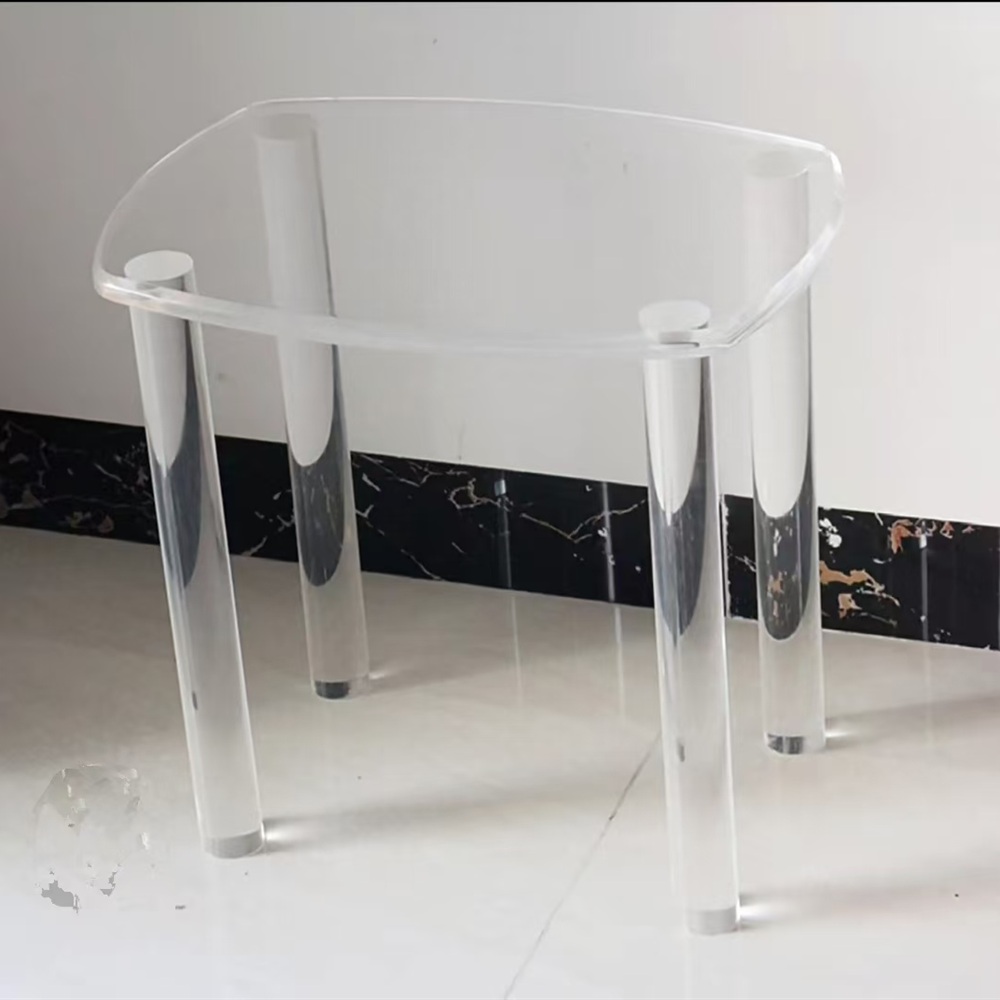
Clear Acrylic Stools
A clear acrylic stool puts material identity, transparency, edges, joints, and mixed-material interfaces in view. Approve those details against a physical sample.
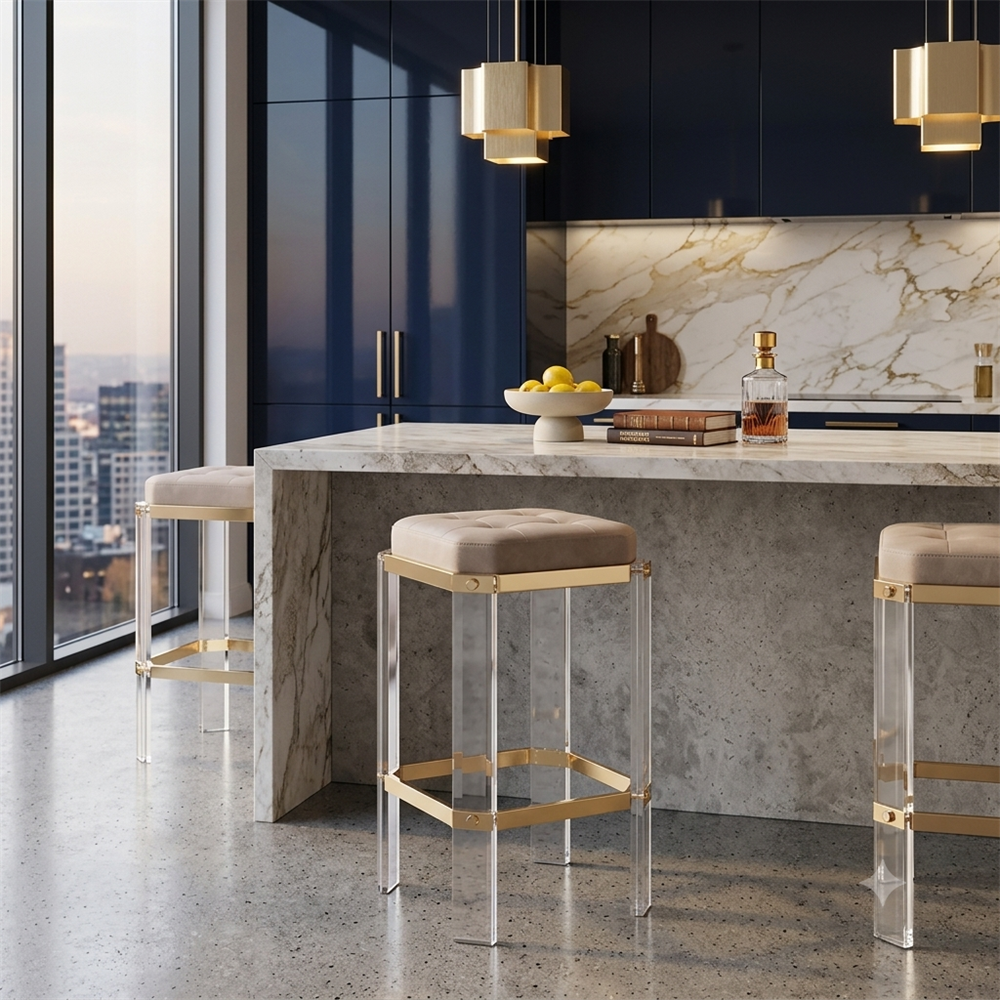
Acrylic Bar Stools
An acrylic bar stool must suit the specified bar height and structure. Review the footrest, backrest, base, access, and validation plan for the chosen design.
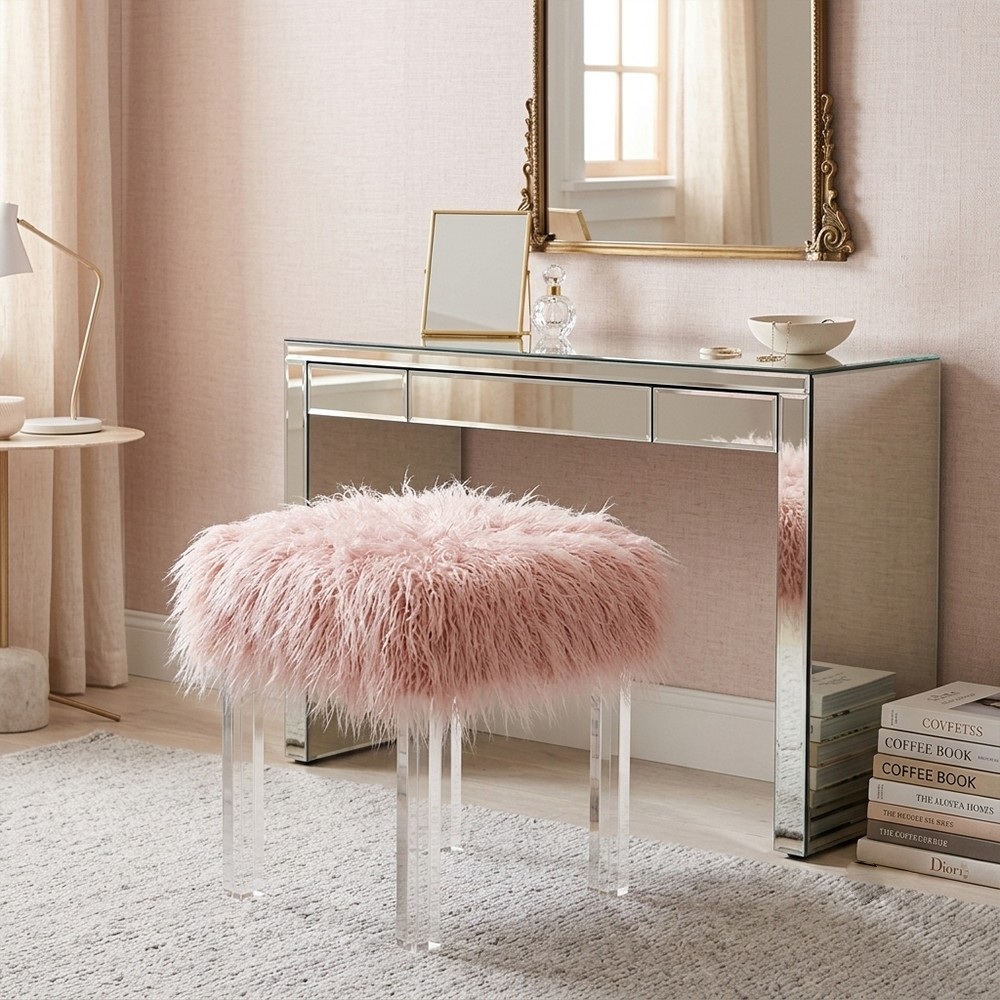
Acrylic Vanity Stools
An acrylic vanity stool should fit the dressing table and available knee space. Confirm seat height, cushion construction, close-view finish, and the surrounding furniture.
Customization Range
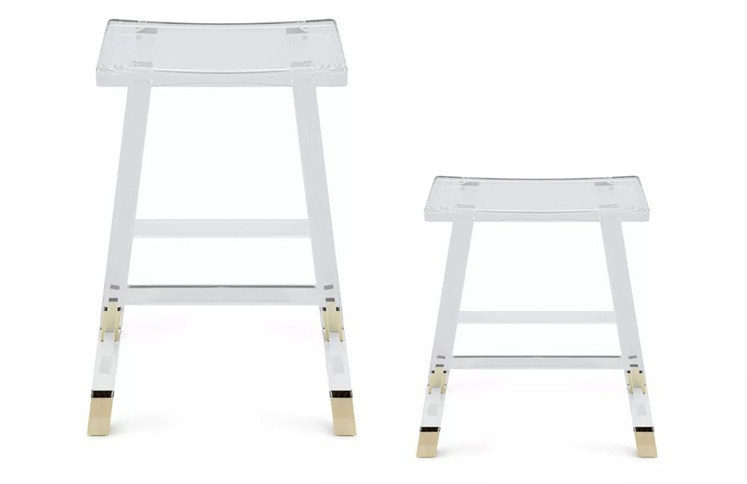
Table Size and Overall Size
Define the custom acrylic stool dimensions, seat area, target seat height, table clearance, footrest position, backrest, base, and packed size in the released drawing.
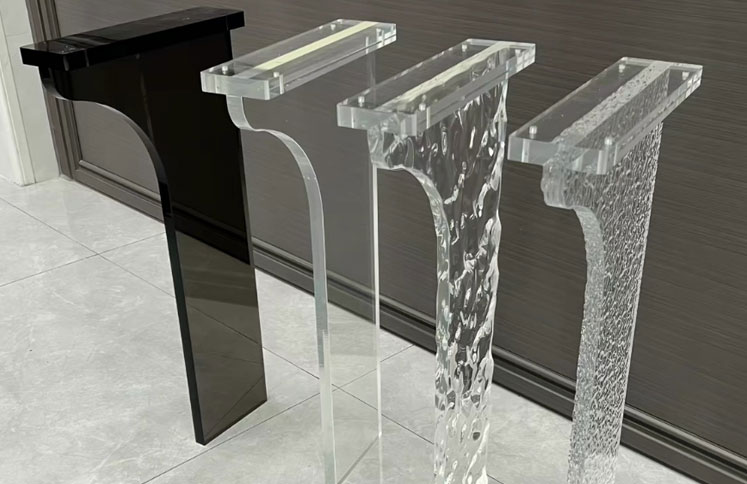
Acrylic Material Type
Record the acrylic grade, thickness or section, color, transparency, surface direction, protective film, and approved physical reference for every stool component.
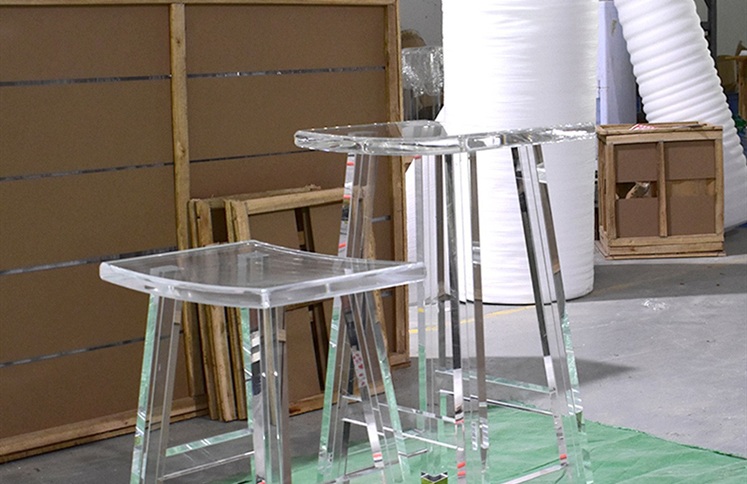
Table Structure and Use
For OEM acrylic stools, define the intended setting, seat and support structure, backrest, footrest, base, cushion, glides, and any approved mechanism. Related seating and service collections may also include custom acrylic chairs, custom acrylic benches, and custom acrylic bar carts.
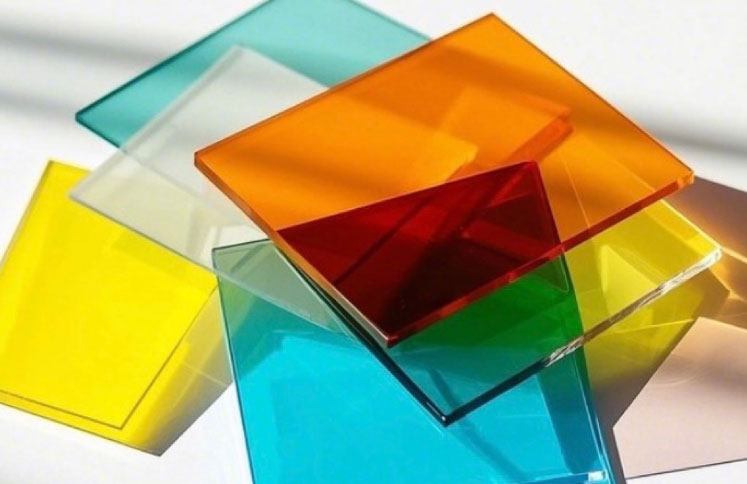
Surface Treatment
Approve clear, white, smoked, tinted, frosted, printed, engraved, or custom-color surfaces against physical samples and authorized artwork.
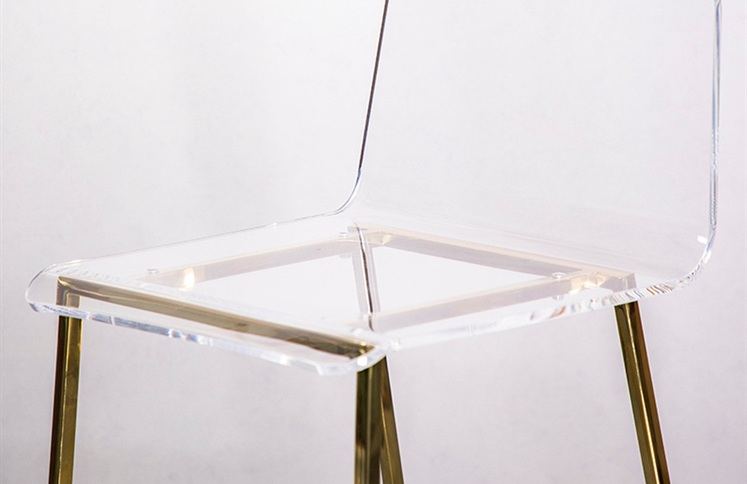
Edge and Corner Finish
Choose the profile, radius, and polish for visible, seat-contact, hand-contact, footrest, formed, and joined edges. Record the accepted reference.
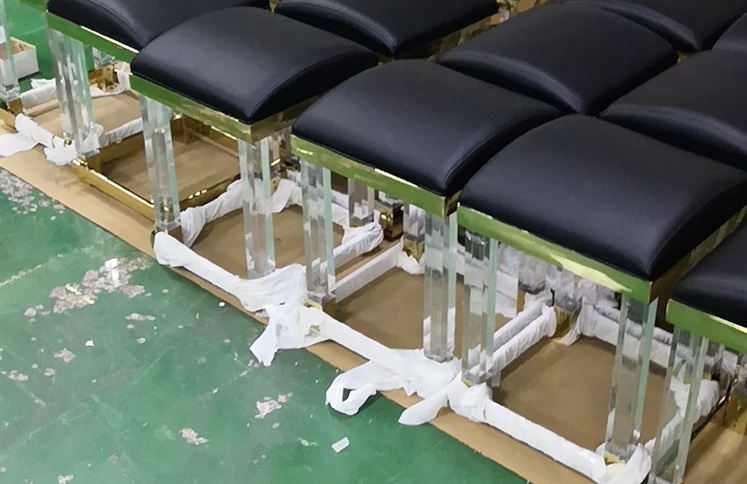
Branding and Personalization
Add printed or engraved logos, care labels, product marks, barcodes, private-label graphics, and destination identifiers using approved artwork and positions.
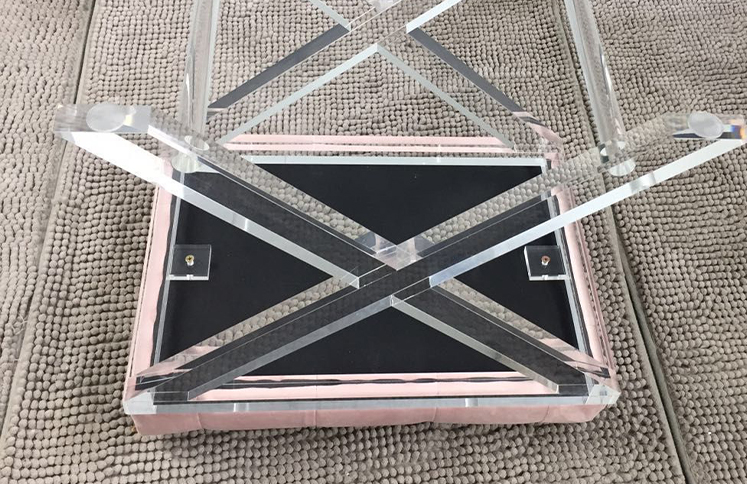
Hardware and Assembly
The approved BOM records footrests, bases, inserts, fasteners, glides, cushion fixings, backrest connections, mechanisms, replacement parts, and the assembly sequence.
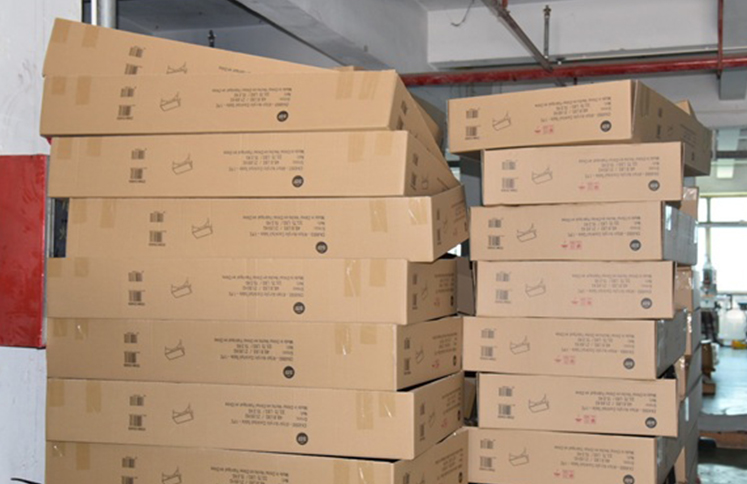
Packaging and Presentation
Choose assembled, knock-down, stackable, single, or set packing with surface separation, restrained parts, identified hardware, instructions, cartons, cases, or pallets.
Feature Box
Match the Stool to the Furniture Around It
A well-specified acrylic stool starts with the furniture around it. We review the installed counter, bar, table, or vanity height, then define the actual seat height, cushion compression, knee room, footrest position, and overall proportions. Those decisions are placed in the released drawing and production-intent sample. Your team can try the sample in the intended setting before the height name, SKU, label, and bulk specification are approved. This reduces avoidable fit errors, mismatched listings, and height-related returns.
Review the Entire Sitting Structure
A seat cannot be assessed on its own. The side panels or legs, base, joints, footrest, backrest, glides, hardware, upholstery, and any swivel or adjustable mechanism work as one configuration. We review how users sit down, rise, shift off-center, rest their feet, and interact with the floor. The production-intent sample is checked against the criteria agreed for that drawing. This gives product and quality teams a clear validation plan without treating one test or one component as proof for every design.
Balance Packing Cost with Product Protection
Packing affects landed cost, presentation, assembly, and returns. An assembled design may use more carton space; a knock-down or stackable design may add hardware, friction, hole stress, or installation risk. We compare the actual structure, destination, receiving method, surface protection, component separation, instructions, labels, carton limits, and replacement needs. The approved packing sample gives purchasing teams a practical basis for comparing freight and handling with product protection, assembly effort, and after-sales exposure.
Manufacturing Process
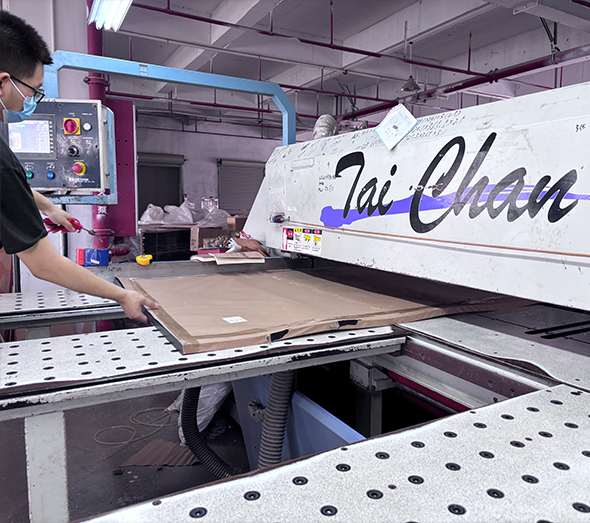
Electronic Saw Cutting
We cut acrylic stool seats, side panels, legs, backrests, footrests, supports, fixtures, and packing parts to the released production dimensions.
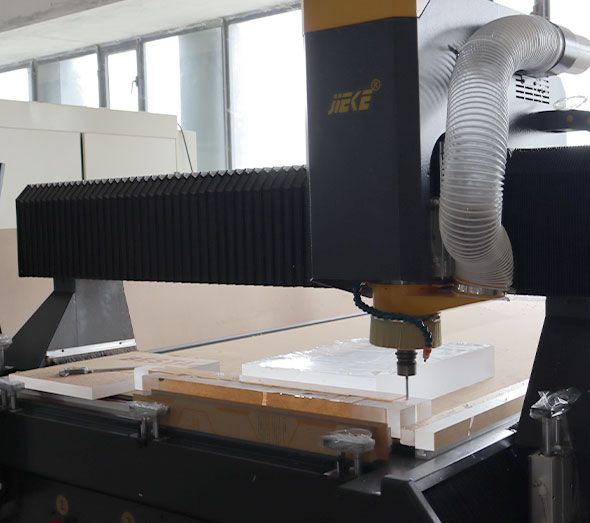
Cutting and CNC Machining
We machine profiles, holes, slots, inserts, base mounts, cushion fixings, hardware positions, and inspection references from the approved production file.
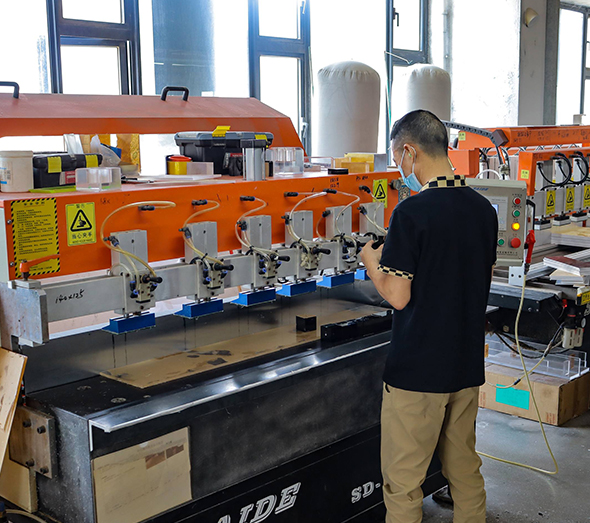
Edge Polishing and Forming
Exposed, seat-contact, hand-contact, footrest, and curved edges are ground, polished, and formed to the approved profile and finish reference.
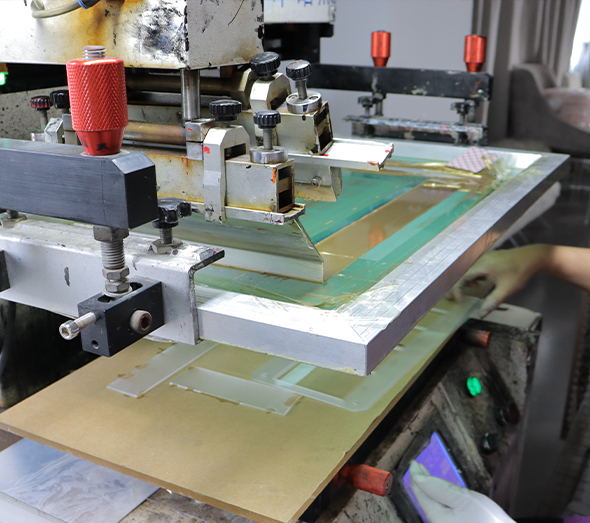
Printing and Engraving
Logos, care labels, barcodes, model marks, and destination identifiers follow the approved artwork, color, direction, and position.
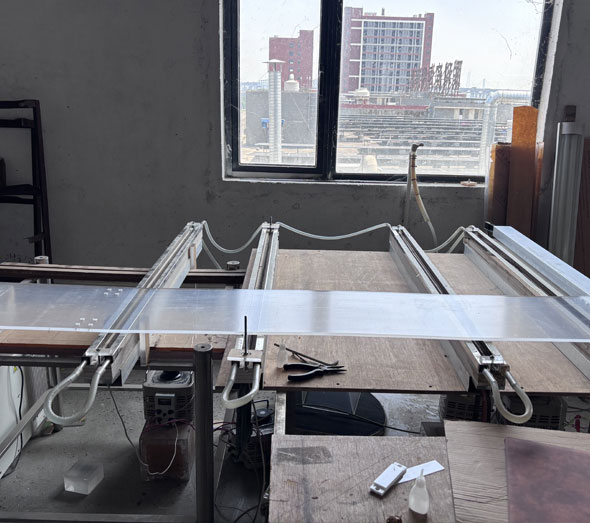
Hot bending
Waterfall panels, side frames, seat returns, backrests, and formed supports follow the approved angle, radius, direction, and checking fixture.
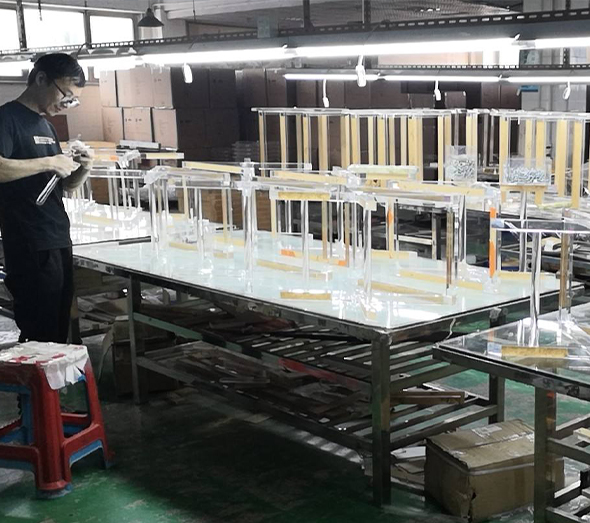
Bonding
Seats, legs or panels, supports, backrests, footrest parts, and mixed-material interfaces remain aligned in fixtures while the approved process sets.
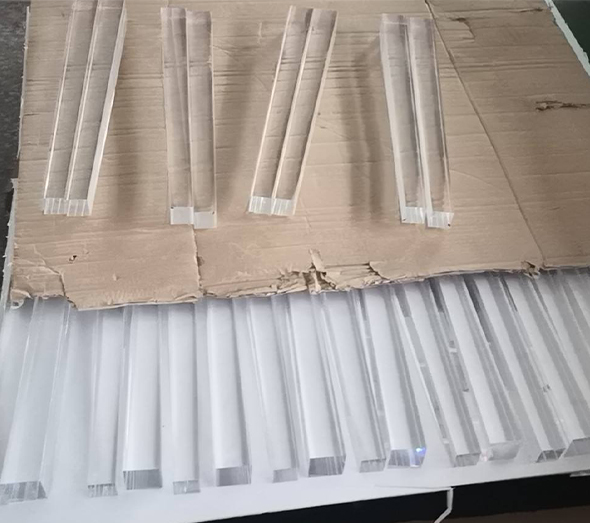
Quality Inspection
Inspection covers dimensions, seat height, surfaces, edges, bends, joints, footrests, hardware, upholstery, assembly, SKU identity, pack contents, and agreed records.
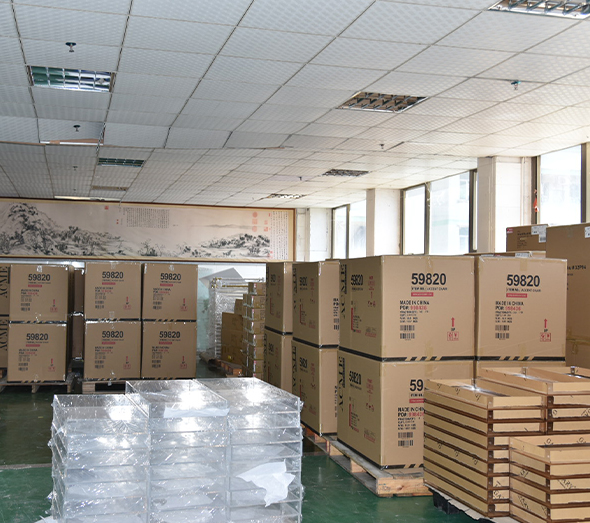
Protective Packing
The approved pack keeps surface film in place and adds separation, restrained parts, identified hardware, upholstery protection, labels, cartons, cases, or pallets.
Application
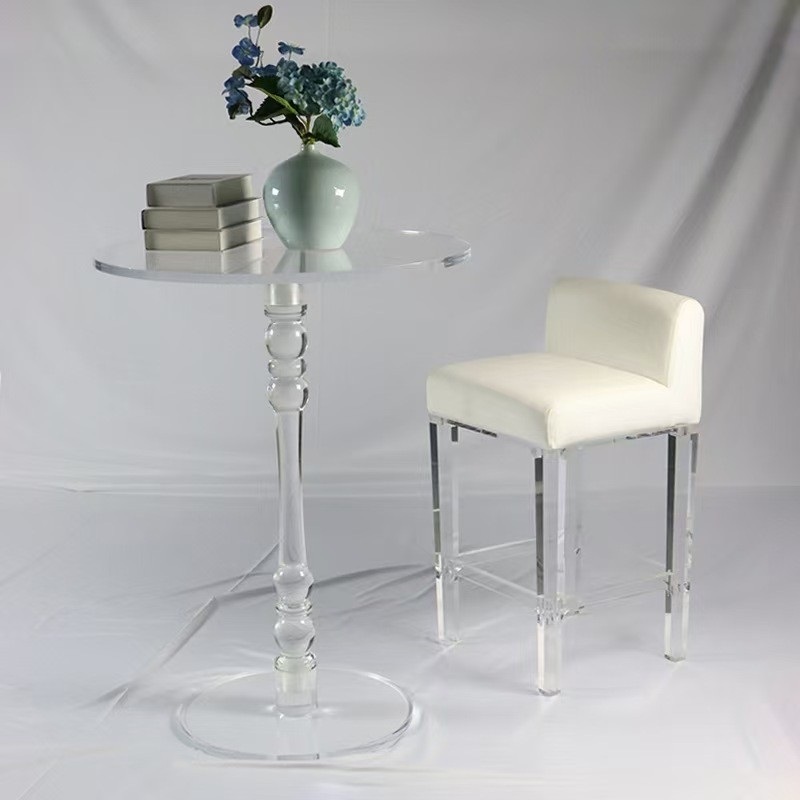
Canada — November 2024: Counter Stools Kept Consistent Seat and Footrest Heights
Project: A Canadian furniture brand ordered clear acrylic counter stools in November 2024. Each had a 650 mm seat height and a metal footrest.
Client’s Concern: A small shift in seat or footrest position would make stools inconsistent beside the same counter and could cause customer returns.
Solution: We used one assembly fixture, fixed the footrest connection holes, and checked seat height and footrest level on finished stools.
Result: The checked stools stayed within the recorded seat and footrest limits, and both sides accepted the same hardware. The brand had one defined counter-stool fit across the order.
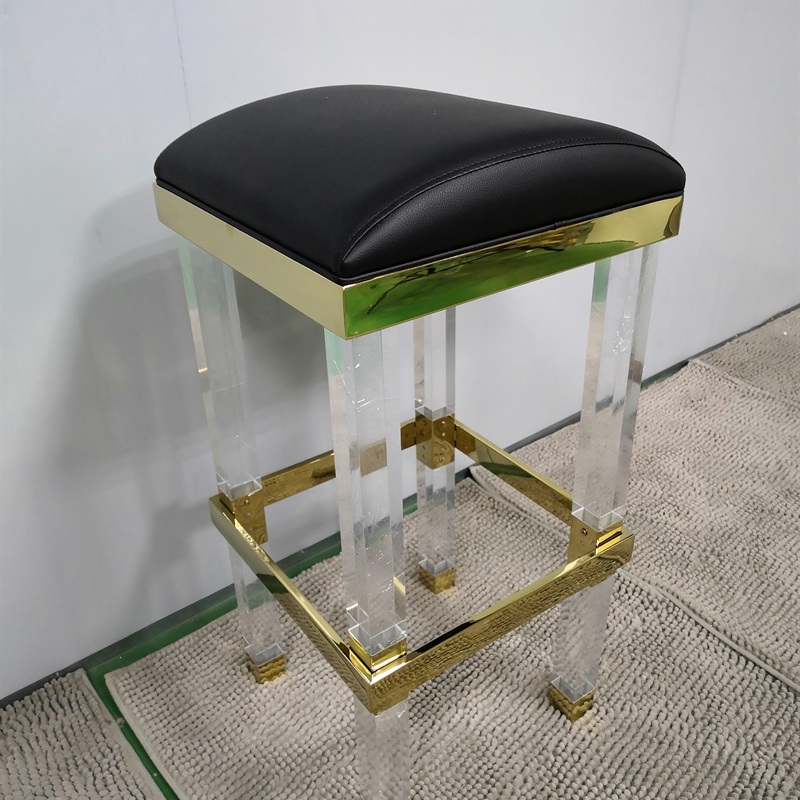
United States — June 2025: Bar Stool Shells Fit Their Metal Bases
Project: A United States hospitality buyer ordered acrylic bar stools with formed clear shells and metal bases in June 2025.
Client’s Concern: A shifted mounting pattern could pull the seat off center or stress the acrylic during assembly. That would delay fit-out and require replacement parts.
Solution: We fixed the four-bolt pattern, added backing plates, and assembled the first production piece against the approved shell and base positions.
Result: The checked seat stayed centered, all four bolts entered without stressing the panel, and replacement bases fitted the same pattern. The buyer had an interchangeable connection instead of a model-specific repair problem.
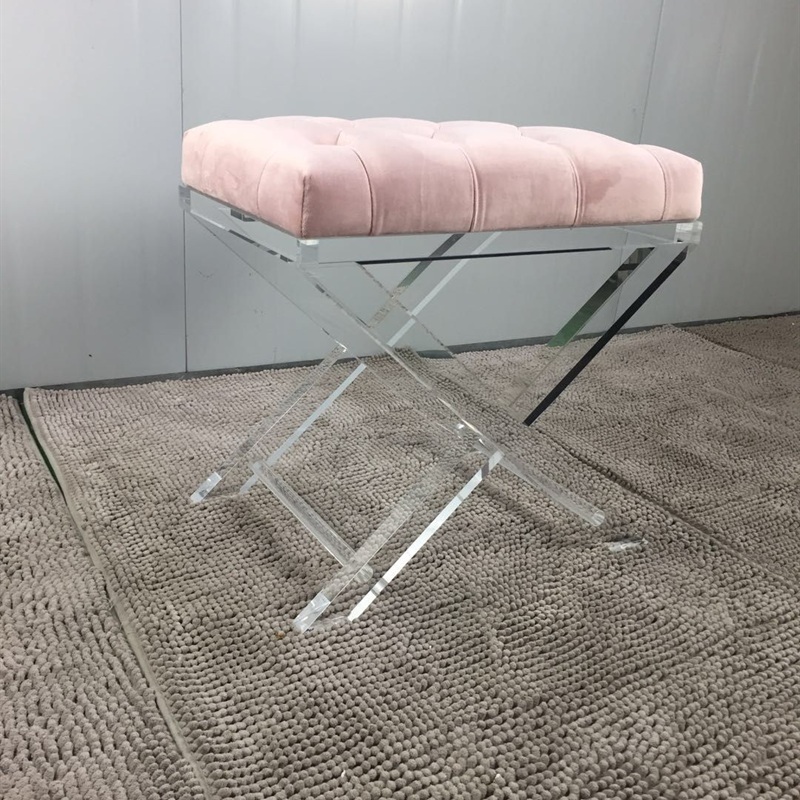
Australia — March 2026: Upholstered Stools Kept Hidden Fittings
Project: An Australian vanity-furniture retailer ordered upholstered acrylic stools in March 2026. The clear bases carried removable cushioned seats.
Client’s Concern: Visible fasteners or off-center cushions would spoil the design and make replacement seats hard to fit, risking returns.
Solution: We placed threaded inserts beneath the cushion frame, drilled connections from the hidden underside, and added clear isolation pads between the cushion and base.
Result: The checked cushions stayed centered within the recorded limit, the mounting hardware remained hidden, and the same replacement cushion frame fitted each stool. The retailer kept the intended clear appearance and serviceable seat.
Bulk Production Process
1. Inquiry & Quotation
Share the acrylic stool specifications, construction, quantity, destination, and required date. We can then confirm the quotation and production schedule.
2. Solution Confirmation
We review the structure, materials, finishes, drawings, and hardware. We also confirm inspection, packing, and commercial terms before final approval.
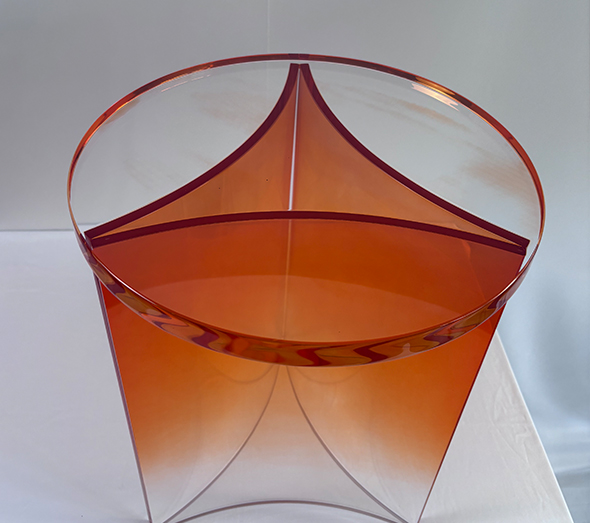
3. Sample Production
The factory produces the approved sample and sends it to your team. You can then confirm appearance, fit, function, hardware, and packing.
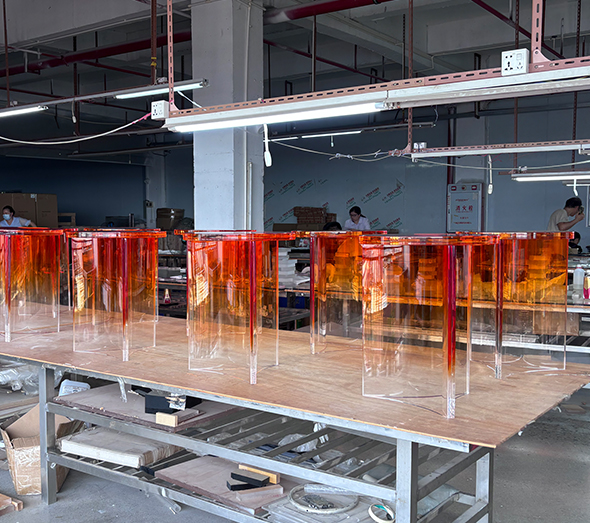
4. Mass Production
After written sample approval, mass production follows the released drawing and specification. Any requested change goes through formal revision control.
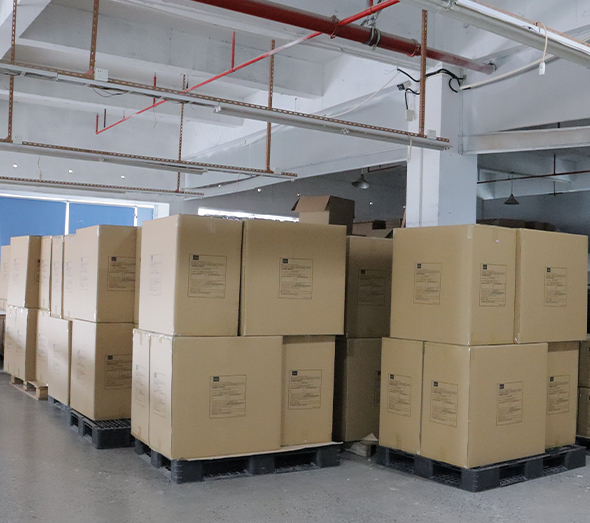
5.Products Shipment
Once production is complete and the balance is settled, we arrange the agreed shipment and provide the relevant shipping documents.
Packing Facts
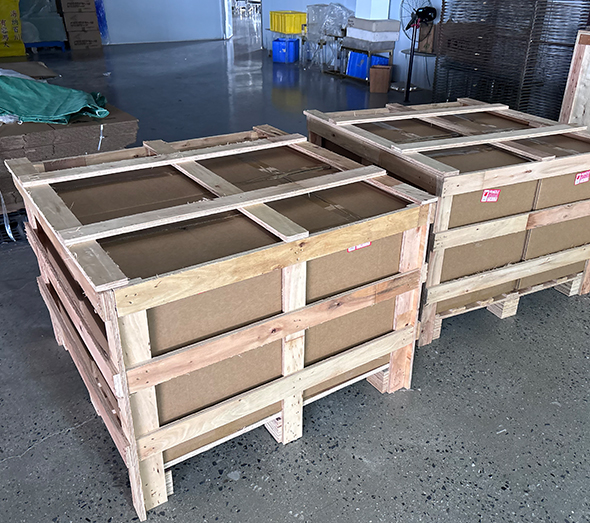
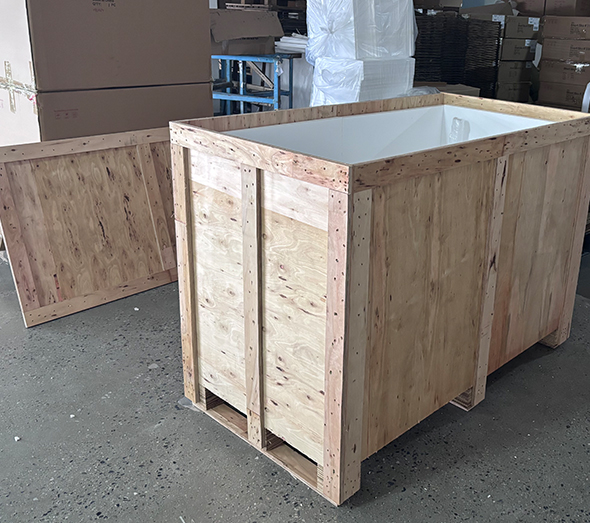
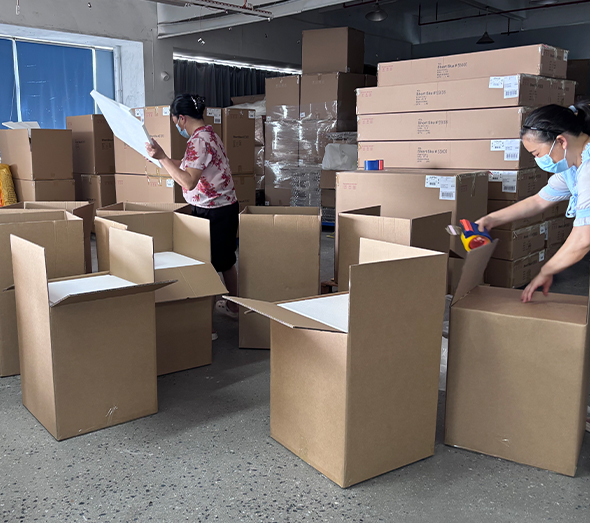
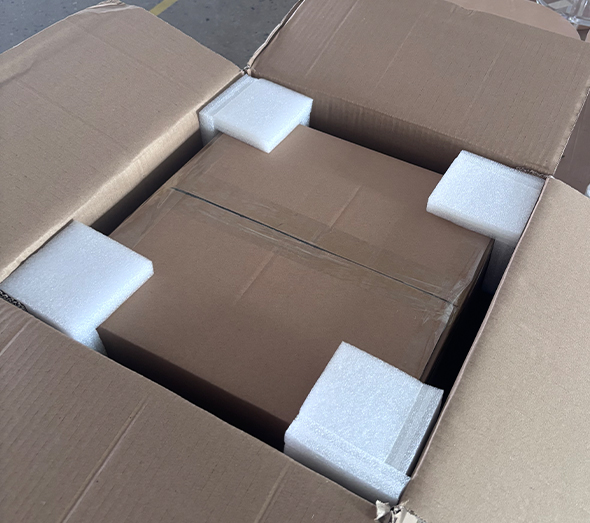
Packaging materials
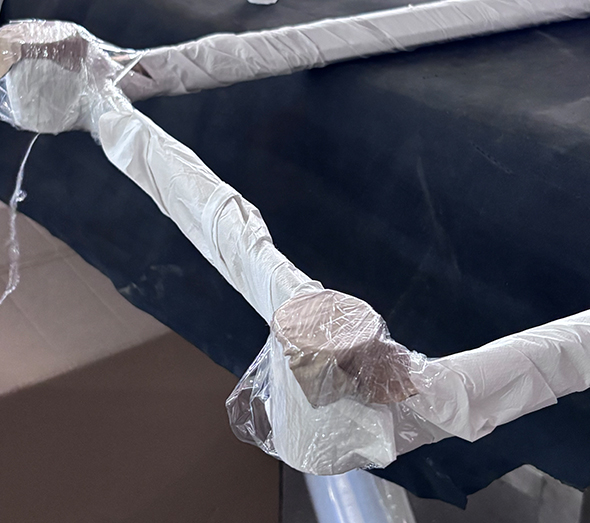
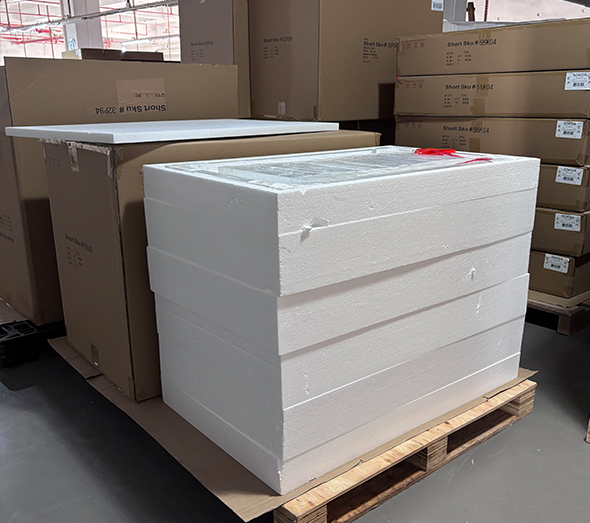
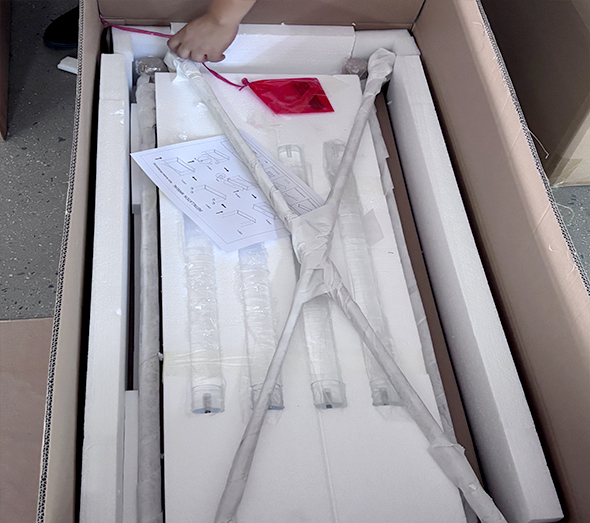
Outer packaging materials:Corrugated Boxes, Honeycomb Boards, Custom Gift Boxes, Wooden box; Cushioning materials:cushioning materials, Air Pillows, EPE, Honeycomb Paper, Kraft Paper Fillers; Sealing and securing materials:BOPP Transparent Tape, Kraft paper tape, Custom Printed Tape, Stretch Film; Special protective materials:Desiccant, Anti-Static Bags……
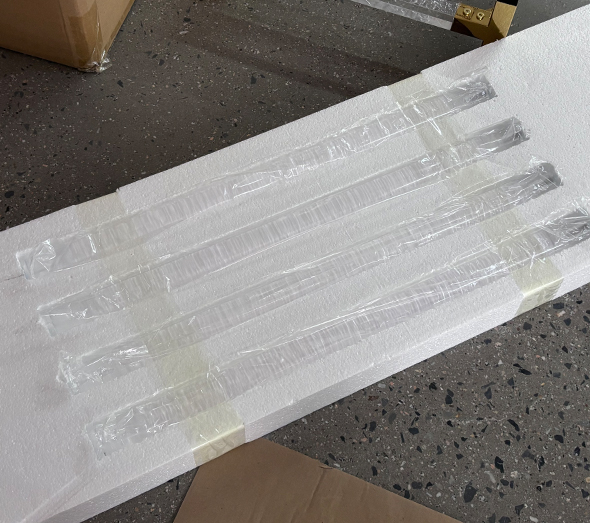
Surface and Edge Protection
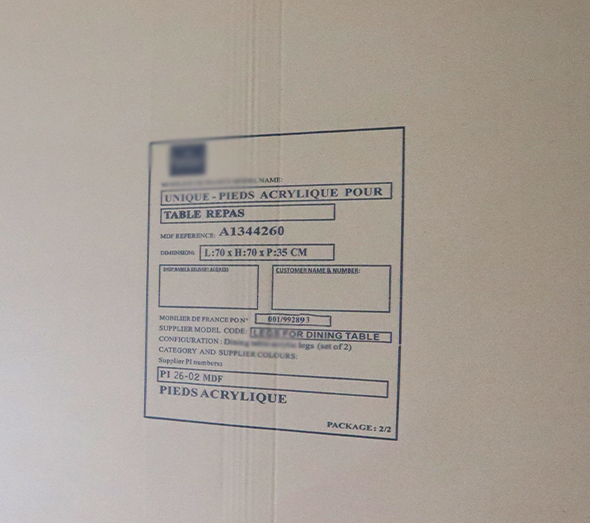
A published acrylic-furniture pack uses PE film or bag, pearl-cotton or bubble separation, foam board, wooden case, and pallet to stop surface contact.
Sets and Carton Identification
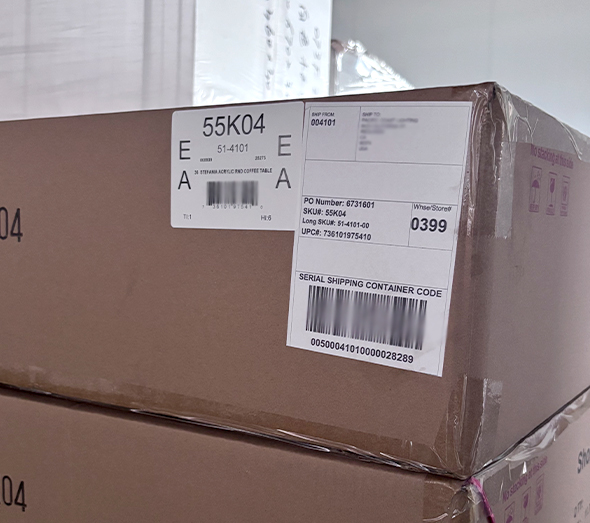
Nesting sizes remain separate SKUs. Carton labels list each size, color, pieces per set, quantity, destination, store, room, or project zone.
FAQ
For each acrylic stool, start with the installed counter or bar height and define the actual seat height instead of relying on a style name. Include cushion compression, knee clearance, footrest position, and the intended user group. Keep counter and bar versions separate in the SKU, label, carton, and product data. Customers can then judge fit before ordering, while sales and support teams have one clear height reference.
Review the complete configuration with the intended users and setting. Check seat depth, edge contact, back support, cushion compression, foot placement, entry and exit, cleaning access, and changes to available clearance. Approve the upholstery color, stitching, attachment, and care requirements against a production-intent sample. This turns comfort and fit into defined review points instead of broad promises that may not suit every design.
Describe the real setting before presenting an acrylic stool for hospitality or contract use: who will use it, how often, on which flooring, and how staff will move and clean it. Convert those conditions into agreed checks for the chosen structure, footrest, backrest, base, upholstery, and finish. Review the production-intent sample against those criteria. Residential appearance or a generic material statement is not evidence of commercial suitability.
For a custom acrylic stool, begin with the intended use, not one universal weight number. Record expected users, sitting and rising actions, off-center loads, footrest forces, backrest use, floor conditions, and any swivel or adjustable mechanism. Then agree which static, dynamic, repeated-use, and tipping checks apply to the specific drawing. This exposes concentrated-load and joint risks and gives the quality team a clearer acceptance basis for the approved design.
Publish the actual seat height, overall width and depth, required under-counter clearance, materials by component, cushion or backrest configuration, footrest position, assembly state, and included parts. Use scale images that match those dimensions. Keep the same information on the website, marketplace feed, carton label, and instructions. Clear product data helps customers choose among counter, bar, and vanity uses and gives support teams one dependable reference.
Build the range around a small set of approved structures. Add heights, colors, cushions, backrests, or metal finishes only where sales plans support them. Use a SKU matrix to show which components are shared and which are version-specific, then forecast each combination separately. Clear launch and discontinuation rules let buyers offer meaningful choice without creating avoidable slow stock, warehouse mix-ups, or replacement problems.
Base clear acrylic stool care guidance on the approved material, finish, upholstery, and hardware combination, not generic advice. Specify handling methods, cleaning tools, compatible products, spill response, inspection points, storage conditions, and evidence-based exclusions. Give retailers, hospitality operators, and service teams the same controlled version. Consistent instructions help preserve presentation quality, reduce preventable damage, and separate misuse from a genuine product issue.
Reconfirm the released drawing, approved sample, BOM, material specification, seat height, color reference, footrest or base, upholstery, hardware, labels, and inspection criteria. Link every item to a revision and require written approval for substitutions. Compare current listings and service parts with the original batch as well. This protects compatibility, keeps counter and bar versions from drifting, and supports reliable replenishment and future line extensions.
Request a Quote for Your Side Table Project
Product Specification
Send your company details, drawing or reference, dimensions, color, intended use, quantity for each design, and destination.
Destination and Timing
Add the preferred packing method, target arrival date, and whether the order is for wholesale, private label, or an interior project.
Commercial Context
We can then review the sample and bulk quotation on the right basis.