
Custom Acrylic Benches
JFM is a global supplier of custom acrylic Benches. We offer customized services based on your specific needs and specifications. JFM is an outstanding manufacturer that meets your acrylic customization requirements. If you are looking for custom acrylic Benche solutions, JFM is your ideal choice – a trustworthy and excellent manufacturer!








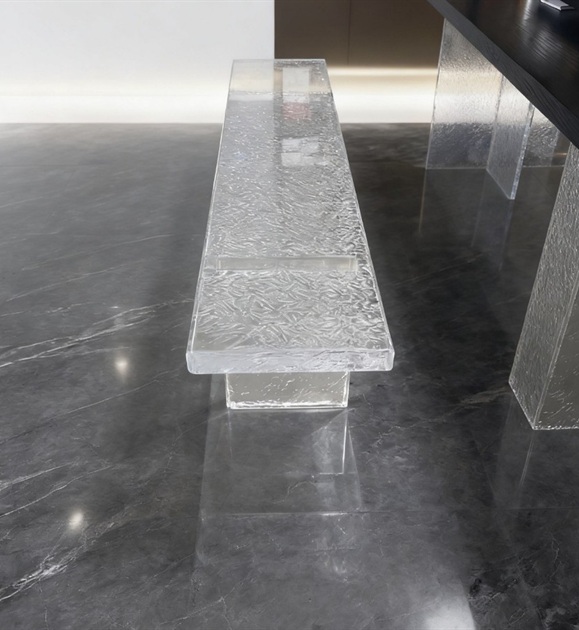
Quick specifications
| Item | Details |
|---|---|
| Product Scope | JFM manufactures waterfall, sled-base, X-base, pedestal-base, and four-leg acrylic benches from drawings, reference samples, or specified dimensions for furniture brands, importers, wholesalers, hospitality buyers, and contract projects. |
| MOQ | 50–200-piece MOQs |
| Sample Timing | JFM offers 3–7-day sample production. |
| Production Lead Time | We publish 10–35-day bulk production schedules. The exact time will depend on the order quantity and the complexity of the product. |
| Size, Thickness and Load | We provide 5–100 mm acrylic processing for furniture. |
| Material and Finish | Clear cast acrylic material can use a supported reference of up to 92% light transmission. Smoked, tea, milky, gradient, frosted, and custom-tinted finishes are specified separately and do not use that clear-material value. |
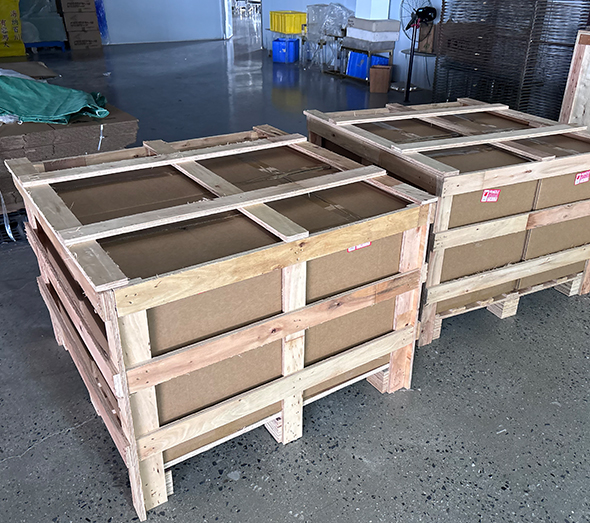
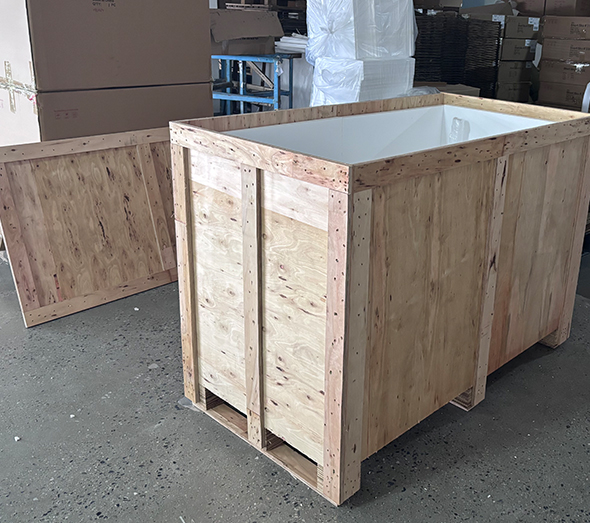
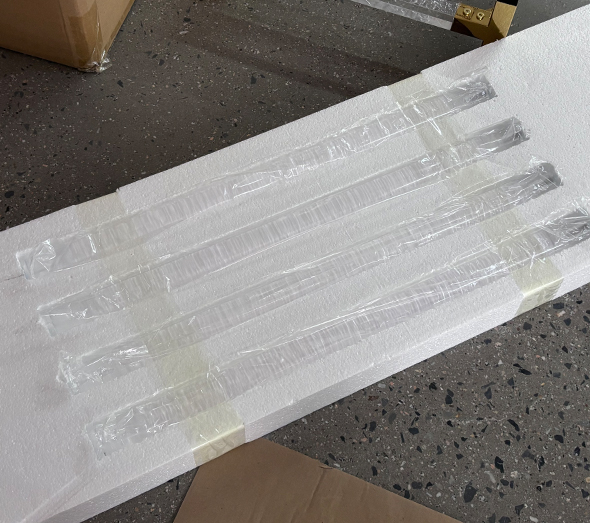
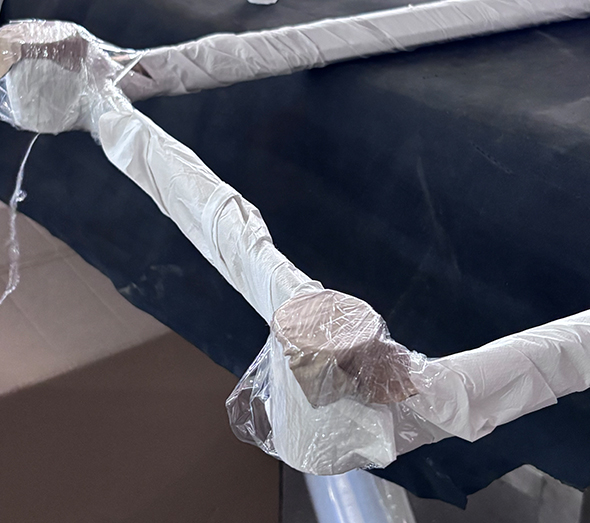
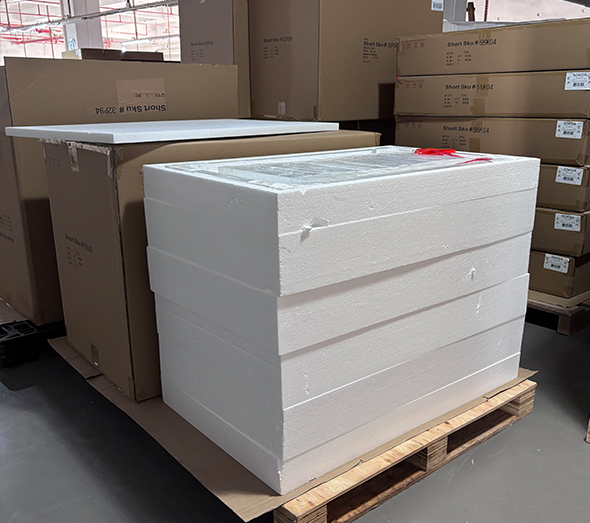
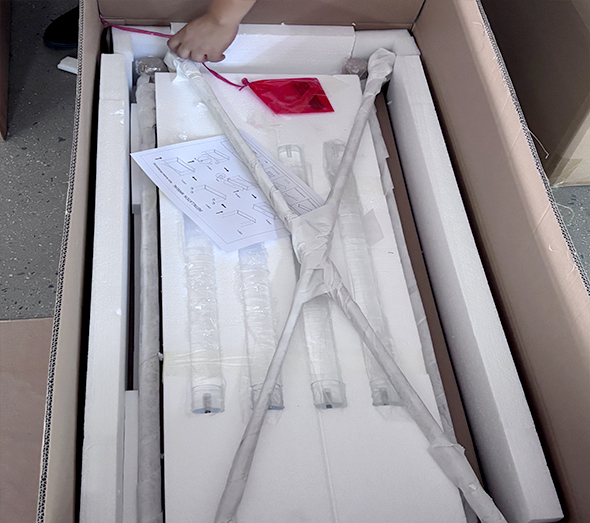
| Assembly and Packing | Furniture packs use a PE bag, foam separation, foam board, wooden case, and pallet. JFM records the assembly state and carton plan by SKU. |
| Shipping Terms | We supply protective packing and arrange EXW, FOB, DDU, or DDP delivery. Our delivery time will strictly adhere to the time stipulated in the contract and will be delivered to you as scheduled. |
Build an Acrylic Bench Around Its Real Seating Use
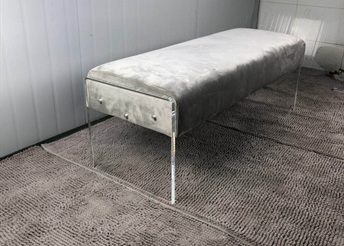
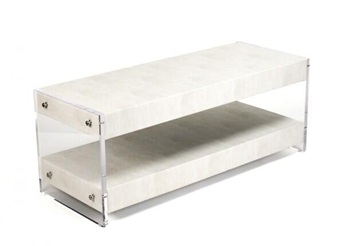
We manufacture acrylic benches for furniture brands, importers, wholesalers, hospitality procurement, design firms, and contract projects. You can begin with a drawing, a reference sample, or the intended room and user scenario. We evaluate overall size, seat height and depth, useful seating area, support span, base geometry, connections, upholstery interfaces, floor contact, assembly state, surface protection, and packing route as one product. Waterfall, sled-base, X-base, pedestal-base, and four-leg designs organize this collection by support structure. Clear acrylic bench describes a finish filter, while upholstered acrylic bench describes a seat option; neither replaces the structural category. Lucite bench, Plexiglass bench, and Perspex bench are acrylic synonyms on this page. Stool, chair, ottoman, pouf, shower bench, piano bench, bench top, display riser, and gym bench remain outside this product scope.
Our Products
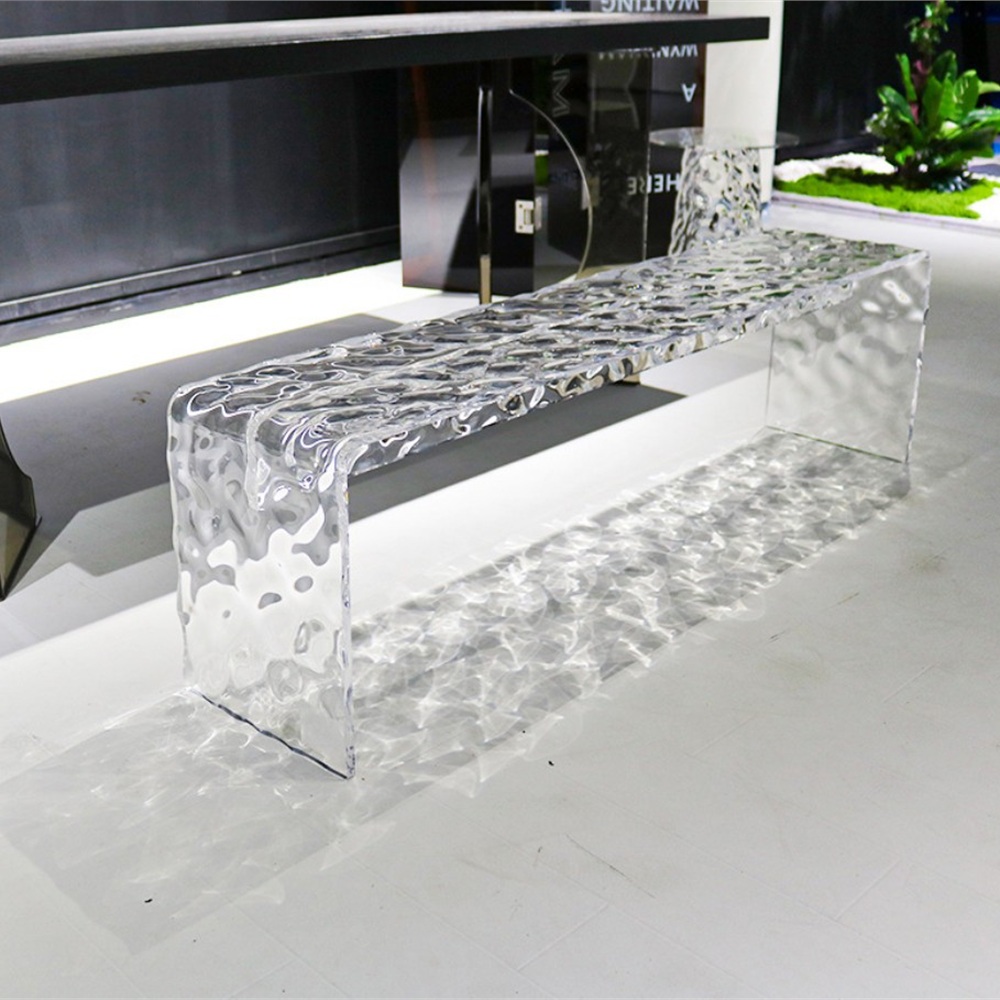
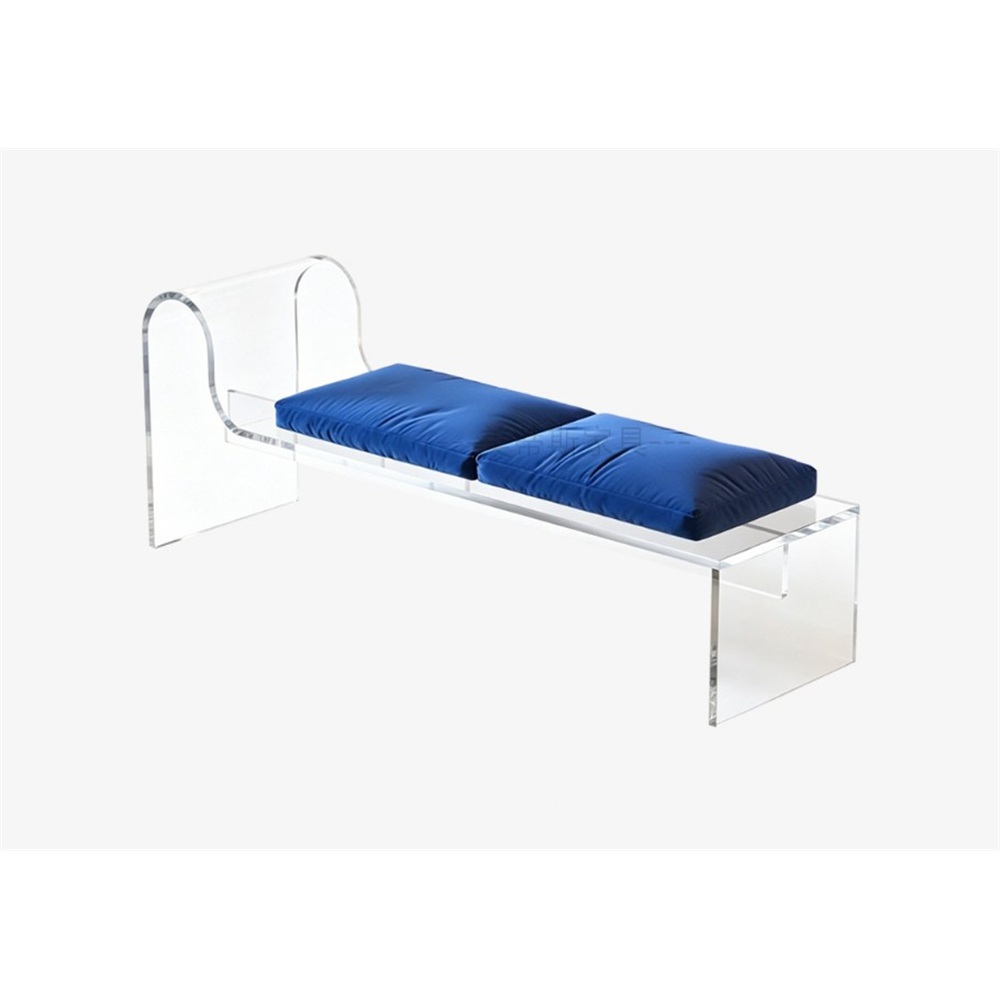
Waterfall Acrylic Benches
Waterfall acrylic benches use one continuous bent acrylic sheet to form the seat and side supports. We control sheet direction, bend radius, finished seat height, useful seating length, floor contact, and fully assembled protection.
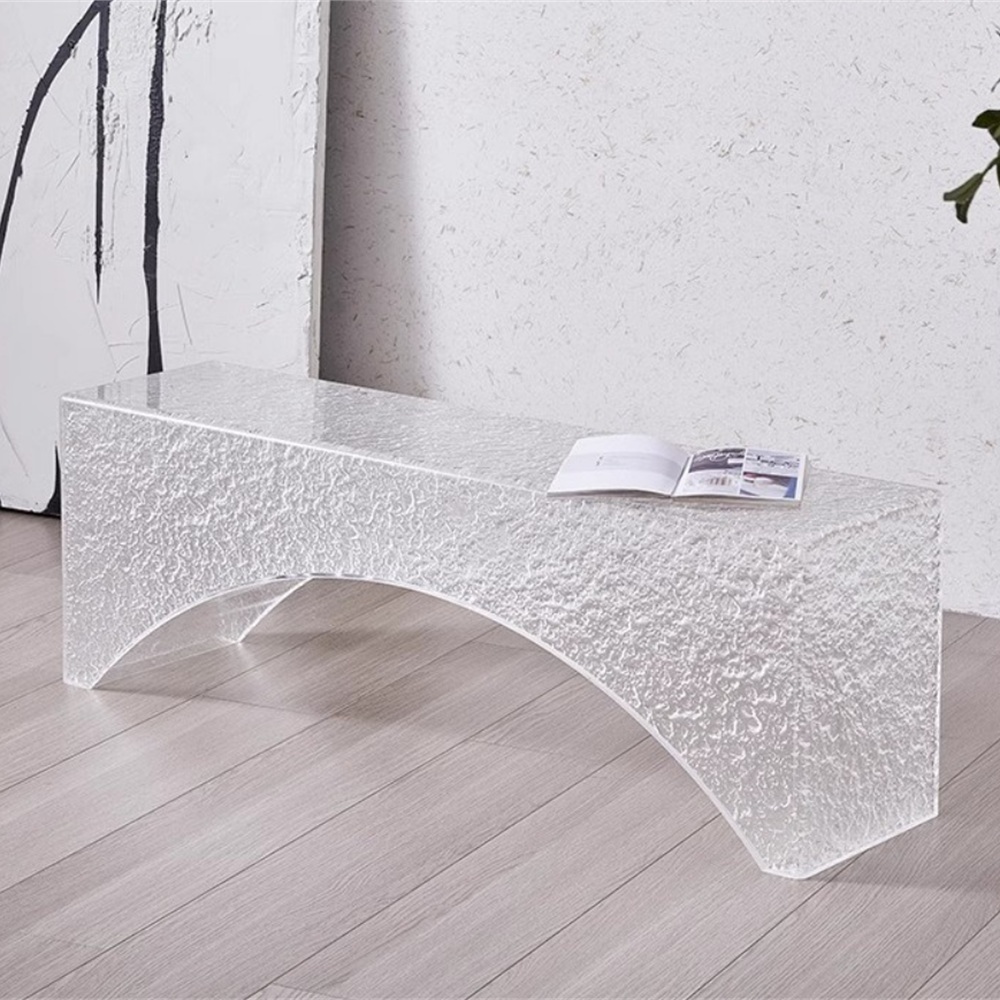
Sled-Base Acrylic Benches
Sled-base acrylic benches use two independent U-shaped, panel, or sled supports to carry the seat. We set support positions, seat-frame connections, base parallelism, glides, upholstery clearance, and the approved assembly state.
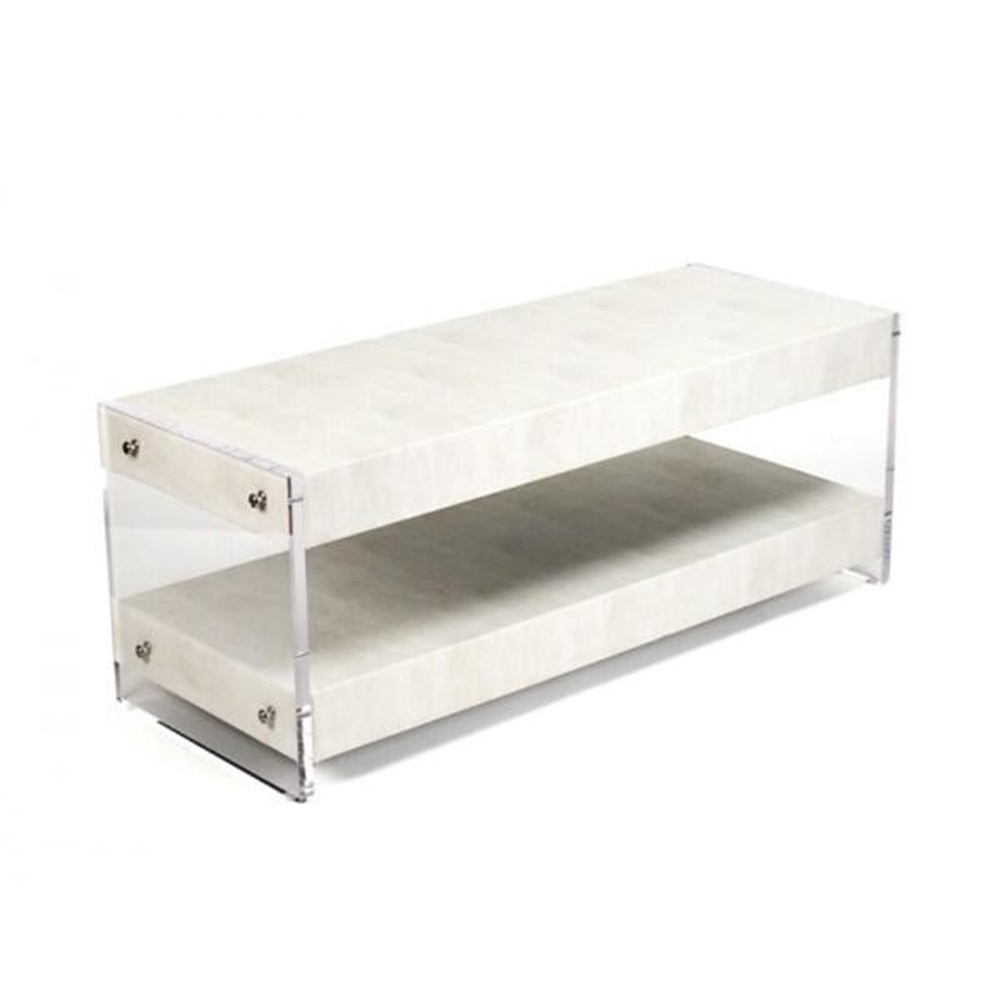
X-Base Acrylic Benches
X-base acrylic benches use crossed acrylic supports to create the base. We control the center joint, support angle, squareness, fasteners, seat interface, floor contact, and replacement hardware for the released SKU.
Pedestal-Base Acrylic Benches
Pedestal-base acrylic benches use one or two acrylic pedestals to support the seat. We define pedestal width, spacing, top connection, overhang, floor contact, upholstered-seat clearance, assembly sequence, and pack orientation.
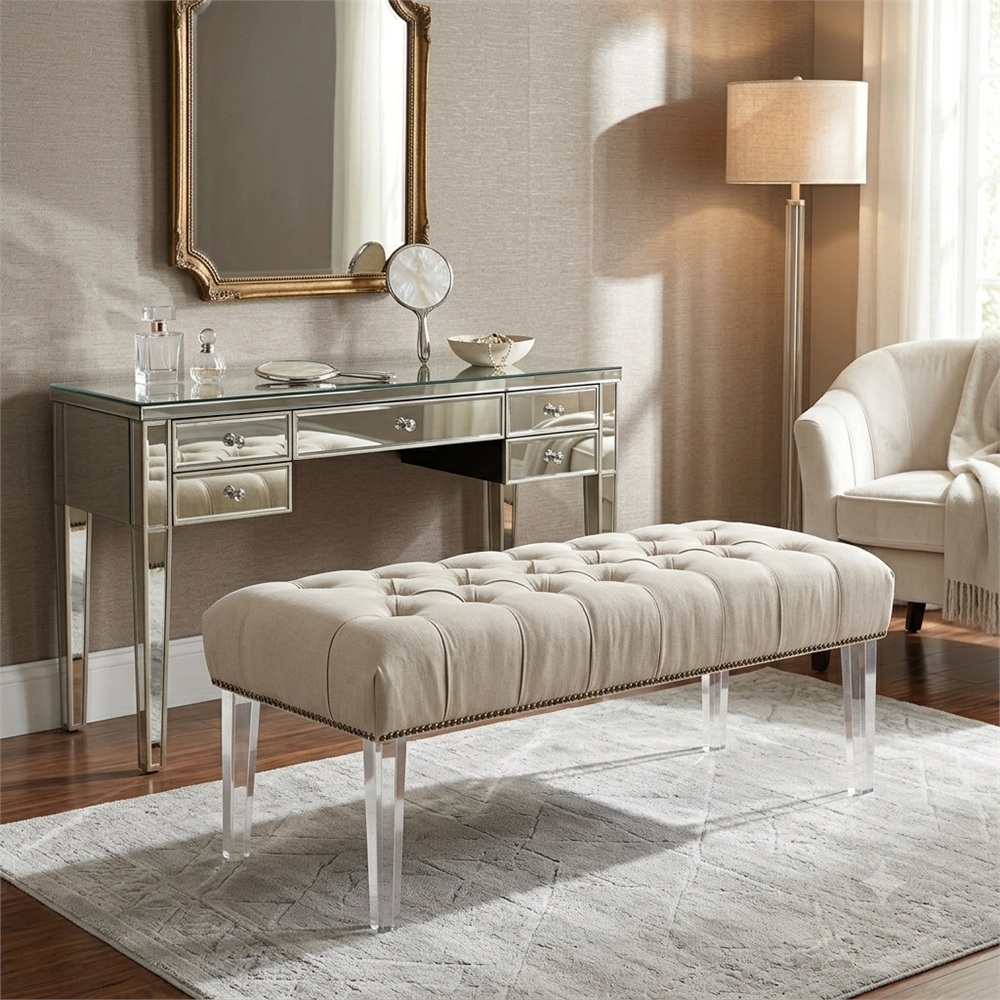
Four-Leg Acrylic Benches
Four-leg acrylic benches use four separate acrylic legs to support the seat or upholstered frame. We control leg section, hole positions, inserts, fasteners, corner clearance, glides, assembly sequence, and spare-part codes.
Customization Range
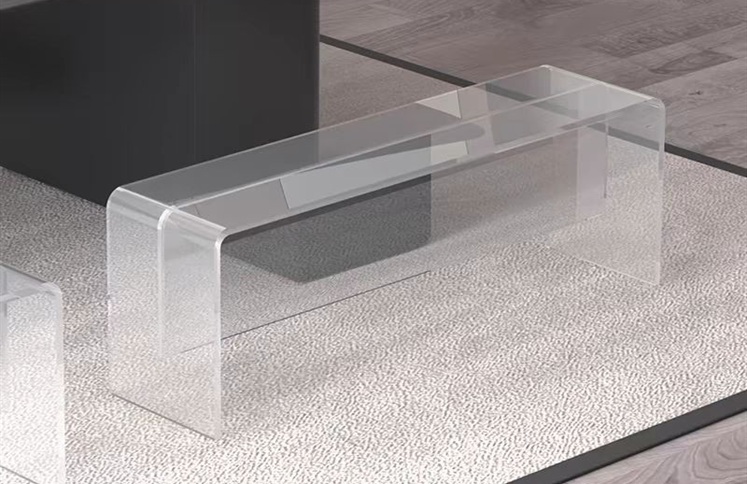
Bench Size and Overall Size
We translate your drawing, reference, and room plan into overall length, width, height, seat height and depth, useful seating area, cushion compression, support positions, circulation limits, and packed dimensions.
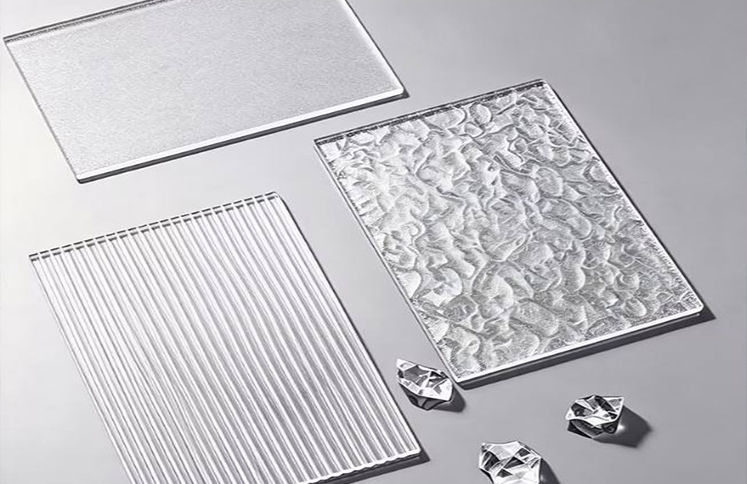
Acrylic Material Type
We record the specified acrylic grade, thickness or section by component, transparency, color, surface direction, protective film, and approved physical reference for each production part.
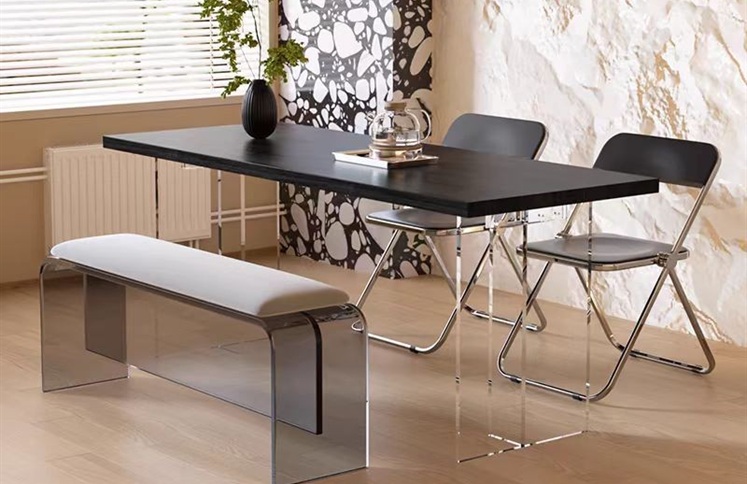
Bench Structure and Use
We develop waterfall, sled-base, X-base, pedestal-base, and four-leg structures around the intended users, seating positions, frequency, floor condition, upholstery, and agreed project acceptance points.
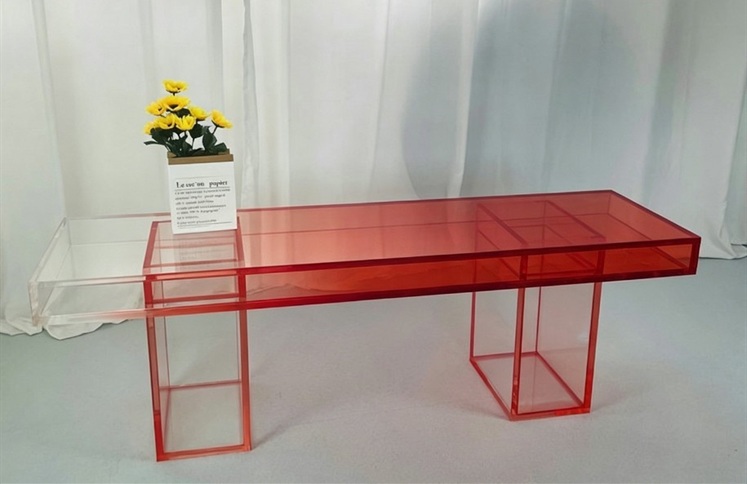
Surface Treatment
You can approve clear, smoked, tinted, frosted, printed, engraved, or custom-color surfaces against the agreed material sample, finish reference, inspection lighting, and viewing distance.
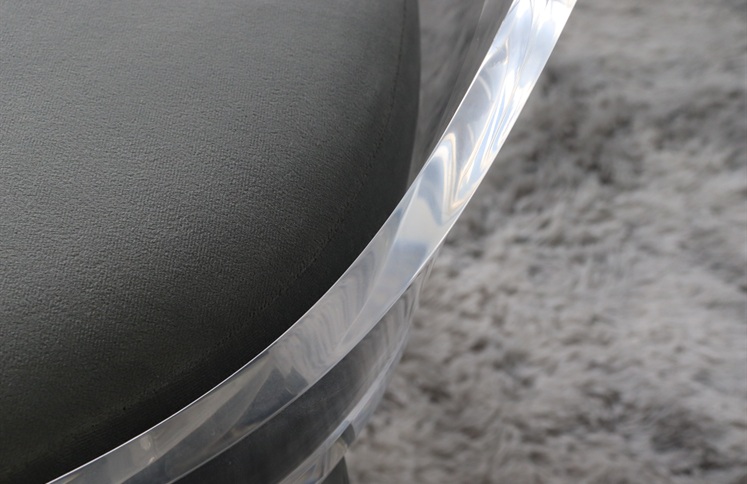
Edge and Corner Finish
We finish exposed, hand-contact, seat, formed, and joined edges to the released profile, corner radius, polish level, and approved visual reference.
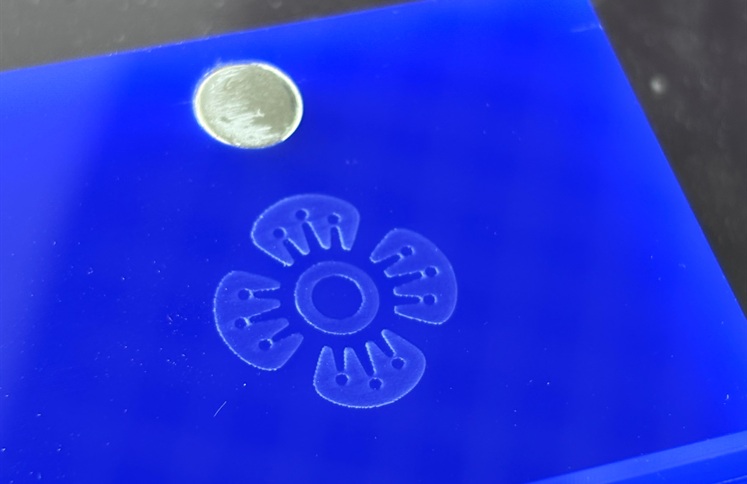
Branding and Personalization
Add printed or engraved logos, product marks, care labels, barcodes, private-label artwork, upholstery labels, and destination identifiers using approved files and positions.
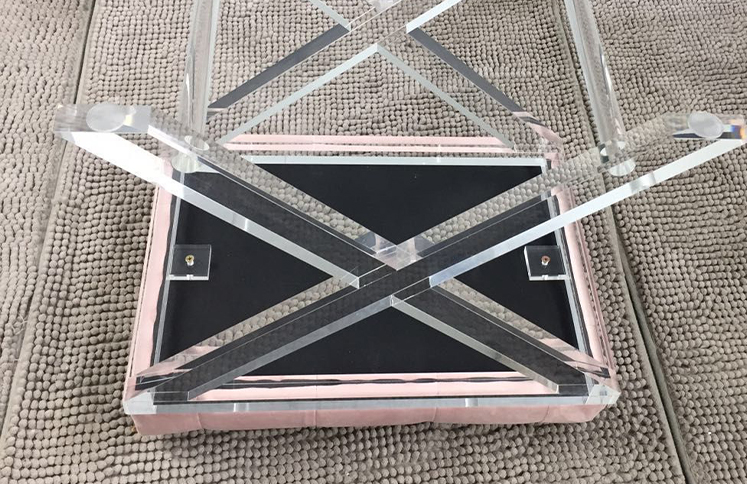
Hardware and Assembly
Your bill of materials records inserts, fasteners, backing plates, washers, glides, seat-frame connections, hardware packs, tools, instructions, spare parts, and the released assembly state.
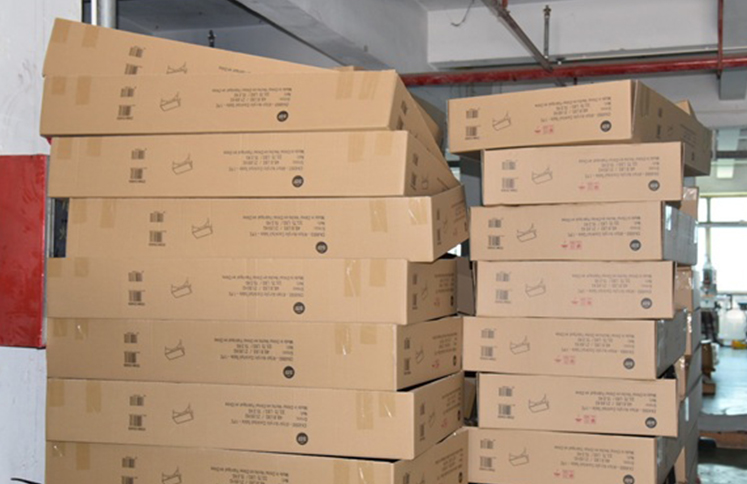
Packaging and Presentation
We evaluate assembled or knock-down packing with surface separation, long-part support, component restraint, upholstery protection, hardware identification, instructions, cartons, wooden cases, pallets, and destination labels.
Feature Box
We Turn Your Base Design into One Buildable Bench
For an acrylic bench, you only need to share a drawing or reference and explain the intended room, users, and sales channel. We then evaluate the seat height and depth, useful seating length, support span, base positions, overhangs, floor contact, upholstery build-up, and assembly route together. The decisions are recorded in the production drawing and sample, so your purchasing, design, and quality teams review the same configuration. This prevents a visually similar bench from reaching quotation, sampling, and bulk production with different support positions or finished seat height.
We Trial-Fit Upholstery, Inserts, and Hardware
Each acrylic bench is checked as a complete assembly, not as separate acrylic parts. We match the acrylic base to the seat frame, cushion build-up, inserts, backing plates, fasteners, washers, glides, and required clearances. The trial assembly verifies hole alignment, component orientation, seat height, visible gaps, hardware access, and the order of installation before release. You receive the approved interface drawing, bill of materials, hardware list, and assembly record for that SKU, giving your warehouse or installer one clear reference for production, replacement parts, and later replenishment.
We Keep Packing and Reorders Tied to the SKU
An acrylic bench may combine long clear parts, upholstered seats, and mixed hardware, so its packing plan must match the released configuration. We record the assembled or knock-down state, protective-film status, contact separators, edge protection, component restraint, hardware bag, instructions, carton labels, and destination marks by SKU. Your receiving team can identify what belongs together without opening every carton. The same drawing revision, material reference, finish sample, hardware code, packing record, and approved changes remain linked for repeat orders, helping you avoid mixed components, incompatible replacements, and relisting work.
Manufacturing Process
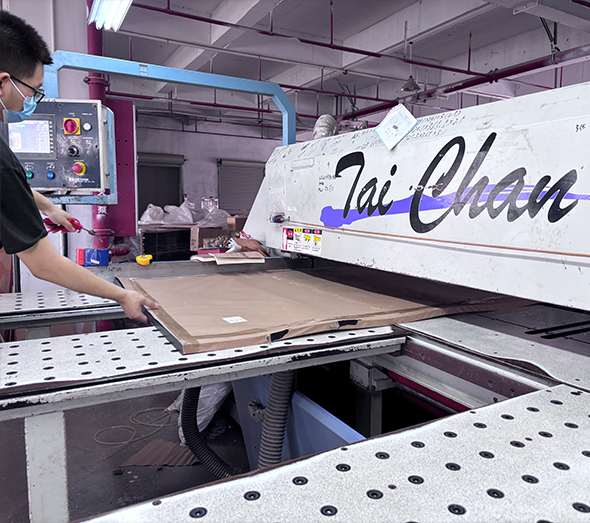
Electronic Saw Cutting
Acrylic bench seats, sides, legs, pedestals, supports, frames, fixtures, and packing blanks are cut to the released production dimensions.
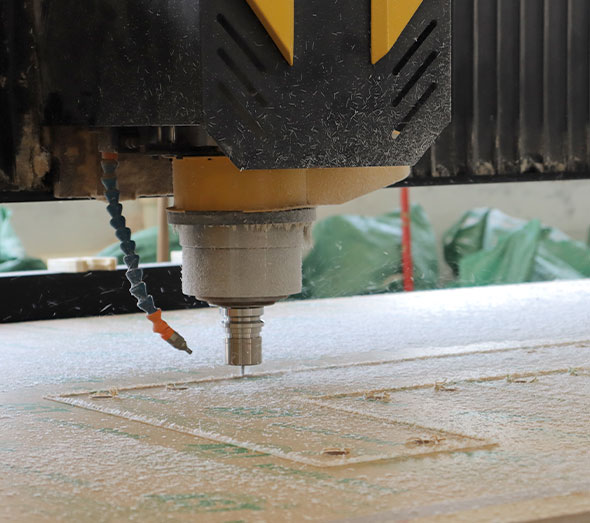
Cutting and CNC Machining
Your profiles, holes, slots, inserts, fastener positions, upholstery interfaces, glides, and checking references follow the approved production file.
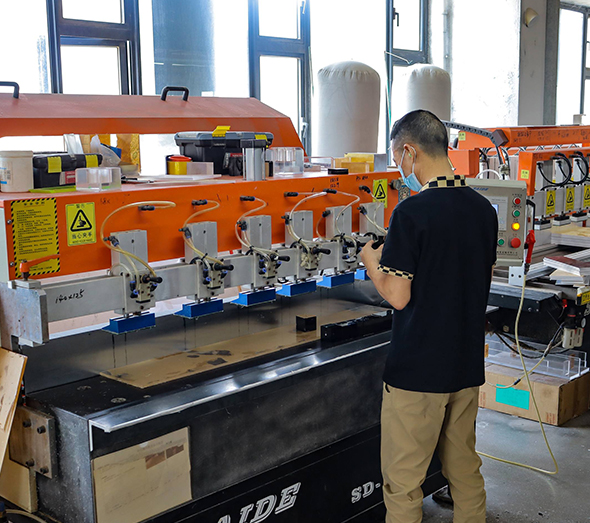
Edge Polishing and Forming
Your exposed, hand-contact, seat, formed, and joined edges are ground, polished, and shaped to the released profile and finish reference.
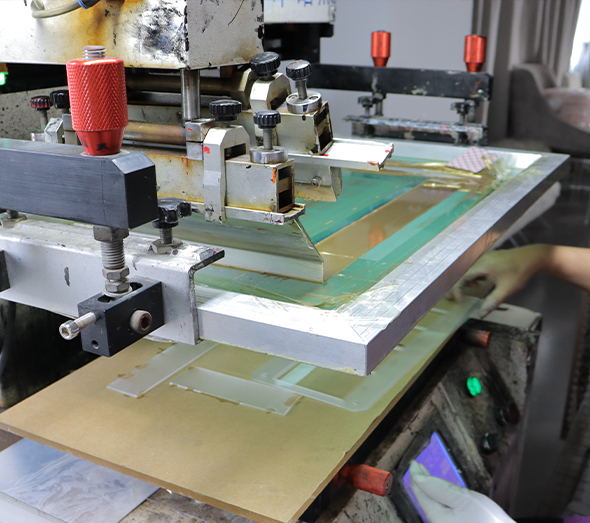
Printing and Engraving
Your logos, care labels, barcodes, model marks, and destination identifiers follow the approved artwork, color, reading direction, and position.
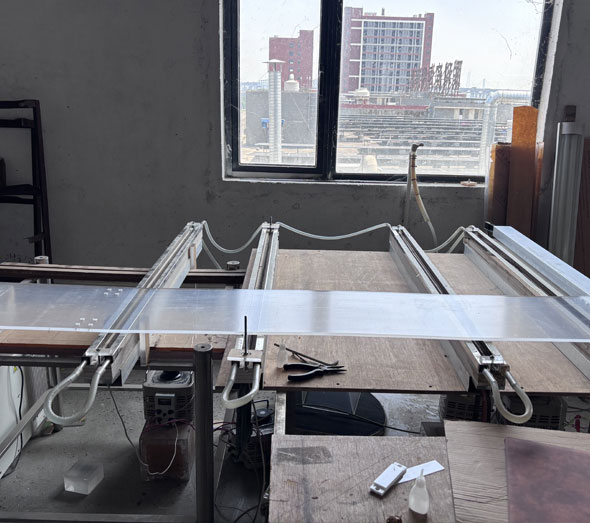
Hot bending
Your waterfall sides, sled supports, returns, legs, and formed components follow the approved angle, radius, direction, and checking fixture.
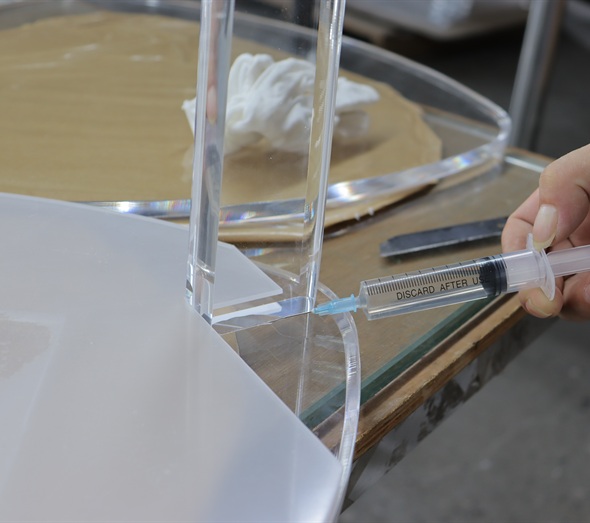
Bonding
Your seats, panels, legs, supports, pedestals, reinforcements, and mixed-material interfaces remain aligned in fixtures while the approved joining process sets.
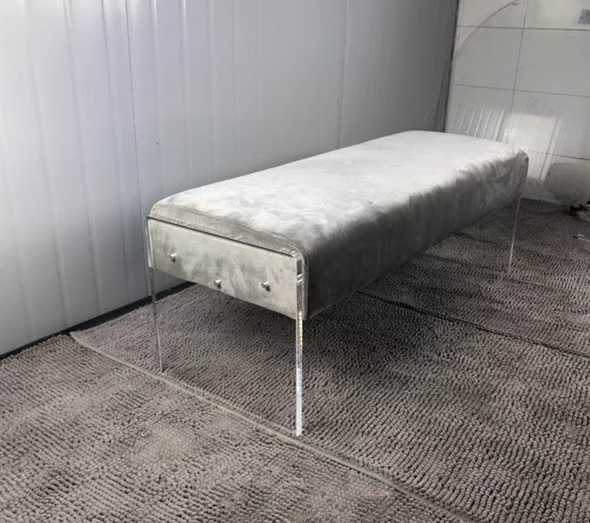
Quality Inspection
We check each acrylic bench for dimensions, seat geometry, surfaces, edges, bends, joints, support positions, hardware, assembly, floor contact, SKU identity, and the released acceptance record.
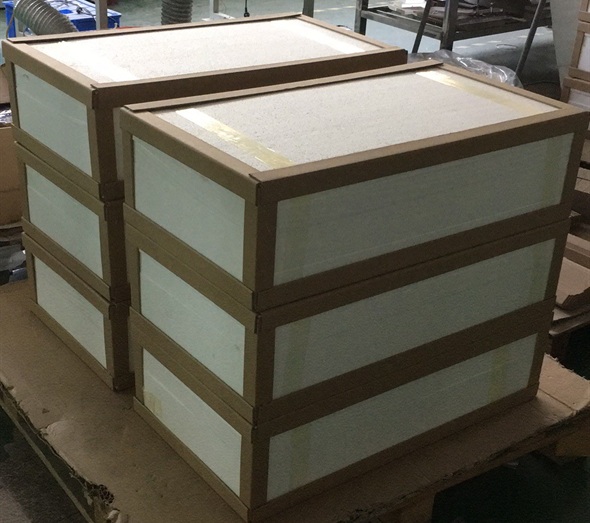
Protective Packing
Your released pack retains protective film where specified and adds separators, long-part support, upholstery protection, component restraint, hardware identification, labels, cartons, cases, or pallets.
Application
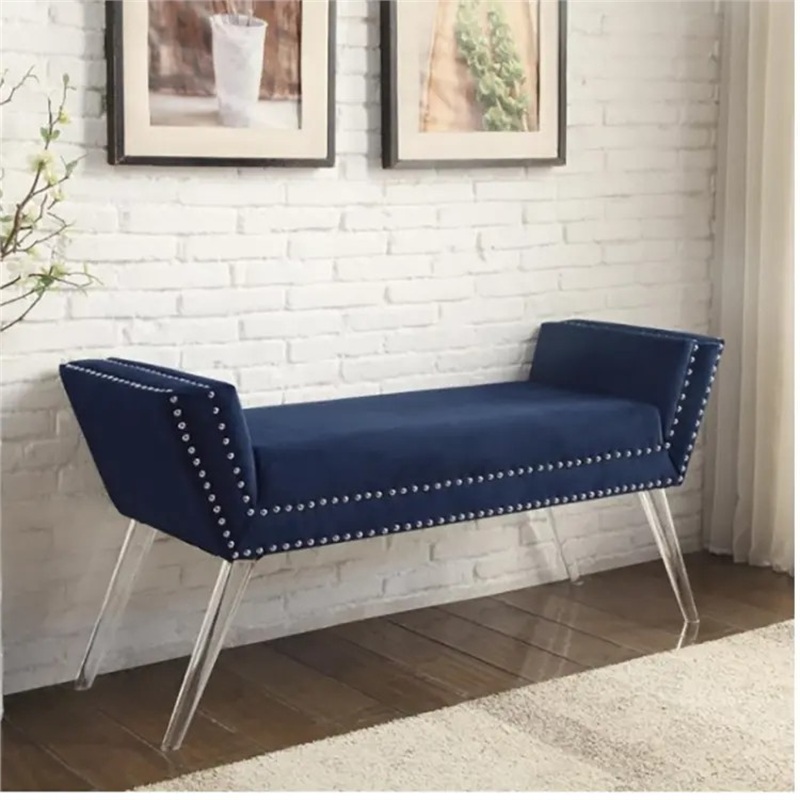
United Kingdom — June 2024: Upholstered Benches Fit the Hotel Installation
Project: A United Kingdom interior-project buyer ordered upholstered acrylic benches for a hotel dressing area in June 2024. The finished bench was specified at 1,200 × 450 × 460 mm.
Client’s Concern: Cushion build-up or mismatched support holes could alter the approved seat height and force drilling during installation. That would delay fit-out and create rework.
Solution: We positioned the clear supports from fixed centerlines, checked the upholstered seat and eight connections in a complete trial assembly, and packed the labeled bases with the seat as one set.
Result: The checked sample reached the specified seat height and all eight connections aligned without site drilling. The project buyer had a defined bench set for installation.
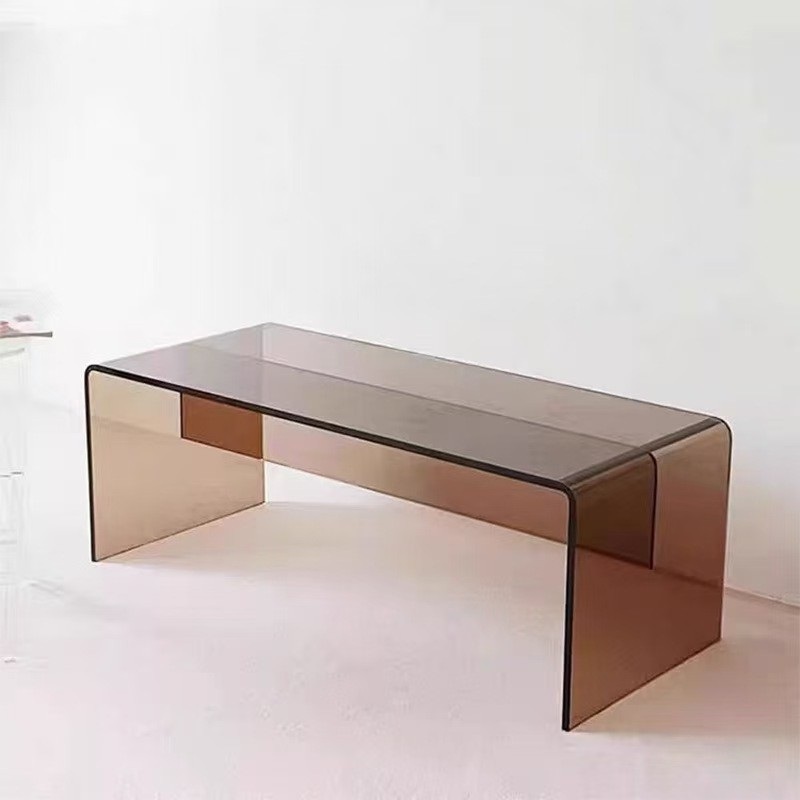
United States — April 2025: Waterfall Benches Kept Even Supports
Project: A United States furniture brand ordered one-piece waterfall acrylic benches for a residential collection in April 2025.
Client’s Concern: Different long bends could leave the supports uneven, causing the bench to rock or look different across the range. The brand could face rejected stock.
Solution: We formed each bench from 25 mm clear acrylic in a fixed bend fixture and checked height, side parallelism, floor contact, and diagonal position against the approved sample. The clear faces stayed protected through packing.
Result: Production checks held the supports and overall dimensions within the recorded limits. The finished benches followed the same bend direction and pack orientation, avoiding the visible shape drift the brand feared.
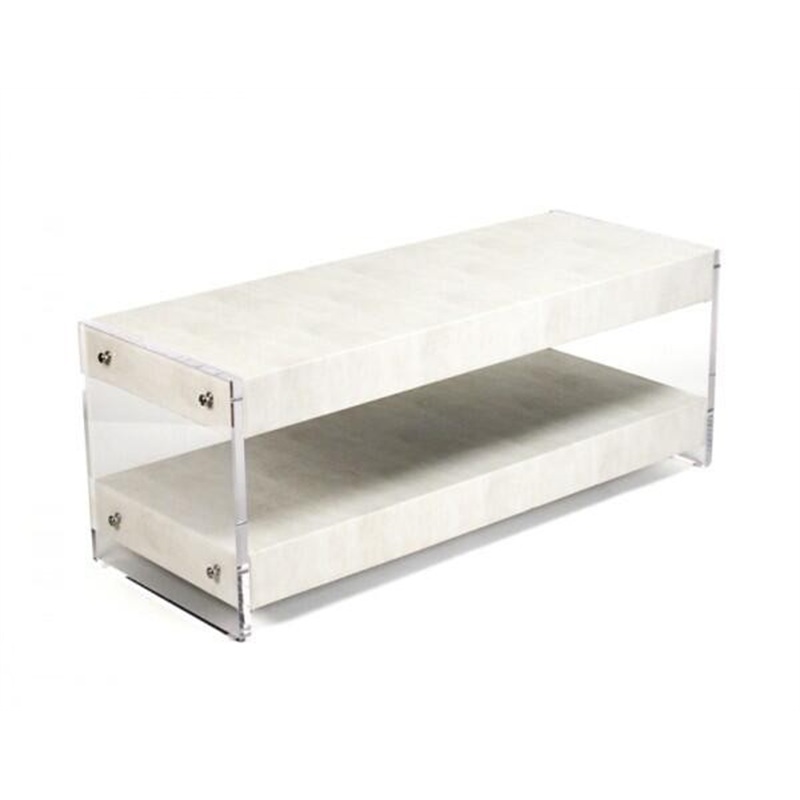
United States — October 2025: Two Upholstery Versions Shared One Acrylic Base
Project: A United States hospitality furniture buyer ordered double-pedestal upholstered benches in two fabric versions in October 2025.
Client’s Concern: If each fabric version needed a different base or fittings, replacement and replenishment could produce incompatible parts, delaying guest-room work.
Solution: We kept one acrylic pedestal position and eight-connection hardware map for both versions. We trial-assembled both upholstered seats and separated their fabric codes, cartons, and hardware bags.
Result: Both checked fabric versions fitted the same acrylic bases and connection points. The buyer could identify each appearance separately while using one approved base system for replenishment.
Bulk Production Process
1. Inquiry & Quotation
Consult customer service to confirm product specifications, craftsmanship, and quantity, then finalize the quotation and lead time.
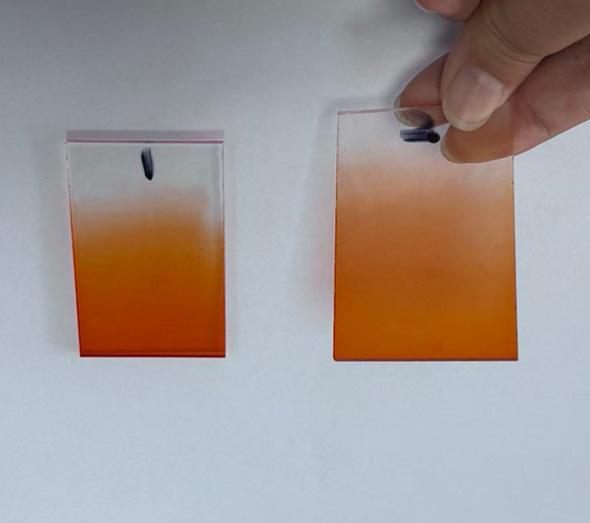
2. Solution Confirmation
Formulate the solution, design the drawings, and confirm the final version.
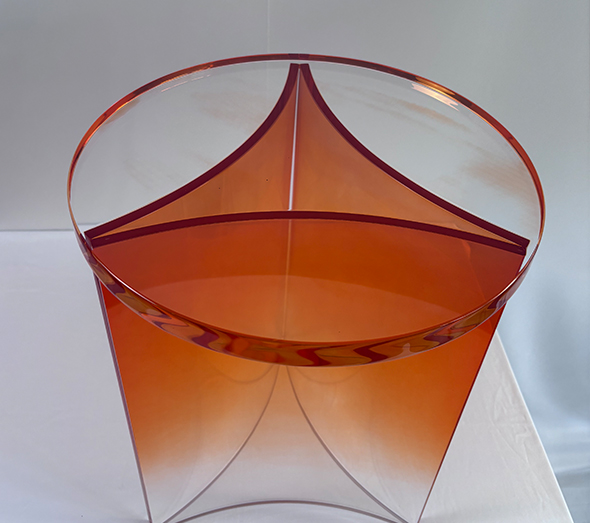
3. Sample Production
The factory designs and produces samples, then sends them to the buyer for confirmation.
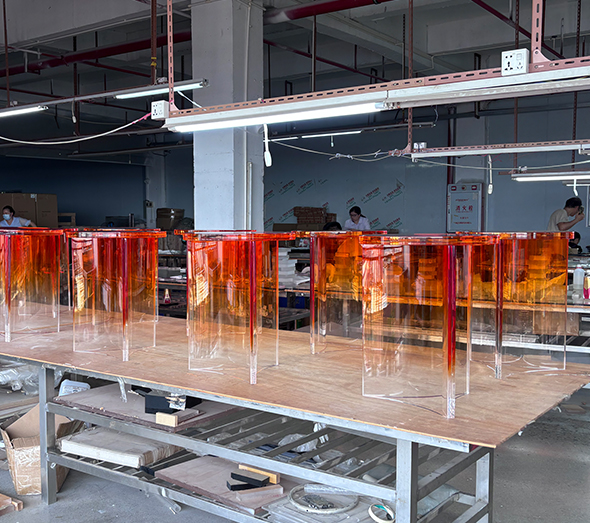
4. Mass Production
The factory starts mass production in accordance with the confirmed samples. No modifications are allowed during production.
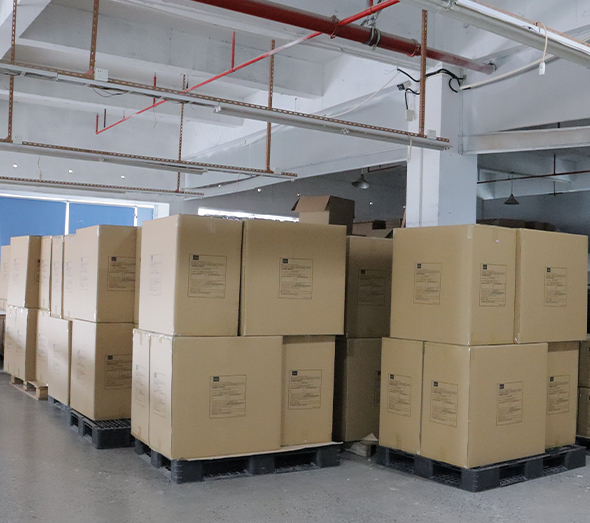
5.Products Shipment
Once production is completed, safe shipment will be arranged after the balance payment is settled.
Packing Facts
Packaging materials
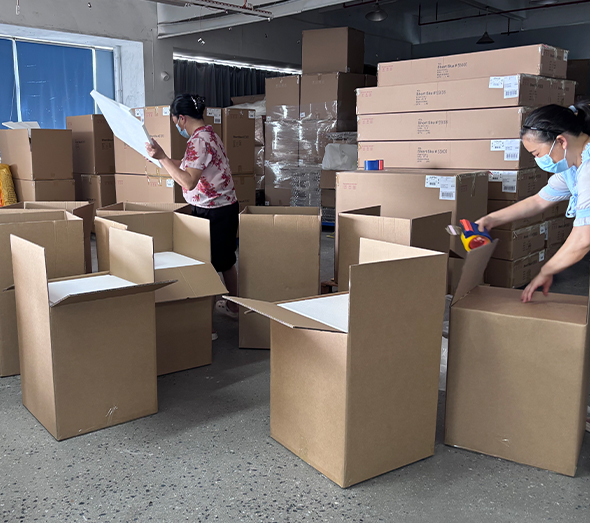
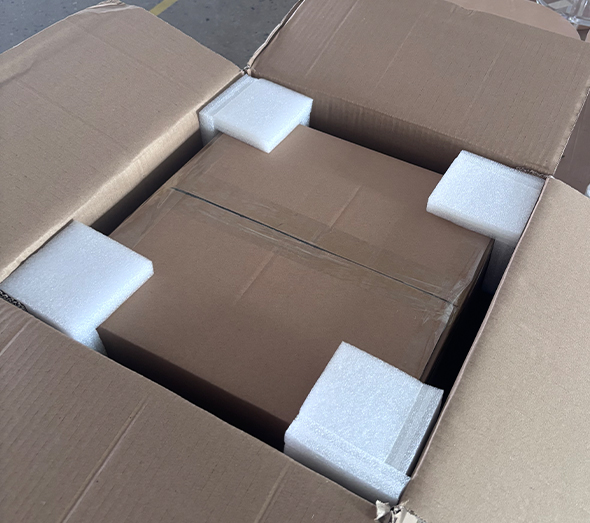
Outer packaging materials:Corrugated Boxes, Honeycomb Boards, Custom Gift Boxes, Wooden box; Cushioning materials:cushioning materials, Air Pillows, EPE, Honeycomb Paper, Kraft Paper Fillers; Sealing and securing materials:BOPP Transparent Tape, Kraft paper tape, Custom Printed Tape, Stretch Film; Special protective materials:Desiccant, Anti-Static Bags……
Surface and Edge Protection
A published acrylic-furniture pack uses PE film or bag, pearl-cotton or bubble separation, foam board, wooden case, and pallet to stop surface contact.
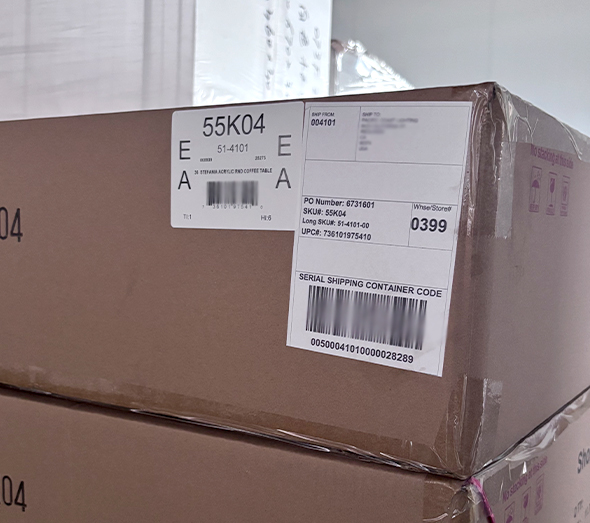
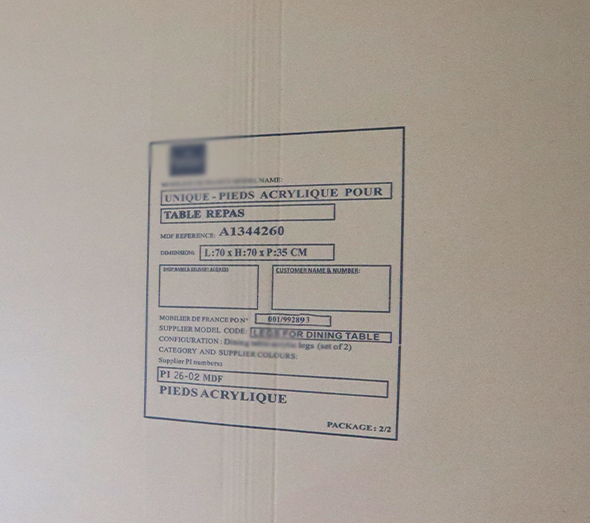
Sets and Carton Identification
Nesting sizes remain separate SKUs. Carton labels list each size, color, pieces per set, quantity, destination, store, room, or project zone.
FAQ
Start with the spaces and users you intend to serve, not a universal “standard” size. Record the target bed, vanity, entryway, reception area, or furniture layout; then define overall length, seat height, seat depth, cushion compression, and required circulation. Check those dimensions on a scaled plan and a production-intent sample. This helps you publish accurate fit guidance, reduce size-related returns, and avoid expanding your assortment with dimensions that look attractive but solve no clear customer need.
Describe who will sit, how many people may use it, where they may sit, how often it will be used, and how users will sit down, rise, lean, or apply lateral force. Include center loading, end loading, simultaneous users, foreseeable dynamic use, flooring, and any upholstered seat structure. This use map gives your engineering and quality teams a realistic load path to evaluate; the bench’s length, appearance, or acrylic thickness alone cannot establish seating capacity or suitability.
Tie every claim to the released design, intended users, support layout, floor condition, and an agreed test method. Your acceptance record should identify the production-intent sample, preconditioning, load locations, duration or cycles where relevant, stability checks, pass/fail criteria, observations, report scope, and drawing revision. Confirm whether evidence covers a material, component, or finished bench. This prevents one test result—or a supplier’s generic capacity figure—from being applied to different sizes, bases, connections, or end-use conditions.
If you want to supply your own material or leather, first confirm that the arrangement is feasible for your project. Provide the supplier, item number, color and lot, width or hide details, pattern direction and repeat, cutting restrictions, test requirements, quantities, and factory-arrival date. Agree responsibility for inspection, defects, shortage, waste, remnants, replenishment, and substitutions before sample approval. This protects your schedule and margin while preventing an approved seat from becoming difficult to reproduce in production or later replacement orders.
Give your buyers overall dimensions, seat height and depth, usable seating area, cushion behavior where applicable, component materials, intended use, assembly status, included parts, care limits, and clear scale images. Keep the same revision across your product page, marketplace feed, carton label, instructions, and customer-service system. Also distinguish the product from a stool, ottoman, chair, display riser, or shower bench. Accurate classification and consistent data reduce expectation gaps, prevent avoidable returns, and make channel performance easier for you to diagnose.
Compare the full business impact for the released design. An assembled bench may simplify customer setup but increase carton volume and expose long spans, bases, or joints during handling. A knock-down design may improve logistics efficiency, yet it can add hardware, alignment, missing-part, instruction, installation, and return risks. Test the chosen route through your warehouse and final delivery flow, then include labor, packaging, replacement parts, and service costs in your decision. Do not assume the lowest freight volume produces the lowest landed cost.
Agree what counts as an acceptable surface before shipment, including inspection lighting, viewing distance, protected areas, edges, joints, upholstery, and any allowable variation. Define when protective film or temporary covers are removed, who performs the final inspection, and how condition is photographed at packing, receipt, and unboxing. Validate the process through the intended distribution route. This gives you better evidence for damage claims, reduces false defect reports caused by film or handling residue, and protects the display-ready value your customer expects.
Reference the approved drawing revision, golden sample, bill of materials, dimensions, seat construction, finish or color sample, upholstery reference, hardware, feet, assembly method, labels, inspection criteria, and protection standard. Ask for written approval before any substitution, and check whether original materials remain available before promising a match. Linking each purchase order and SKU to the controlled version helps you prevent visual drift, incompatible replacement parts, mixed warehouse stock, and costly relisting when you replenish a successful program.
Request a Quote for Your Side Table Project
Product Specification
Send your company details, drawing or reference, dimensions, color, intended use, quantity for each design, and destination.
Destination and Timing
Add the preferred packing method, target arrival date, and whether the order is for wholesale, private label, or an interior project.
Commercial Context
We can then review the sample and bulk quotation on the right basis.