
Customization Options
Send a drawing, photo, sample, or rough brief. Tell us the size, finish, quantity, and destination. We will flag missing details before quotation or sampling.
Start with a drawing
Use a reference or sample
Include quantity by design
Add destination and timing
Turn the information you have into a clear project brief
A complete CAD file is helpful, but not required for the first review. Send the drawing, sample, or reference you have, plus intended use, critical dimensions, and estimated quantity. We will identify missing decisions before quoting or sampling.
2D or 3D drawing
Rendering
Physical sample
Reference image
Dimensions
Application
Useful information for the first review
- Product type and intended use
- Drawing, photo, sample, or sketch, if available
- Required dimensions or items the product must fit
- Estimated quantity by design, size, or color
- Branding, packaging, destination, and target arrival date, if known
What can be customized?
Each option is reviewed as part of the complete product. A change in size, material, structure, or packaging can affect the manufacturing and delivery plan.
01

Size & Shape
Confirm finished dimensions and the items the product must fit first. Longer spans or new cutouts may require a thickness or support review and can change carton size.
02
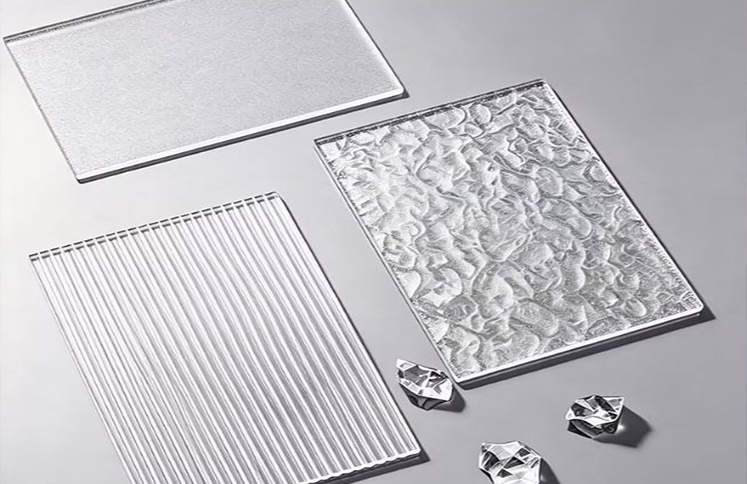
Material & Color
Choose clear, tinted, frosted, translucent, or mirror-effect acrylic against a reference. Confirm the target look, thickness, and quantity for each color before pricing.
03
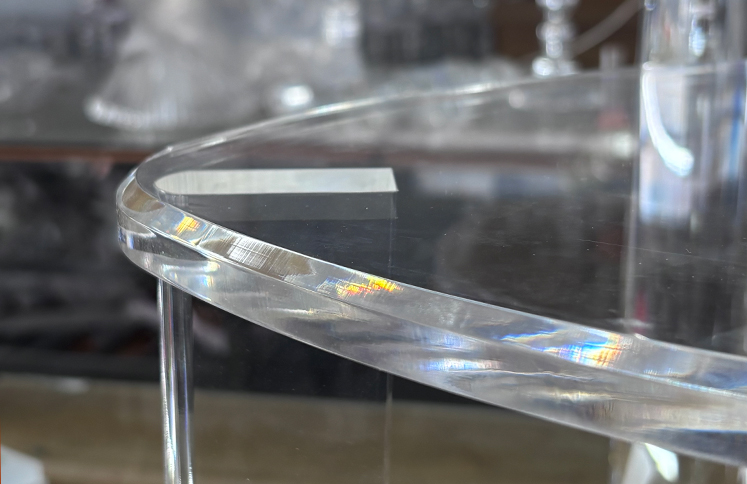
Finish & Edge
Mark visible and touch edges on the drawing. Compare polished or matte finish, corner treatment, and surface acceptance against the approved sample.
04
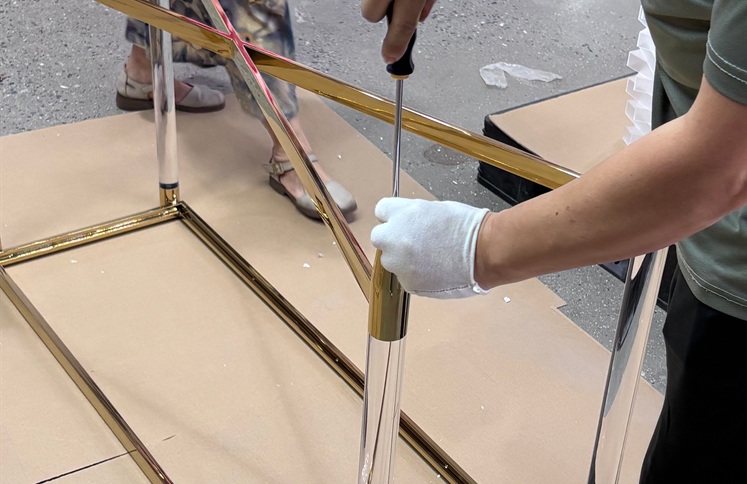
Structure & Components
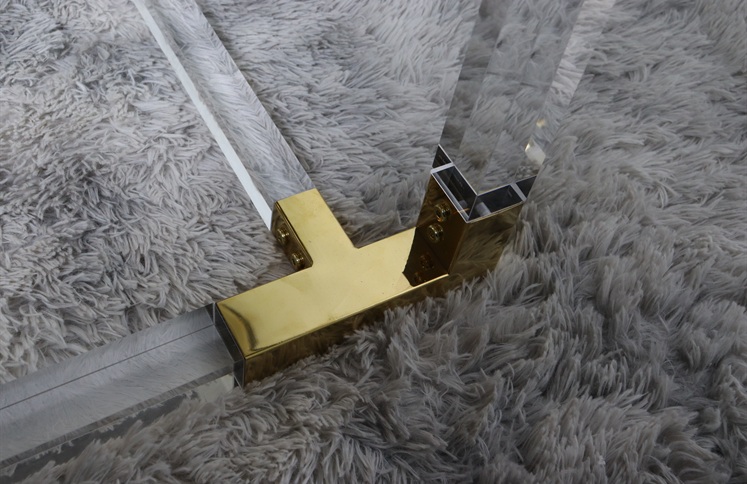
Choose formed, bonded, or knock-down construction. Confirm joints, hardware, access, assembly, and replaceable parts before approving the sample.
05
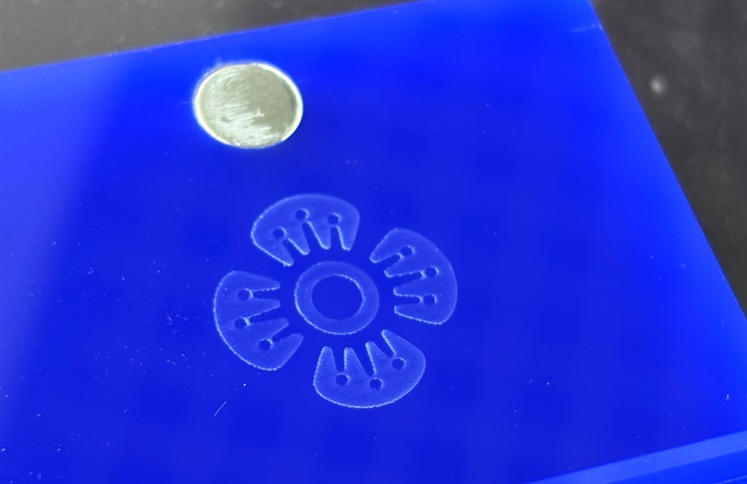
Branding & Graphics
Approve artwork version, method, size, position, and reading direction on a sample or print reference. Identify each logo or graphic version by SKU.
06

Packaging & Labeling
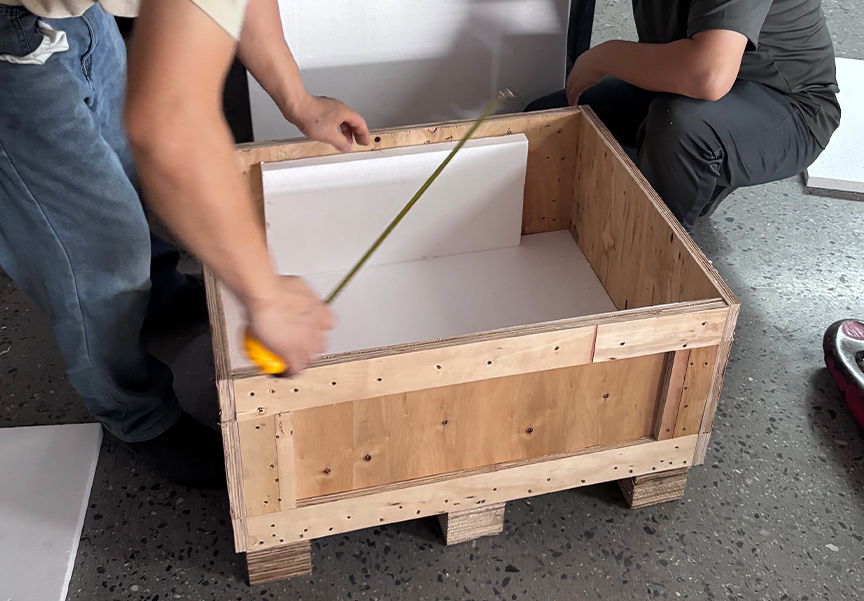
Specify protective film, separators, accessory bags, carton labels, and retail or export packing. Assembly state and packed dimensions affect shipping cost and receiving.
Define the product beyond its outside dimensions
A useful specification explains how the product looks, works, assembles, carries its intended load, and fits the planned packing method.


Dimensions & Profiles
Length, width, height, and thickness
CCurves, radii, cutouts, holes, and slots
Hole positions and assembly dimensions
Size and color
variations by SKU
Product Structure
- One-piece or assembled construction
- Fixed, removable,or replaceableparts
- Flat-pack orassembled delivery
- Connections withhardware or other materials
Coordinate material, color, finish, and graphics
Visual options should be evaluated together with the product size, structure, use environment, handling, and packing requirements—not as isolated cosmetic choices.
Clear
Colored
Frosted
Translucent
Mirror effect
Printed graphics
Logo detail
Details to define
• Preferred material appearance and reference
• Surface and edge expectations
• Logo method, size, position, and orientation
• Color approval reference and acceptable variation
• Product label and model identification
Consider hardware and packaging during development
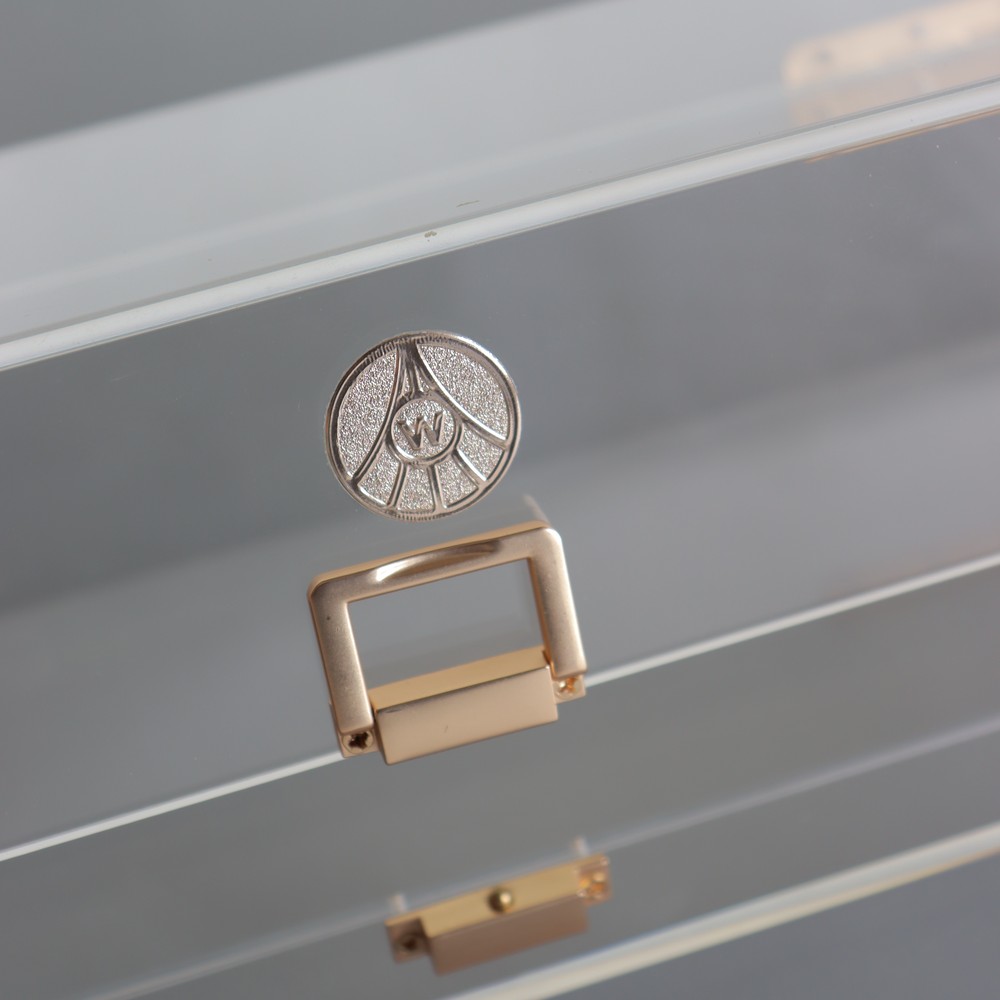
Components Review fasteners, handles, feet, pads, casters, shelves, dividers, and other functional parts with the main acrylic structure.
Components
Review fasteners, handles, feet, pads, casters, shelves, dividers, and other functional parts with the main acrylic structure.
Mixed Materials
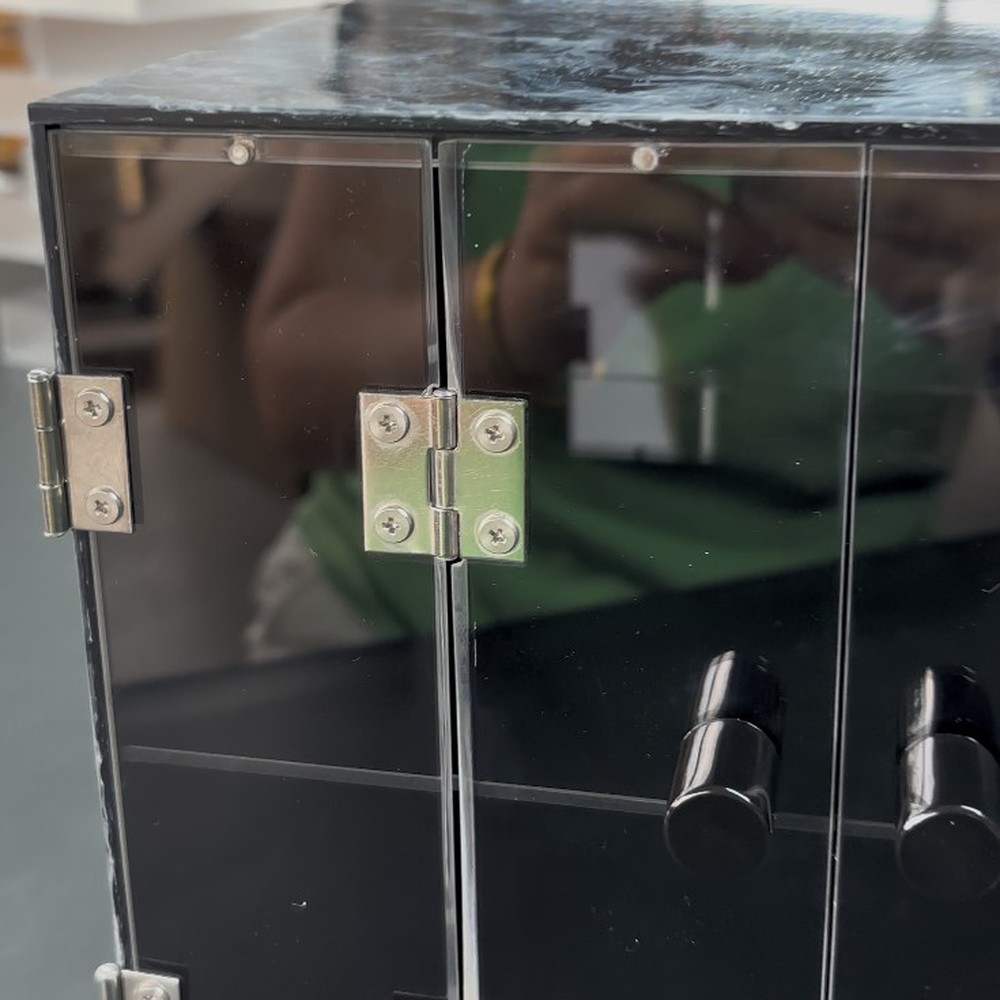
When glass, metal, lighting, or other materials are involved, define the connection, assembly, protection, and replacement requirements.

Packaging
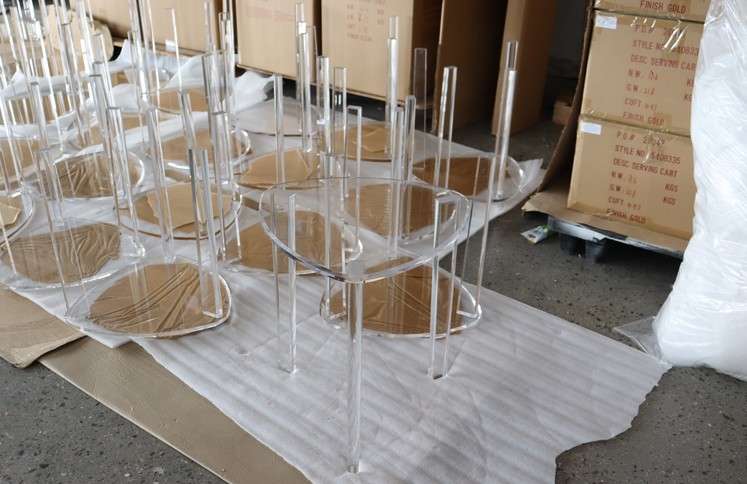
Plan surface protection, edge protection, component separation, accessory packs, labels, carton marks, and handling needs.
Why packaging belongs in the customization brief
Large, assembled, multi-component, or retail-ready products can require different packing decisions. Product size, pack volume, surface protection, handling route, and destination may affect the final proposal.
From a visual idea to a production specification
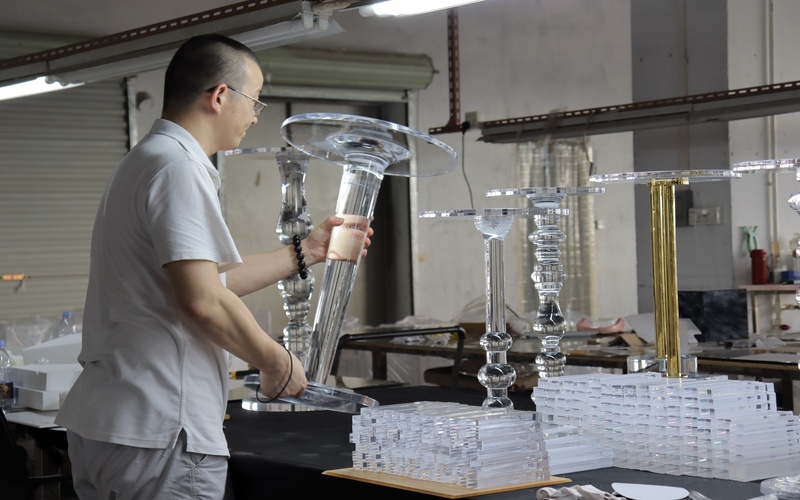
Customization is not only a color or dimension change. The objective is to create a specification that can be sampled, inspected, packed, and repeated during bulk production.
Requirement Review
Clarify the application, dimensions, quantity, appearance, market, and delivery requirement.
Manufacturing Review
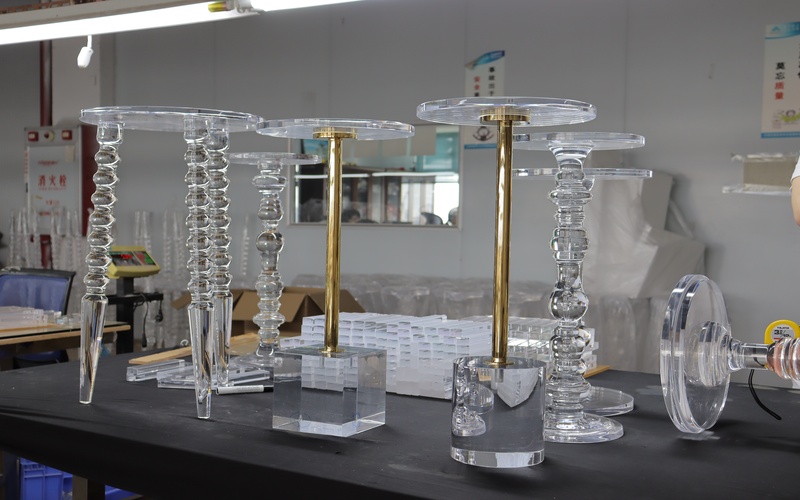
Review material, structure, connection method, process, assembly, and feasibility.
Commercial Review
Align quantity, packaging, project timing, and destination with the quotation basis.
Specification Confirmation
Confirm the drawing, sample, color reference, component list, and quality requirements.
Choose the right level of customization
A
Adapt an Existing Concept
Review changes to dimensions, color, finish, logo, components, or packaging while retaining the basic product direction.
B
Build to a Drawing
Use customer-provided drawings and requirements as the basis for manufacturing review, sampling, and specification control.
C
Develop From a Reference
Start from a rendering, sample, or reference product and identify which design and engineering details still need to be defined.
The appropriate development route and available support should be confirmed for each project
Confirm the details before bulk production
The sample review should cover more than appearance. Dimensions, structure, assembly, components, branding, and packaging all need a clear approval basis.
Recommended approval references
- Approved drawing and product version
- Approved sample or visual reference
- Material and color specification
- Component and accessory list
- Packaging specification
- Inspection requirements
Customization decisions from real projects
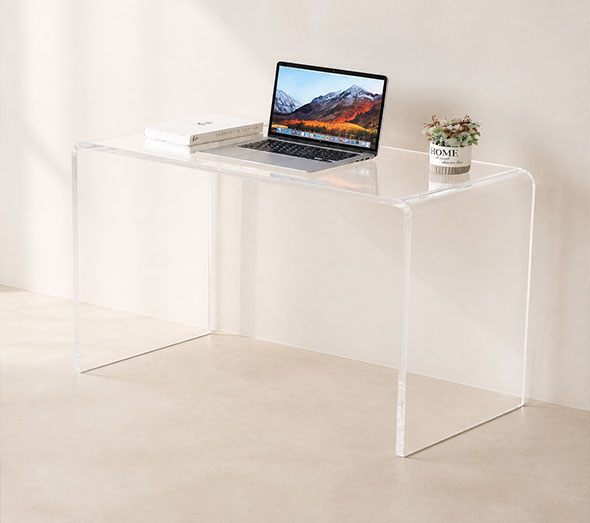
UK furniture brand: waterfall desk with shelf
The January 2025 application is a waterfall desk with shelf for a UK furniture brand. Buyer checkpoint: confirm shelf position and usable clearance, intended load, fixing method, and visible joint alignment on a physical sample before bulk production.
Drawer desk: cable and slide clearance
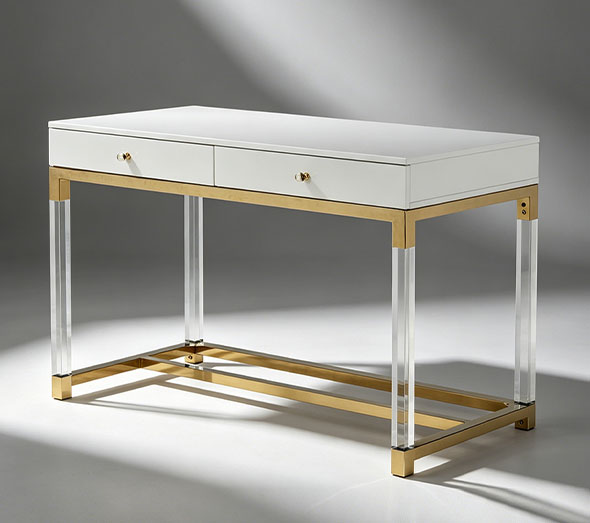
A rear cable opening and drawer slides can compete for the same corner. This project mapped the grommet, slide holes, and drawer travel together. Buyer takeaway: share equipment positions and required drawer clearance before machining.
Room-version desk: shared hardware
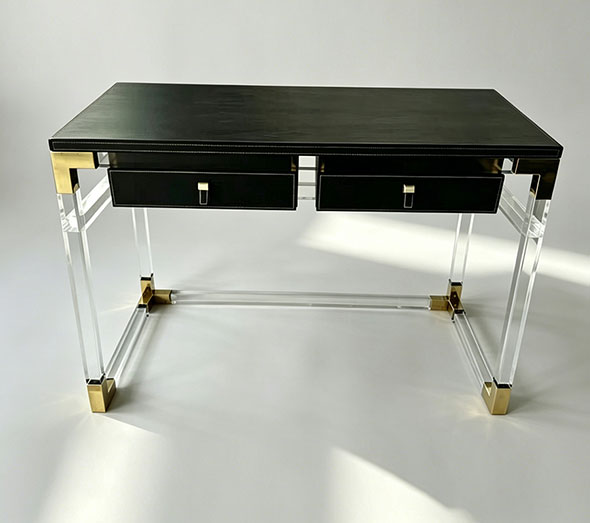
Mirrored room layouts needed opposite cable positions while retaining the same knock-down base hardware. The project treated left and right versions separately and trial-assembled the common interface. Buyer takeaway: approve version labels, hole pattern, hardware pack, and site assembly before bulk.
What to include in your customization request
If some details are not yet available, send the current information first and identify which parts still require development.
Your first project brief
FAQ
Begin by identifying which elements need to change, such as dimensions, color, finish, structure, branding, components, or packaging. The complete product should then be reviewed for feasibility.
A reference image, rendering, sample, dimensions, intended use, and quantity can help establish an initial project brief. Any missing production details should be identified before sampling.
List the required quantity for every design, size, and color. Whether variations can be combined should be evaluated against the structure, material, setup, packing, and commercial requirements.
Define the preferred visual reference and approval method before bulk production. The applicable sample, color reference, surface expectation, and acceptable variation should be recorded for the project.
The appropriate approval route depends on product complexity and project risk. New structures, colors, graphics, components, and packing arrangements may require physical confirmation.
Provide the product type, dimensions, material or appearance, quantity by SKU, application, branding, packaging, destination, and target timing, together with any available files or references.
Request a Quote for Your Custom Acrylic Project
Product Specification
Share the product type, intended use, drawing or reference, target dimensions, and quantity by design. If some details are undecided, tell us what the product must fit or support; we will identify what is needed for a useful quote.
Destination and Timing
Add the preferred packing method, target arrival date, and whether the order is for wholesale, private label, or an interior project.
Sampling & MOQ
Samples typically take 3–5 days after key specifications are confirmed. Bulk MOQ starts at 200 pieces for small items and 20 pieces for large furniture. Color and SKU splits, complex components, and final timing are evaluated by project.