
Quality Control
FROM SAMPLE APPROVAL TO SHIPMENT RELEASE
A clear acceptance basis helps your team review quality before production, during manufacturing, and before shipment—not after goods arrive.
Drawing, revision, sample, materials and finish
First piece and key production risks
Appearance, dimensions, assembly and function
SKU, accessories, labels and carton details
Inspection level and records are agreed for each project; no universal inspection ratio is assumed.
Quality Control Built Around Your Purchasing Risk
For Importers
Check order quantity, SKU, carton marks, destination requirements and agreed documents before release.
For Brands
Keep the approved look consistent across color, logo, components and packaging—from sample to repeat order.
For Wholesalers
Reduce receiving and resale errors with clear multi-SKU counts, accessory sets, labels and carton quantities.
What Quality Risks Are Controlled?
01

Dimensions & fit
Critical dimensions, thickness, hole/slot positions and assembly interfaces.
02
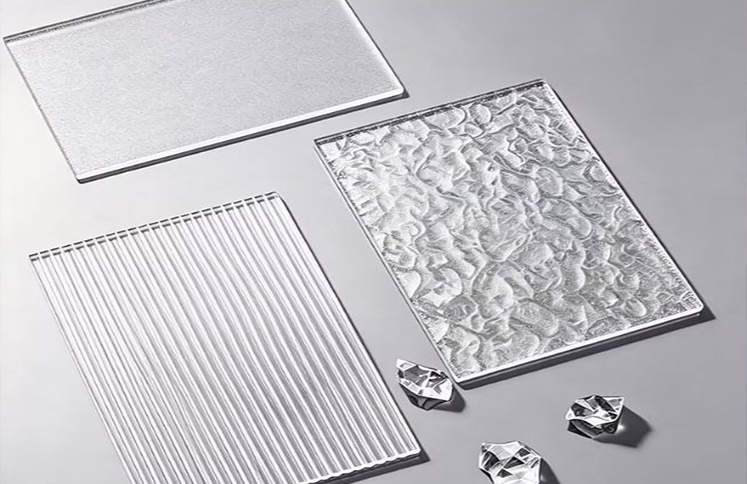
Surface & edges
Visible faces, scratches, chips, burrs, edge finish and cleanliness.
03

Bends & bonds
Angle, radius, distortion, joints, bubbles, glue marks and whitening.
04
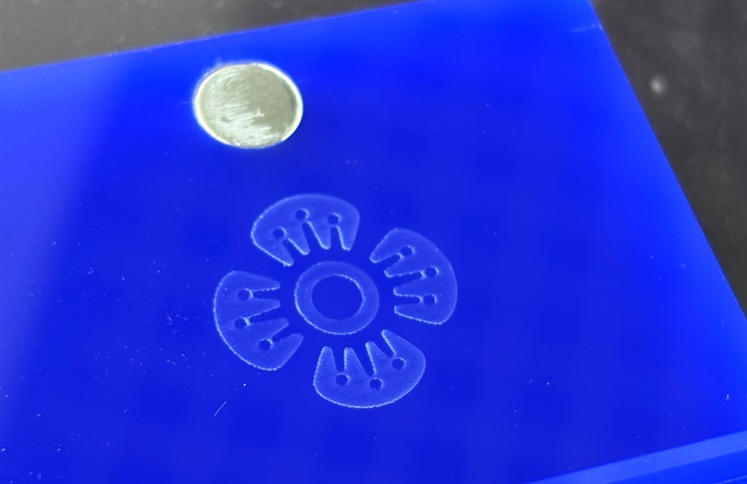
Branding
Artwork version, logo position, orientation, size and approved color reference.
05
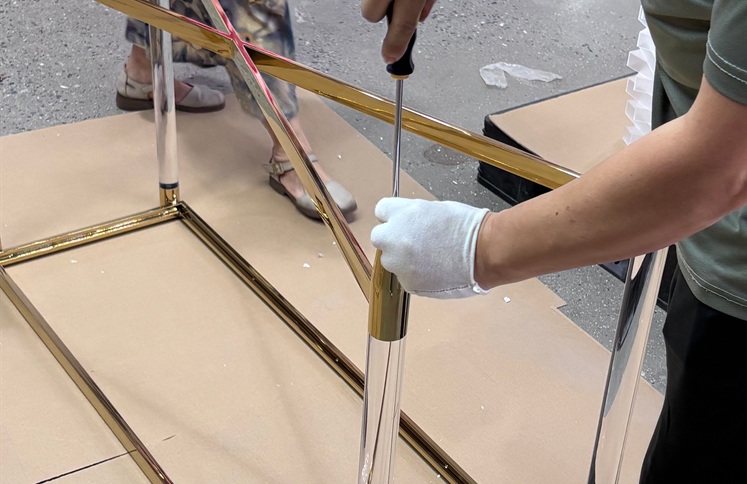
Assembly & function
Hardware and accessory count, fit, movement, stability and agreed function.
06
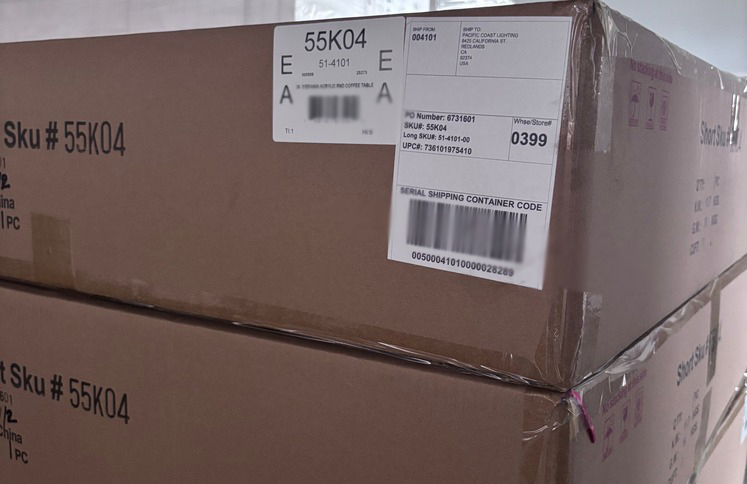
SKU, labels, quantity, protection, carton
SKU, labels, quantity, protection, carton marks and mixed-pack rules.
Define What Acceptable Quality Means for Your Order
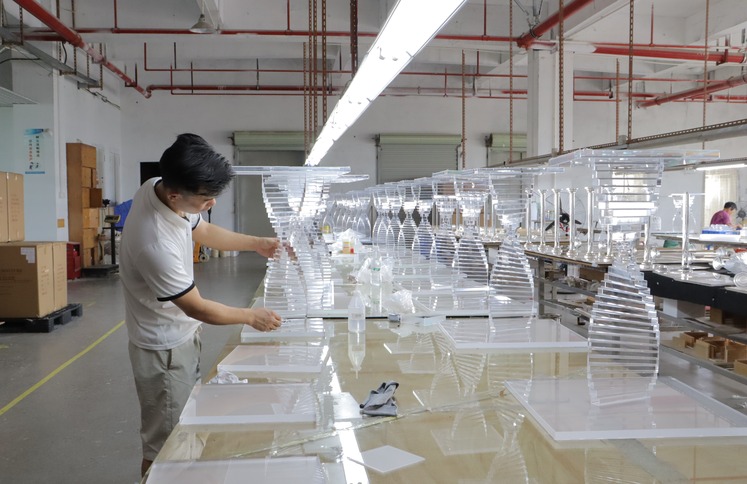
Agree the acceptance basis
Drawing and revision, approved sample, material/thickness/color, critical dimensions and tolerances, visible finish, artwork/BOM, function, labels, pack-out and required records.
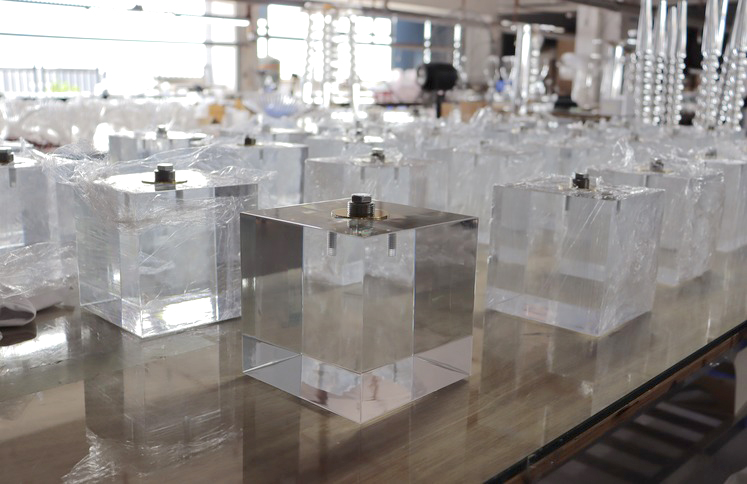
Classify defects by impact
Critical · safety, compliance, key function or order acceptance risk.
Major · use, assembly, brand presentation or saleability affected.
Minor · detail outside the agreed standard without affecting main use.
Inspection method is project-specific. Sampling frequency, AQL, full inspection or third-party checks are agreed in advance; there is no single ratio or test that fits every acrylic product.
Protect the Approved Version Before Bulk Production


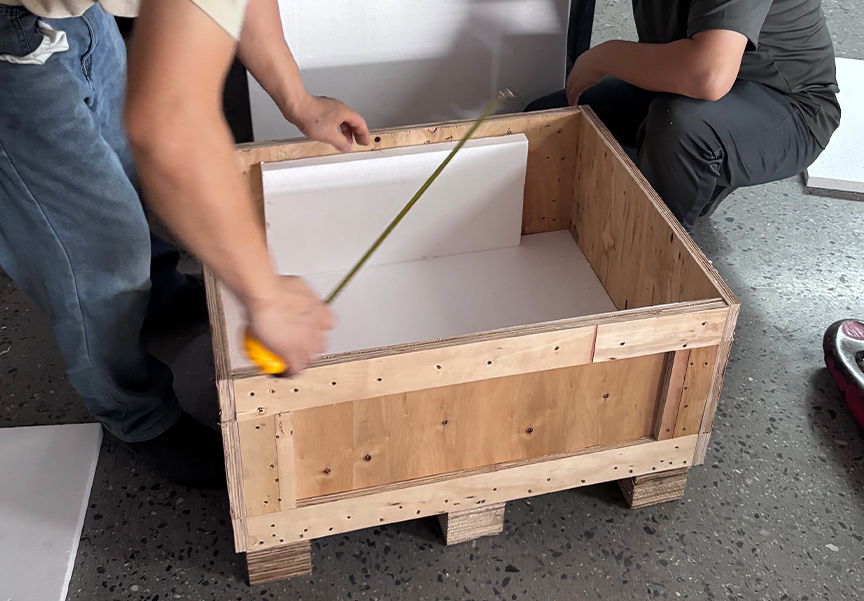
One approved version
- Drawing + revision
- Approved sample / color reference
- Material, thickness and finish
- Artwork, BOM and hardware
- Labels, carton marks and packing
Review before implementation
Changes that affect appearance, fit, function, branding, packaging, cost or schedule are reviewed with the buyer and approved in writing before the production basis is updated.
This helps design, production, inspection and packing teams follow the same current specification.
Quality Gates From Requirement Review to Shipment Release
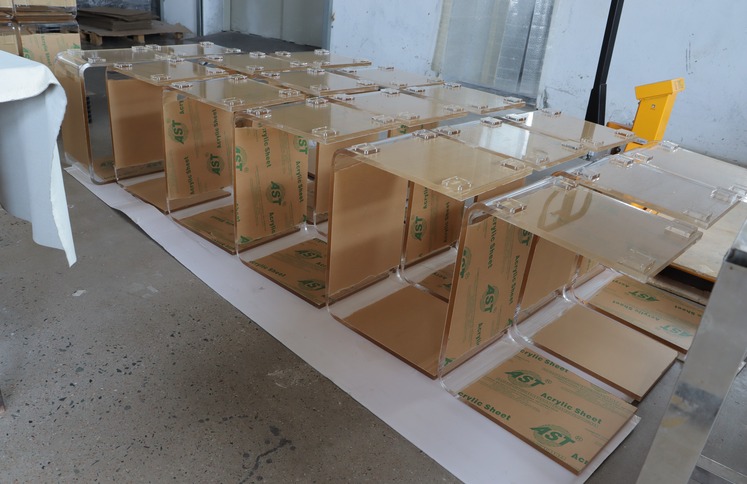
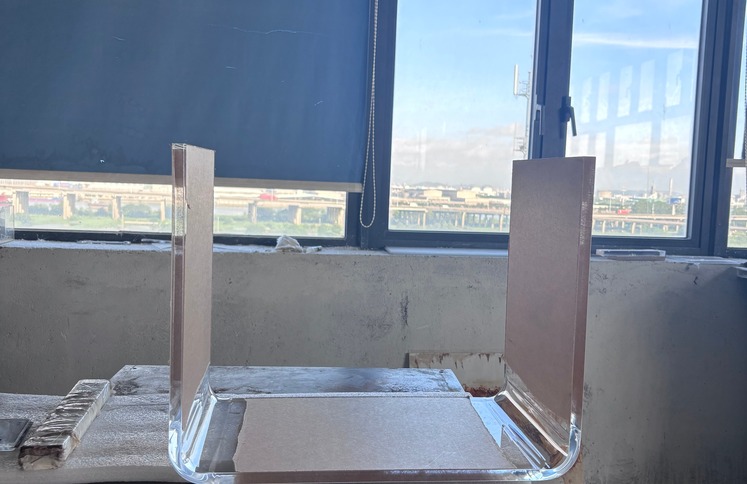
Align
Confirm use, drawing revision, critical risks, specs, packaging and destination needs.
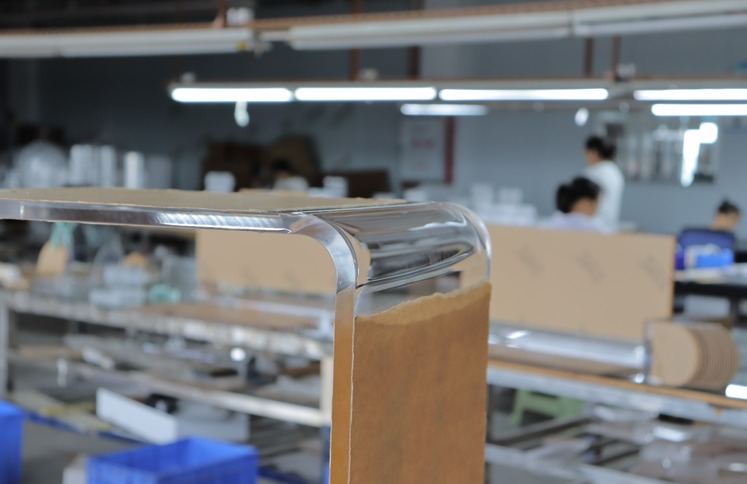
Approve
Review the sample and freeze the agreed production basis. Typical sampling: 3–5 days after details are confirmed; complex work assessed separately.
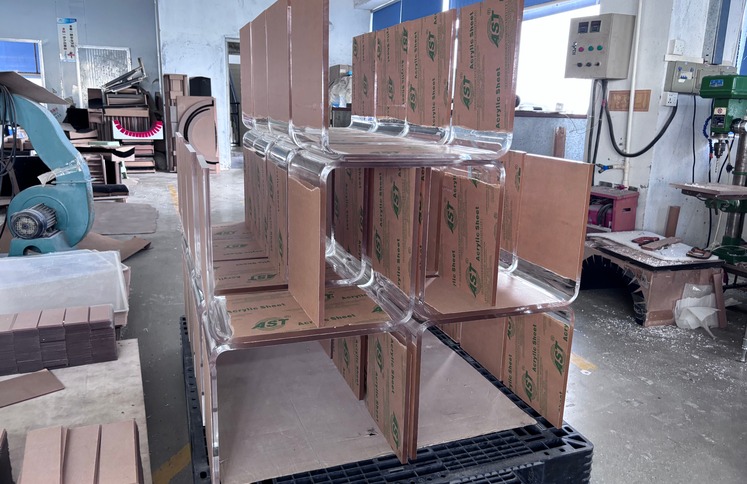
Monitor
Check incoming material, first piece and key machining, bending, bonding, printing or assembly risks.
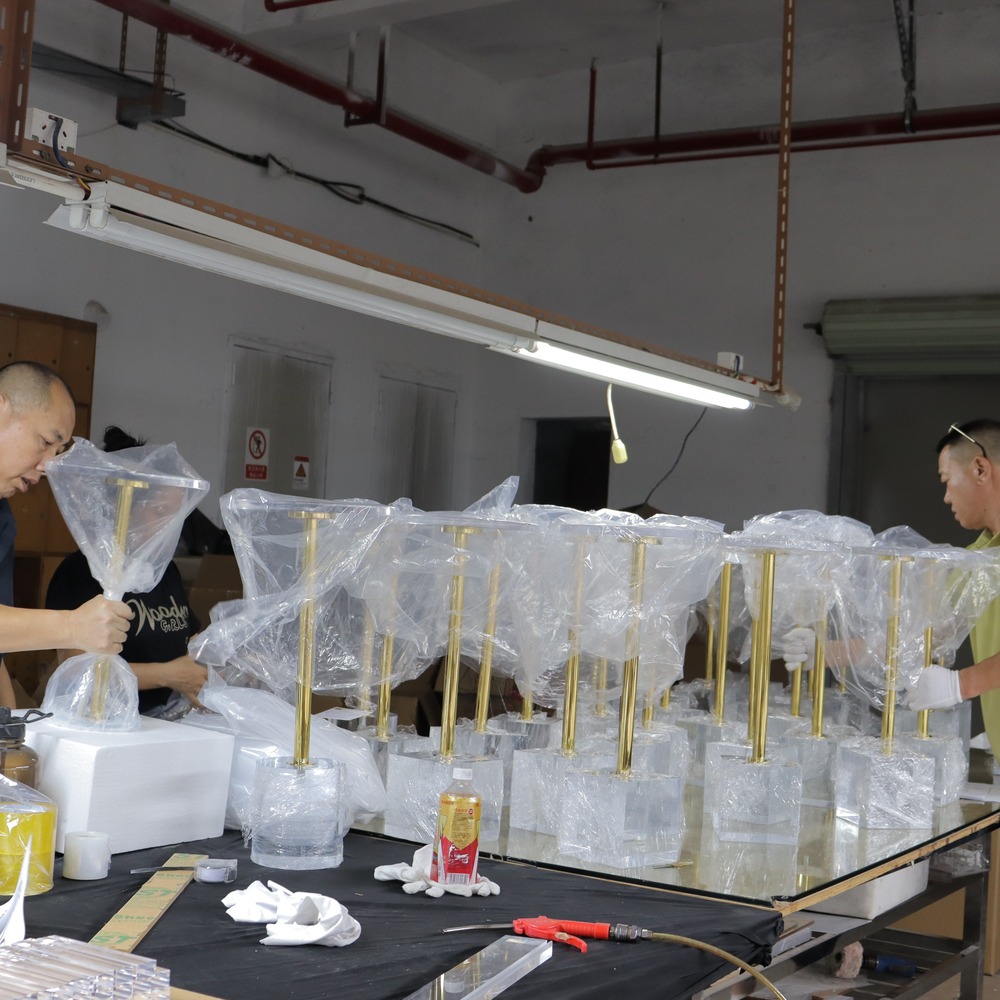
Release
Review agreed final checks and verify SKU, quantity, accessories, protection and carton marks before dispatch.
What We Check
Material & incoming parts
Agreed material, thickness, color, finish, protective film, hardware and supplied documents.
Machining & formed edges
Dimensions, hole/slot positions, burrs, edge finish, bend angle/radius and distortion.
Bonding & surface
Joint alignment, bubbles, visible glue marks, whitening, scratches, chips and cleanliness.
Print, components & function
Artwork version, logo placement, component fit, movement, stability and agreed function.
Visual, dimensional, functional, load or compliance checks are used only when applicable and agreed for the product. Test criteria and methods should be confirmed before production.
Control Every Version, SKU, Label, and Pack-Out Detail
The sample review should cover more than appearance. Dimensions, structure, assembly, components, branding, and packaging all need a clear approval basis.
SKU matrix
Confirm item, color/size, quantity per SKU and mixed-pack rules.
Set completeness
Match each set to its hardware, accessories, instructions and count.
Labels & cartons
Agree barcode, product label, carton mark, carton quantity and packing sequence.
How We Handle a Quality Issue
Identify
Record the affected item, SKU, quantity and inspection point.

Inspection
Separate affected goods and assess whether the issue affects other units or orders.

Agree action
Review correction, rework, remake or rejection; buyer approval is required for any accepted deviation.

Re-check & record
Reinspect the agreed correction and share status/evidence before release.
What can be shared: agreed inspection status, photos, affected SKU/quantity, corrective action and reinspection result. Third-party inspection scope and any formal report are confirmed before production.
Discuss Quality Control for Your Project
Product Specification
Send your company details, drawing or reference, dimensions, color, intended use, quantity for each design, and destination.
Destination and Timing
Add the preferred packing method, target arrival date, and whether the order is for wholesale, private label, or an interior project.
Commercial Context
We can then review the sample and bulk quotation on the right basis.
Share Your Project Details
