
Custom Acrylic Shelf Manufacturer for Retail and Wholesale
We manufacture acrylic shelves from drawings, product samples, fixture dimensions, or store plans, then control sampling, production, inspection, packing, and delivery. Compare our wall-mounted acrylic shelf and small acrylic shelf for two specific formats.
- We have manufactured custom acrylic products since 2011 for brands, retailers, wholesalers, display companies, and project buyers.
- Our engineering team brings factory experience since 2011 to shelf structure, mounting interfaces, product fit, and production planning.
- One approved specification controls the shelf, holes, brackets, labels, hardware pack, carton, and repeat-order version.








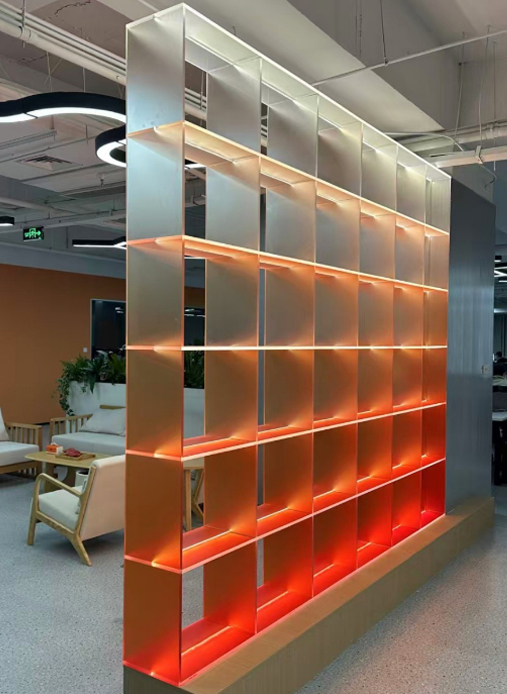
Quick specifications
| Item | Details |
|---|---|
| Product Scope | JFM manufactures C-shaped, U-shaped, square, round, nesting, storage, and wheeled acrylic side tables from drawings, reference samples, or specified dimensions. |
| MOQ | 50–200-piece MOQs |
| Sample Timing | JFM publishes 3–7-day sample production. |
| Production Lead Time | We publish 10–35-day bulk schedules. The exact time will depend on the order quantity and the complexity of the product. |
| Size, Thickness and Load | We publish 5–100 mm acrylic processing for furniture. |
| Material and Finish | 92% light transmittance cast acrylic, clear, smoked grey, tea, milky white, gradient, frosted, and custom-tinted finishes. |
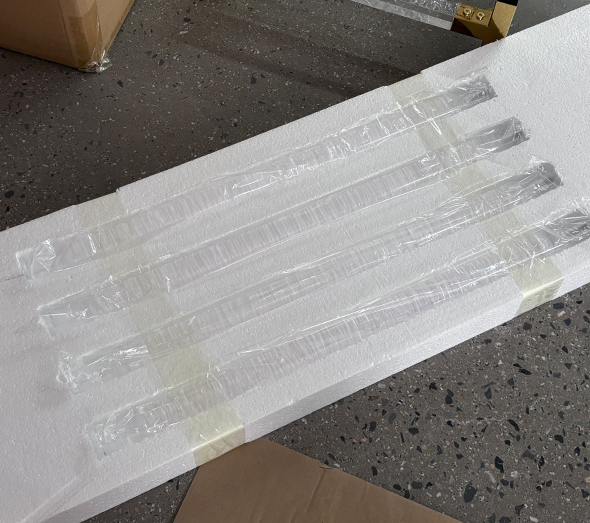
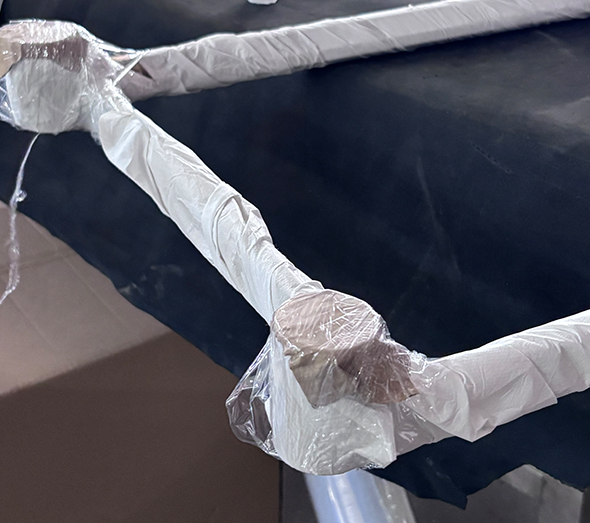
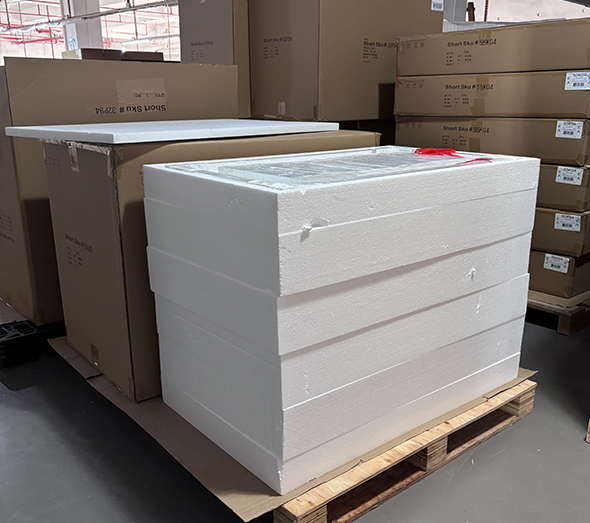
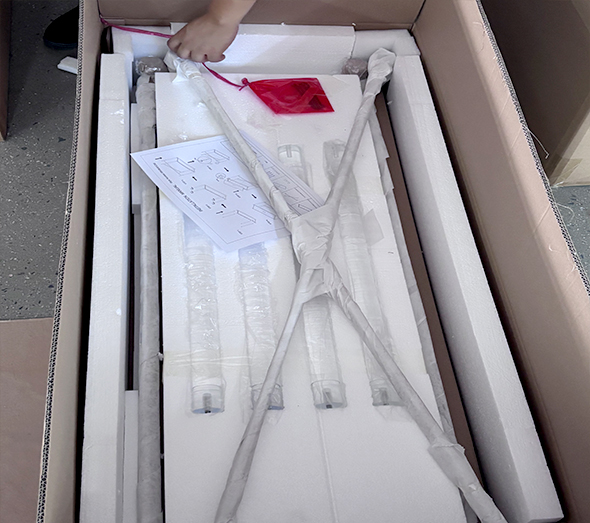
| Assembly and Packing | Published furniture packs use a PE bag, foam separation, foam board, wooden case, and pallet. JFM records the assembly state and carton plan by SKU. |
| Shipping Terms | DDP and DDU shipments with the destination, carton data, order value, and required arrival date shown in the quotation. |
Acrylic Shelves Built Around Your Products and Fixtures
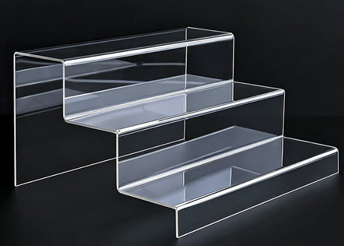
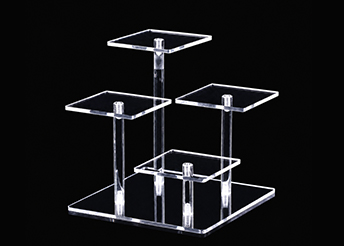
We manufacture custom acrylic shelves for retail displays, branded product programs, store fixtures, wholesalers, and commercial interiors. Wholesale acrylic shelves and OEM acrylic shelves start with the items being displayed and the system that supports them. We convert that information into a controlled drawing covering size, thickness, span, bends, lips, dividers, holes, mounting hardware, logos, labels, and packing. Samples are checked with the actual merchandise or a defined test load before bulk release. Every approved size and interface receives its own SKU record, helping purchasing, installers, warehouses, and replenishment teams work from the same specification throughout the rollout.
For a complete freestanding unit, compare our clear acrylic shelf. If your project needs enclosed storage rather than open display, see our custom acrylic cabinet.
Our Products
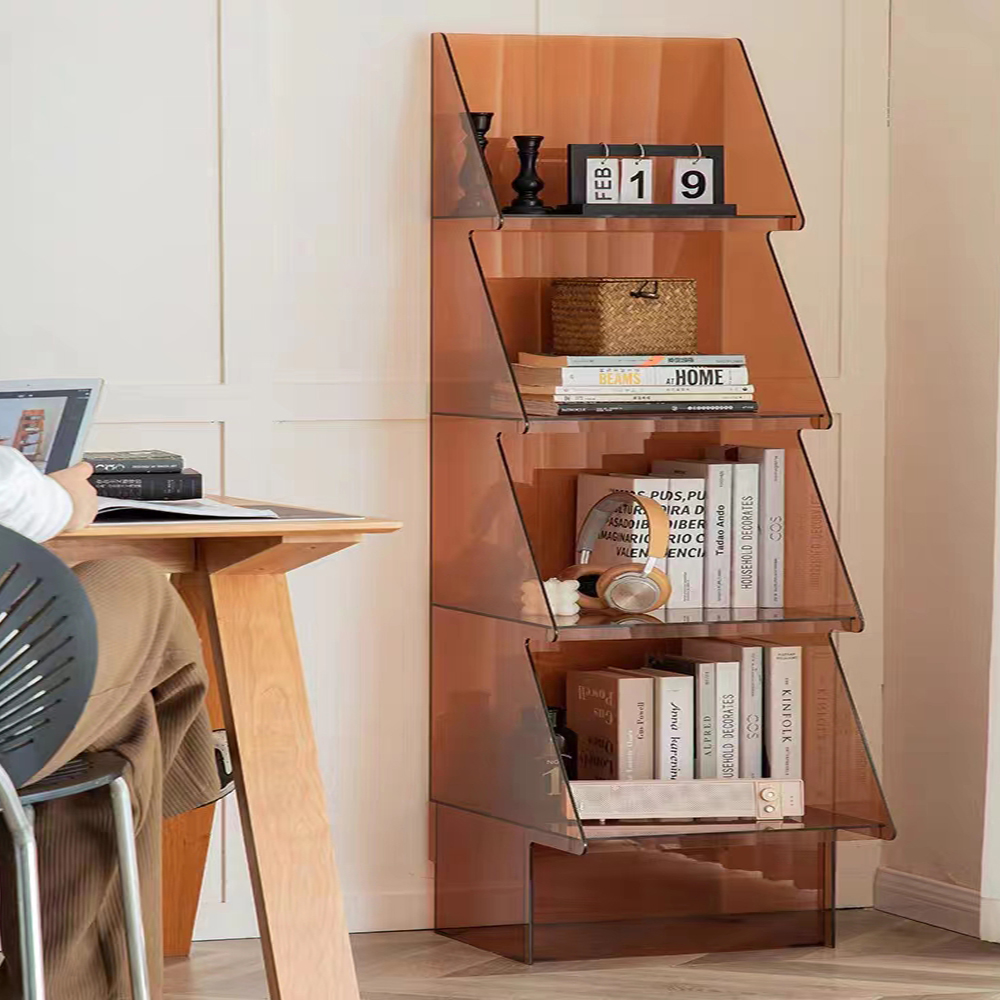
Acrylic Bookshelves
Multi-tier, ledge, and freestanding book structures are developed around book height, tier spacing, access, base stability, assembly, and carton limits.
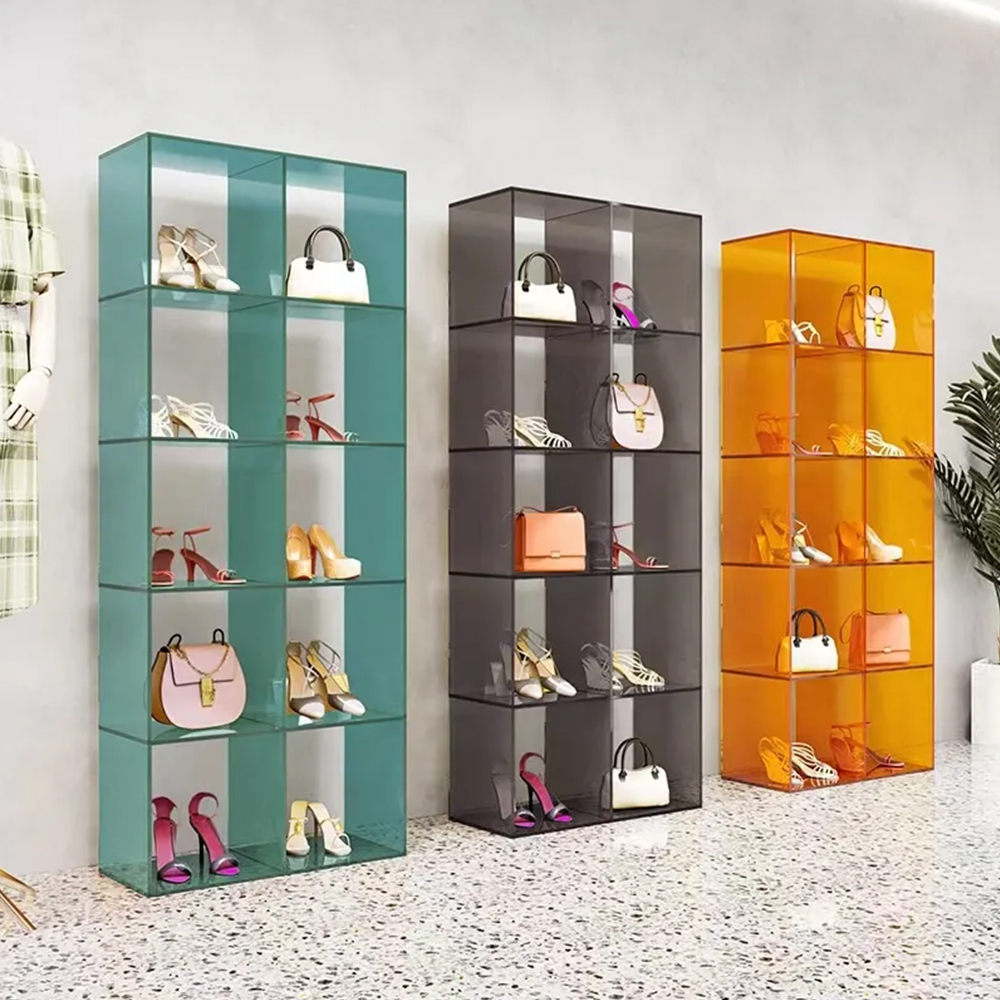
Acrylic Display Shelves
Acrylic display shelves organize cosmetics, electronics, shoes, packaged goods, or collectibles while keeping product faces, price information, and replenishment access visible.

Clear Acrylic Shelves
Clear acrylic shelves reduce visual obstruction around merchandise. Material samples establish clarity, edge appearance, reflections, and acceptable surface marks before bulk production.
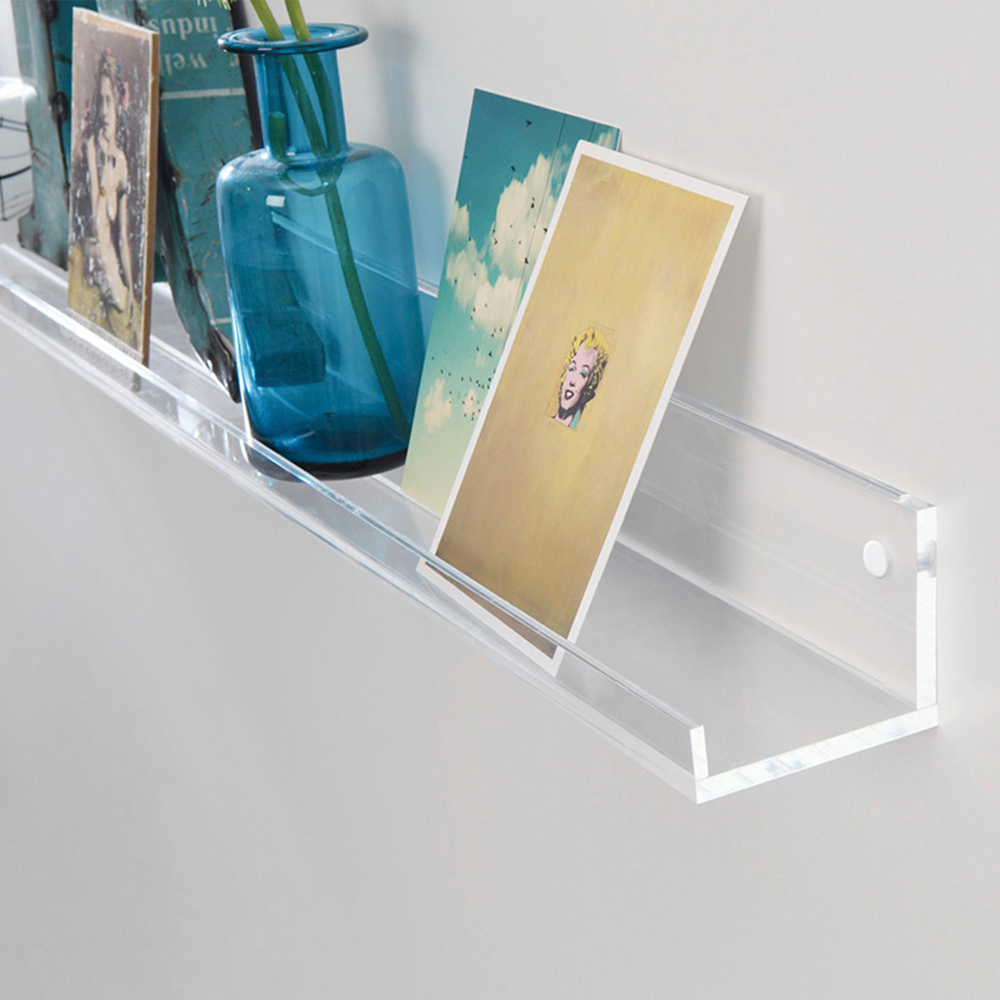
Wall Mounted Acrylic Shelves
Wall mounted acrylic shelves use drawing-defined holes, slots, channels, brackets, or fittings matched to the approved wall or fixture interface.
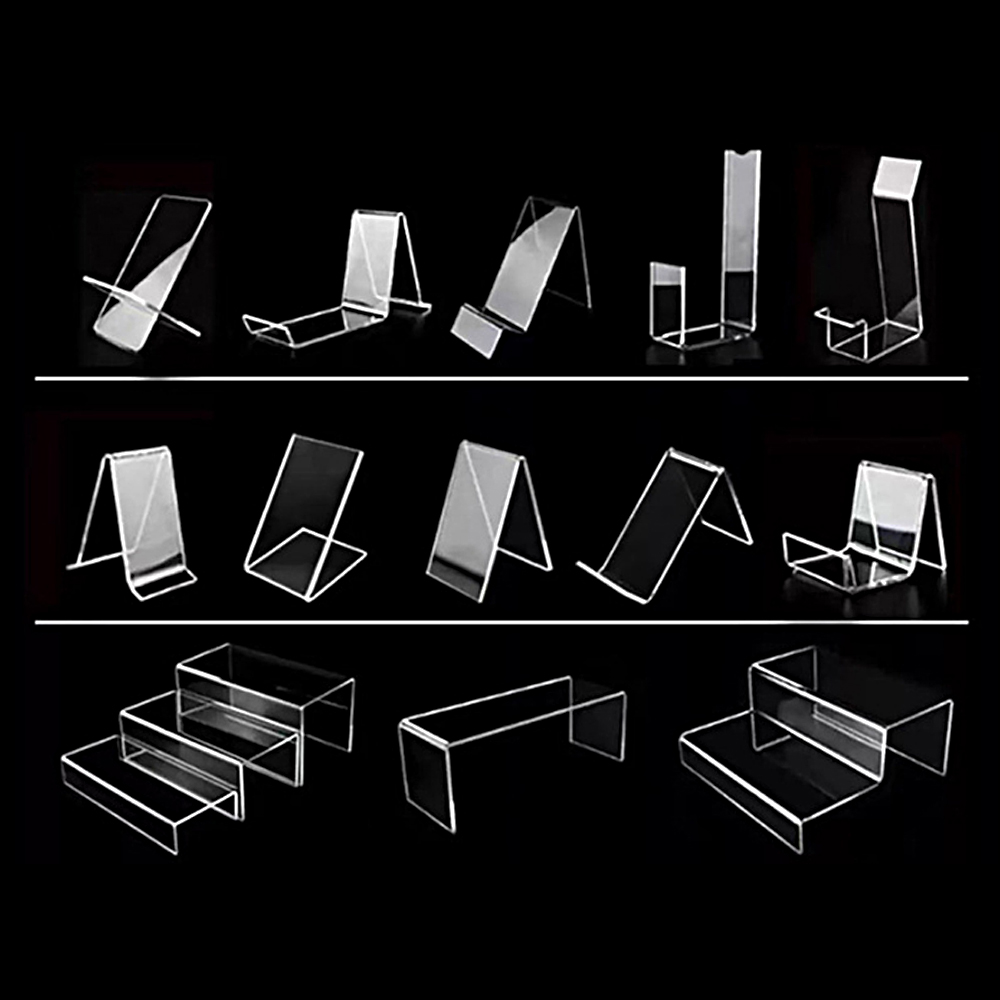
Small Acrylic Shelves
The common dimensions of small acrylic shelves vary by style, typically ranging from 10 cm to 30 cm (approximately 4 to 12 inches) in length. It supports testers, amenity bottles, books, collectibles, and boxed merchandise where reach, product retention, label visibility, and carton efficiency matter.
Customization Range
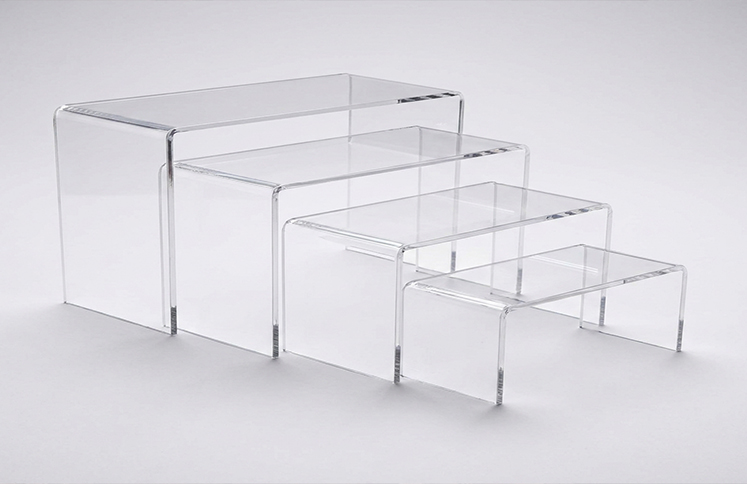
Table Size and Overall Size
Record length, depth, overall height, free span, tier spacing, front-lip height, support points, and clearance in millimetres.
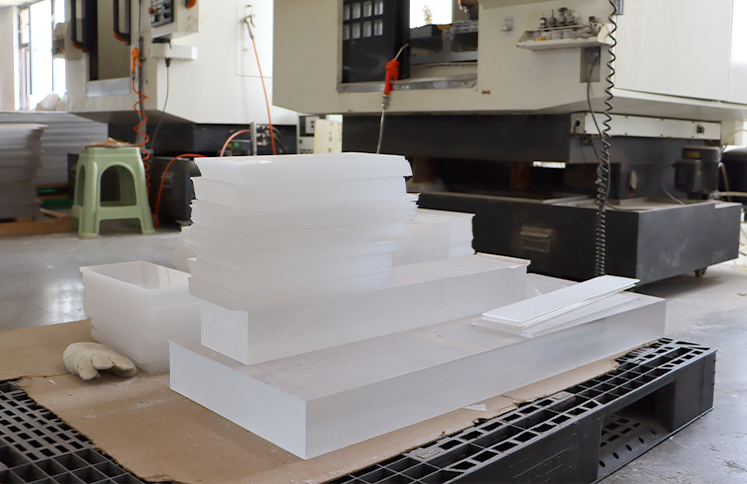
Acrylic Material Type
Select cast or extruded acrylic and record the approved thickness, color, opacity, and material reference for every shelf part.

Table Structure and Use
Choose flat, angled, tiered, floating, wall-mounted, cable, rod, freestanding, or multi-panel designs. We also manufacture acrylic slatwall shelves for retail fixtures.
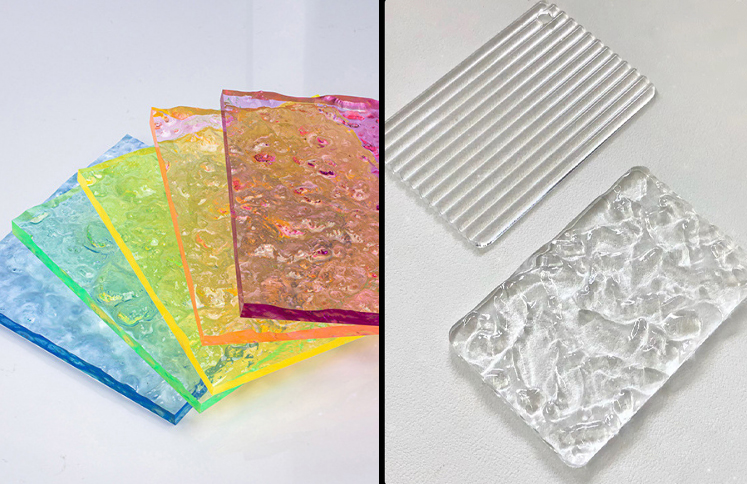
Surface Treatment
We produce clear, colored, frosted, gradient, sandblasted, printed, engraved, and custom-tinted shelf finishes from the approved reference.
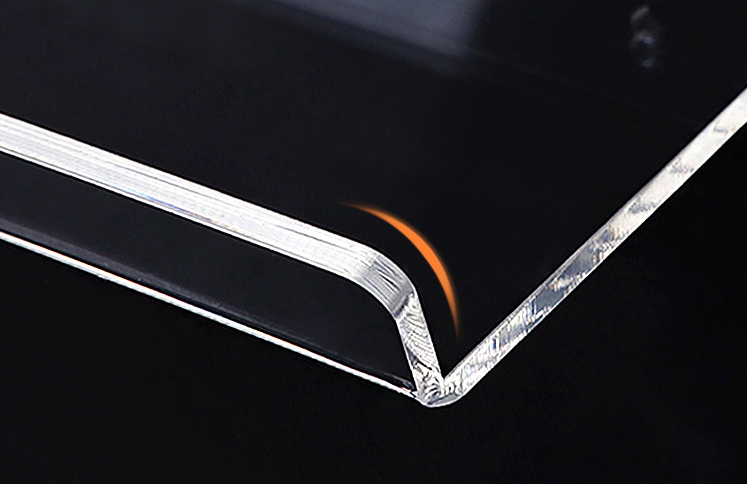
Edge and Corner Finish
Specify polished, matte, rounded, chamfered, or protected edges and define the acceptable corner shape for handling and installation.
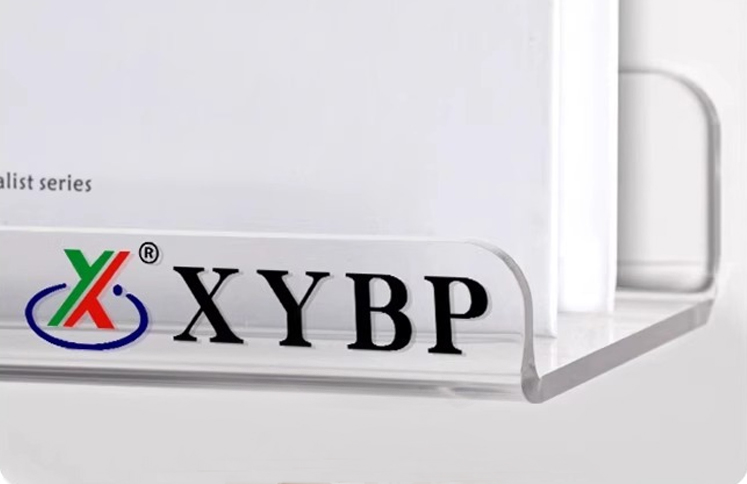
Branding and Personalization
We apply screen printing, UV printing, engraving, logos, price strips, care labels, barcodes, SKU labels, and store identification.
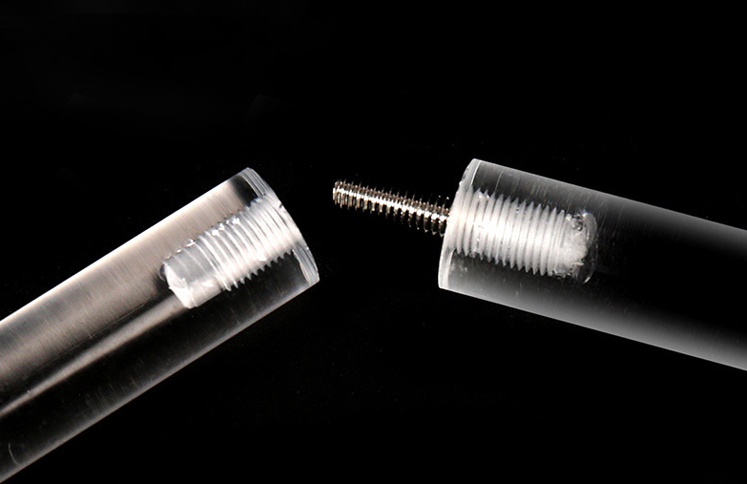
Hardware and Assembly
The approved BOM records brackets, rods, fasteners, inserts, templates, tools, spare parts, mounting interfaces, and assembly instructions.
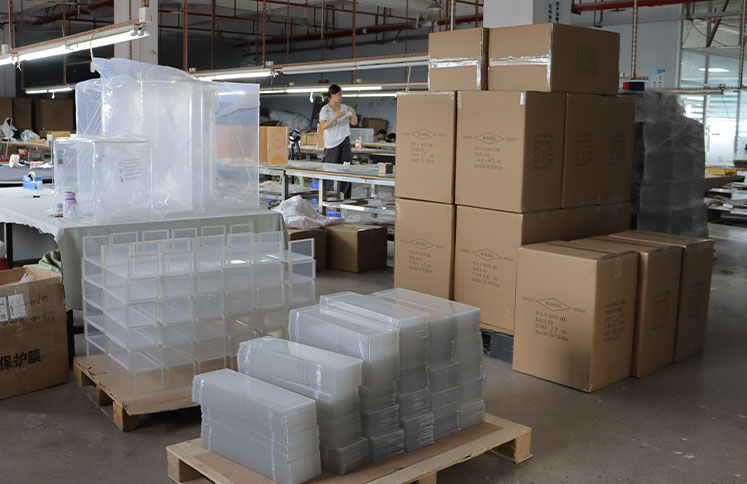
Packaging and Presentation
Choose bulk cartons, retail boxes, gift boxes, kit packs, barcode placement, instruction format, pieces per carton, and pallet requirements for each SKU.
Built for Commercial Launches
Match the Shelf to the Product and Span
Start with the actual merchandise, not a generic thickness chart. Record the shelf width, depth, unsupported span, product weight, load position, number of supports, and handling pattern. ACRYLITE’s shelf calculator uses a two-sided support model with a concentrated center load and recommends allowable deflection at no more than 0.7% of span. We use the approved project inputs to define the sample and load check.
Lock the Mounting Interface Before Production
Acrylic shelf mounting systems fail when the hole centers, slot profile, wall substrate, bracket, cable, rod, or slatwall fitting does not match. Send the existing fixture drawing or a physical hardware sample. We machine the mating features, trial-assemble the complete set, and record the approved interface on the SKU drawing. Installers receive the same hardware list and mounting template used during approval.
Control Every SKU for Rollouts and Reorders
Each size, color, mounting pattern, hardware set, and pack configuration receives a separate SKU record. The released drawing links the material, bend angles, hole locations, print file, BOM, inspection points, carton label, and reference sample. Store and zone labels can be added to the packout. This control keeps mixed programs organized during receiving and prevents an unrecorded change from making replenishment stock incompatible with an existing rollout.
Manufacturing Process
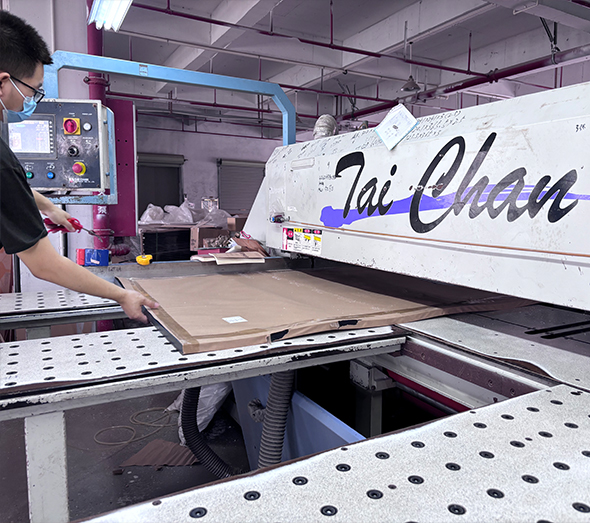
Electronic Saw Cutting
The electronic saw cuts shelf panels, dividers, lips, supports, and packing parts to the released drawing while preserving protective film and part identification.
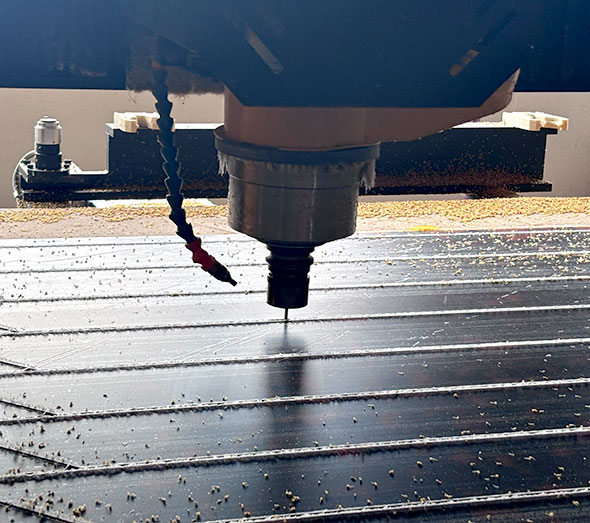
Cutting and CNC Machining
CNC machining produces profiles, holes, slots, channels, mounting points, and hardware locations from the approved shelf drawing.

Edge Polishing and Forming
Fine grinding and diamond polishing remove cutting marks and prepare visible edges, corners, and formed shelf parts for inspection.
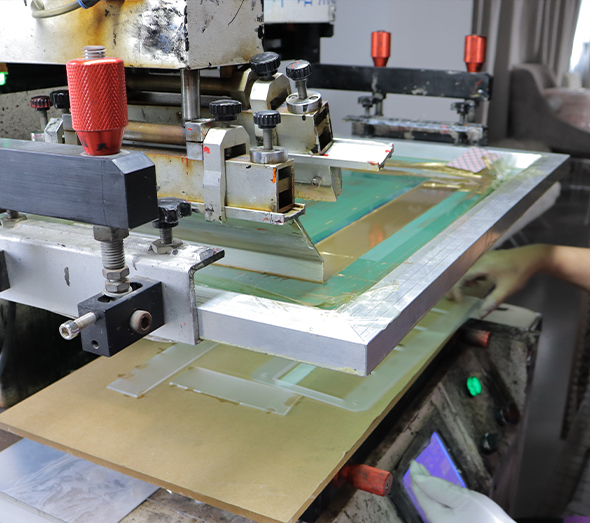
Printing and Engraving
Screen printing, UV printing, laser engraving, and carving follow the approved logo, position, size, color, reading direction, and SKU.
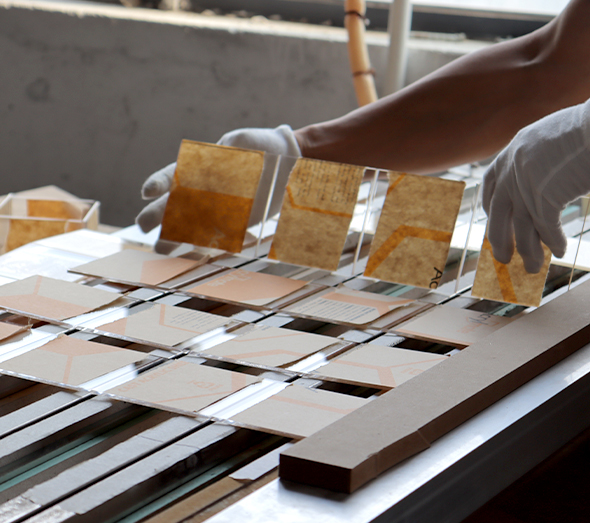
Hot bending
Controlled heating and tooling form front lips, returns, angles, U-shapes, and support sections to the released bend direction and dimensions.
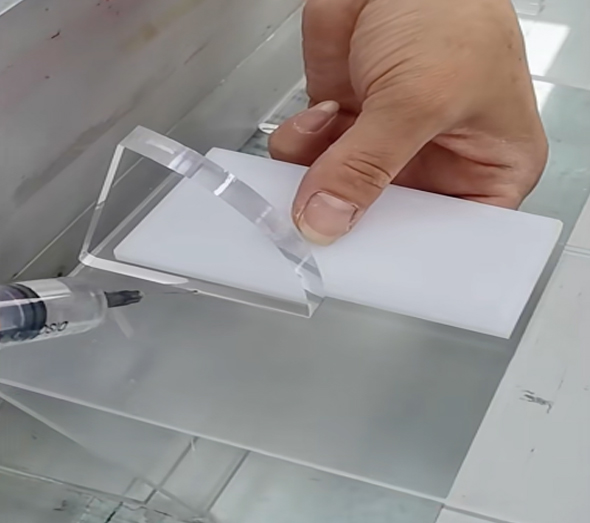
Bonding
Assembly fixtures hold shelf panels, dividers, supports, and reinforcements in position while the approved bonding process sets.

Quality Inspection
We check dimensions, hole centers, surfaces, edges, bends, joints, mounting fit, SKU identity, and the written load method against approval.
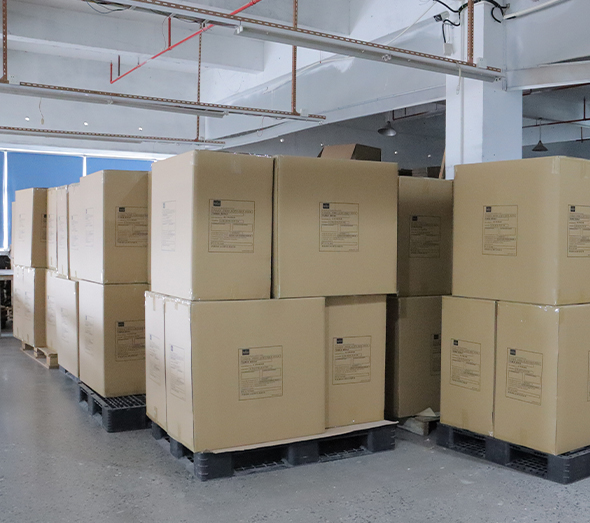
Protective Packing
We retain protective film and add separators, corner protection, hardware bags, labels, cartons, cases, or pallets from the packing specification.
Application
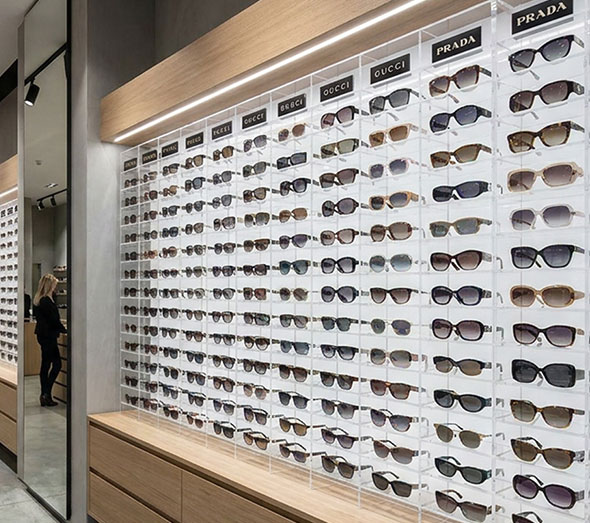
United States — October 2024: Replacement Shelves Fit Existing Brackets
Project: A United States retail-fixture buyer ordered clear acrylic shelves for skincare displays in October 2024. Each shelf fitted two existing steel brackets.
Client’s Concern: A replacement shelf with shifted holes or a twisted front return would not sit on the same brackets. The buyer would face installation rework and inconsistent displays.
Solution: We drilled the four fixing holes from one bracket-center reference, formed the front return in a full-length jig, and checked the visible edge on the finished shelf.
Result: The checked shelf fitted the original mounting template, and the front return stayed within its recorded straightness limit. Replacement units could use the same bracket positions.
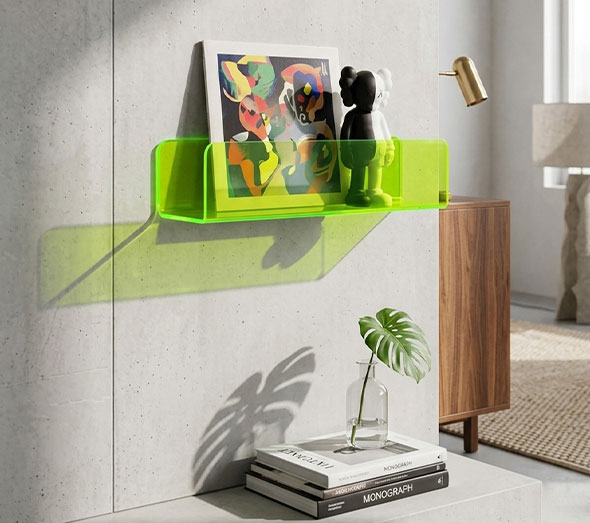
Germany — February 2025: New Shelves Used the Original Wall Holes
Project: A German shopfitting contractor ordered one-metre clear acrylic wall shelves in February 2025 for framed graphics and small objects.
Client’s Concern: A bowed rear flange or shifted hole centers would force installers to redrill the wall and delay the display handover.
Solution: We machined three countersunk holes from one center reference, formed the full-length flange in a fixture, and checked the front level against the wall template.
Result: Each checked shelf fitted the same wall-hole pattern, and the visible face met its level check. Installers did not need a different mounting line for the replacement shelves.
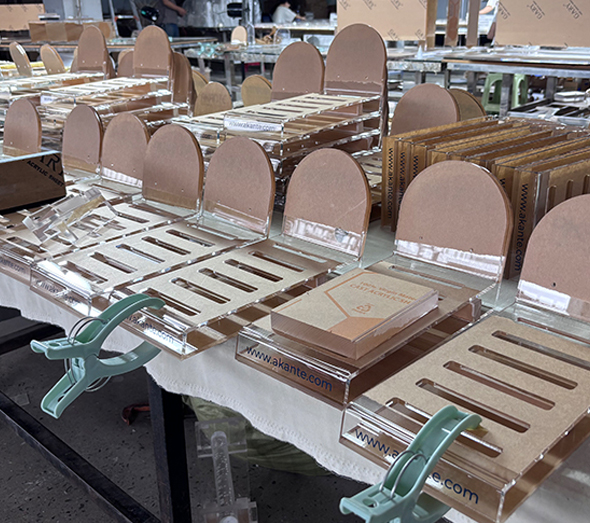
Australia — November 2025: Compact Display Shelves Aligned Side by Side
Project: An Australian cosmetics distributor ordered compact clear acrylic shelves for tester bottles in November 2025.
Client’s Concern: A shifted hole or bent flange would make the small shelves visibly crooked beside each other, creating an uneven point-of-sale display and replacement work.
Solution: We drilled both fixing holes from one machining file, checked the back-flange angle, and left protective film on clear faces through packing.
Result: The checked shelves fitted one installation gauge and aligned at their front edges within the recorded limit. Replacement units retained the same hole pattern for the distributor’s displays.
Bulk Production Process
1. Define Your Brief
Consult customer service to confirm product specifications, craftsmanship, and quantity, then finalize the quotation and lead time.
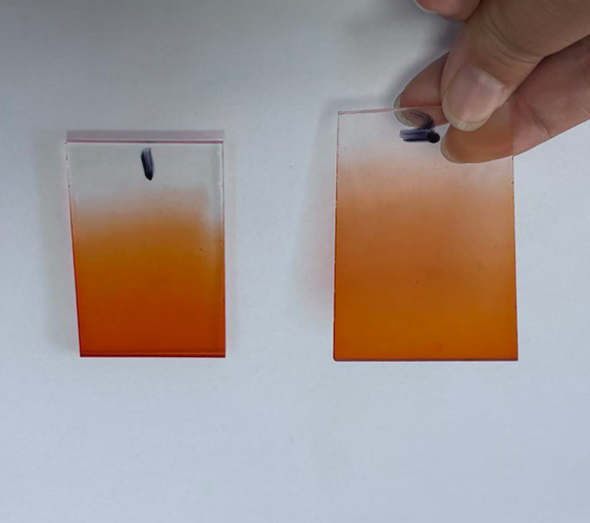
2. Review Your Proposal
Formulate the solution, design the drawings, and confirm the final version.
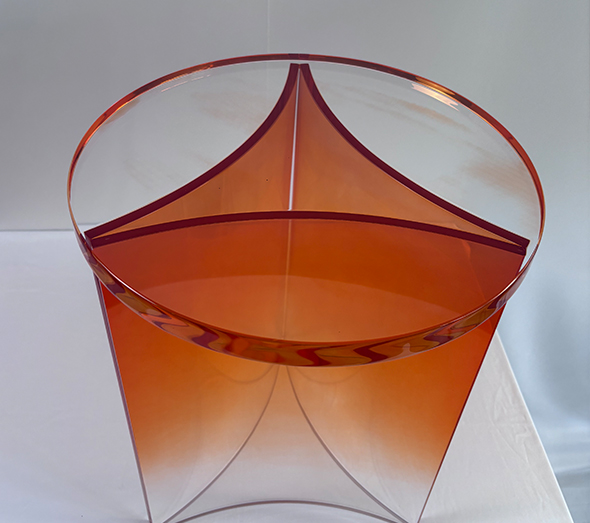
3. Approve Your Sample
The factory designs and produces samples, then sends them to the buyer for confirmation.
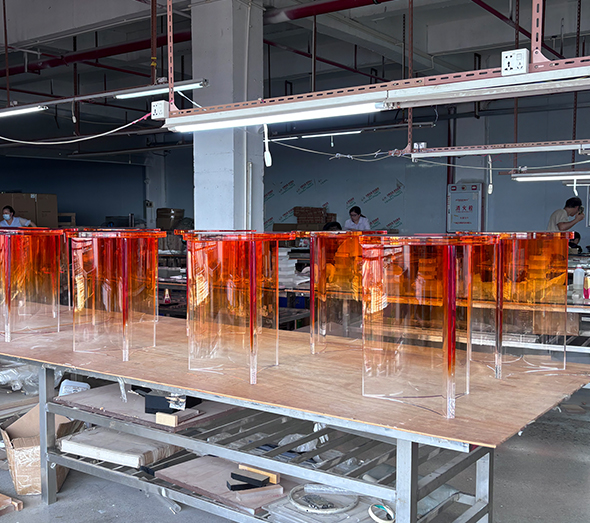
4. Release Your Bulk Order
The factory starts mass production in accordance with the confirmed samples. No modifications are allowed during production.
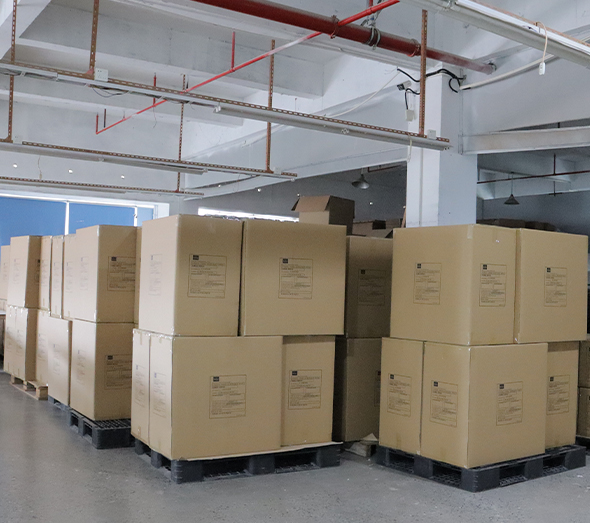
5. Prepare Your Delivery
Once production is completed, safe shipment will be arranged after the balance payment is settled.
Packing Facts
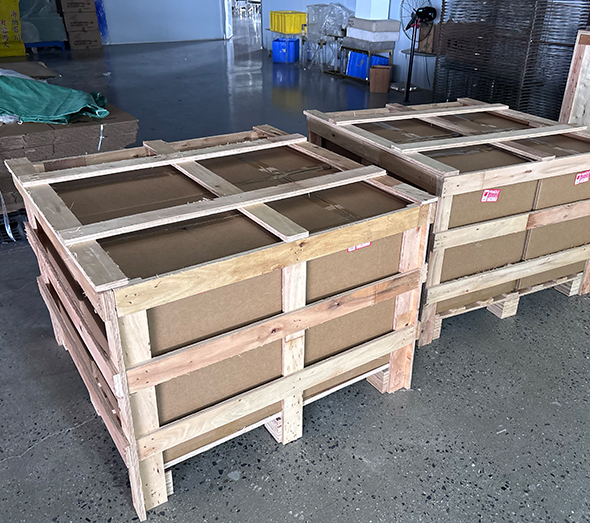
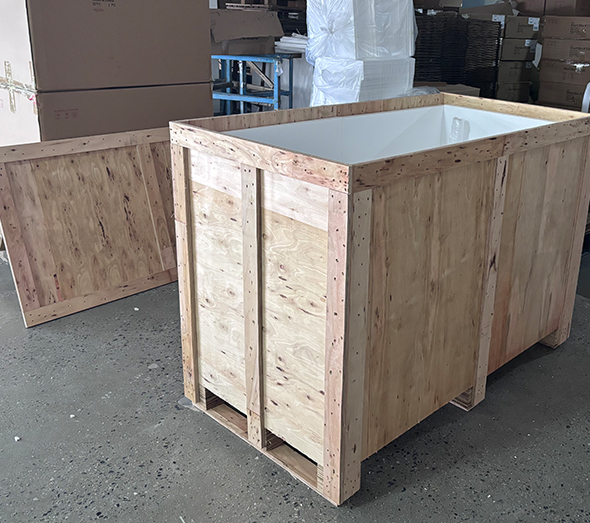
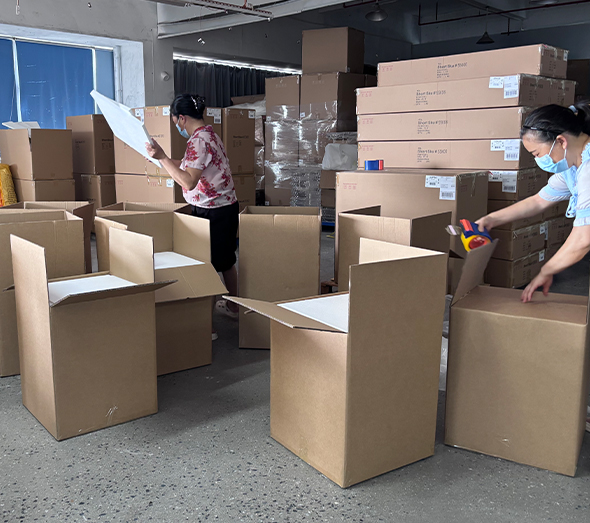
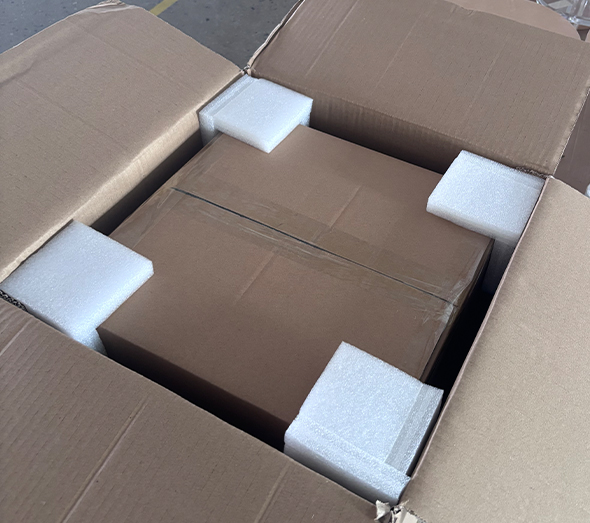
Packaging materials
Outer packaging materials:Corrugated Boxes, Honeycomb Boards, Custom Gift Boxes, Wooden box; Cushioning materials:cushioning materials, Air Pillows, EPE, Honeycomb Paper, Kraft Paper Fillers; Sealing and securing materials:BOPP Transparent Tape, Kraft paper tape, Custom Printed Tape, Stretch Film; Special protective materials:Desiccant, Anti-Static Bags……
Surface and Edge Protection
A published acrylic-furniture pack uses PE film or bag, pearl-cotton or bubble separation, foam board, wooden case, and pallet to stop surface contact.
Sets and Carton Identification
Nesting sizes remain separate SKUs. Carton labels list each size, color, pieces per set, quantity, destination, store, room, or project zone.
FAQ
Use the product’s role in your shopper journey to choose the format. A shelf supports a continuous product row, a riser creates tiered visibility on an existing surface, and a shelving unit provides its own structure. Test each option with your actual merchandise, planogram, viewing height, customer reach, and staff replenishment routine. Choosing by function helps you avoid paying for an oversized structure or approving a simple shelf that cannot deliver the visibility and access your stores need.
Test the dividers with the real packages and the people who will refill the display. Check whether customers can remove one item without shifting adjacent stock, whether staff can replenish quickly, and whether the spacing still works after assortment changes. Fixed dividers may keep presentation orderly, while adjustable dividers can extend the display’s useful life. Record the approved spacing and operating method so a neat sample does not become a slow or frustrating fixture in busy stores.
Evaluate the complete installed shelf using the actual span, depth, support points, brackets or wall interface, and expected product arrangement. Include concentrated and off-center loads, not only evenly distributed weight, and observe the shelf for the intended period and handling pattern. Record the evidence against that exact configuration. Give store teams a clear loading layout and use limit so they do not convert a verified display into an untested storage surface.
Add a front lip when merchandise can roll, slide, tip, or be displaced by frequent customer handling. Check the lip height against your packaging graphics, price labels, and the way shoppers remove products. A higher lip may improve retention but hide branding or slow replenishment. Trial the shelf with a realistic stock level and customer interaction before standardizing it. This reduces product falls without weakening visibility or adding unnecessary labor at every location.
Standardize the installation package before approving a rollout. Record wall or fixture types at each location, provide a mounting template, label every component, and match the hardware and instructions to the approved site condition. Pilot the installation in one representative store and capture installer feedback before shipping the full program. Define which checks belong to the local installer and which belong to the factory. This reduces rework caused by treating different walls and fixtures as identical.
Do not rely on the phrase “standard slatwall.” Record the panel profile, slot spacing, groove dimensions, insert type, and any existing shelf or hook samples. Test the acrylic shelf on the oldest and newest fixture versions used in your network, including normal loading and removal. Keep the approved interface as a controlled drawing or reference sample. This prevents a visually correct shelf from arriving with an unusable mounting connection.
Add bathroom shelves when channel demand and real use conditions justify a dedicated product. Compare drilled, adhesive, and suction-mounted concepts against the wall surfaces, humidity, cleaning products, and loads your customers actually have. A broad no-drill claim creates returns when shoppers assume it works on every surface. Test the complete installation, then publish compatible surfaces, care requirements, and use limits in the listing and instructions before expanding the assortment.
Keep a controlled part number for each shelf and link it to the approved drawing, interface dimensions, bending angles, color reference, hardware set, and inspection criteria. Require written approval before changing any item, even when a substitute appears equivalent. Retain an approved sample and compare replenishment orders against it. This version discipline helps new stock fit existing store systems and prevents a small unrecorded change from becoming a multi-location replacement problem.
Request a Quote for Your Side Table Project
Product Specification
Send your company details, drawing or reference, dimensions, color, intended use, quantity for each design, and destination.
Destination and Timing
Add the preferred packing method, target arrival date, and whether the order is for wholesale, private label, or an interior project.
Commercial Context
We can then review the sample and bulk quotation on the right basis.