
Custom Acrylic Cabinet
JFM is a global supplier of custom acrylic cabinets. We offer customized services based on your specific needs and specifications. Jingfumei is an outstanding manufacturer that meets your acrylic customization requirements. If you are looking for custom acrylic cabinets solutions, JFM is your ideal choice – a trustworthy and excellent manufacturer!








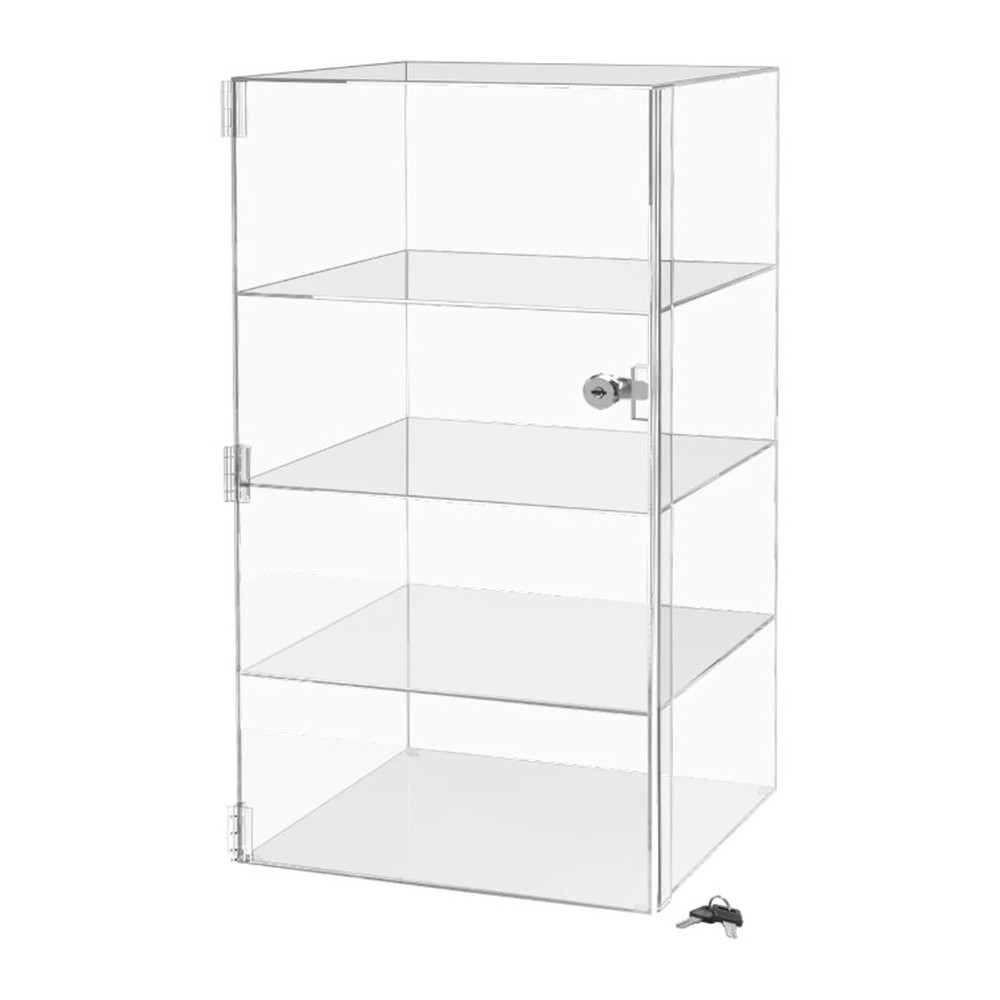
Quick specifications
| Product Scope | JFM manufactures complete hinged-door, sliding-door, drawer, and combination door-and-drawer acrylic cabinets from drawings, reference models, or released finished-product specifications for qualified B2B programs. |
|---|---|
| MOQ | MOQ is quoted by the released acrylic cabinet model, SKU and finish split, hardware set, assembly state, packing plan, destination, and order program. |
| Sample Timing | The sample schedule is issued after the drawing or reference, use, access structure, interfaces, finish, hardware, required checks, and packing scope are confirmed. |
| Production Lead Time | The quotation lists the bulk schedule after the production revision, approval hold points, quantity by SKU, supplied components, packing plan, and shipment requirements are fixed. |
| Size, Thickness and Load | Overall size, component thickness, unsupported spans, supports, joints, hardware, shelf and drawer loads, and stability requirements are engineered and validated for the exact finished cabinet model. |
| Material and Finish | Applicable clear acrylic cabinet components use 92% or higher light transmission. Clear, tinted, colored, gradient, milky, frosted, printed, engraved, and mixed-material finishes follow separate approved samples and component records. |
| Assembly and Packing | Your order record identifies assembled or knock-down state, cabinet body, doors, drawers, shelves, hardware, instructions, labels, protective zones, carton identity, and receiving sequence by SKU. |
| Shipping Terms | Quotations use EXW [named place], FOB [named port], DAP [named place], or DDP [named place] under Incoterms® 2020. The quotation assigns transport, clearance, duties, taxes, insurance when applicable, and importer responsibilities. |
Acrylic Cabinet Manufacturer
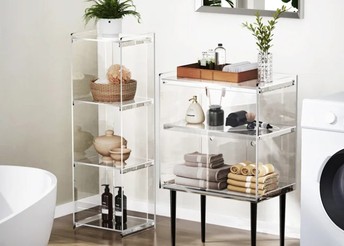
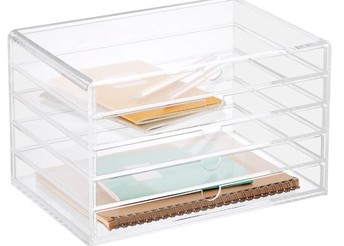
JFM manufactures each acrylic cabinet as a complete finished product for furniture brands, private-label programs, distributors, retail-fixture buyers, and commercial interior projects. You can begin with a drawing or reference model and the intended use. We evaluate the usable interior, access route, doors, drawers, shelves, hardware, installation, assembly state, finish, packing, and replacement needs as one product system. The released drawing, BOM, sample, hardware schedule, and packing record keep the approved acrylic cabinet version consistent from quotation and trial assembly through bulk production, receiving, later replacements, and repeat orders.
For open display or replacement components, see our custom acrylic shelves. If you need a complete open unit instead of an enclosed cabinet, compare our clear acrylic shelf.
Our Products
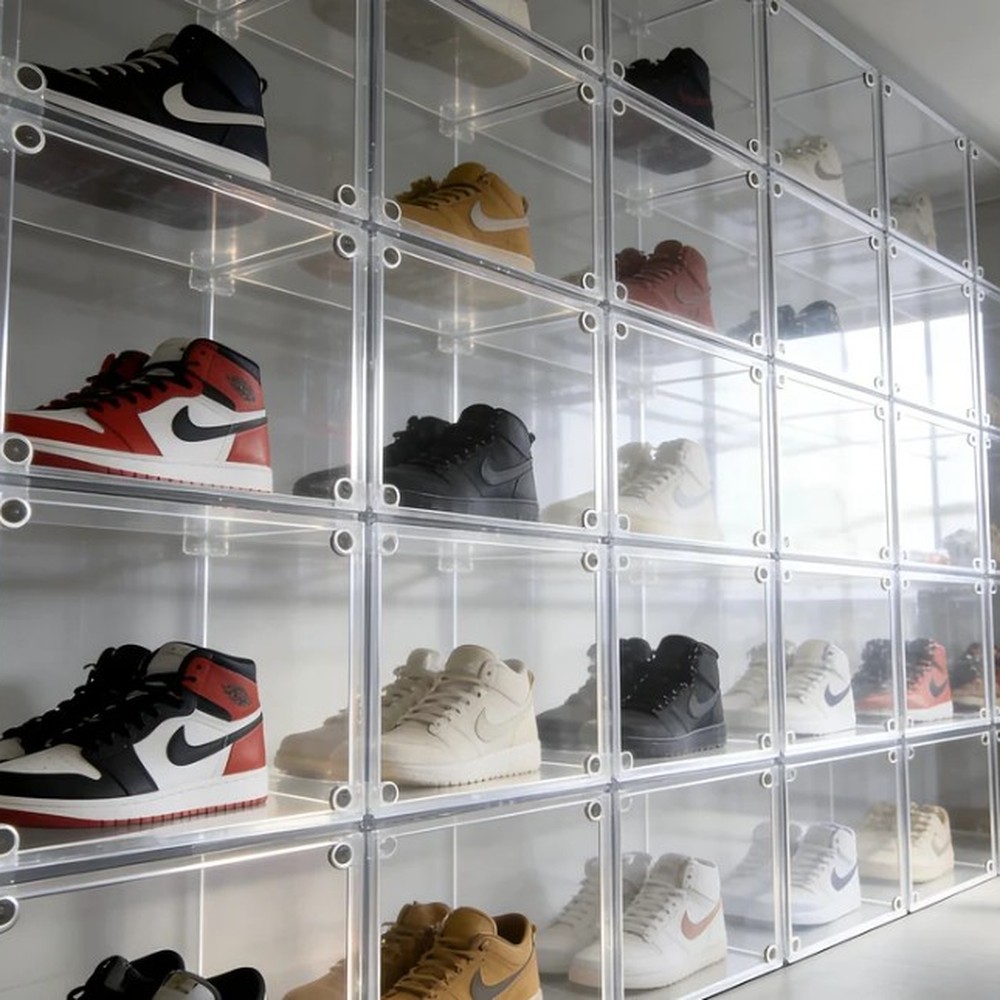
Collection structure
Choose the acrylic cabinet structure that matches how the finished product will be used, assembled, received, and reordered. Color, transparency, finish, hardware, and installation remain separate specification fields.
Hinged-Door Acrylic Cabinets
Hinged doors give you a broad opening for loading and service. We set door count, opening direction, swing clearance, hinge positions, stops, gaps, handles, locks, and the effect of open doors on the finished model.
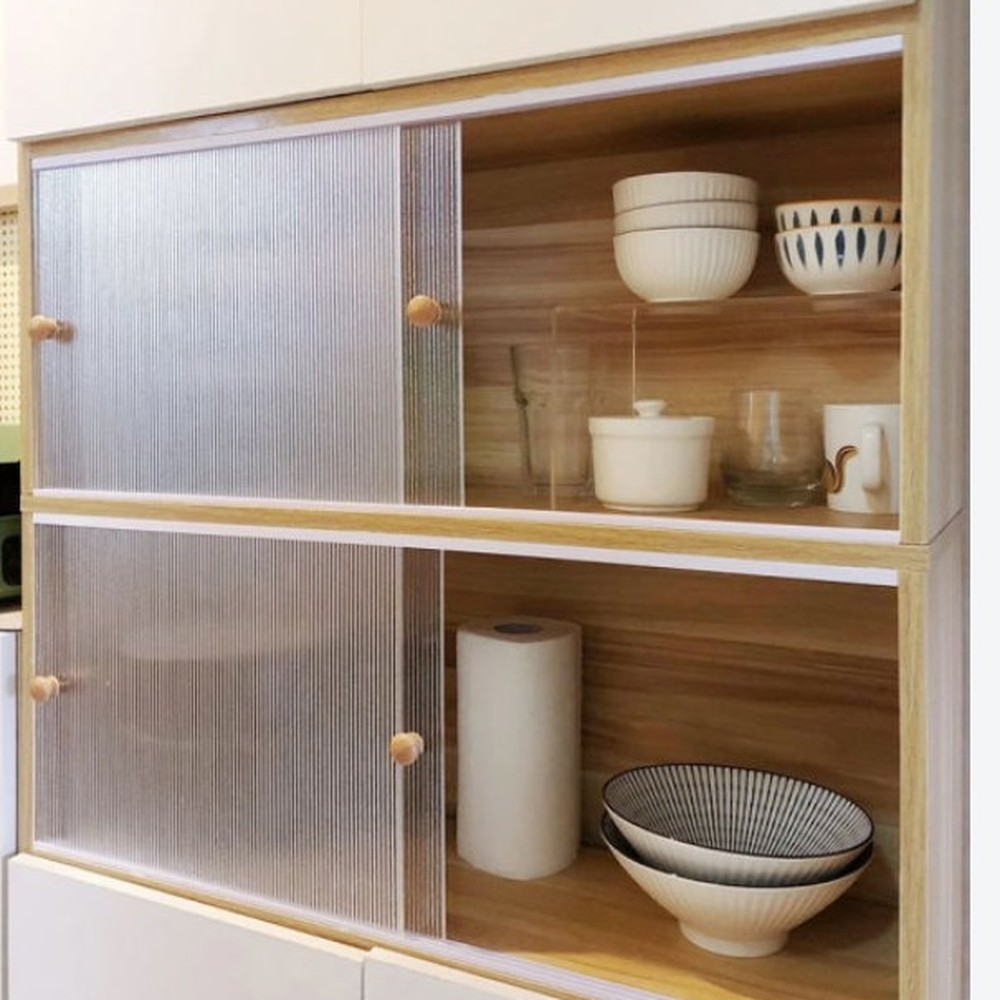
Sliding-Door Acrylic Cabinets
Sliding doors keep door leaves inside the cabinet footprint, while track depth and door overlap reduce the usable opening. We confirm the largest item, track layout, overlap, travel, removal method, cleaning access, and lock position.

Drawer Acrylic Cabinets
A complete drawer acrylic cabinet uses an integrated body, drawer boxes, guides, stops, and fronts. We define each internal drawer size, extension, handle, lock, intended contents, opening sequence, and the stability condition with drawers extended.
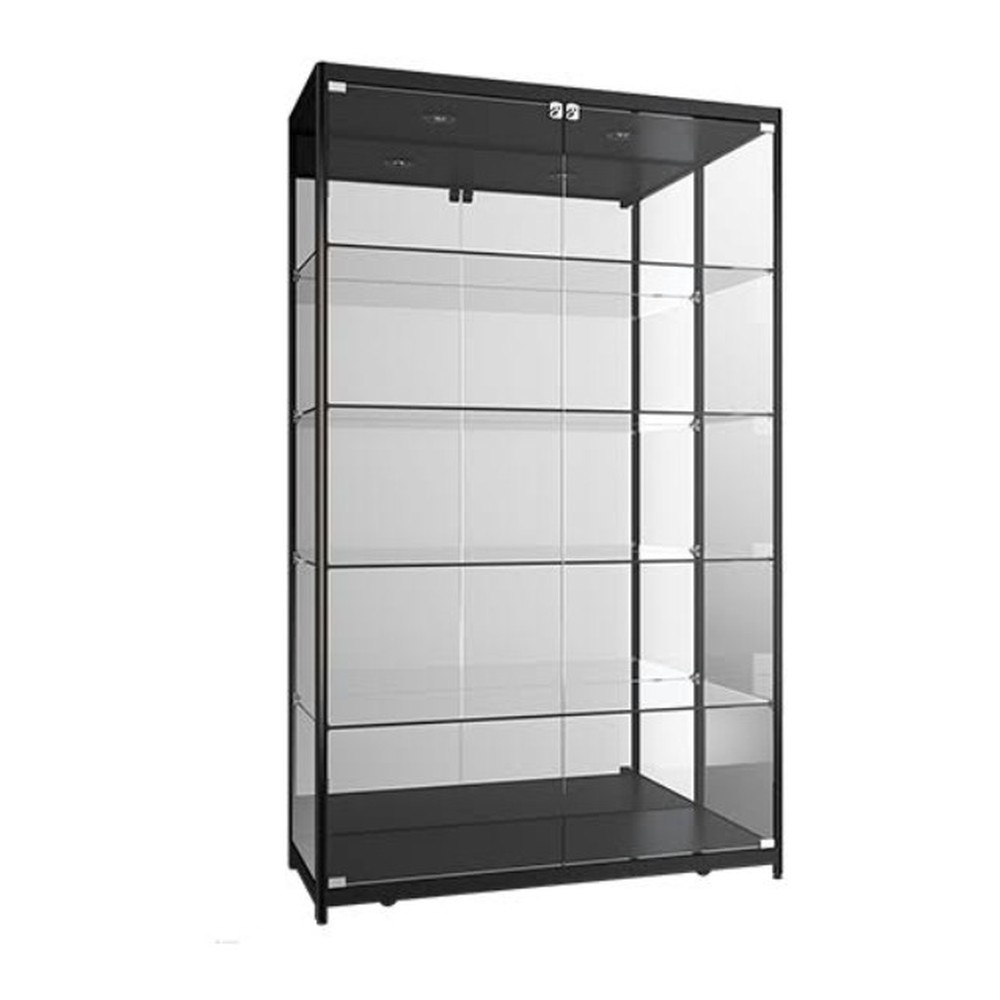
Combination Door-and-Drawer Acrylic Cabinets
Combination cabinets separate display, storage, and service zones in one finished unit. We check door and drawer interference, partition positions, hardware families, lock plan, assembly order, and how the loaded zones affect installation and packing.
Customization Range
Cabinet Size and Overall Size
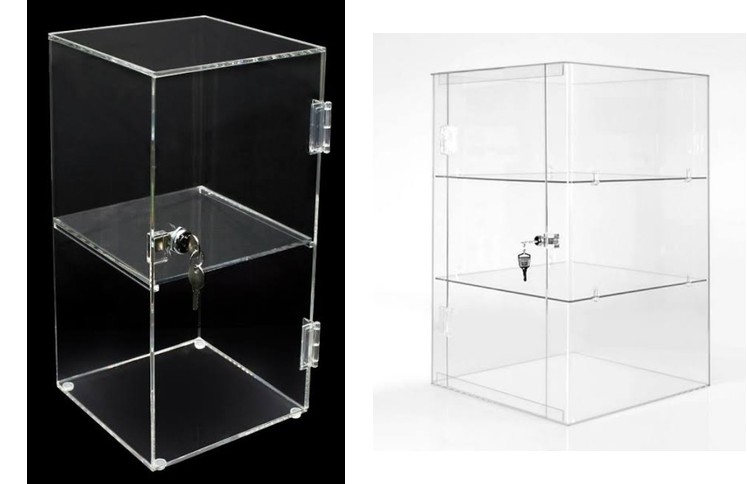
We translate your drawing or reference into overall finished dimensions, usable interior dimensions, door and drawer openings, installation interfaces, and delivery-path limits.
Acrylic Material Type
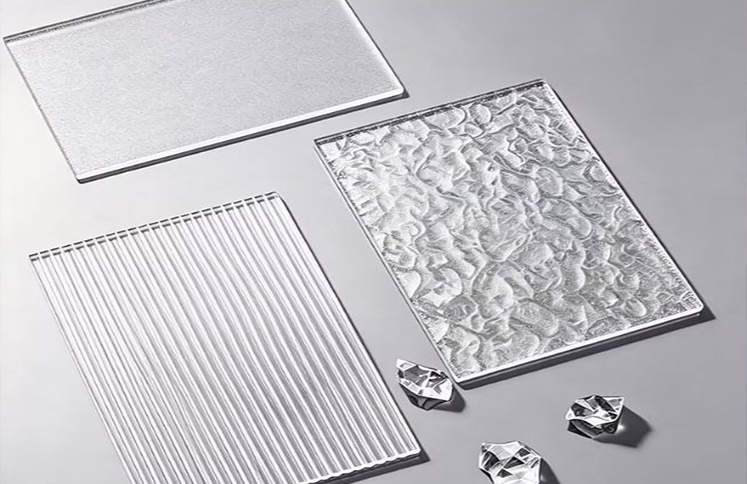
The finished-product BOM records the acrylic grade, color, transparency, finish reference, supplier identity, and component position required by the released acrylic cabinet model.
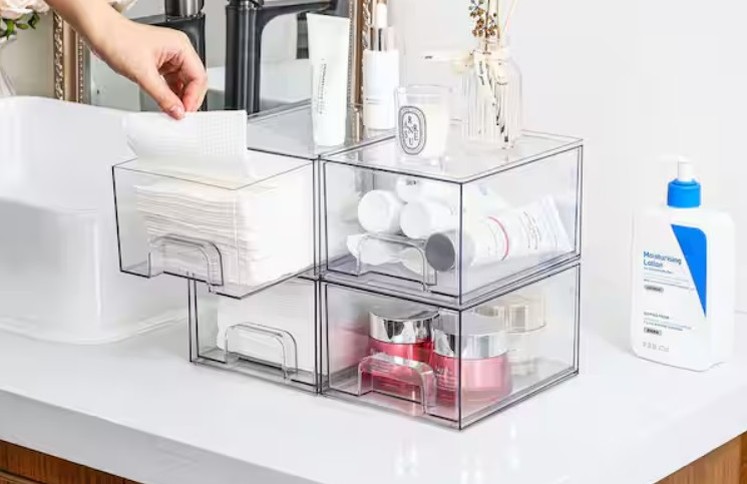
Bed Structure and Use
Choose hinged, sliding, drawer, or combination access, then define freestanding, wall-mounted, countertop, or mobile use and the items, frequency, and operating route.

Surface Treatment
Clear, tinted, colored, frosted, printed, engraved, or coated finishes follow the released appearance reference, artwork, position, viewing condition, and batch-control record.
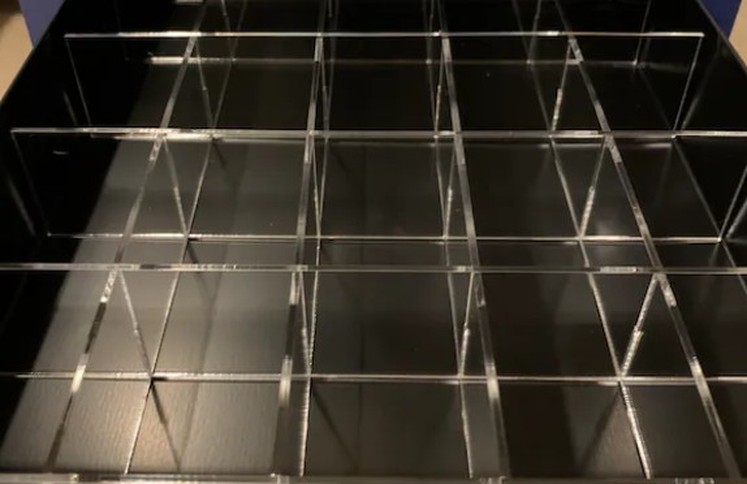
Edge and Corner Finish
Drawings identify visible edges, polished profiles, radii, corners, holes, slots, and joint zones. Inspection checks the specified geometry and appearance before assembly and packing.
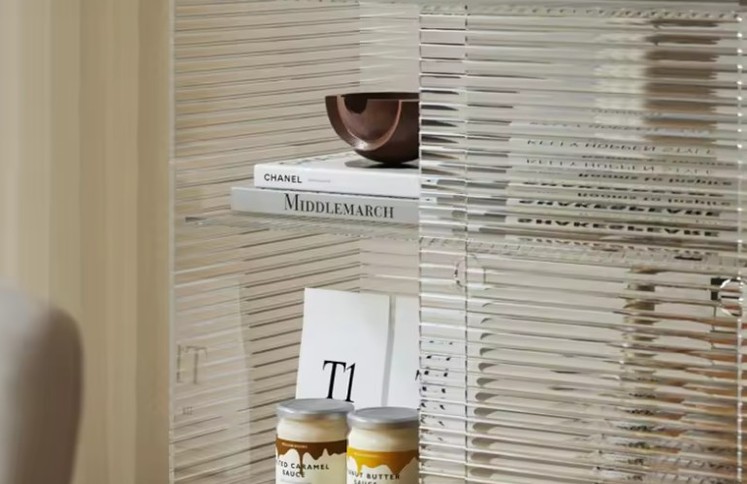
Branding and Personalization
Your logo, graphics, labels, barcodes, item codes, store or room references, and care information follow the released artwork, language, placement, and revision.

Hardware and Assembly
The controlled BOM lists hinges, tracks, guides, locks, handles, supports, feet, casters, connectors, tools, quantities, finishes, part codes, and assembled or knock-down status.
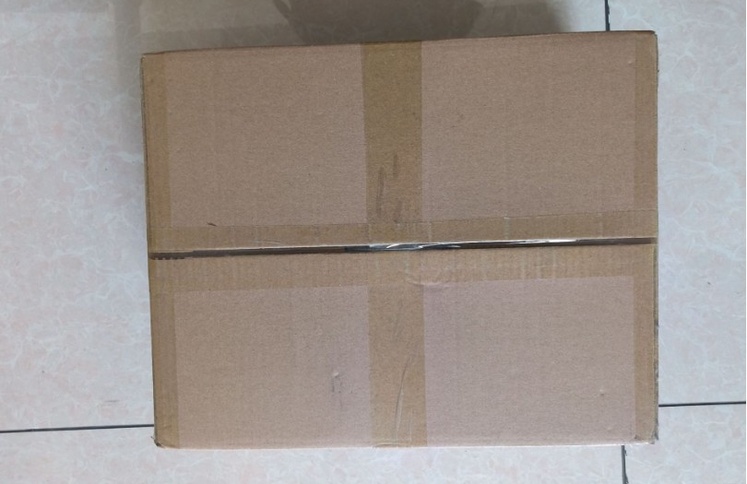
Packaging and Presentation
The cabinet pack plan assigns surface protection, component restraints, hardware and document zones, cartons, labels, destination references, receiving sequence, and presentation requirements by SKU.
Feature Box
Confirm the Usable Interior and Access Before Approval
You can start with a drawing or reference model and the intended items. We calculate the clear internal space after doors, tracks, hinges, locks, shelf supports, and drawer guides are installed, then review the opening and loading route. The released drawing and sample show the real usable space and movement clearances, helping you avoid a finished acrylic cabinet that looks correct outside but cannot accept or retrieve the intended products.
Make Doors, Drawers, Hardware, and Installation Work Together
We evaluate door swing or sliding travel, drawer extension, hinge and track positions, locks, handles, supports, fixing points, and nearby surfaces as one interface plan. The complete acrylic cabinet is trial-assembled with the approved hardware before bulk production. You receive the released interface drawing, BOM, assembly sequence, and hardware references, so your team can install, service, and replace parts without drilling on site or mixing incompatible components.
Keep Every Cabinet SKU Ready for Receiving and Reorders
Each acrylic cabinet SKU stays linked to its dimensions, access configuration, finish, hardware, labels, assembly state, packing zones, and approved changes. We identify cartons, hardware pouches, instructions, and replacement references with the same revision. Your receiving team can match every component to the correct cabinet, while purchasing can reorder the released version without rebuilding the specification from emails, photographs, or an older sample.
Manufacturing Process

Electronic Saw Cutting
Finished cabinet body, door, drawer, shelf, divider, and packing components are cut to the released part list, with part identity and work-order trace retained.
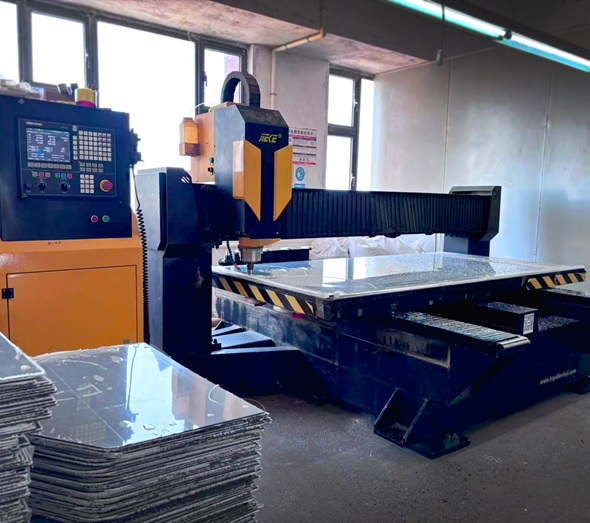
Cutting and CNC Machining
Holes, slots, recesses, profiles, hardware seats, and assembly interfaces follow the controlled drawing so moving parts and mixed-material components meet the same datum.
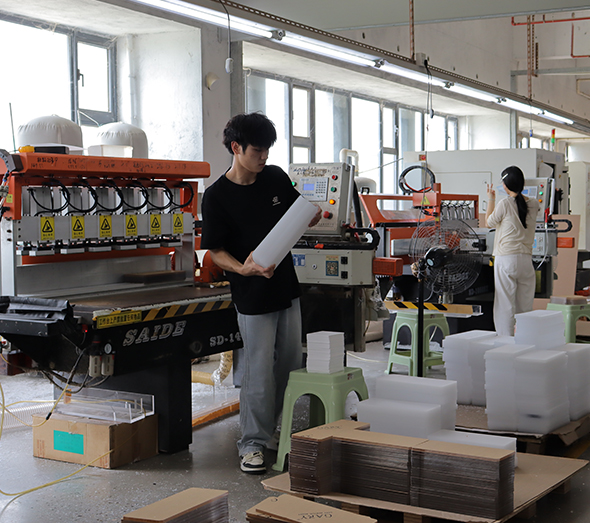
Edge Polishing and Forming
We finish the specified visible edges and formed profiles, then inspect corners, holes, openings, and contact zones before the acrylic cabinet enters assembly.
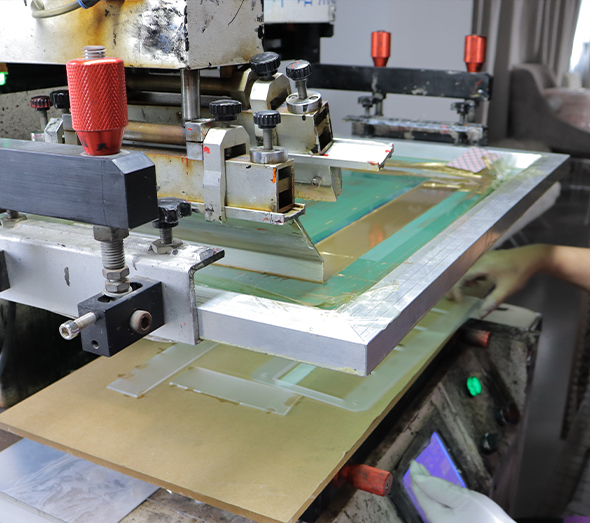
Printing and Engraving
Approved logos, care labels, item codes, key numbers, orientation marks, and project references follow the released file, color, position, reading direction, and revision.
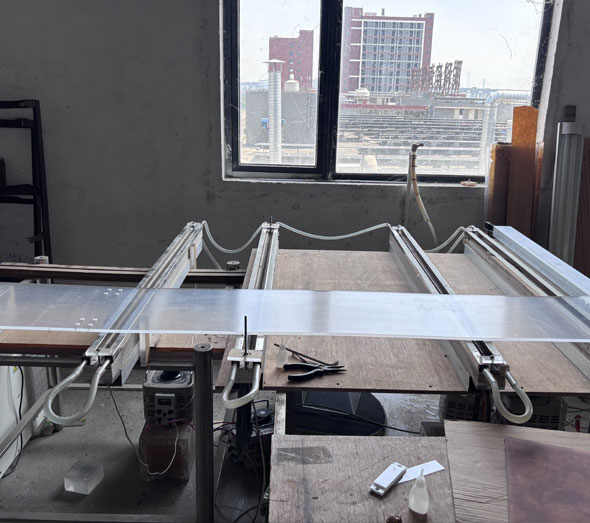
Hot bending
Where the design uses formed acrylic, the released radius, fixture, orientation, interface dimensions, and part code remain tied to the finished cabinet revision.
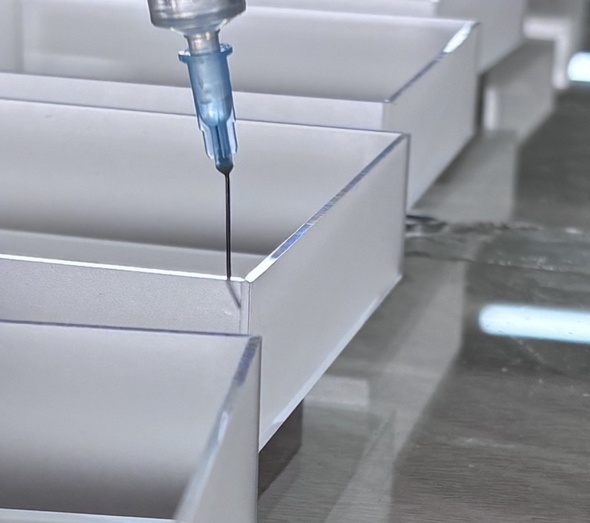
Bonding
Assembly fixtures hold the body, doors, drawer parts, shelves, reinforcements, and mixed-material interfaces in the specified position while the released bonding process sets.
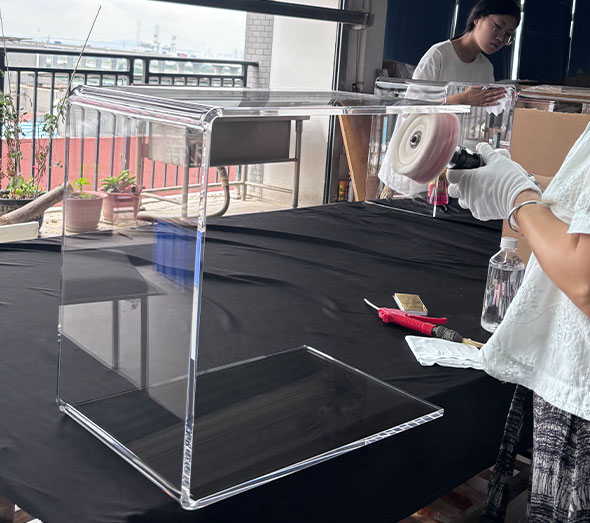
Quality Inspection
We check finished dimensions, diagonals, surfaces, edges, gaps, movement, locks, hardware count, assembly fit, labels, packing, and revision identity as factory production controls.
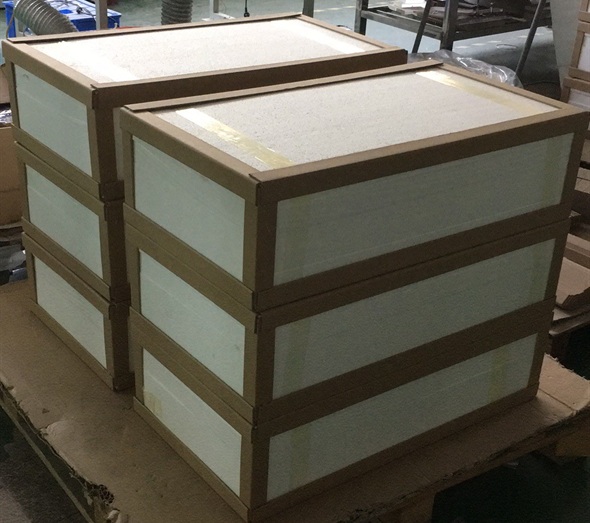
Protective Packing
Specified surface film remains in place while separators, edge protection, restraints, hardware pouches, document pouches, carton IDs, and cabinet-zone labels are added.
Application

Later Cabinet Order Accepted with Matching Shelves and Doors — United States, August 2024

Installed Sliding-Door Cabinets Accepted by Retail-Fixture Buyer — Canada, June 2025
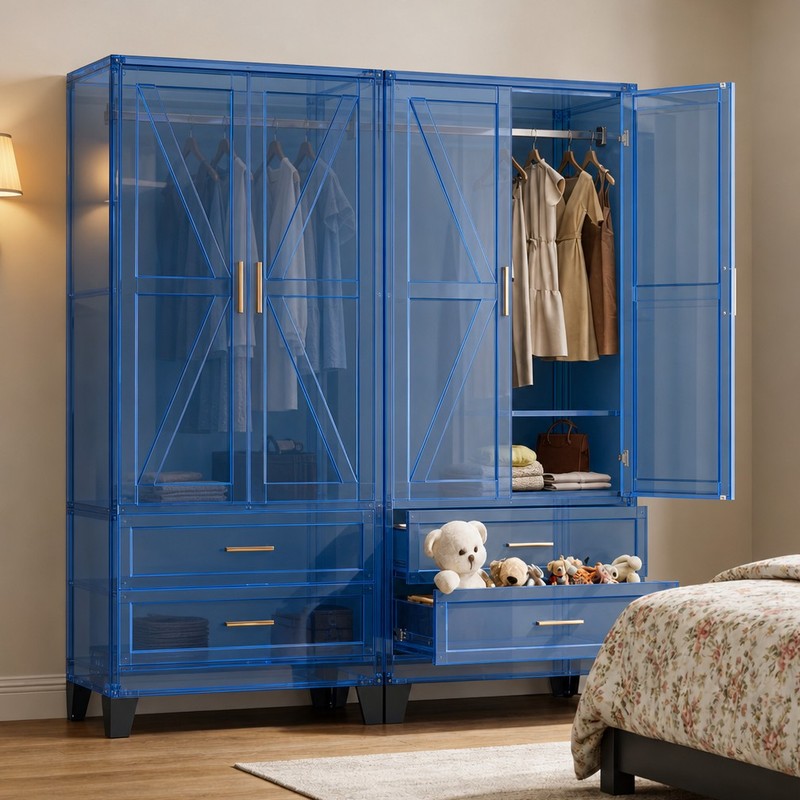
Room Cabinet Kits Installed by Commercial-Interiors Buyer Without Sorting — United States, December 2025
Bulk Production Process
1. Inquiry & Quotation
Consult customer service to confirm product specifications, craftsmanship, and quantity, then finalize the quotation and lead time.
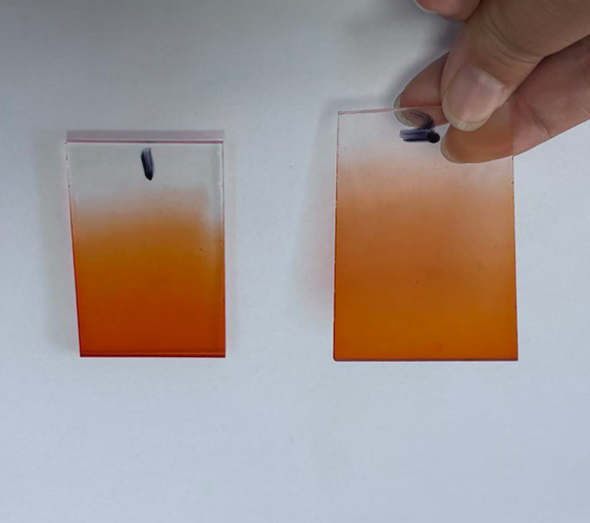
2. Solution Confirmation
Formulate the solution, design the drawings, and confirm the final version.
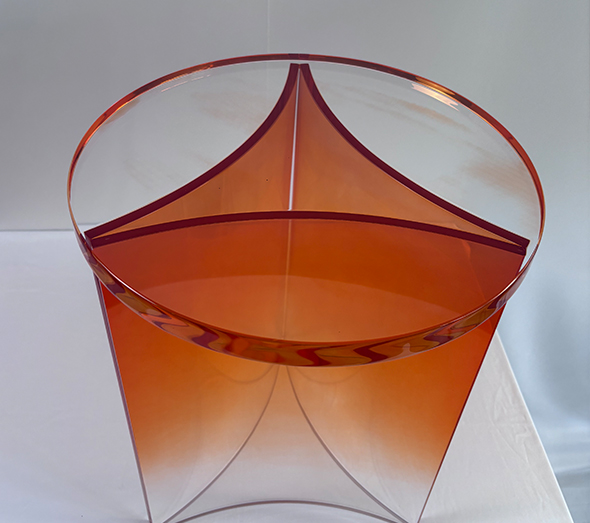
3. Sample Production
The factory designs and produces samples, then sends them to the buyer for confirmation.
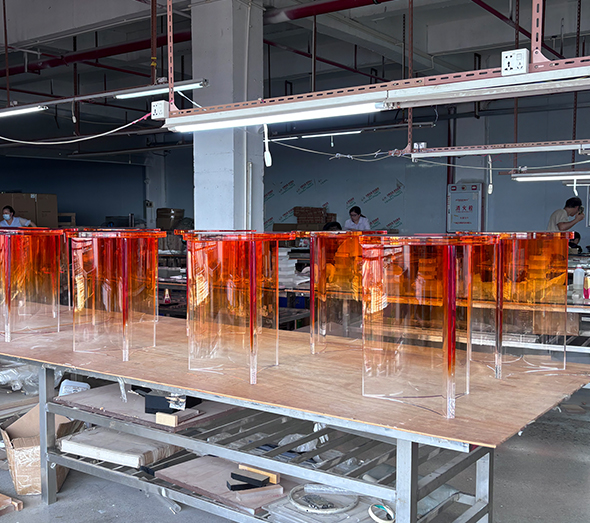
4. Mass Production
The factory starts mass production in accordance with the confirmed samples. No modifications are allowed during production.
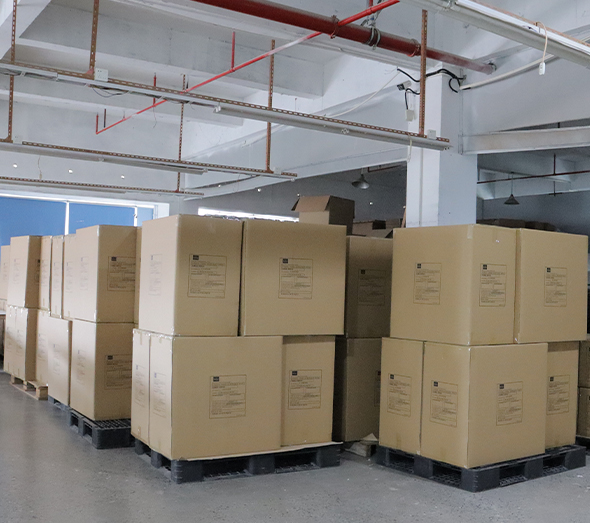
5.Products Shipment
Once production is completed, safe shipment will be arranged after the balance payment is settled.
Packing Facts
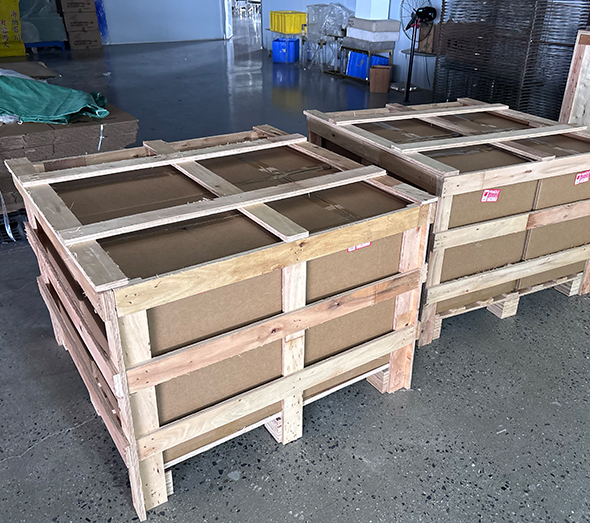
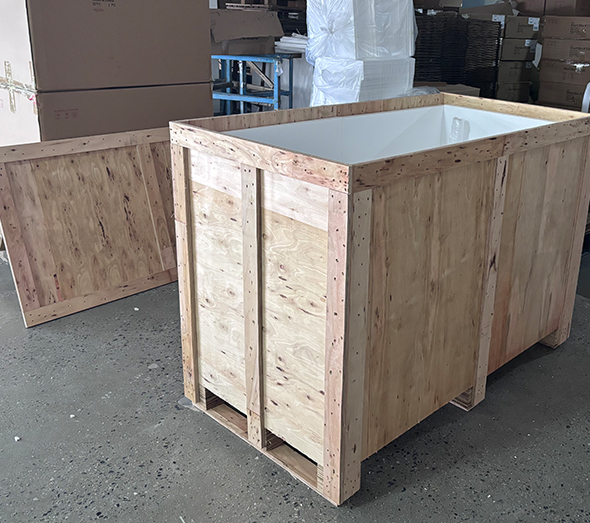

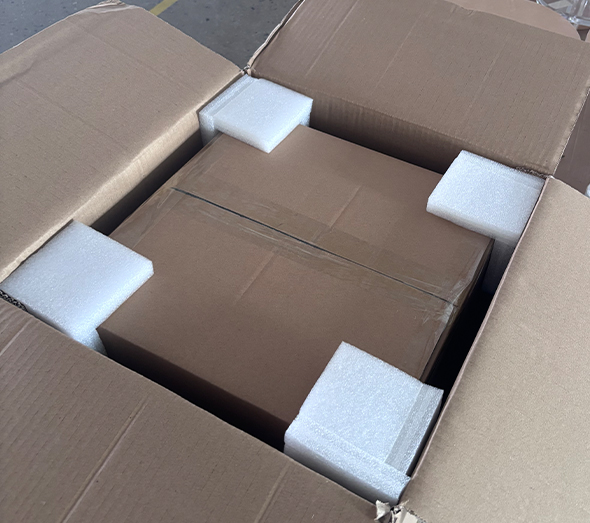
Packaging materials
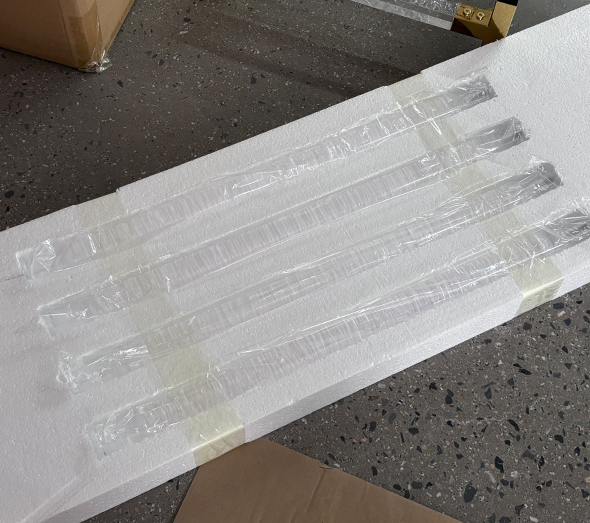
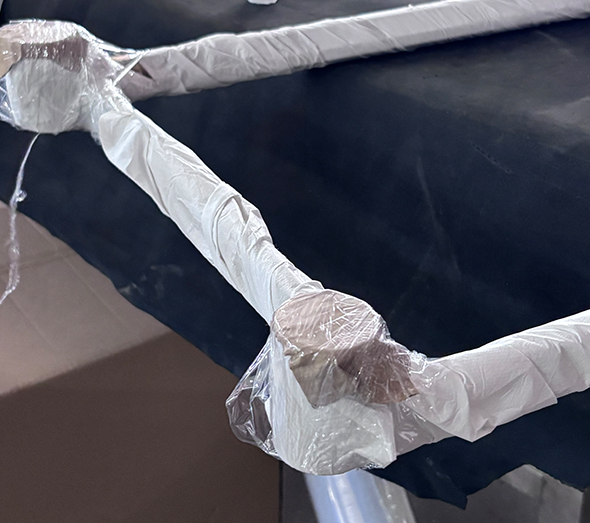
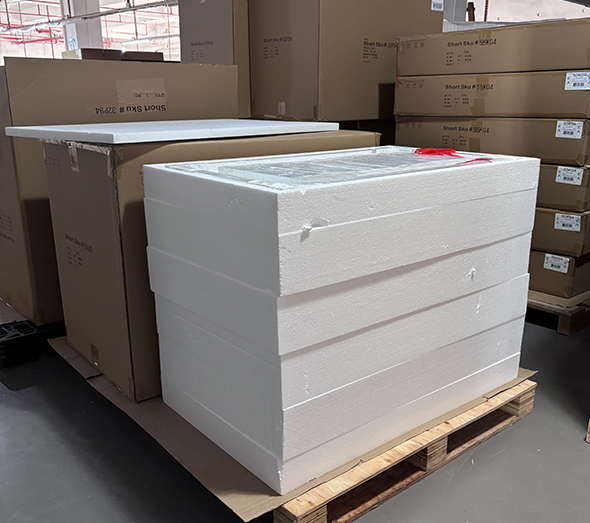
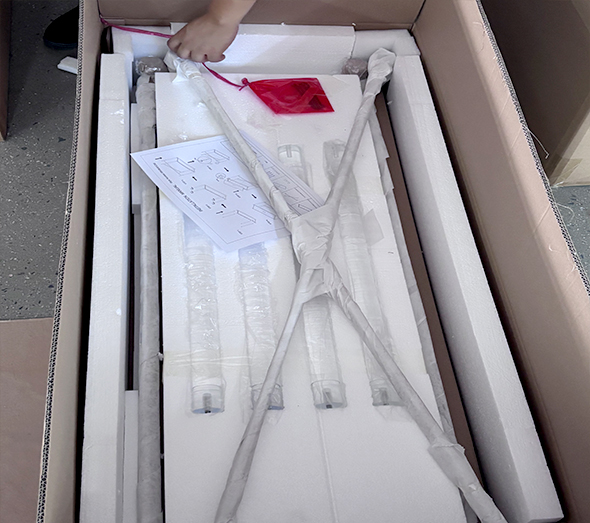
Outer packaging materials:Corrugated Boxes, Honeycomb Boards, Custom Gift Boxes, Wooden box; Cushioning materials:cushioning materials, Air Pillows, EPE, Honeycomb Paper, Kraft Paper Fillers; Sealing and securing materials:BOPP Transparent Tape, Kraft paper tape, Custom Printed Tape, Stretch Film; Special protective materials:Desiccant, Anti-Static Bags……
Surface and Edge Protection
A published acrylic-furniture pack uses PE film or bag, pearl-cotton or bubble separation, foam board, wooden case, and pallet to stop surface contact.
Sets and Carton Identification
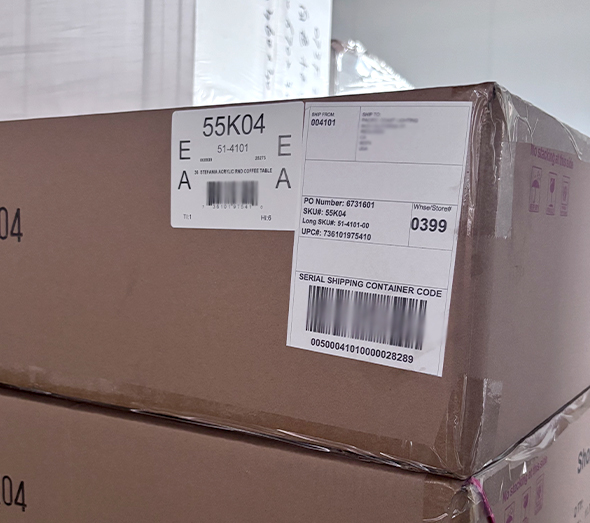
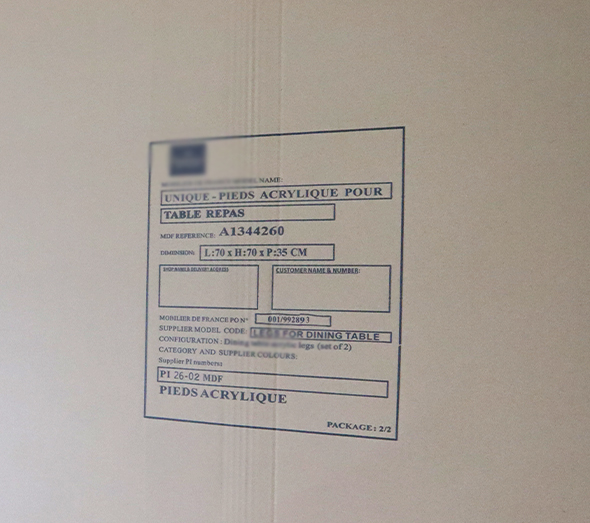
Nesting sizes remain separate SKUs. Carton labels list each size, color, pieces per set, quantity, destination, store, room, or project zone.
FAQ
Start with the finished product’s primary structure and use. An acrylic cabinet has a complete cabinet body with doors or integrated drawers, internal storage, hardware, and installation responsibility. Route a repeatedly accessed display model to the Acrylic Display Cabinet subpage; route a lift-off enclosure or low-access vitrine to Display Case. Small containers belong under Storage Box, desktop or in-drawer modules under Organizer, open storage under Shelf or Bookcase, and open merchandising fixtures under Retail Display Unit. If the request is for a component rather than a finished cabinet, handle it outside this page.
Provide finished overall width, depth, and height, plus usable internal dimensions for every compartment, shelf zone, and drawer. Add the clear door opening, sliding-door overlap, drawer travel, swing or pull-out space, and the largest item’s size, weight, orientation, and loading path. Your site record should show walls, floors, counters, baseboards, nearby furniture, traffic routes, power locations, fixing surfaces, and the full delivery path. These details prevent an apparently correct outside size from producing unusable storage, blocked access, or installation changes.
Match the access structure to your item, operating space, and staff workflow. Hinged doors provide a broad opening but require swing clearance. Sliding doors avoid that swing yet create overlap and a smaller effective opening. Drawers improve direct access but need pull-out space and change the cabinet’s loaded stability. A Combination Door-and-Drawer cabinet separates functions but adds hardware and possible movement conflicts. Compare access frequency, front or rear replenishment, aisle space, locks, simultaneous openings, and cleaning, then validate the chosen arrangement with a functional prototype.
Define the exact model and use conditions before setting acceptance criteria. Record each shelf’s span, supports, distributed and concentrated loads, every drawer load and extension state, cabinet-top and total loads, duration, environment, and allowable movement or deflection. Review stability with doors or multiple drawers open, uneven floors, casters, high-level loads, foreseeable contact, and KD assembly variables. Require controlled drawings, BOM, production-intent sample identification, test method, acceptance criteria, and results. Evaluate wall anchoring separately for the actual cabinet, substrate, fasteners, installer, and whether it restrains tipping or carries load.
Build a controlled component and interface schedule. Identify hinges, tracks, slides, handles, locks, keying plan, shelf supports, feet, casters, anchors, approved suppliers, substitutions, and spare-part responsibility. For lighting, ventilation, or cables, define the destination market, electrical requirements, heat or airflow needs, entry points, service access, and who supplies, installs, tests, certifies, and warranties each part. For glass, wood, metal, stone, or other materials, assign supplier, dimensions, tolerances, connections, contact protection, packing, and inspection responsibility. A feature listing alone does not establish performance or approval.
Use separate checkpoints for function and appearance. Review a working prototype for doors, drawers, shelves, locks, and assembly, then approve color and transparency samples under agreed lighting and backgrounds. Define acceptable edges, joints, gaps, alignment, surface condition, viewing distance, and visible versus hidden faces. Freeze the shop drawing, revision, BOM, material and hardware suppliers, approved samples, labels, and packaging around a golden sample. Production records should link incoming components, first-piece checks, in-process inspection, final inspection, and approved deviations to that version rather than relying on general terms such as “high quality.”
Compare total delivered and service cost, not carton volume alone. An assembled cabinet reduces site-adjustment variables but may increase handling and damage exposure; a knock-down version may reduce volume while adding hardware, alignment, missing-part, misassembly, and surface-scratch risks. Freeze the assembly instructions, hardware list, labels, carton sequence, and kit identifiers. Packaging should separate clear faces from hardware and mixed materials while restraining doors, drawers, shelves, edges, and corners. At receipt, photograph cartons, verify model, revision, and counts, inspect damage during controlled unpacking, and quarantine exceptions before installation.
Link each customer SKU to the released drawing revision, BOM, approved suppliers, color and transparency samples, hardware and keying plan, electrical interfaces, golden sample, inspection criteria, labels, instructions, and packaging. Require written review before changing materials, finishes, dimensions, access structure, hardware, suppliers, or packing, and keep old and new versions from mixing. For a complete RFQ, provide your company and market, finished use, access configuration, installation method, overall and internal dimensions, items and loads, site constraints, quantity, SKU or store count, destination, required date, and drawings or reference files.
Request a Quote for Your Side Table Project
Product Specification
Send your company details, drawing or reference, dimensions, color, intended use, quantity for each design, and destination.
Destination and Timing
Add the preferred packing method, target arrival date, and whether the order is for wholesale, private label, or an interior project.
Commercial Context
We can then review the sample and bulk quotation on the right basis.