
clear acrylic table








Quick specifications
| Product Scope | Complete clear acrylic coffee, side, console, dining, C and event tables for commercial orders. Each finished design has its own top, supports, component materials, assembly state and packing specification. |
|---|---|
| MOQ | 50–200-piece MOQs |
| Sample Timing | JFM offers 3–7-day sample production. |
| Production Lead Time | We publish 10–35-day bulk production schedules. The exact time will depend on the order quantity and the complexity of the product. |
| Size, Thickness and Load | We provide 5–100 mm acrylic processing for furniture. |
| Material and Finish | 92% light-transmission cast acrylic, available in clear, smoked grey, tea, milky white, gradient, frosted, and custom-tinted finishes. |
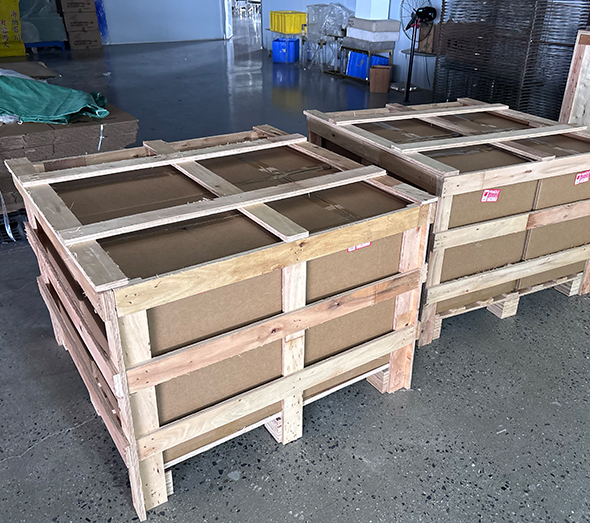
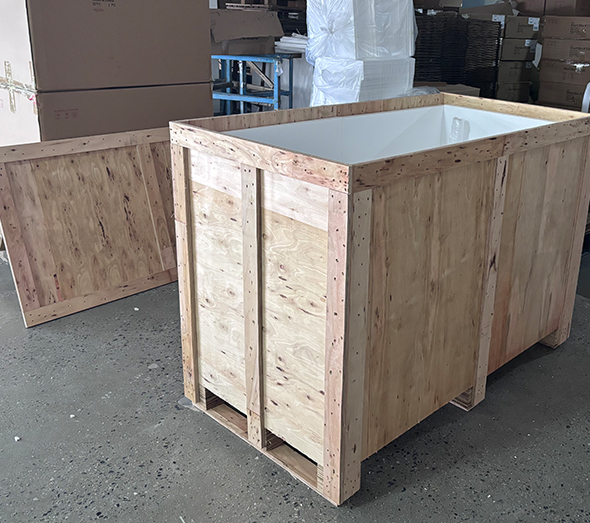
| Assembly and Packing | Furniture packs use a PE bag, foam separation, foam board, wooden case, and pallet. JFM records the assembly state and carton plan by SKU. |
| Shipping Terms | We supply protective packing and arrange EXW, FOB, DDU, or DDP delivery. The confirmed quotation and order record the shipping term, destination, packing scope, and planned dispatch schedule. |
Complete clear table collections
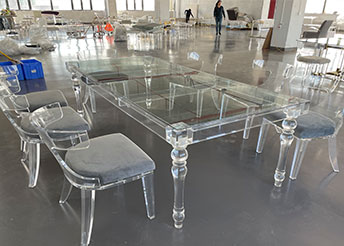
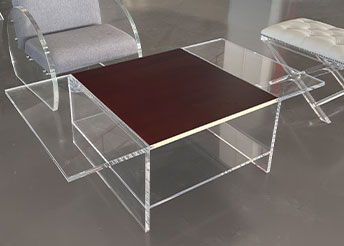
A clear acrylic table collection groups complete coffee, side, console, dining, C and event models by transparent appearance, while each design keeps its own drawing and quotation. Identify acrylic, glass, metal or wood by actual component. Each finished top-and-support design needs an approved sample, assembly plan and protective pack. Importers, wholesalers and brands can compare styles and reorder the same released version without mixing unlike structures.
Our Products

Clear Acrylic Coffee Tables
Low-profile tables need a specified top, support and visible-edge finish; choose the approved unit and protective pack for your assortment.
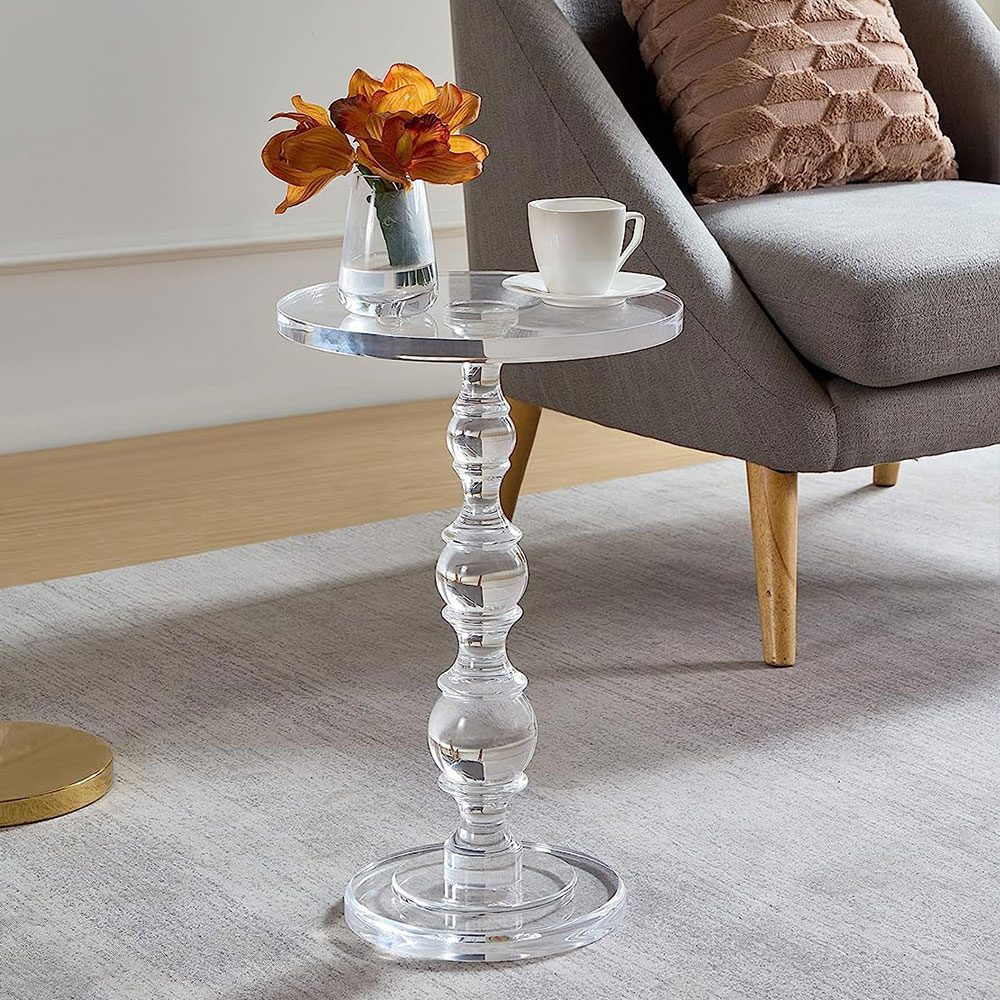
Clear Acrylic Side Tables
Compact side units can vary in support and hardware; identify those components with each selected style for accurate receiving.

Clear Acrylic Console Tables
Longer, narrower models need their visible joints and protected parts checked together for retail presentation before a bulk quote.
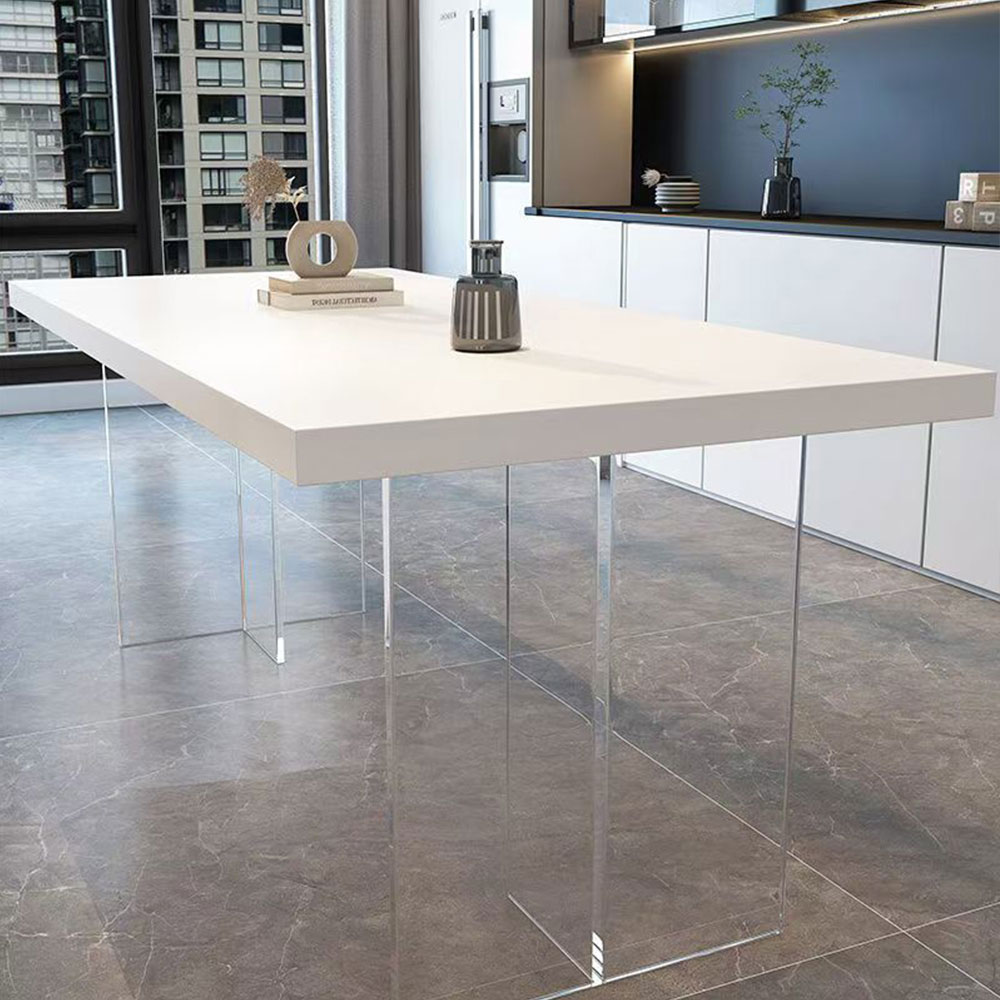
Clear Acrylic Dining Tables
Dining-size tops and supports demand separate material and assembly decisions; confirm their matched pack by model for reliable bulk receiving.
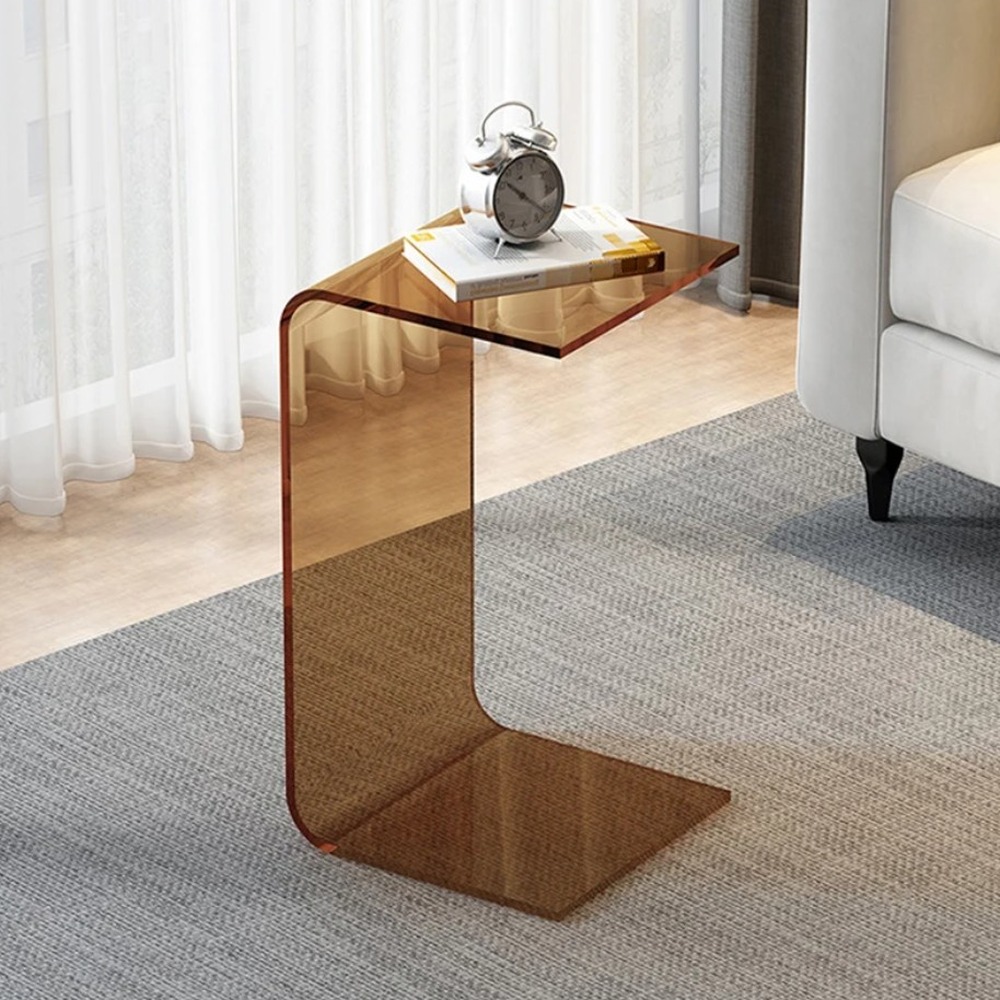
Clear Acrylic C Tables
A C-form top and integrated support make one movable furniture unit; check its actual form and handling pack.

Clear Acrylic Event Tables
Event formats may differ in dimensions and assembly; name each finished configuration before coordinating production and destination labels.
Customization Range
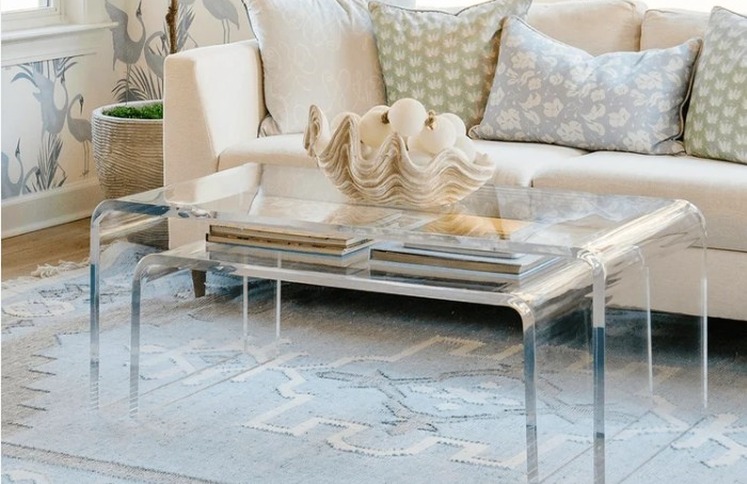
Table Size and Overall Size
Specify overall length, width and height for each clear acrylic table design; keep its quotation tied to the named table type.
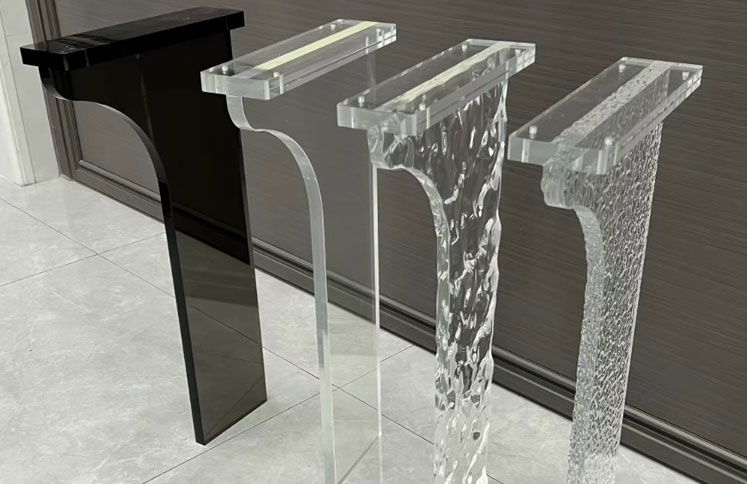
Acrylic Material Type
Identify clear acrylic grade and thickness by component; list glass, metal, wood and other materials separately in the BOM.

Table Structure and Use
Select the finished coffee, side, console, dining, C or event table form and identify its top and support construction.

Surface Treatment
Approve clear visible-face appearance on each complete sample; define printed, engraved or non-clear parts separately.
Edge and Corner Finish
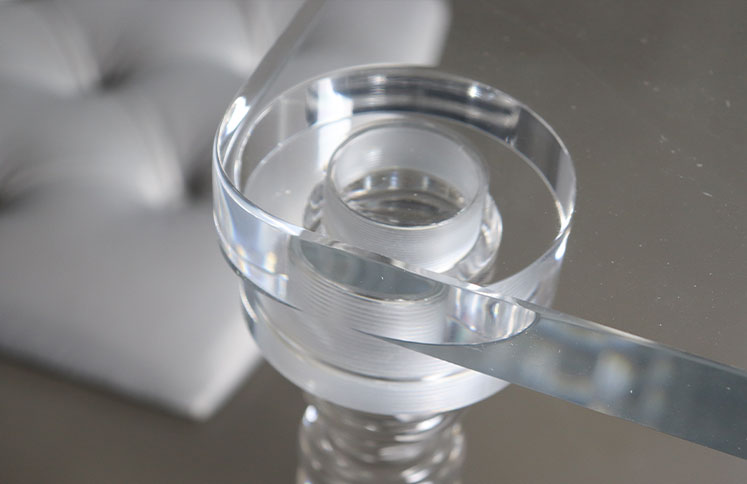
Record the edge profile and corner finish for each exposed top or support, using a physical reference where needed.
Branding and Personalization
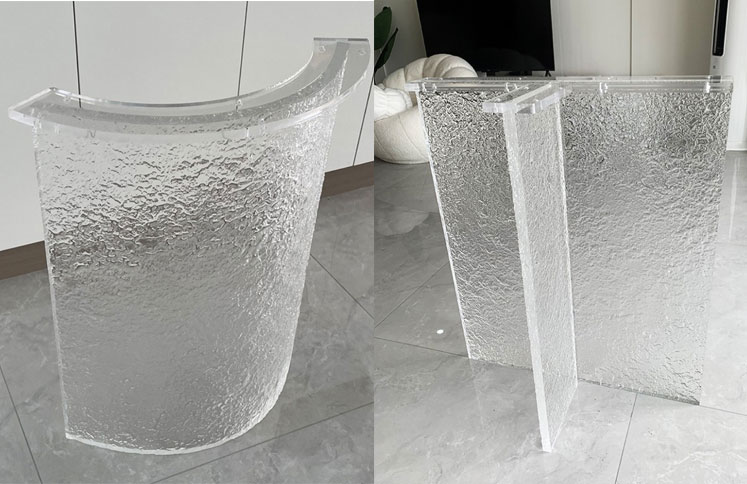
Place logos, SKU labels or private-label marks on specified components or packs without changing the agreed clear appearance.
Hardware and Assembly
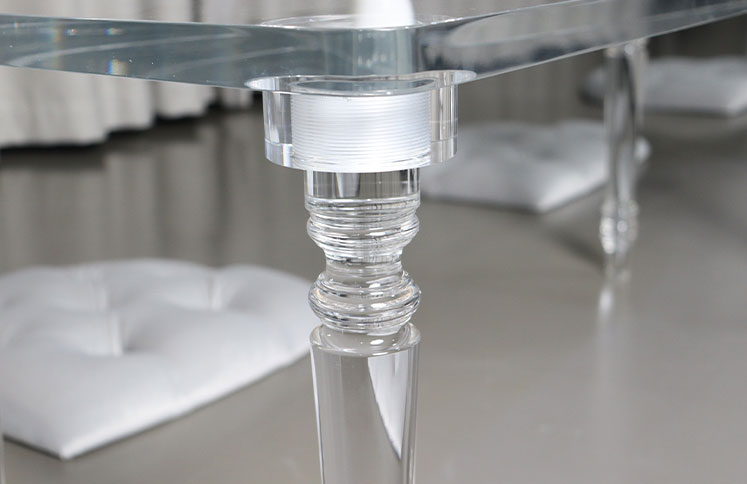
List brackets, inserts, fasteners, glides and instructions by design, including assembled or complete KD delivery.
Packaging and Presentation
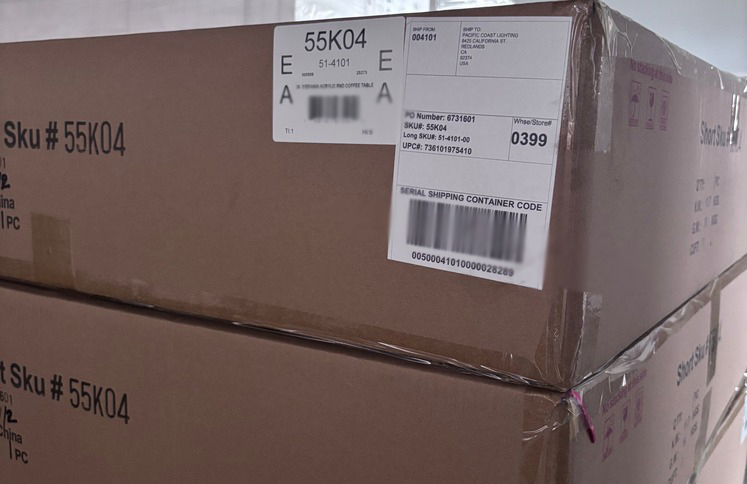
Choose a per-design pack that separates clear faces and fittings, protects edges and identifies cartons for receiving.
Feature Box
Consistent Quality from Sample to Bulk
A clear acrylic table range makes differences in faces, edges, joints and top-to-support fit easy to see. Compare each finished design with its own approved sample. Buyers can then assess coffee, side and larger styles against the right standard, including mixed-material connections where specified.
Reliable Production and Delivery Planning
A mixed clear acrylic table order needs model-specific milestones. After quantities, assembly state and packing are confirmed, we coordinate production, inspection and cartons by type. Buyers can plan launches and receiving around each model’s readiness, including changes that affect only one group.
Competitive Factory Pricing
Factory-direct supply reduces intermediary markups. We review feasible material, cutting, joining, assembly and protective-pack choices to remove avoidable cost while retaining the approved appearance. Quantities by table type, assembled or KD delivery, carton volume and compatible order grouping shape the batch quote. You can compare real cost options across the clear acrylic table collection without changing essential finish or protection.
Manufacturing Process
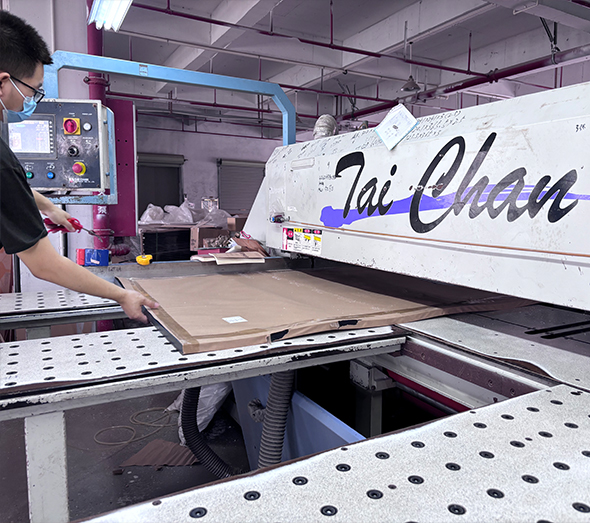
Electronic Saw Cutting
Cut acrylic components to the released table design, separating tops and supports by SKU for shaping and assembly checks.
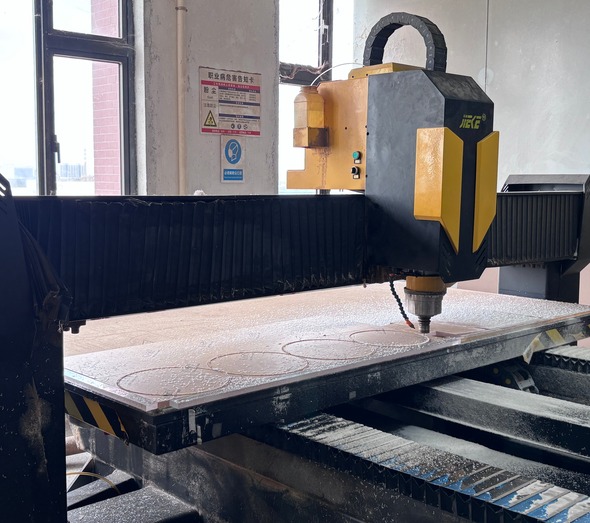
Cutting and CNC Machining
Machine approved contours, openings and connections on the parts that require them; retain the versioned drawing for inspection.

Edge Polishing and Forming
Finish exposed edges and formed faces to the agreed visual reference so clear components can be compared across a batch.
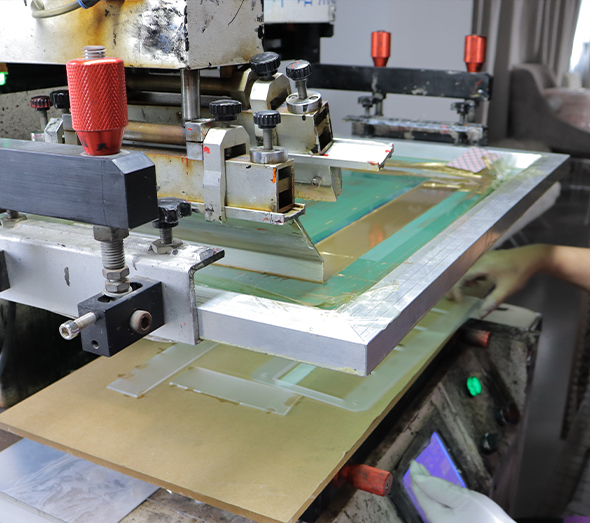
Printing and Engraving
Apply only the agreed mark, placement and artwork when a finished table design includes branding or part identification.
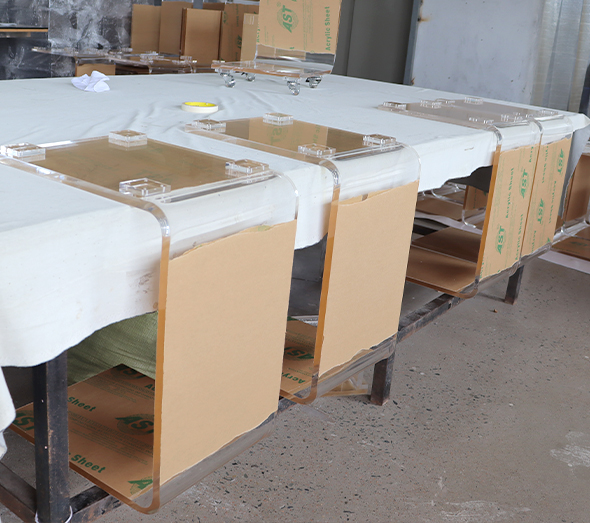
Hot bending
For a genuinely bent component, heat it evenly, form it in its fixture, cool it in position and inspect finished shape, surface and assembly fit.
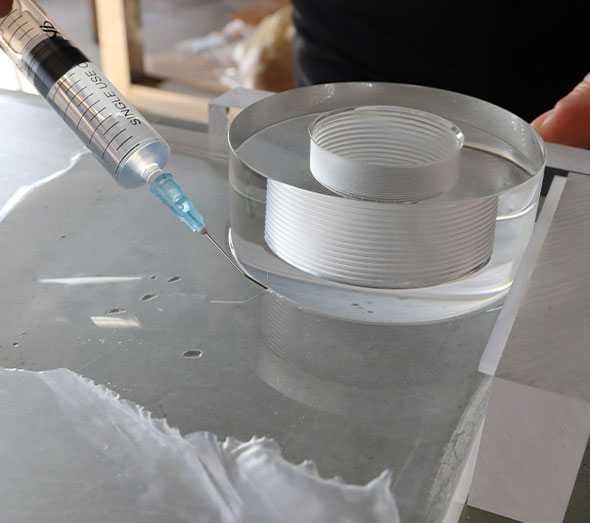
Bonding
Join only components specified for bonding, then inspect the visible seam and component position before packing.
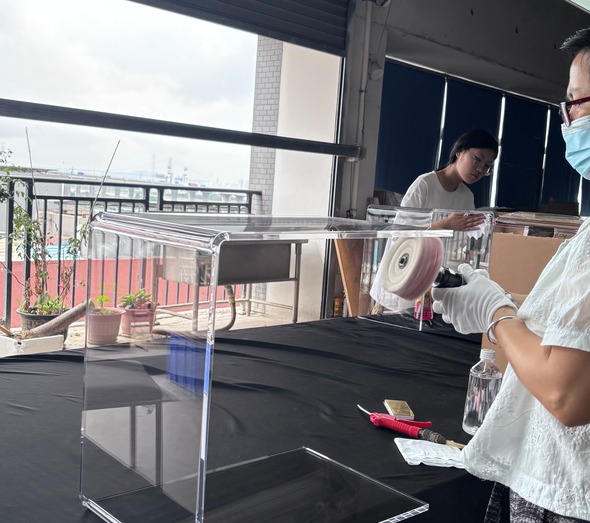
Quality Inspection
Check each finished design against its drawing and complete sample, including appearance, component fit, assembly and carton identity.
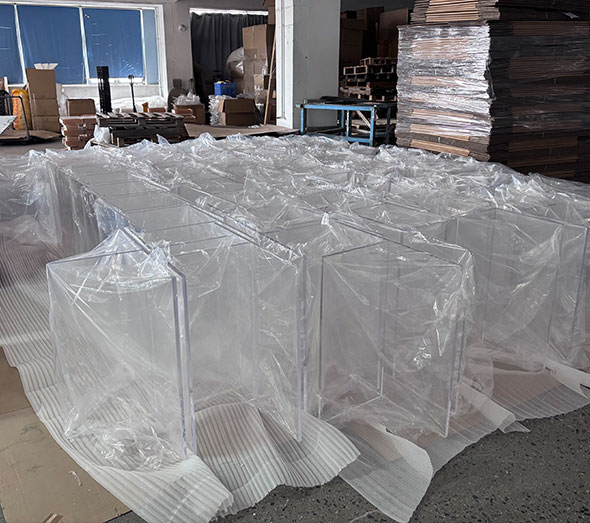
Protective Packing
Separate clear faces from loose fittings, protect exposed edges and group every complete table set under its own carton identity.
Application

United States furniture importer — September 2022: Coffee and side tables stayed distinct
Project: In September 2022, an anonymous United States furniture importer completed an order covering two clear acrylic table types: a coffee table measuring 70 × 40 × 40 cm from 12 mm sheet and a side table measuring 40 × 33 × 39 cm from 8 mm sheet (L × D × H). Challenge: Treating the two one-piece formed tables as one generic SKU could mix finished sizes and cartons during receiving. Solution: We kept a separate approved complete sample, formed profile and packing identity for each type, checked production tables against the corresponding size and exposed edges, and labeled cartons by finished table type. Result: The checked coffee and side tables remained distinct, complete products in correctly identified packs for separate receiving and stock allocation.

Australian furniture brand — February 2024: Three materials formed the approved table
Project: In February 2024, an anonymous Australian furniture brand completed an order for mixed-material clear tables built to a Ø1041 mm × H457 mm round configuration with a glass top, three acrylic legs and a metal crossbar assembly. Challenge: If the glass-to-leg or leg-to-metal interfaces were mismatched, individually finished parts would not make the approved complete table. Solution: We checked the same-version glass, legs, crossbars and fittings as one component set, trial-assembled production parts, and restrained metal parts away from the glass and acrylic faces during packing. Result: The checked components formed the approved complete table with the intended top and leg positions, and the protected, matching material groups stayed together for the brand’s receiving team.

Canadian furniture wholesaler — July 2025: A clear-table series retained its finish reference
Project: In July 2025, an anonymous Canadian furniture wholesaler completed an order for two clear table types: a 1000 × 400 × 750 mm console built from 20 mm clear acrylic panels with a structural crossbar, and a 50 × 40 × 50 cm side table formed from 10 mm sheet. Challenge: Different profiles, assembly details and visible edges could make the finished types look unrelated or be mislabeled as one product. Solution: We approved a complete sample and visible-edge reference for each type, checked the console crossbar and pre-fitted connection points on the assembled console, checked the formed side-table profile separately, and packed each type under its own identity. Result: Both types retained their approved clear appearance and construction while remaining identifiable for the wholesaler’s collection.
Bulk Production Process
1. Inquiry & Quotation
Share the product specifications, construction, quantity, destination, and required date. We can then confirm the quotation and production schedule.
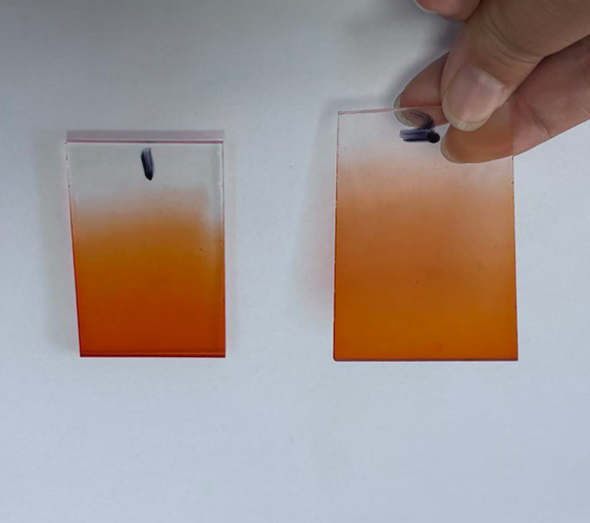
2. Solution Confirmation
We review the structure, materials, finishes, and drawings. We also confirm the inspection scope, packing, and commercial terms before approval.
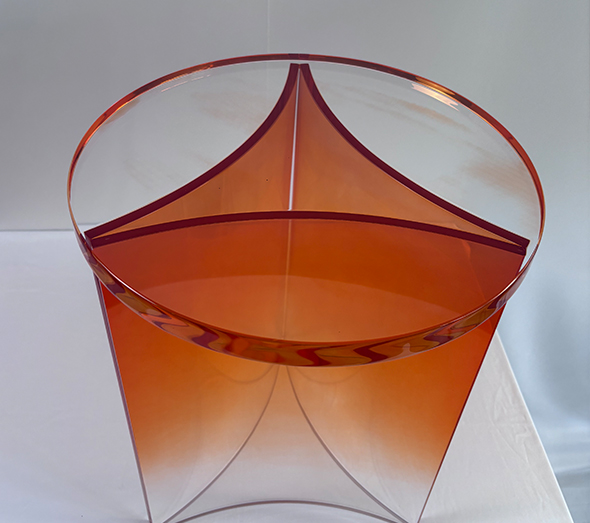
3. Sample Production
The factory produces the approved acrylic table sample and sends it to your team. You can then confirm its appearance, fit, construction, and packing.
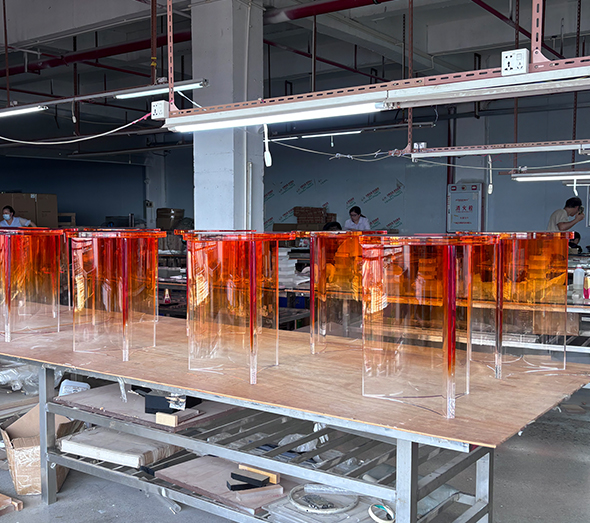
4. Mass Production
After written sample approval, mass production follows the released drawing and specification. Any requested change goes through formal revision control.
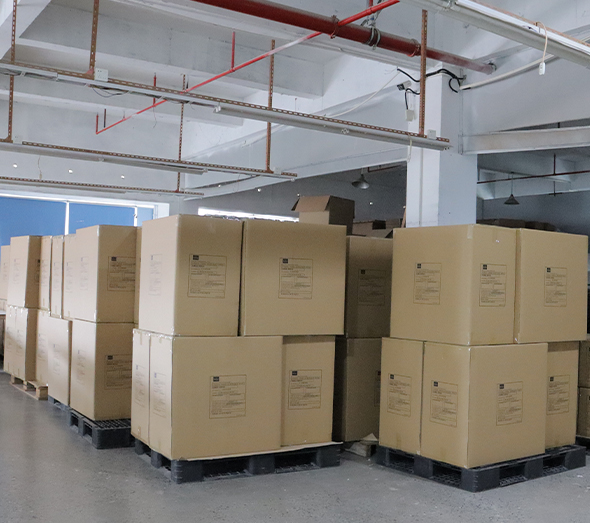
5.Products Shipment
Once production is complete and the balance is settled, we arrange the agreed shipment and provide the relevant shipping documents.
Packing Facts
Packaging materials
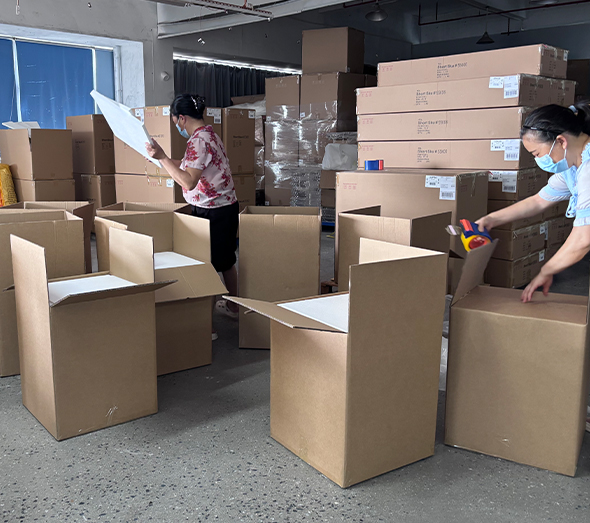
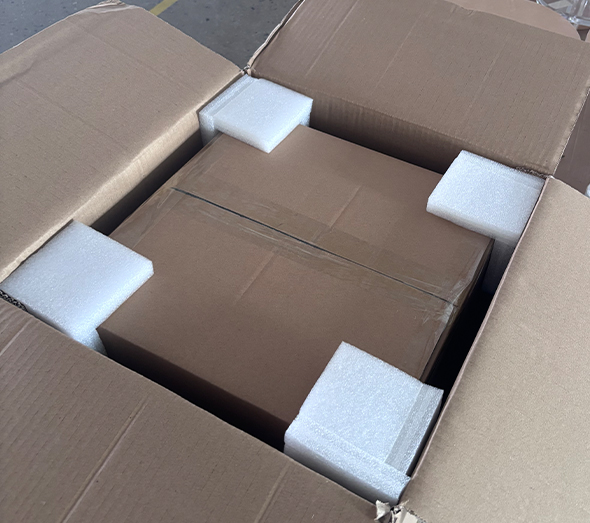
Outer packaging materials:Corrugated Boxes, Honeycomb Boards, Custom Gift Boxes, Wooden box; Cushioning materials:cushioning materials, Air Pillows, EPE, Honeycomb Paper, Kraft Paper Fillers; Sealing and securing materials:BOPP Transparent Tape, Kraft paper tape, Custom Printed Tape, Stretch Film; Special protective materials:Desiccant, Anti-Static Bags……
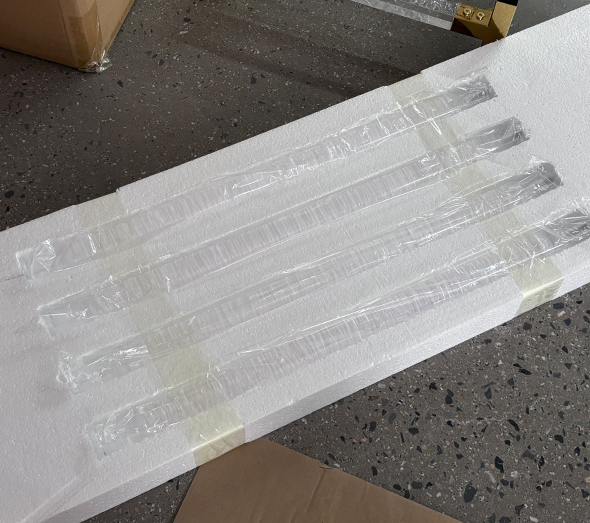
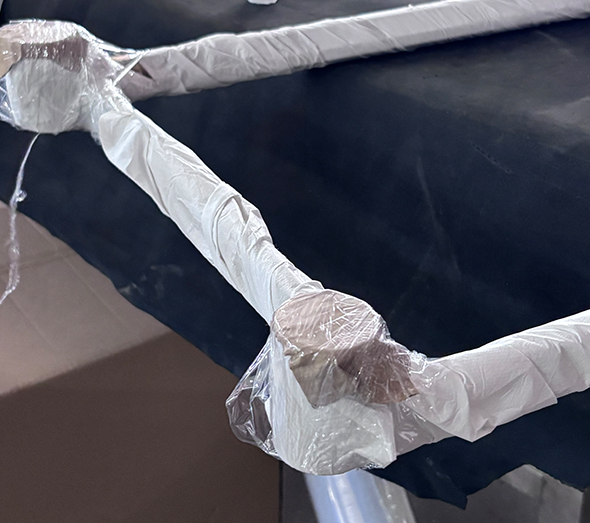
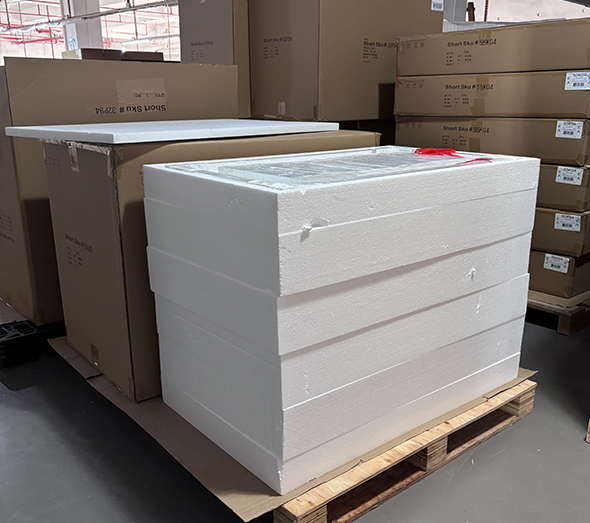
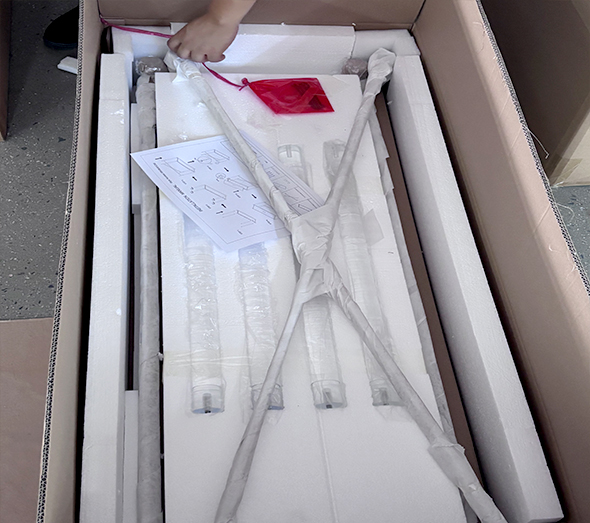
Surface and Edge Protection
A published acrylic-furniture pack uses PE film or bag, pearl-cotton or bubble separation, foam board, wooden case, and pallet to stop surface contact.
Sets and Carton Identification
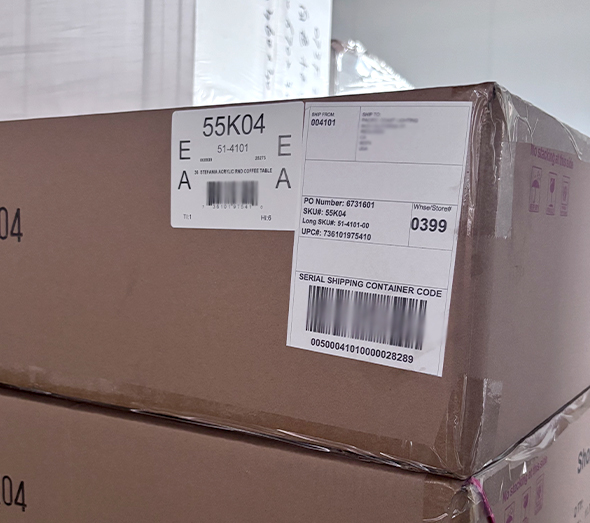
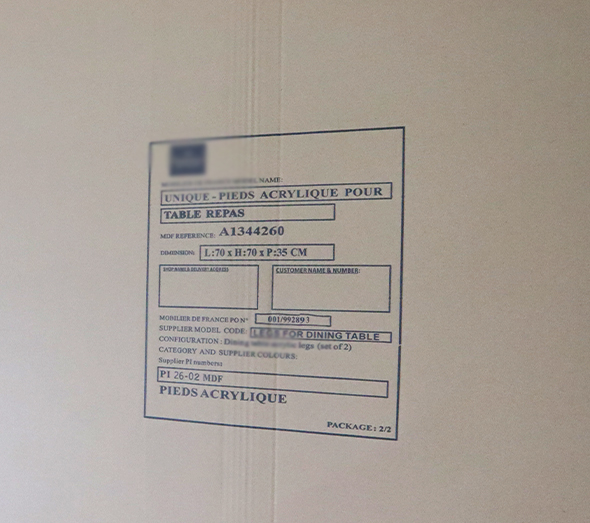
Nesting sizes remain separate SKUs. Carton labels list each size, color, pieces per set, quantity, destination, store, room, or project zone.
FAQ
For a clear acrylic table range, name each complete coffee, side, console, dining, C or event design with its own drawing, quantity and top-and-support parts list. A clear desk is a different product. Specify only the table types in scope; a shared transparent appearance does not turn unlike structures into one quotation or sample approval.
Mark the material of the top, supports, base, frame, connectors and fittings on each design’s drawing and bill of materials. Indicate which major visible or structural parts are clear acrylic. A glass top on an acrylic base is a mixed-material complete table; an opaque main body with only small clear details should not automatically enter this collection. Price the entire deliverable unit.
Send a design schedule with each table type, reference or drawing, overall dimensions, part materials, clear appearance and edge target, assembly state, quantity, carton plan, destination and target production date. Ask for a complete-unit quote by design and show material or packing alternatives separately. This avoids comparing a loose top with a fully packed table.
Use one agreed clear-tone and visible-edge reference to coordinate the visual range, then approve a complete sample for each distinct construction. A coffee table, side table and dining table can share a look while using different joints, supports, fittings and cartons. Link each sample to its own dated drawing, parts list and pack version.
JFM’s general MOQ baseline is 50–200 pieces, and sample production is generally 3–7 days after each design’s material, appearance, construction, assembly and pack are agreed. Confirm the minimum and sample count by released style and quantity split; a multi-style order total does not define every model’s minimum.
Compare first pieces and finished complete tables with the approved sample for each design. Inspect the specified transparent faces, edges and joints, plus the top-to-support interface, fittings and assembly of that design. A shared visual target does not replace separate checks for a mixed-material or KD table. Approve the affected design version before changing a component.
Agree the assembly and carton unit for each table design. A knock-down (KD) set should have its matching top, supports, fittings and instructions; an assembled design needs its own protection and box count. Separate clear faces from loose hardware, and label cartons by complete table type and component count so receiving teams can distinguish the range.
JFM publishes general bulk-production schedules of 10–35 days; the actual window depends on each style’s quantity and complexity. Confirm the sample, materials, quantities, assembly and packing for each table type before setting its milestones. For replenishment, identify the prior approved version and any change that affects the quote or schedule.
Request a Quote for Your Side Table Project
Product Specification
Send your company details, drawing or reference, dimensions, color, intended use, quantity for each design, and destination.
Destination and Timing
Add the preferred packing method, target arrival date, and whether the order is for wholesale, private label, or an interior project.
Commercial Context
We can then review the sample and bulk quotation on the right basis.